
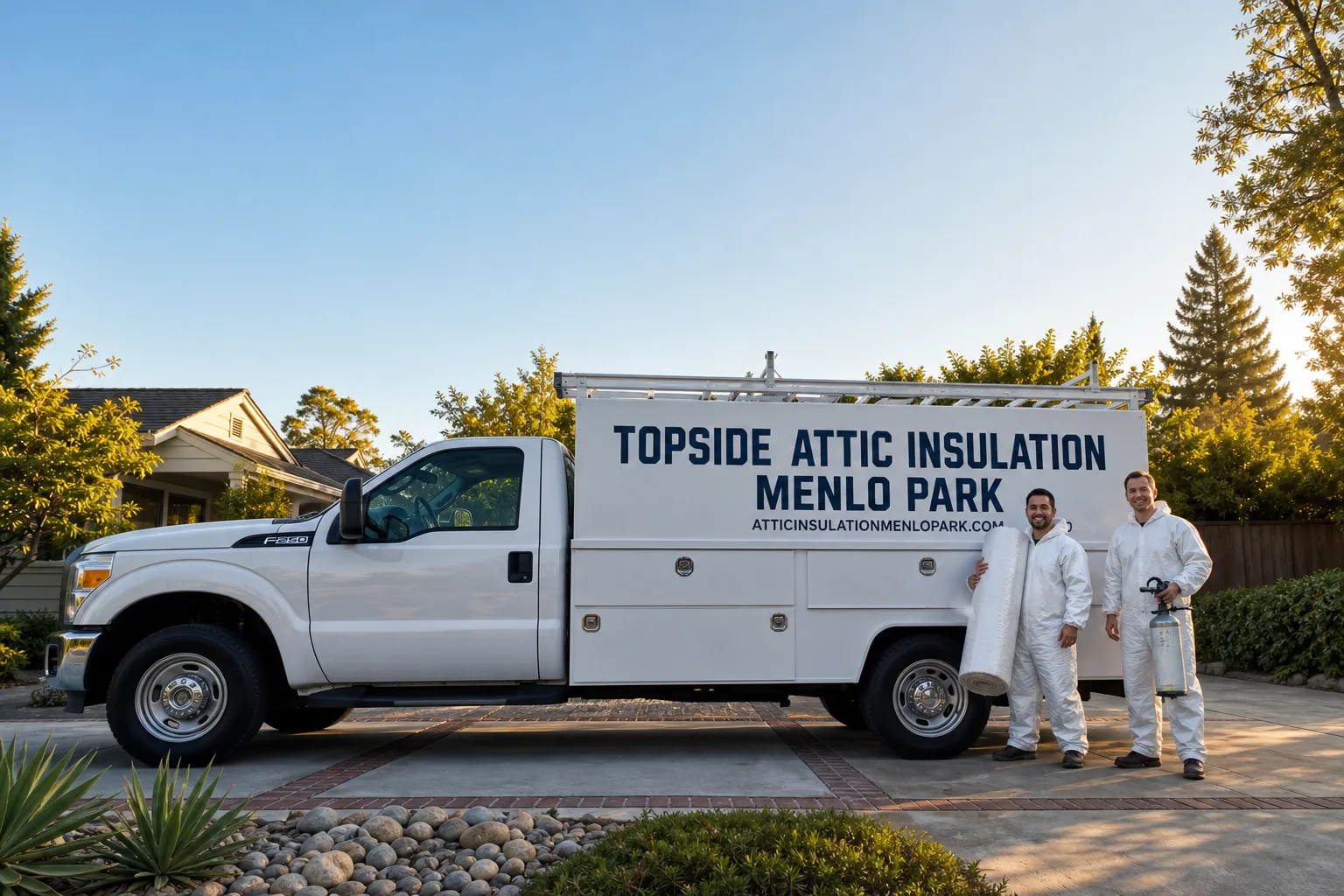
How Much Does Crawl Space Encapsulation & Vapor Barrier Cost in Menlo Park?
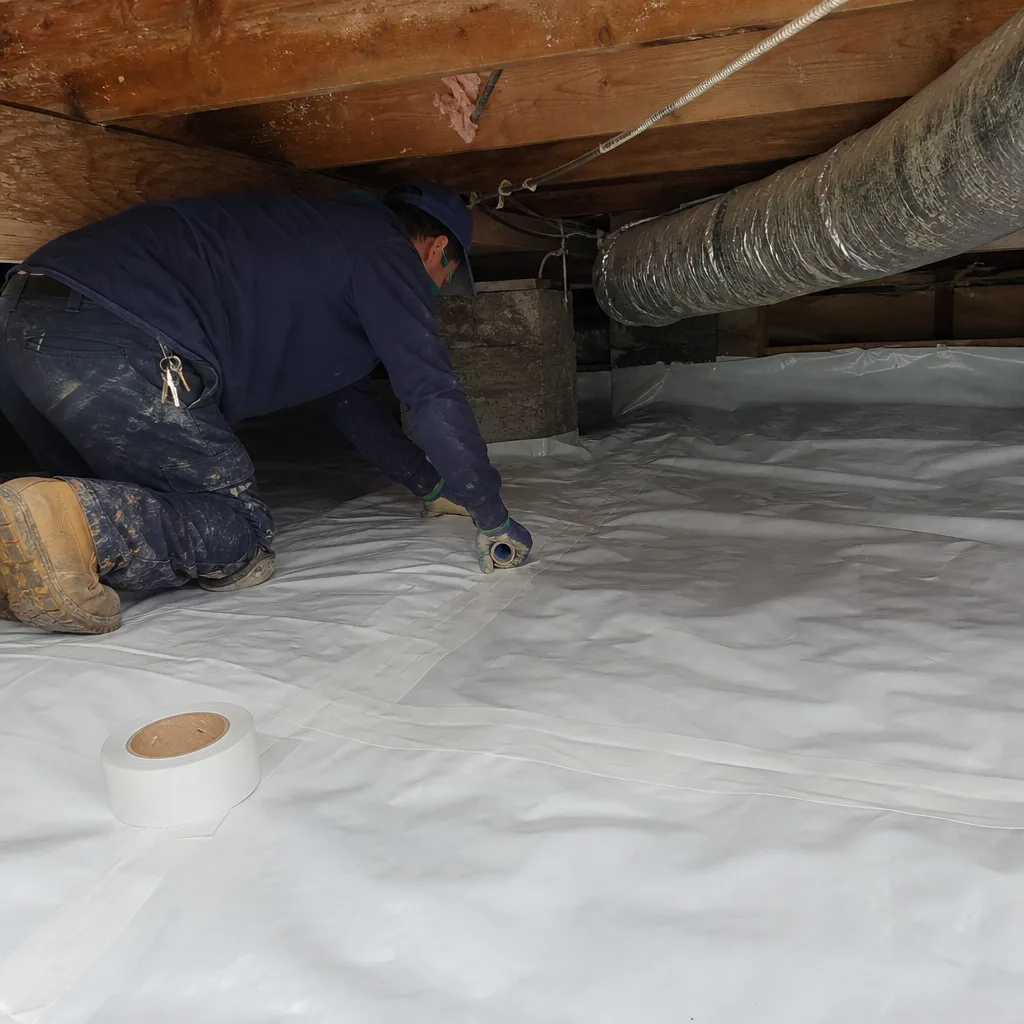
Crawl space encapsulation in Menlo Park, CA typically runs between $3,200 and $8,500 for a standard single-family home, with most projects landing around $4,500 to $6,000 once liner material, sealing, and drainage work are factored in. A Crawl Space Vapor Barrier-only installation - liner placed without full perimeter sealing or a dehumidifier - generally costs less, in the $1,800 to $3,500 range, but that approach is rarely sufficient for the older Craftsman and ranch-style homes common in Menlo Park’s Park Forest and Suburban Park neighborhoods, where ground moisture levels are high enough to defeat a loosely fitted liner within a season or two.
If you have a written estimate from another contractor, we’ll read it with you at no charge – that’s a standing offer under the Haven Standard. Call (510) 876-4113 or read on to understand exactly what drives those numbers in the Menlo Park market.
Crawl Space Encapsulation & Vapor Barrier Cost Breakdown (2026)
Crawl space encapsulation in Menlo Park, CA costs between $3,200 and $8,500 for most homes, depending on square footage, liner thickness, and whether drainage, venting modifications, or a dehumidifier are included. The table below reflects current 2026 labor and material pricing in the Peninsula market – these are not national averages.
| Component | Typical Cost Range (Menlo Park, 2026) | Notes |
|---|---|---|
| Vapor barrier liner only (6-mil poly) | $0.25 – $0.50 per sq ft (material) | Minimum code-compliant option; rarely adequate as a standalone solution |
| Heavy-duty liner (12-mil to 20-mil reinforced) | $0.80 – $1.60 per sq ft (material) | Standard for full encapsulation; resists puncture from debris and foot traffic |
| Labor – vapor barrier installation | $1.50 – $2.50 per sq ft | Includes floor, piers, and partial wall coverage |
| Full encapsulation (liner + perimeter wall sealing + tape/seams) | $3,200 – $6,000 (typical 1,000-1,500 sq ft crawl) | Most common scope for Menlo Park homes built 1940-1985 |
| Crawl space dehumidifier (installed) | $900 – $1,800 | Strongly recommended for vented crawl spaces being converted to conditioned space |
| Drainage matting or drain tile | $600 – $2,200 | Needed when standing water is present; common near Atherton border and low-lying Menlo Park streets |
| Old liner removal and disposal | $400 – $900 | Required when existing poly has deteriorated, rodent damage is present, or mold growth is visible |
| Vent sealing (converting vented to sealed crawl) | $150 – $400 per vent | Menlo Park building code requires permit review for this scope; factor in $150-$350 permit fee |
| Crawl space access hatch repair or enlargement | $200 – $600 | Tight or damaged hatches slow every other scope item and raise labor cost |
| Complete project – basic vapor barrier only | $1,800 – $3,500 | Liner on floor only, no perimeter sealing; suitable only for already-dry crawl spaces |
| Complete project – full encapsulation with dehumidifier | $5,500 – $8,500+ | Includes heavy liner, sealed perimeter, all penetrations taped, dehumidifier installed and tested |
What Pulls the Price Up or Down
The single biggest variable is crawl space height. Menlo Park has a notable concentration of post-and-pier homes built between 1945 and 1965 where crawl clearance is 18 to 24 inches – crew members work on their backs the entire time, which slows installation substantially. A 1,200 square foot crawl with 18-inch clearance can take twice as long to encapsulate as the same footprint with 36 inches of headroom, and that time shows up directly in labor cost.
Moisture history matters too. Homes on or near Willow Road in the Flood Zone X areas of Menlo Park – and certain blocks east of El Camino Real – regularly show evidence of seasonal water intrusion. When we find standing water, saturated soil, or prior mold growth, the scope expands: old liner comes out, wood framing may need treatment, and drainage matting or a French drain becomes part of the bid rather than an option. That’s a legitimate cost difference, not a sales tactic.
Material grade is a real cost driver. A 6-mil polyethylene sheet meets the California Building Code minimum and costs roughly a third of a 20-mil reinforced liner – but 6-mil tears when a plumber or HVAC technician walks across it during a future service visit, and a torn vapor barrier is nearly no vapor barrier at all. For the Peninsula’s moisture conditions, we source 12-mil to 20-mil reinforced poly from Owens Corning and Johns Manville product lines, and we put the grade in writing before the job starts so you know exactly what’s going on the ground.
Finally, access drives cost in ways homeowners don’t always anticipate. If the crawl space hatch is in a closet with a tight turn, or if it’s under a deck that restricts equipment staging, add roughly $150 to $400 to the labor estimate. We identify access constraints during the initial walkthrough and include them in the written price – not as a change order after work starts.
What Affects Crawl Space Encapsulation & Vapor Barrier Pricing in Menlo Park
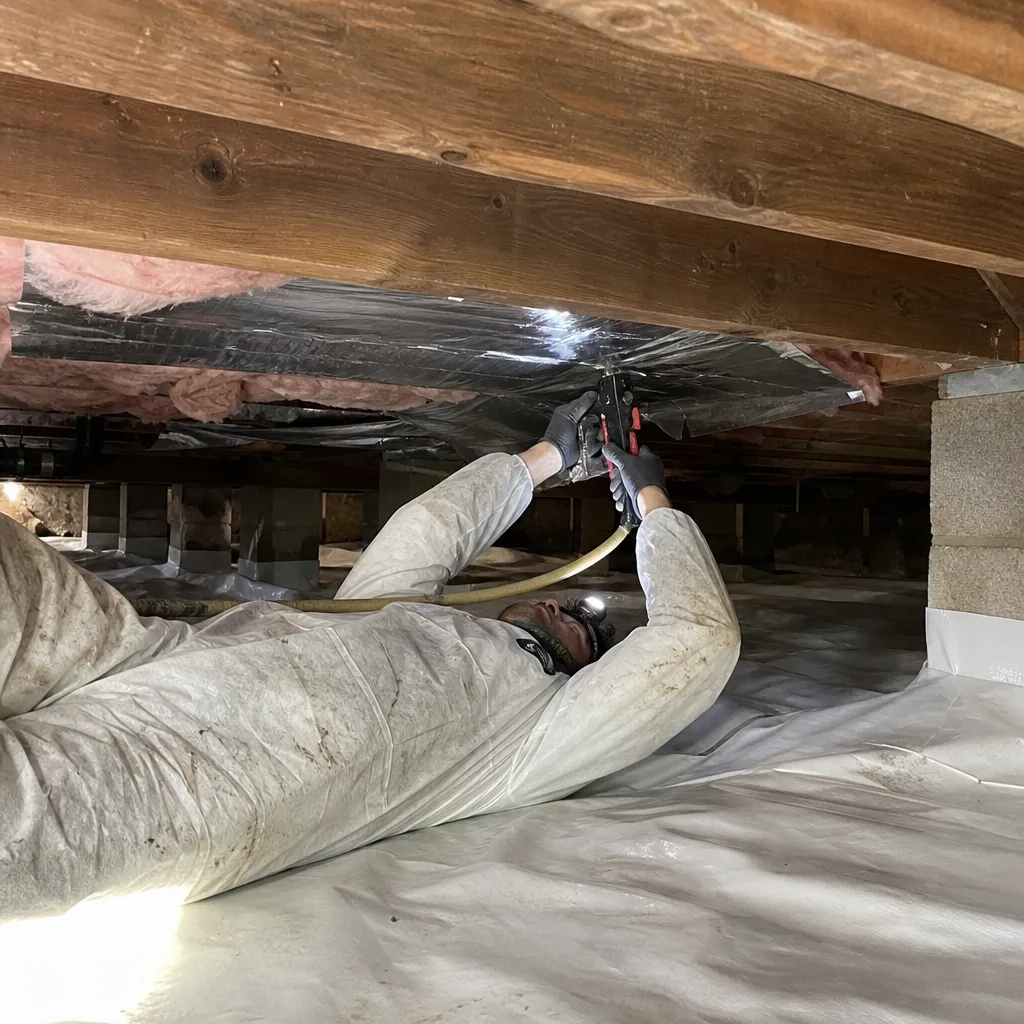
- Crawl space square footage and height. Most Menlo Park single-family homes have crawl spaces between 800 and 1,800 square feet. Footprint drives material cost linearly; height drives labor cost disproportionately. Anything under 24 inches adds meaningful time regardless of crew experience.
- Existing moisture conditions and soil type. The clay-heavy soils common in the Menlo Park Highlands and along Middlefield Road retain water against the foundation longer than sandy soils do. Clay soil under the crawl means the liner needs to be weighted or taped more aggressively at the perimeter, and drainage consideration becomes part of the scope rather than an afterthought.
- Liner thickness and quality. The difference between 6-mil and 20-mil poly is roughly $0.50 to $1.10 per square foot on material alone. On a 1,200 square foot crawl that’s $600 to $1,320 in material cost before labor. We put the specified liner grade in the written scope because that number matters for longevity and future serviceability.
- Vented versus unvented crawl space conversion. Many Menlo Park homes built before 1990 have vented crawl spaces that allow outside air – and Peninsula humidity – to circulate under the floor. Converting a vented crawl to a sealed, conditioned space requires vent cover installation, permits from the City of Menlo Park, and often a dehumidifier to manage the now-enclosed moisture load. This adds $1,500 to $3,000 to a base encapsulation price but is generally the right call for moisture control.
- Old material removal. Torn, mold-affected, or rodent-contaminated liner has to come out before new liner goes in. Removal and disposal typically adds $400 to $900 depending on square footage and the condition of what’s being pulled. In older Menlo Park neighborhoods – particularly near Encinal Avenue and the areas adjacent to Nealon Park – rodent activity in crawl spaces is common enough that this line item should be treated as likely rather than unlikely.
- Permit requirements and inspection fees. Full encapsulation that modifies venting or changes the crawl space from vented to unvented requires a permit from the City of Menlo Park Building Division. Permit fees for this scope typically run $150 to $350, and scheduling an inspection adds time to the project. We handle permit coordination as part of our written scope – it doesn’t show up as a surprise line item later.
- Additional wood treatment or mold remediation. If joists or subfloor show active mold or significant moisture staining, treatment is required before the liner goes down. This is a separate scope from encapsulation and is priced accordingly – typically $500 to $2,000 depending on affected area. We document what we find with photos before any work starts, under the Haven Standard’s Documented Photo Record requirement, so you see what we saw.
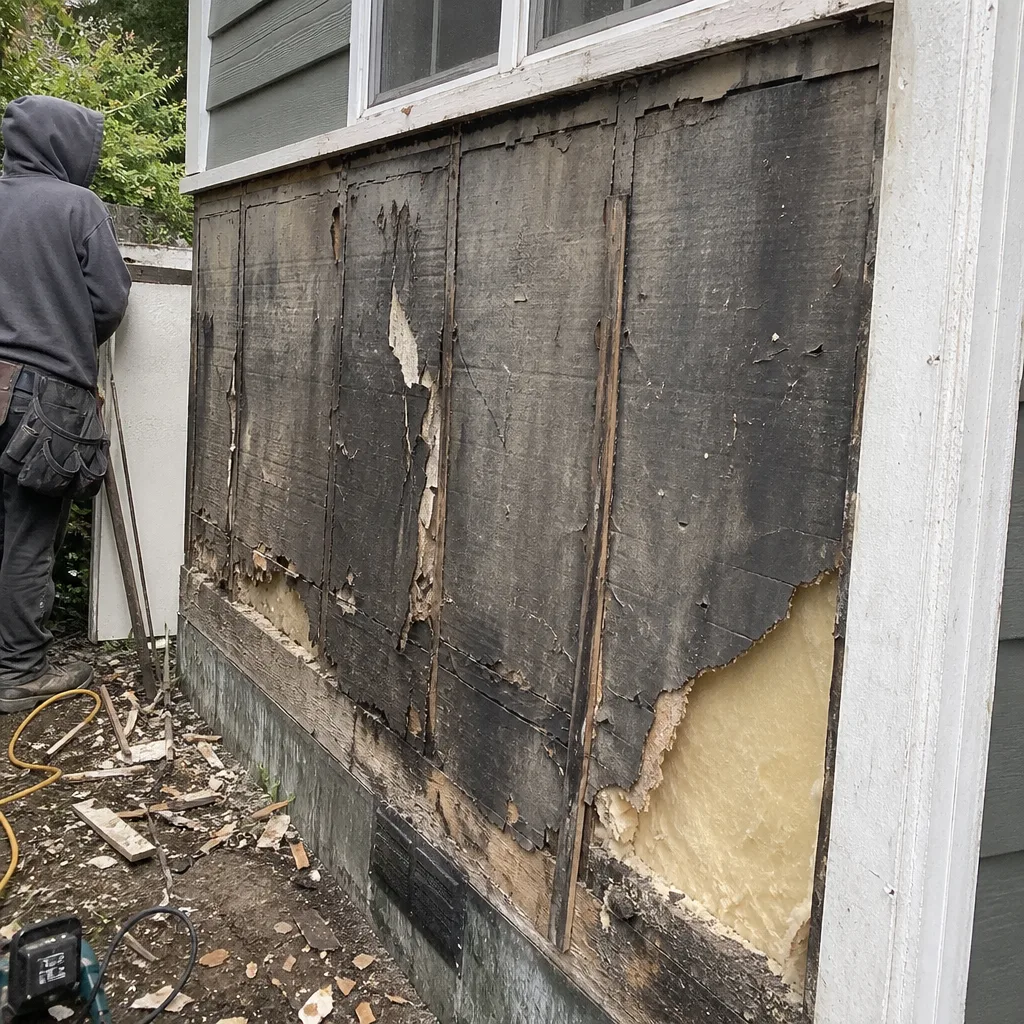 Before
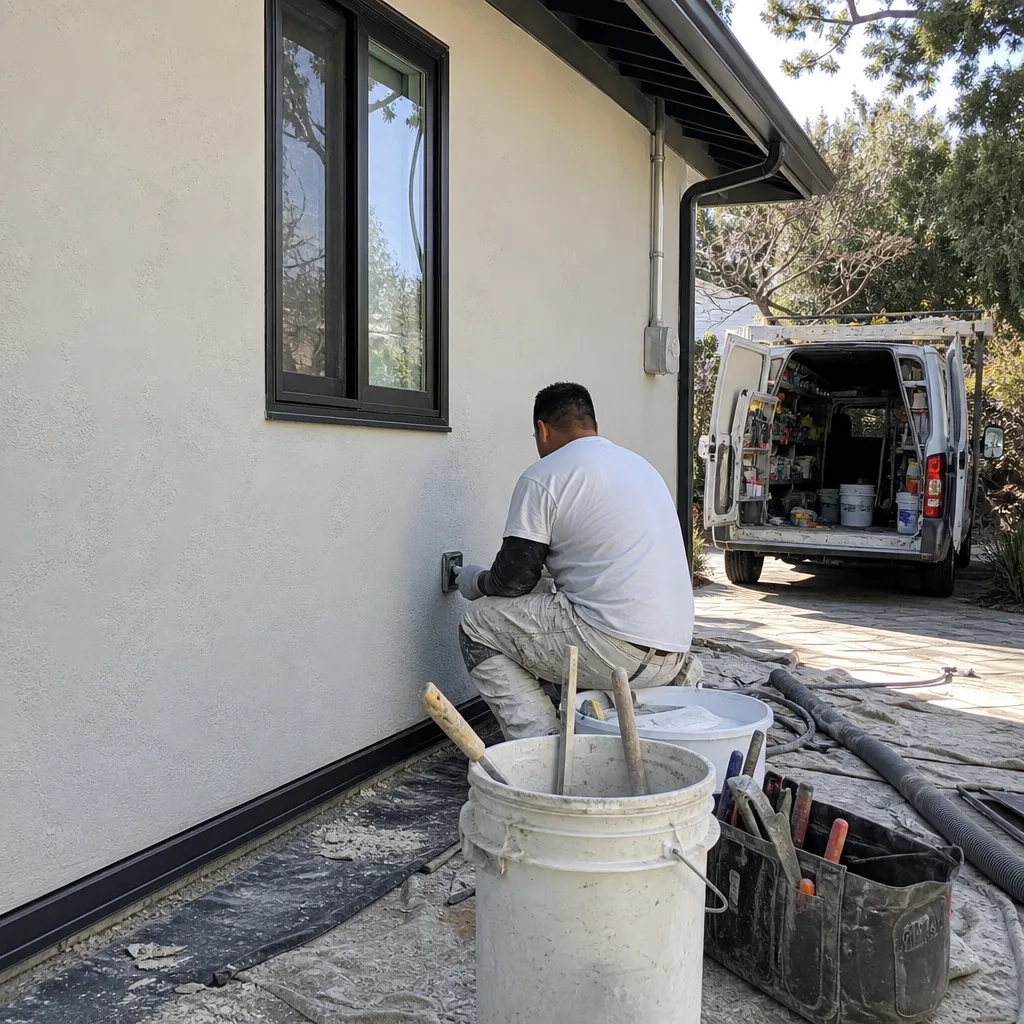 After
AfterHow to Save on Crawl Space Encapsulation & Vapor Barrier in Menlo Park
Get the Scope Right Before You Price-Shop
The most common way Menlo Park homeowners overpay for Crawl Space Encapsulation & Vapor Barrier services isn’t by choosing the most expensive contractor – it’s by accepting a low bid for an incomplete scope and then paying for the missing pieces separately. A bid that covers liner-only on the floor without addressing the perimeter walls, vent sealing, or a dehumidifier might look $1,500 cheaper than a full encapsulation quote, but if the crawl needs that additional work (and most Menlo Park crawl spaces do), you’ll pay for it eventually, often at emergency rates after a wet winter has already done damage.
Before you compare bids, get every contractor to specify: liner thickness, perimeter treatment, seam-sealing method, vent disposition, and whether a dehumidifier is included or excluded. Then compare those scopes against each other – not just the bottom-line numbers. That’s what our Free Second Opinion offer is built for: bring us any written estimate and we’ll read the scope line by line with you. Call (510) 876-4113 to set that up.
Time It Right
Crawl space work in the Menlo Park area tends to spike in volume between November and February, when wet-season moisture problems become visible and homeowners discover failing or absent vapor barriers. Scheduling a project in late spring – April through June – often means faster scheduling and occasionally better pricing because demand is lower. We don’t manufacture scarcity around scheduling, but the simple math of contractor capacity is real: busy months mean longer lead times.
Combine Scopes When Possible
If your crawl space also needs insulation between the floor joists – common in Menlo Park homes where the original fiberglass batts have compressed, fallen down, or been saturated – doing encapsulation and Crawl Space Encapsulation & Vapor Barrier in Menlo Park in the same mobilization saves on trip costs and setup time. We can typically deliver a combined scope for meaningfully less than two separate jobs scheduled months apart. The same applies if you’re planning attic work: a single crew mobilization for crawl space and attic is almost always more cost-effective than two separate visits.
Check for California Energy Incentives
Depending on the specific scope, crawl space encapsulation work may qualify for rebates through the Bay Area Regional Energy Network (BayREN) or through your utility provider – Peninsula Clean Energy and PG&E both administer programs that have historically included building envelope improvements. Incentive availability changes, so we recommend confirming current programs directly with your utility before assuming a rebate applies. We don’t inflate project costs to manufacture rebate value, but we do make sure you know what programs exist before work starts.
Ask for a Written Price Before Any Work Starts
This sounds obvious, but it’s not always what happens in the crawl space industry. Under Haven Standard Clause 1, every Envelope Insulation Co. job starts with a flat written price, a written scope, and a written warranty – before anyone lifts a tool. There’s no mechanism for a surprise change order on items that were foreseeable at the walkthrough. If you’re comparing quotes, ask each contractor whether their price is a flat written bid or an estimate that can change. The answer tells you a lot about how the job will go.
FAQs – Crawl Space Encapsulation & Vapor Barrier Cost in Menlo Park
How much does crawl space encapsulation cost in Menlo Park, CA in 2026?
Most crawl space encapsulation projects in Menlo Park run between $3,200 and $8,500, with the midpoint around $4,500 to $6,000 for a 1,000 to 1,400 square foot crawl space with heavy-duty liner, sealed perimeter, and sealed penetrations. A vapor barrier-only installation without full perimeter sealing typically costs $1,800 to $3,500, though that scope is usually insufficient for homes in moisture-prone parts of Menlo Park. If your project also requires a dehumidifier, old liner removal, or drainage work, expect the total to land in the $5,500 to $8,500 range. For an exact number based on your home’s crawl space, call (510) 876-4113 – the estimate is free and the price is in writing before any work starts.
Is a vapor barrier the same as crawl space encapsulation?
No – a vapor barrier is one component of encapsulation, not the full scope. A vapor barrier typically refers to a poly liner placed on the crawl space floor to block ground moisture from evaporating upward. Encapsulation is a broader system: it includes a heavier-grade liner on the floor, liner running up and sealed to the foundation walls, all seams and penetrations taped, vents sealed or modified, and often a dehumidifier to manage the moisture in the now-sealed air space. For most Menlo Park homes – particularly those built before 1980 with unsealed vented crawl spaces – a floor-only vapor barrier without wall sealing provides limited long-term protection. The distinction matters because the two scopes can differ by $1,500 to $3,000 in cost, and the cheaper option isn’t always the right one.
How long does crawl space encapsulation last in Menlo Park?
A properly installed 20-mil reinforced liner with sealed perimeter and taped seams typically performs for 20 to 25 years without degradation under normal crawl space conditions. Thinner 6-mil liners can degrade or tear in 5 to 10 years, especially in crawl spaces that are accessed periodically for plumbing or HVAC service – which describes the majority of Menlo Park homes with forced-air systems. The liner grade we specify goes into the written scope before work starts, so you know what you’re getting and what the expected service life is. Our 365-Day Done Right Promise covers workmanship for the first year, with the written warranty delivered before the crew leaves your property.
Do I need a permit for crawl space encapsulation in Menlo Park?
It depends on the scope. Placing or replacing a vapor barrier liner without modifying ventilation typically does not require a permit in Menlo Park. However, if the work converts a vented crawl space to an unvented (sealed) crawl space – which involves closing foundation vents – that triggers a permit requirement under California Building Code Section R408.3 and requires review by the City of Menlo Park Building Division. Permit fees for this scope generally run $150 to $350. We identify whether your project requires a permit during the initial walkthrough and include permit coordination in the written scope when applicable. You won’t find it as a surprise line item after work is underway.
Is it cheaper to repair or replace a crawl space vapor barrier?
When a liner is torn in one or two localized spots from recent service work, repair with compatible tape or patch material typically costs $200 to $500 and is appropriate. But when a liner has widespread tears, rodent damage across multiple sections, active mold growth underneath, or is so old the poly has become brittle, full replacement is the cheaper long-term option – patching a deteriorated liner is work that tends to fail within a few seasons. We document the condition of your existing liner with photos before recommending either path, so the recommendation is based on what we actually found, not on which scope generates more revenue. Call (510) 876-4113 for a free assessment and written price on either scope.
Will crawl space encapsulation reduce my energy bills in Menlo Park?
It can, though the magnitude depends heavily on what’s currently under your floors. Homes in Menlo Park with original Crawl Space Insulation between the joists – much of which has sagged, absorbed moisture, or simply degraded over 40 to 50 years – lose a measurable amount of conditioned air through the floor assembly. Encapsulation reduces the moisture load that degrades floor insulation, and on homes where we do full building-envelope work, the before-and-after blower-door test – a pressurization measurement that shows, in one number, how much air your building envelope is losing – often shows a 15 to 30 percent reduction in air leakage when crawl space sealing is combined with attic air sealing. We publish those numbers on applicable jobs so you have a documented figure, not a marketing claim.
How do I know if my Menlo Park home needs crawl space encapsulation?
The most common signs are: musty odors rising through the floor or into living areas, floor surfaces that feel cold or soft in winter, visible condensation on ductwork or pipes under the home, pest or rodent activity in the crawl space, or a visible liner that’s torn, absent, or clearly deteriorated. Homes in Menlo Park built before 1980 – particularly in the Allied Arts, Park Forest, and Sharon Heights neighborhoods – frequently have either no vapor barrier or a 6-mil liner that was installed decades ago and has since failed. If you’re not sure what’s down there, a walkthrough inspection is the right first step, and it costs you nothing. The written price comes after we’ve seen the crawl space, not before.
Why Envelope Insulation Co. for Crawl Space Work in Menlo Park
Wes Okafor and the team at Envelope Insulation Co. have worked on more than 9,000 homes across the Bay Area since the company was founded in 2016 – every one of them with a written price before work started and a documented photo record when the crew left. That’s not a marketing line; it’s the operational framework we call the Haven Standard, and it applies to every crawl space job in Menlo Park the same way it applies to every attic job in Redwood City.
For crawl space encapsulation specifically, we source liner material from Owens Corning and Johns Manville product lines – no proprietary house brand with no verifiable spec sheet. The liner grade goes into the written scope, which means if a competitor tells you they’re using “high-quality liner” without specifying mil thickness, you can use our written price as a benchmark to ask the right question.
On projects where encapsulation is part of a broader building-envelope scope, we run before-and-after blower-door tests and provide those numbers to you in writing – a pressurization reading that shows, in a single figure, how much conditioned air the home was losing before and after the work. Most crawl space contractors don’t offer this because most crawl space contractors aren’t also air-sealing the building envelope. We are, and we have the documentation to back it.
The 365-Day Done Right Promise applies to every completed job: if it’s not done right, we make it right. That commitment is in the written warranty you receive before the crew starts – not in a handshake agreement you have to hope someone remembers.
If you have a written estimate from another contractor and want a second set of eyes on the scope and pricing, that review is free. Bring the quote to us or read it over the phone – we’ll tell you exactly what you’re comparing. Visit our home to see the full range of building-envelope services we provide, or call (510) 876-4113 now to schedule your free crawl space assessment. A live person answers every call – no voicemail loops, no callback windows measured in business days.
Written by Wes Okafor, Owner at Envelope Insulation Co. (operating as Topside Attic Insulation Menlo Park), serving Menlo Park since 2016.
Pricing reflects the Menlo Park market as of 2026. Topside Attic Insulation Menlo Park offers free estimates – call (510) 876-4113.
What Our Customers Say
"They photographed rodent damage in the old insulation that we had no idea about, and priced the exclusion work separately so we could decide."
- Harriet N."Two other companies quoted to blow more insulation on top of what was there. These were the only ones who said the existing material had to come out first, and explained why."
- Clifford E."Turned up on time, protected the hallway, and the written scope matched what was actually done."
- Bruno S.