
How Much Does Spray Foam Insulation Cost in Menlo Park?
Our Spray Foam Insulation services in Menlo Park, CA typically cost between $3,200 and $8,500 for a whole-home or attic application, with most single-family jobs landing in the $4,000-$6,500 range depending on foam type, square footage, and whether air sealing is completed first. Open-cell foam runs $1.00-$1.50 per board foot installed; closed-cell runs $2.00-$3.50 per board foot. At Envelope Insulation Co., every job starts with a written price before any work begins – that’s not a policy we bend on.
Spray Foam Insulation Cost Breakdown (2026)
The numbers below reflect what we see in the Menlo Park market in 2026, accounting for Bay Area labor rates, material costs, and the older housing stock common in neighborhoods like Allied Arts, Linfield Oaks, and the Willows district. These are installed prices – meaning foam, labor, equipment, and job cleanup are included.
| Application Type | Foam Type | Typical Range | Notes |
|---|---|---|---|
| Attic floor (1,000 sq ft) | Open-cell | $1,200 - $2,000 | Requires air sealing before foam is applied |
| Attic floor (1,500 sq ft) | Open-cell | $1,800 - $2,800 | Common for Menlo Park ranch homes built 1950-1975 |
| Attic rafters / roof deck | Closed-cell | $3,500 - $6,000 | Creates a conditioned attic; required for HVAC in attic |
| Crawl space encapsulation + foam | Closed-cell | $2,800 - $5,500 | Higher end for tight crawl spaces common in older Menlo Park homes |
| Rim joists + band joists only | Closed-cell | $600 - $1,400 | High ROI air-sealing target; often bundled with attic work |
| Exterior wall cavities (retrofit) | Open-cell or closed-cell | $1.00 - $3.50 / board ft | Access method drives cost; injected foam or drill-and-fill differs from open stud bays |
| New construction (whole home) | Mixed | $8,000 - $18,000 | Open stud bays, full envelope, Bay Area labor premium applies |
| Air sealing (prerequisite, before foam) | n/a | $800 - $2,000 | Top plates, can lights, plumbing penetrations – completed before any insulation is added |
What These Numbers Mean for a Typical Menlo Park Home
A 1,500 sq ft ranch-style home in Menlo Park – the kind built in the late 1950s through early 1970s that dominates streets like Middle Avenue and Encinal Avenue – most often needs attic air sealing plus an open-cell foam application on the attic floor, bringing the total to roughly $2,600-$4,500. If the HVAC system sits in the attic (a very common configuration in this market), closed-cell foam on the roof deck becomes the better move, and that job typically falls in the $4,500-$7,000 range once air sealing is factored in.
A written price – with a line-by-line scope, the foam type specified, and the board footage documented – is what you receive before Wes Okafor’s crew lifts a tool. That’s Haven Standard Clause 1, and it applies on every job regardless of size.
What Affects Spray Foam Insulation Pricing in Menlo Park
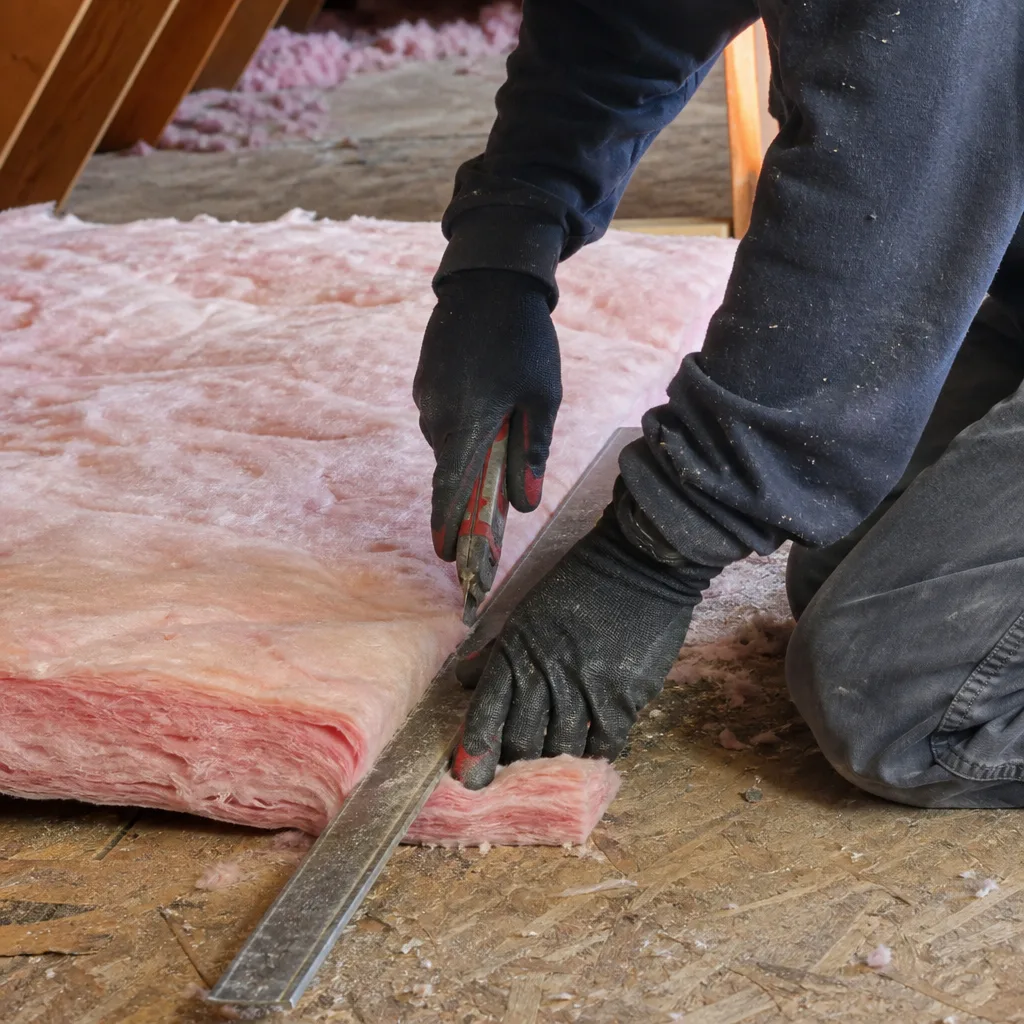
Six factors move the price more than anything else on a Menlo Park spray foam job. Some you control; some are fixed by your home’s construction. Here’s what to expect from each.
- Foam type: open-cell vs. closed-cell. Open-cell foam (roughly R-3.7 per inch) costs about half as much per board foot as closed-cell (R-6 to R-7 per inch) but is vapor-permeable, meaning it’s not ideal for unvented roof decks or crawl spaces where moisture intrusion is a concern. Menlo Park’s coastal-influenced climate – with marine layer mornings and low overnight humidity year-round – makes this choice material-specific rather than one-size-fits-all. We specify the right foam for the application in the written scope before any work starts.
- Existing air leakage and the condition of what’s already up there. Homes in the Willows or Belle Haven that still have original can lights punched through the attic floor, old knob-and-tube wiring penetrations, or deteriorated vapor barriers add labor hours to the air sealing phase. Wes Okafor’s crew has found attic floors in this market where the leakage area – measured by a blower-door test, a pressurization reading that shows in a single number how much conditioned air the home is losing – was equivalent to leaving a window open year-round. Sealing those penetrations before foam goes in is non-negotiable here; the foam’s R-value is largely wasted if conditioned air is bypassing it through gaps.
- Attic or crawl space access and headroom. A spray foam rig needs clearance to move efficiently. Low-slope attic decks and the crawl spaces under raised-foundation homes (common in the Charleston Meadows area) often require hand-spray work in confined sections, which adds labor time. An attic with good ridge height and clear boarding costs less per board foot to spray than one that requires a crew to belly-crawl for three hours.
- Thickness specified. For code compliance under California Title 24, attic applications generally require a minimum of R-38. Achieving R-38 with open-cell foam means roughly 10 inches of material. With closed-cell at R-6.5 per inch, you reach R-38 at about six inches. More thickness means more material cost – but it also means more durable performance. The written scope you receive before work starts states the target thickness and the resulting R-value explicitly.
- Removal of existing insulation. Many Menlo Park homes we see have a layer of old blown fiberglass or batt insulation that needs to come out before foam can be applied properly. Insulation removal adds $0.50-$1.25 per square foot to the job and must be completed before air sealing can happen. If your attic currently has vermiculite or any material with potential asbestos content – something seen occasionally in pre-1978 homes in this market – testing adds cost and affects the removal method.
- Bay Area labor rates and material logistics. Menlo Park sits in one of the highest-cost labor markets in California. Skilled spray foam technicians in this market earn substantially more than their counterparts in Sacramento or the Central Valley. That’s reflected in the installed price, and it’s the primary reason Menlo Park spray foam jobs cost 20-35% more than the same job in Fresno or Stockton. We don’t hide this in a footnote – it’s part of the written scope you receive upfront.
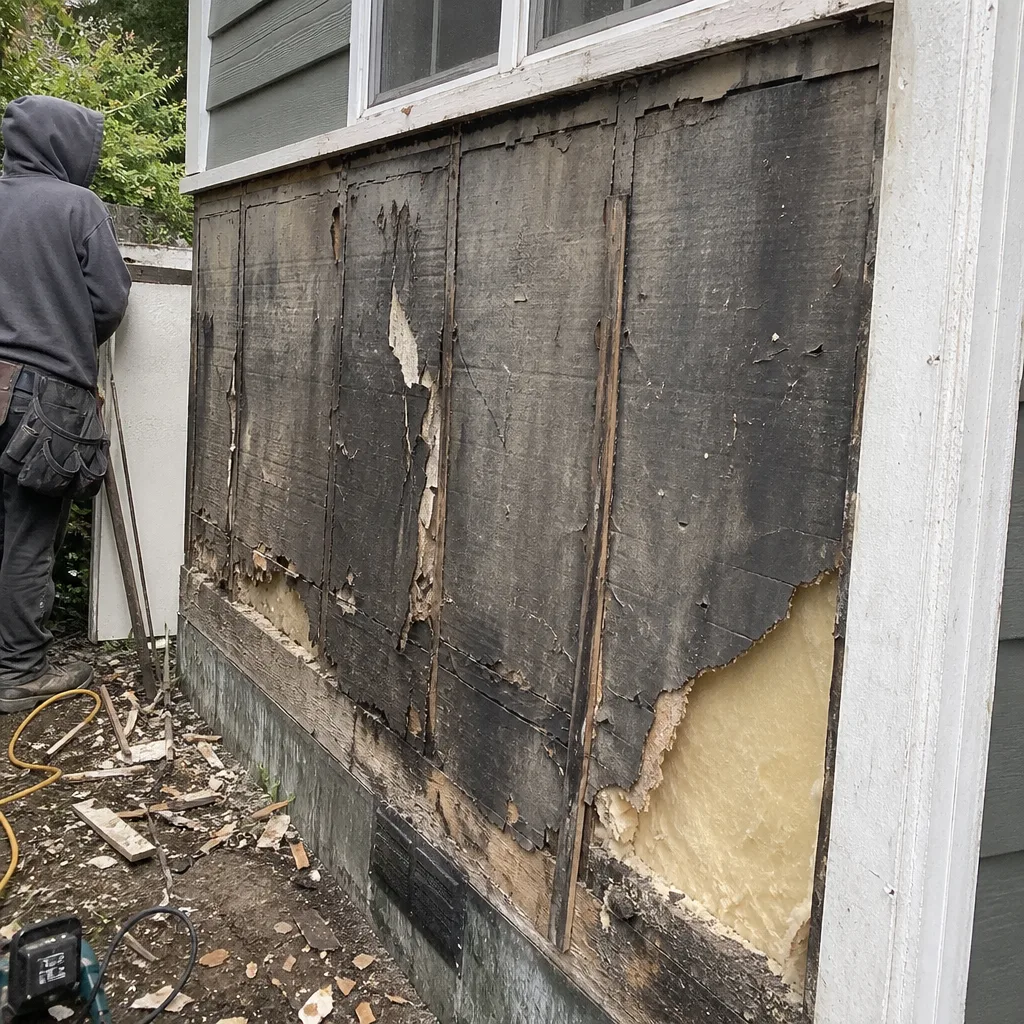 Before
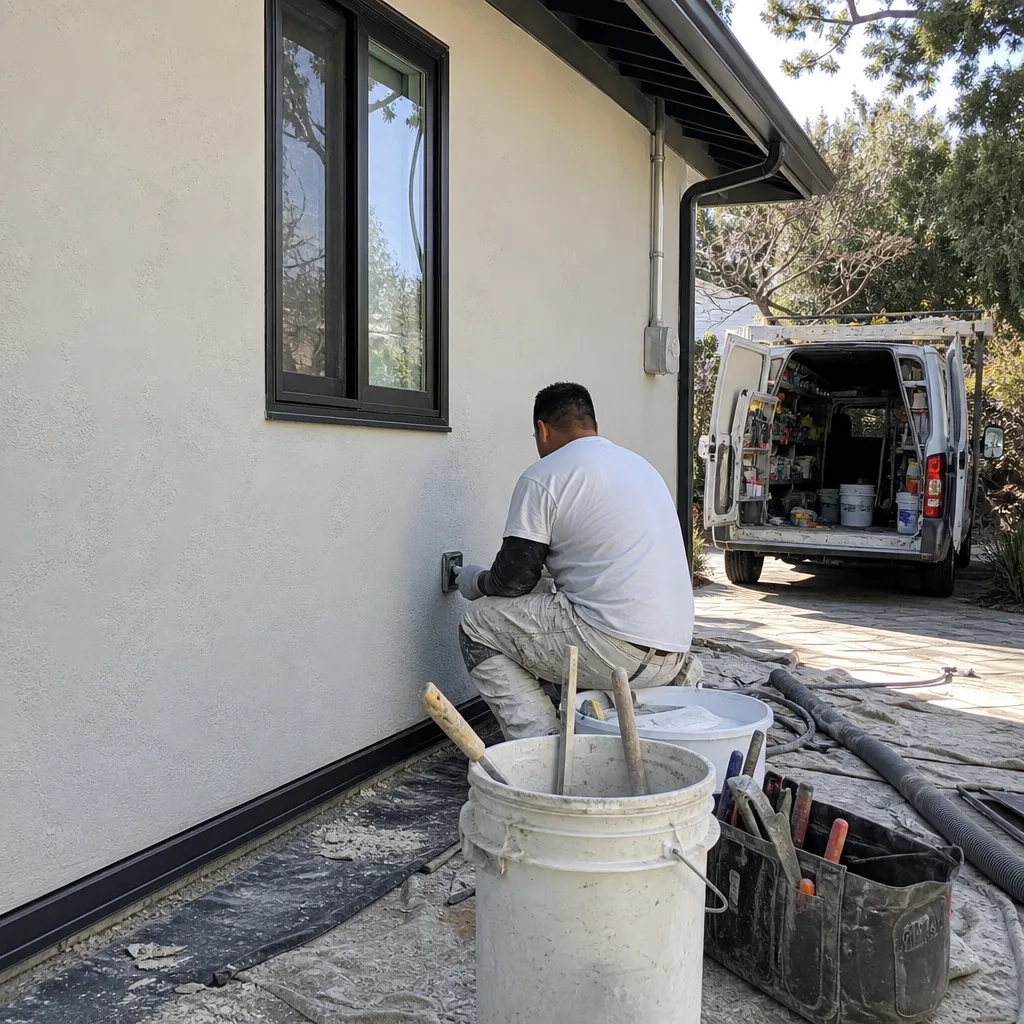 After
AfterOpen-Cell vs. Closed-Cell Spray Foam in Menlo Park: Which One Do You Need?
This question comes up on nearly every estimate we run in Menlo Park, and the answer is almost always application-specific rather than a blanket recommendation.
Open-Cell Foam
Open-cell spray polyurethane foam – sourced from manufacturers like Icynene and Demilec on our jobs – expands aggressively after application, typically 100:1. It fills irregular cavities, is softer and more flexible than closed-cell, and costs significantly less per board foot. For attic floors where vapor permeability isn’t a problem and the primary goal is adding R-value to a sealed cavity, open-cell is often the right specification. At R-3.5 to R-3.7 per inch, you need about 10 inches to hit R-38. Most Menlo Park attic floor applications run 8-12 inches of open-cell.
Closed-Cell Foam
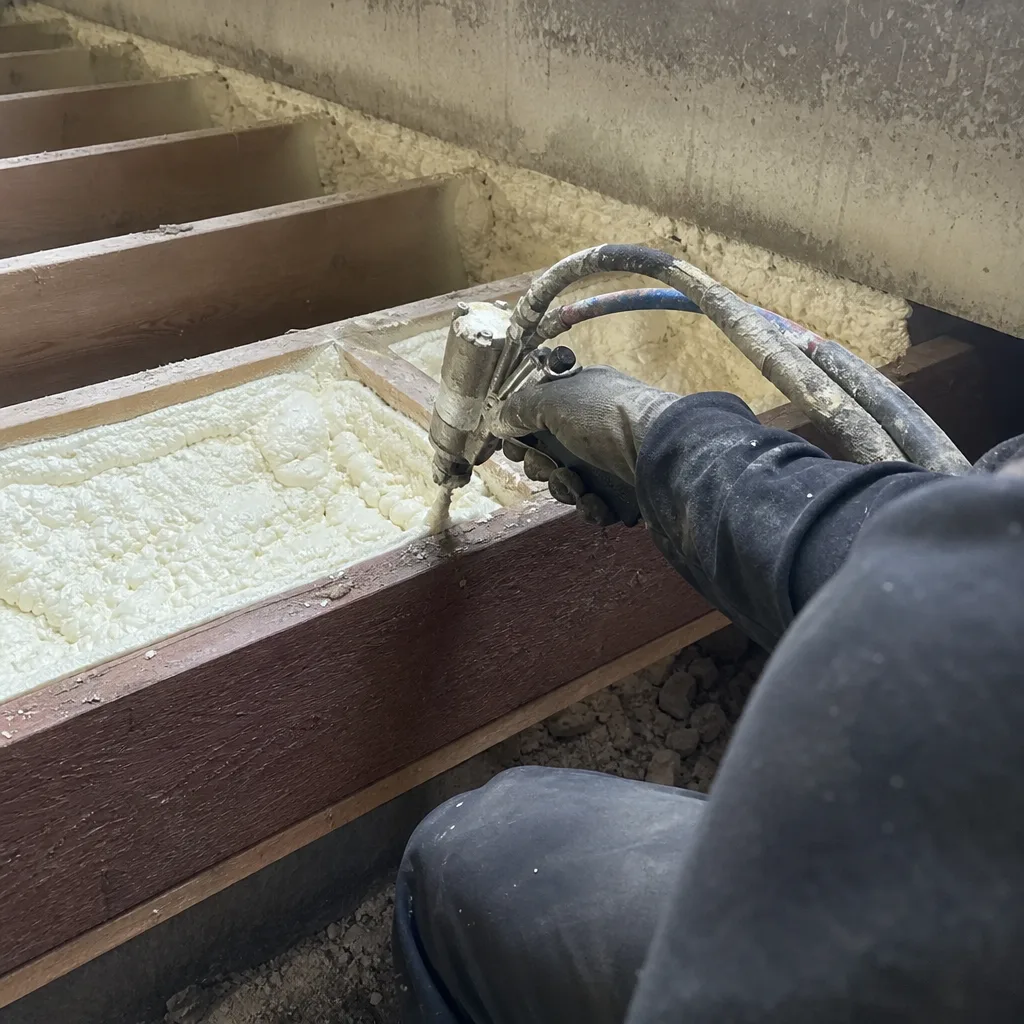
Closed-cell spray foam – available through manufacturers including Demilec, GreenFiber formulations, and similar – delivers R-6 to R-7 per inch, acts as a Class II vapor retarder, and adds measurable structural rigidity to the assembly it’s applied to. For roof deck applications (creating a conditioned or semi-conditioned attic), crawl space walls, rim joists, and any application where moisture migration is a concern, closed-cell is the correct specification. It costs more, but trying to substitute open-cell in a crawl space or on a roof deck in Menlo Park’s climate is a specification mistake that tends to show up as moisture problems within three to five years.
The short version: most attic floor jobs use open-cell; most roof deck, rim joist, and crawl space jobs use closed-cell. The written scope Wes Okafor’s crew delivers before starting states which foam type, which manufacturer, and why.
The Air Sealing Prerequisite – Why It Affects the Total Price
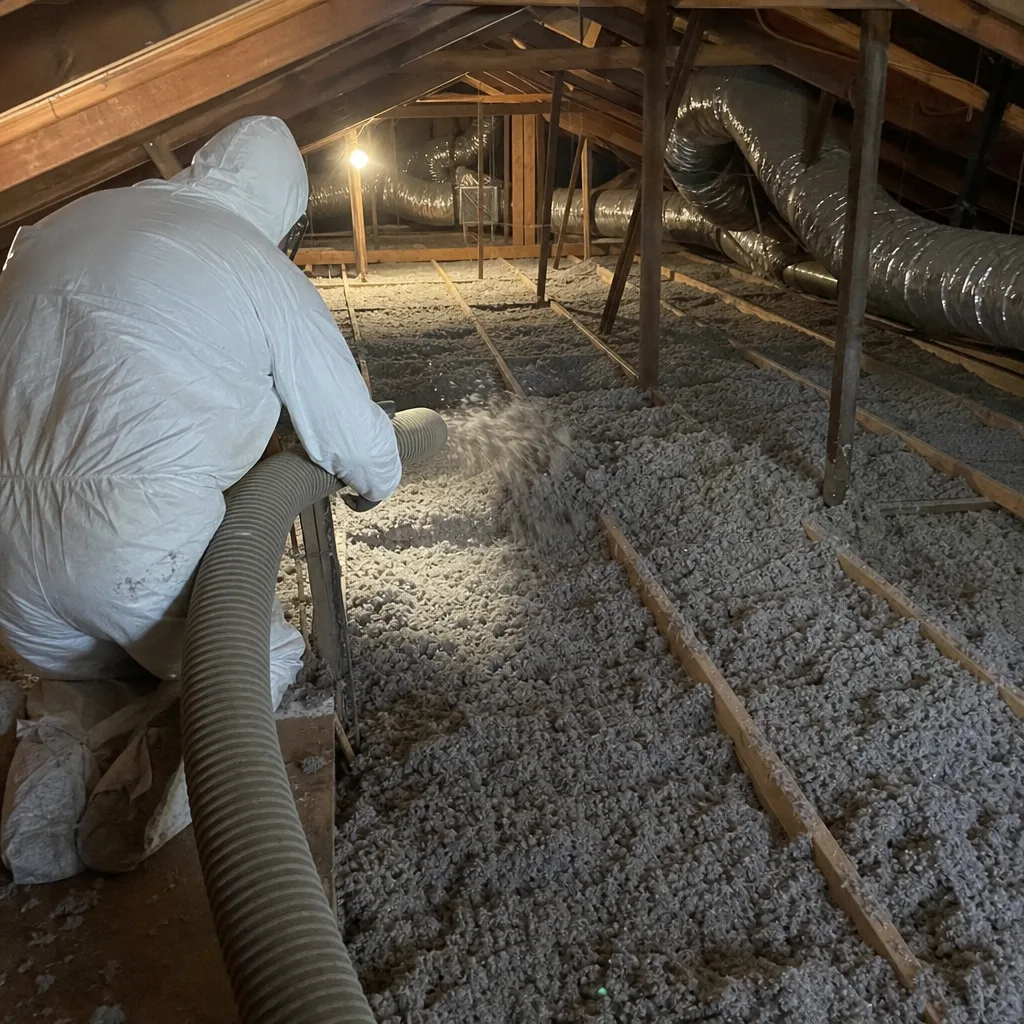
Envelope Insulation Co. will not spray foam over an unsealed attic floor. This is not a policy decision based on preference – it’s a building science decision based on what actually determines energy performance.
Here’s the practical reason: spray foam has excellent R-value, but R-value only describes resistance to conductive heat transfer. If conditioned air is moving through gaps in the attic floor – around top plates, through can light housings, along plumbing chases, or through wire penetrations – that air bypasses the foam entirely. The blower-door test reading, a pressurization measurement in CFM50 (cubic feet per minute at 50 Pascals of pressure), makes this visible in a single number. We’ve run pre-job blower-door tests on homes in Menlo Park’s Linfield Oaks and Sharon Heights areas that read 3,800 CFM50 before sealing. After air sealing – before a single inch of foam was applied – those numbers dropped to 1,900-2,200 CFM50. The foam then does its job on top of a sealed envelope, rather than sitting on top of an air sieve.
For your budget: air sealing on a typical Menlo Park home adds $800-$2,000 to the job total. It’s scoped as a line item in the written price, not buried. And because we publish before-and-after blower-door numbers on every applicable job, you see the documented performance change – not a verbal assurance that the work was done.
How to Save on Spray Foam Insulation in Menlo Park
Spray foam is a long-duration capital improvement. The decisions that save money at the contract stage are different from the ones that save money over the life of the home.
Stack Work When You’re Opening the Attic Anyway
If you’re already replacing HVAC equipment, repairing a roof, or running new electrical, that’s the time to do attic air sealing and insulation. The mobilization cost – getting a spray rig to a Menlo Park address, staging materials, protecting the space – is fixed regardless of job size. Stacking insulation work with a renovation saves you that fixed cost on a second mobilization. We scope this clearly in the written estimate so you can compare the bundled cost against doing it separately.
Use PG&E and BayREN Rebates – Before They Change
Menlo Park falls within PG&E’s territory, and BayREN (Bay Area Regional Energy Network) has historically offered rebates for insulation and air sealing work meeting specific performance thresholds. For 2026, rebate availability and amounts change periodically – the best way to know what you qualify for is a home energy audit before you sign a contract. The audit documents existing conditions and identifies which measures qualify for incentives. Envelope Insulation Co.’s home energy audit service covers this as part of the scope when requested.
Get a Free Second Opinion Before Signing
If you have a written estimate from another contractor, bring it to us. Under the Haven Standard, we offer a free second opinion on any written estimate – we’ll read the scope with you, line by line, and tell you what it includes, what it leaves out, and whether the specified materials match what the price implies. This costs you nothing and has saved some Menlo Park homeowners several hundred dollars by identifying scope gaps (particularly around air sealing prerequisites that competing quotes omit entirely).
Prioritize High-Impact Zones First
If the full-home budget isn’t there right now, rim joists and band joists are typically the highest-dollar-per-board-foot return in an older Menlo Park home. A rim joist job on a raised-foundation home runs $600-$1,400 and closes one of the most significant air leakage pathways in the building envelope. It can be done as a standalone job and folded into a larger project later.
Specify the Right Foam for the Application
Closed-cell foam where open-cell will perform correctly is an unnecessary cost. Open-cell foam where closed-cell is required is a specification error that costs more to fix later. The written scope you receive from Envelope Insulation Co. specifies foam type by application with the reasoning stated, so you’re not paying for upgrades you don’t need or underspecifying something that matters.
To get a written estimate with a line-by-line scope for your Menlo Park home, call (510) 876-4113. A live person answers – no voicemail loop, no callback window. The estimate is free, and no work starts without a written price you’ve approved.
California Title 24 and Menlo Park Permit Considerations
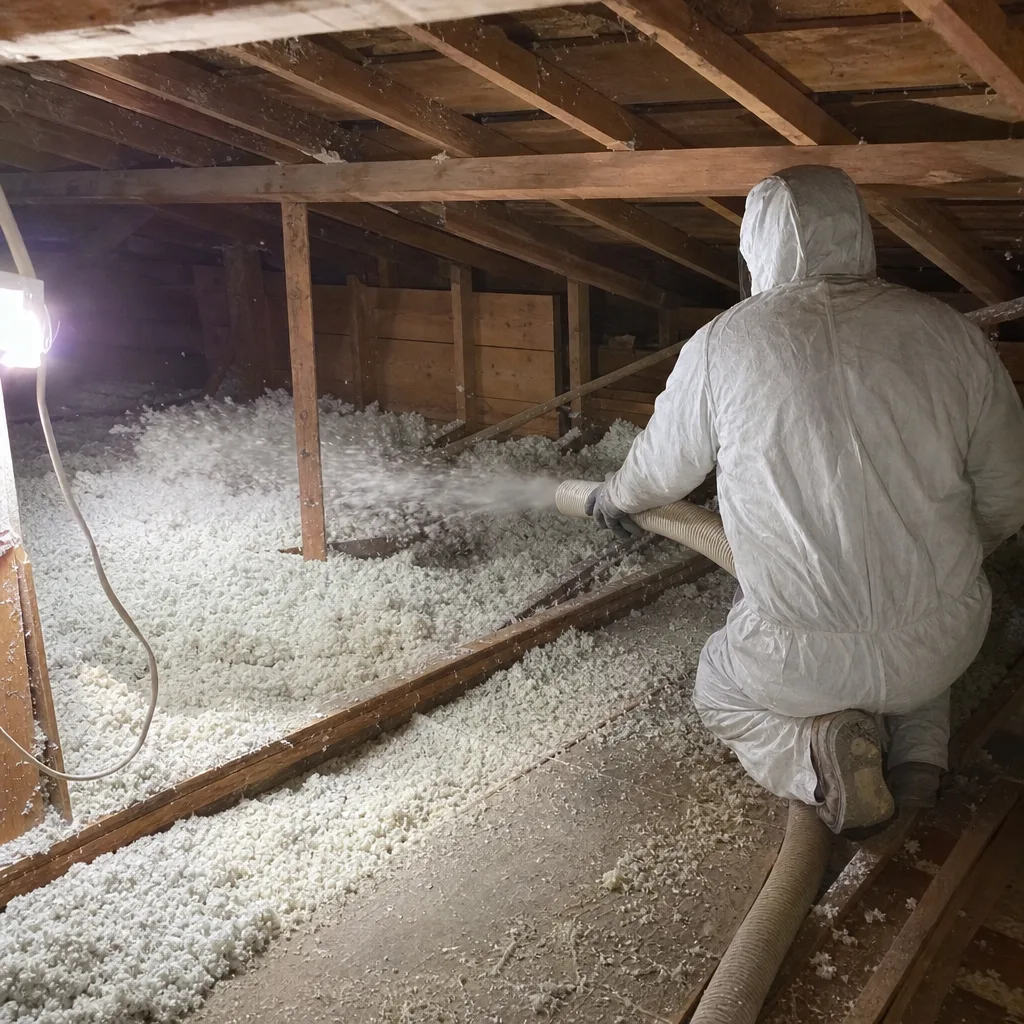
California’s Title 24, Part 6 (the Building Energy Efficiency Standards) sets minimum R-value requirements for insulation work. For attic insulation in Climate Zone 3 – which covers Menlo Park – the minimum is R-38 for attic floors in conditioned homes. Roof deck applications creating a conditioned attic have their own assembly requirements depending on whether the assembly is vented or unvented.
For permit purposes: replacing or adding insulation in an existing home typically does not require a building permit in Menlo Park unless the work is part of a larger permitted project. However, if your project involves any electrical work (recessed light replacement, for instance, which is common during can-light air sealing), a permit may be required. We scope this accurately in the written estimate – we don’t proceed on work that should be permitted as though it doesn’t need to be.
What a Completed Spray Foam Job Looks Like – and What You Receive
Before the crew leaves, here’s what a completed Envelope Insulation Co. job includes on a Menlo Park spray foam project:
- A Documented Photo Record of the before and after conditions – attic floor, air sealing points, foam application depth. This is included on every job, not available on request.
- Before-and-after blower-door readings on every applicable job – CFM50 before air sealing and after, so you have a documented, verifiable measurement of the performance change.
- The written scope completed as-built, with foam type, thickness, and square footage documented.
- The 365-Day Done Right Promise in writing – if it’s not done right, we make it right, for a full year from completion date.
- Written warranty documentation delivered before the crew leaves the property.
That’s what “done” looks like before anyone loads equipment back into the truck.
FAQs – Spray Foam Insulation Cost in Menlo Park
How much does spray foam insulation cost per square foot in Menlo Park?
Installed spray foam in Menlo Park costs $1.00-$1.50 per board foot for open-cell and $2.00-$3.50 per board foot for closed-cell, with Bay Area labor rates accounting for the higher end of national ranges. A board foot is one square foot at one inch of thickness – so a 1,000 sq ft attic floor at 10 inches of open-cell equals 10,000 board feet, putting material and labor between $10,000 and $15,000 at that depth. Most Menlo Park attic floors land in the $1,200-$2,800 range because the area being foamed is smaller than the full home footprint. Call (510) 876-4113 for a written estimate specific to your home’s measurements – the assessment and estimate are free.
Is spray foam worth the cost compared to blown-in insulation in Menlo Park?
For attic floors in most Menlo Park homes, blown-in insulation costs $0.80-$1.40 per square foot installed versus $1.00-$1.50 per board foot for open-cell spray foam. Spray foam’s advantage is that it seals and insulates simultaneously in certain applications – particularly rim joists, roof decks, and crawl space walls where a vapor retarder function matters. On a flat attic floor where air sealing is completed separately first (as it should be), blown-in fiberglass or cellulose often performs comparably to open-cell foam at lower cost. The right answer depends on the application and the existing condition of the attic, which is why the written scope comes before any commitment.
How long does spray foam insulation last in Menlo Park’s climate?
Properly installed closed-cell spray foam has a functional life of 80+ years in a protected attic or crawl space environment. Open-cell foam is slightly less durable in UV-exposed conditions but performs the same in enclosed assemblies. Menlo Park’s mild, relatively dry climate – even with marine layer influence – is not particularly hard on spray foam compared to freeze-thaw cycling climates. The more meaningful durability factor is whether the foam was installed over a sealed substrate; foam applied over unseal air leakage points doesn’t degrade faster, but it doesn’t perform as designed either.
Can spray foam insulation lower my energy bills in Menlo Park?
Yes, measurably – but the savings depend on how leaky the envelope was before work started. In Menlo Park homes where the pre-job blower-door test reads above 3,000 CFM50, combining air sealing with spray foam insulation has produced post-job readings below 1,500 CFM50 on jobs we’ve completed in this market. That kind of leakage reduction typically translates to noticeable heating and cooling cost reductions, particularly on homes where the furnace or air handler is located in the attic. The before-and-after blower-door readings we publish on every applicable job let you see the performance change in a documented number rather than an estimate.
Do I need a permit for spray foam insulation in Menlo Park, CA?
For most standalone insulation replacements or additions in existing homes, Menlo Park does not require a building permit. Exceptions include work tied to a permitted renovation, any structural changes, or electrical work done in conjunction with air sealing (such as replacing recessed light fixtures). If your job requires a permit, that’s stated in the written scope before work starts – we don’t treat it as a surprise discovered after the fact.
How long does a spray foam insulation job take in Menlo Park?
A typical attic floor application on a 1,200-1,800 sq ft Menlo Park home takes one to two days: air sealing is completed on day one (top plates, can lights, penetrations), and foam is applied on day two after the sealant cures. Larger jobs – roof deck applications, combined attic and crawl space projects – run two to three days. The written scope you receive before work starts includes the scheduled timeline, so you know what to expect before the crew arrives.
Why Menlo Park Homeowners Choose Envelope Insulation Co.
The answer isn’t tenure or slogans. Since 2016, Wes Okafor and the Envelope Insulation Co. team have completed work in over 9,000 homes across the Bay Area, every one with a written price before work started and a documented record when the crew left. In Menlo Park specifically, the homes we see most often are raised-foundation ranches and two-story homes built before 1980 – properties that typically have some combination of deteriorated batt insulation, unsealed can lights, and no vapor barrier in the crawl space. Fixing one of those without the others is a common mistake we don’t make.
The Spray Foam Insulation in Menlo Park service page covers the full scope of what we offer in this market, including the specific applications we see most in this zip code. And if you want to understand how spray foam fits into a whole-home approach to energy performance, the home page lays out the full building envelope service line.
The Haven Standard applies to every job: written price before any work starts, documented photo record when we leave, before-and-after blower-door numbers on applicable jobs, and a 365-Day Done Right Promise in writing. Background-checked, uniformed technicians. A live person on the phone when you call – no voicemail queue, no callback window.
Get Your Written Estimate for Spray Foam Insulation in Menlo Park
If you’re ready for a written price – not a ballpark, a line-by-line scope with foam type, thickness, and square footage documented before anyone starts – call (510) 876-4113. The estimate is free. If you have a competing written quote, bring it. We’ll read it with you line by line under the Haven Standard free second opinion offer.
Work starts when you’ve approved the written price. Not before.
Written by Wes Okafor, Owner at Envelope Insulation Co. (operating as Topside Attic Insulation Menlo Park), serving Menlo Park since 2016. Pricing reflects the Menlo Park market as of 2026. Topside Attic Insulation Menlo Park offers free estimates – call (510) 876-4113.
What Our Customers Say
"They photographed rodent damage in the old insulation that we had no idea about, and priced the exclusion work separately so we could decide."
- Harriet N."Two other companies quoted to blow more insulation on top of what was there. These were the only ones who said the existing material had to come out first, and explained why."
- Clifford E."Turned up on time, protected the hallway, and the written scope matched what was actually done."
- Bruno S.