
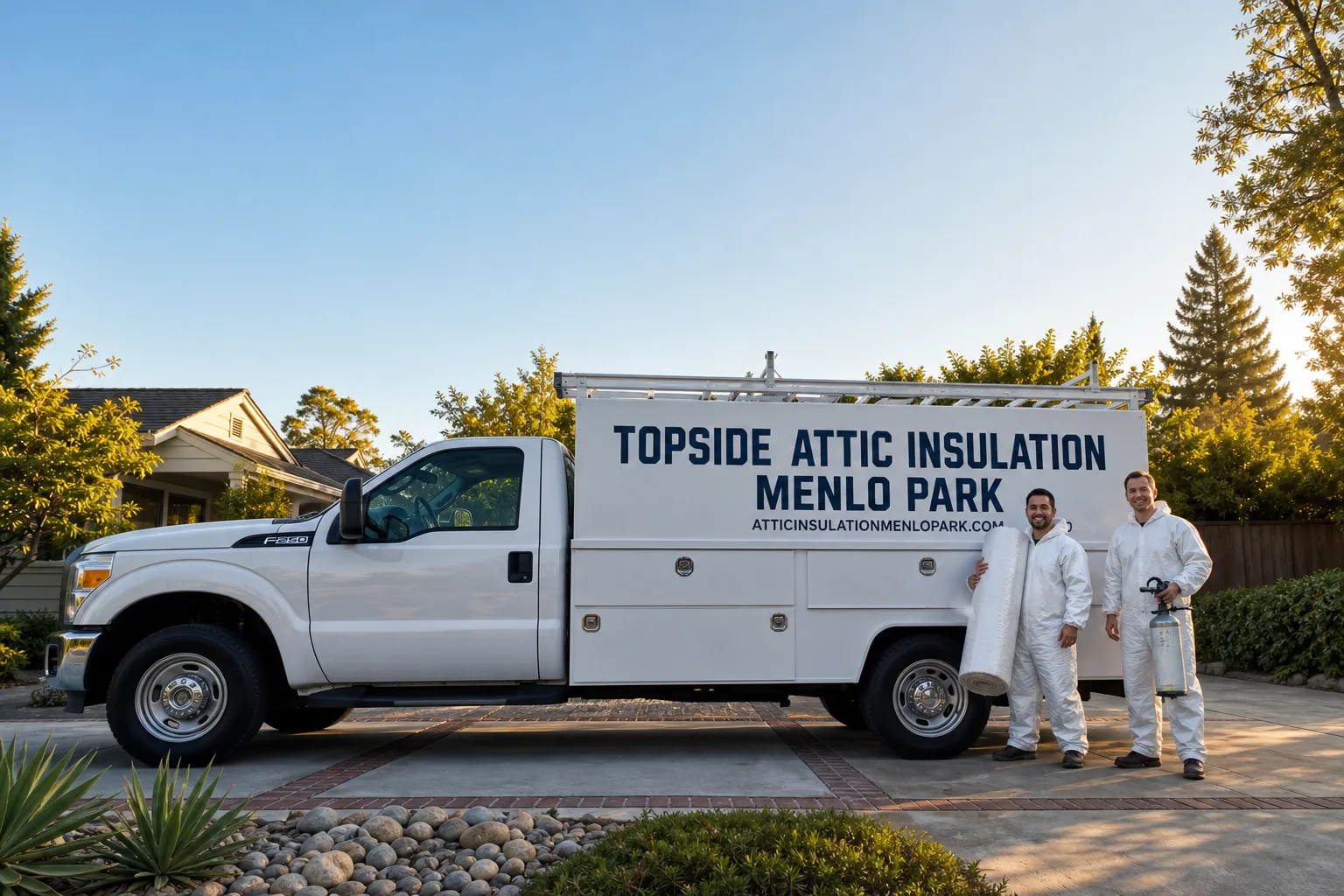
How Much Does Blown-In Insulation Cost in Menlo Park?
Blown-In Insulation services in Menlo Park, CA typically run $1,800 to $4,200 for a standard attic in a single-family home, with most jobs falling between $2,200 and $3,400 depending on square footage, current insulation condition, and whether air sealing is done first. Homes in older Menlo Park neighborhoods like Allied Arts and the Willows often land at the higher end because of irregular framing, older penetrations, and the additional prep work those structures require.
That range assumes blown-in cellulose or fiberglass to a finished depth of R-38 to R-49 – the range most energy consultants target for Peninsula climates. If your attic currently has little or no insulation and the hatch, top plates, and recessed lights haven’t been air-sealed, the total cost will reflect that additional work. At Envelope Insulation Co., led by Wes Okafor, we don’t blow material over unsealed gaps – air sealing is completed first, every time, because skipping it means the insulation itself underperforms from day one.
For a free, written price before any work starts, call (510) 876-4113. No work begins without a written scope – that’s Haven Standard Clause 1, and it doesn’t have an exception.
Blown-In Insulation Cost Breakdown in Menlo Park (2026)
Blown-in insulation in Menlo Park costs between $1.20 and $2.80 per square foot installed, depending on material, depth, and job conditions. The table below reflects current Menlo Park market pricing for a typical single-family home with attic access – not a national average pulled from a cost aggregator.
| Scope of Work | Typical Menlo Park Range (2026) |
|---|---|
| Blown-in cellulose, attic only (1,000 sq ft, R-38) | $1,400 – $1,900 |
| Blown-in cellulose, attic only (1,500 sq ft, R-38) | $1,900 – $2,600 |
| Blown-in cellulose, attic only (2,000 sq ft, R-49) | $2,600 – $3,600 |
| Blown-in fiberglass, attic only (1,500 sq ft, R-38) | $2,100 – $2,900 |
| Blown-in fiberglass, attic only (2,000 sq ft, R-49) | $2,900 – $4,000 |
| Attic air sealing (top plates, penetrations, can lights) | $600 – $1,200 |
| Old insulation removal before re-insulating | $800 – $2,000 |
| Blown-in wall insulation (existing walls, drill-and-fill) | $1,800 – $3,800 |
| Full attic package (air seal + blown-in + blower-door test) | $2,800 – $5,200 |
What the Numbers Actually Mean for a Menlo Park Home
A 1950s ranch in the Allied Arts neighborhood with a 1,200 sq ft attic footprint, no existing insulation, and three decades of penetrations through the top plate is a different job from a 2010 townhome in Willows with a small, clean attic and modern construction. The first job requires air sealing work that might run two hours before a single bag of cellulose is loaded into the blower; the second might take half that time. Both jobs get a written price before work starts – the preparation time is part of the scope, not a surprise line item on the invoice.
Material choice also moves the number. Blown-in cellulose – made primarily from recycled newsprint and treated with borate for fire and pest resistance – runs slightly less per bag than blown-in fiberglass and is what Wes Okafor and the Envelope team specify most often in Menlo Park attics. Both materials come from manufacturers including Owens Corning, Johns Manville, GreenFiber, and Knauf, depending on what the job calls for. There’s no product lock-in; the material gets selected based on the specific attic, not the supplier relationship.
Fiberglass blown-in does have a narrower settling range and a slightly higher R-value per inch, which can matter in attics with limited headroom. In homes near the Caltrain corridor or El Camino Real where HVAC noise enters through the ceiling plane, adding extra depth of cellulose also helps with sound attenuation – not a primary reason to insulate, but a real side benefit homeowners in those blocks notice.
Why Menlo Park Pricing Runs Higher Than National Averages
National cost guides frequently cite blown-in insulation at $0.80 to $1.50 per square foot. Those numbers reflect labor markets in lower-cost metro areas. Menlo Park sits in San Mateo County, where labor rates, disposal fees, and truck operating costs all run higher than the national midpoint. Permit requirements for insulation work vary by project scope and homeowner status – some homeowner-permitted jobs on the Peninsula still require a final inspection that adds scheduling time. When we price a Menlo Park job, those costs are already in the written scope. Nothing is added later.
If you’ve received a written estimate from another contractor, we’ll read it with you at no charge – that’s the Free Second Opinion we offer under the Haven Standard. Sometimes competing scopes are comparable. Sometimes there’s a line item missing that would show up as a surprise charge. Either way, you’ll know before you decide.
What Affects Blown-In Insulation Pricing in Menlo Park
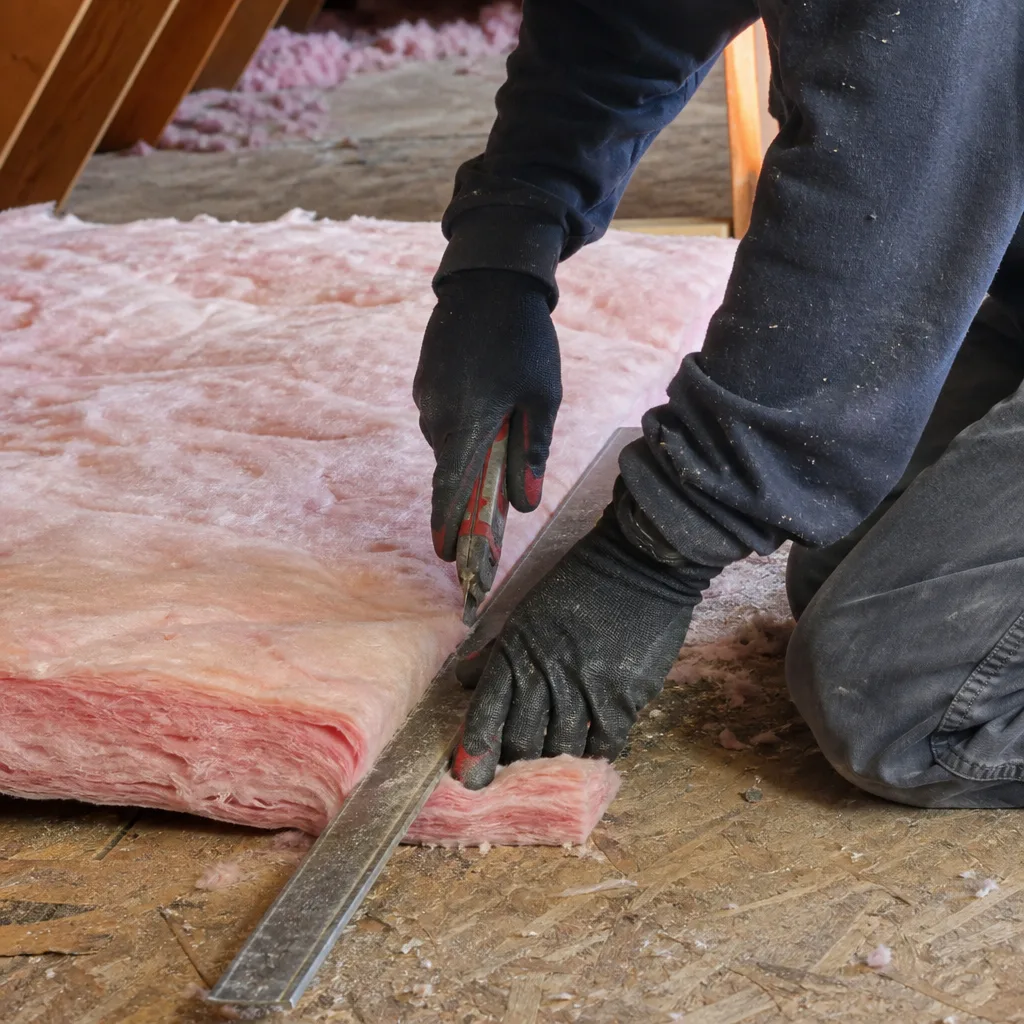
Six factors consistently move the final number on a Menlo Park blown-in insulation job. Understanding them before you request a quote puts you in a better position to evaluate what you’re being asked to pay for.
- Attic square footage and access: More floor area means more material and more blowing time. Access also matters – a full-size hatch in a central hallway is a different setup than a 22-inch scuttle in a closet corner. Tight access slows the crew and requires additional staging. Homes in Menlo Park’s older sections, particularly around Felton Gables and the historic districts near Ravenswood, frequently have low-pitch rooflines that limit working height and add crew time.
- Current insulation depth and condition: If existing insulation is intact and at or above R-19, topping off to R-49 is straightforward. If it’s compacted, rodent-damaged, or contaminated with vermiculite or old fiberglass batting that’s lost its loft, removal and disposal come first. Insulation removal in Menlo Park runs $800 to $2,000 depending on volume and contamination. We document the before condition with photos – it’s part of every visit, not an option.
- Air sealing requirements: Blowing insulation without sealing the top plates, penetrations, recessed can lights, and attic hatch first is like insulating over a colander. The air sealing step – completed before any material is blown – typically adds $600 to $1,200 to a Menlo Park attic job but is the part of the work that the blower-door test actually measures. Skipping it leaves the bigger efficiency gain on the table.
- Target R-value: California’s Title 24 sets minimum standards, but the optimal R-value for a Menlo Park home sits between R-38 and R-49 for attics. The Peninsula climate is mild but can swing 35 to 45 degrees between a January night and a September afternoon, and attics in this climate also have to manage summer radiant gain from roof decks. Hitting R-49 requires more material than R-38, which adds to the bag count and total cost – usually $200 to $500 on a mid-size attic.
- Material type – cellulose versus fiberglass: Cellulose runs about 10 to 15 percent less per bag than blown-in fiberglass and settles slightly more over time, which is why we specify installed depth with a settling buffer built in. Fiberglass blown-in maintains its thickness better and is sometimes preferable in attics with HVAC equipment where moisture exposure is possible. Neither material is universally better – it depends on the specific attic.
- Blown-in wall insulation: If the scope includes existing walls rather than just the attic, a drill-and-fill approach – small holes drilled into each stud bay, material blown in, holes patched – adds $1,800 to $3,800 to the project depending on wall linear footage and finish type. This is more common in Menlo Park’s 1940s and 1950s construction stock, where walls often have minimal or no insulation and energy bills reflect it.
One factor that doesn’t move the price at Envelope Insulation Co.: how the quote conversation went. The written price you receive is the price – not a starting point for negotiation after the crew arrives.
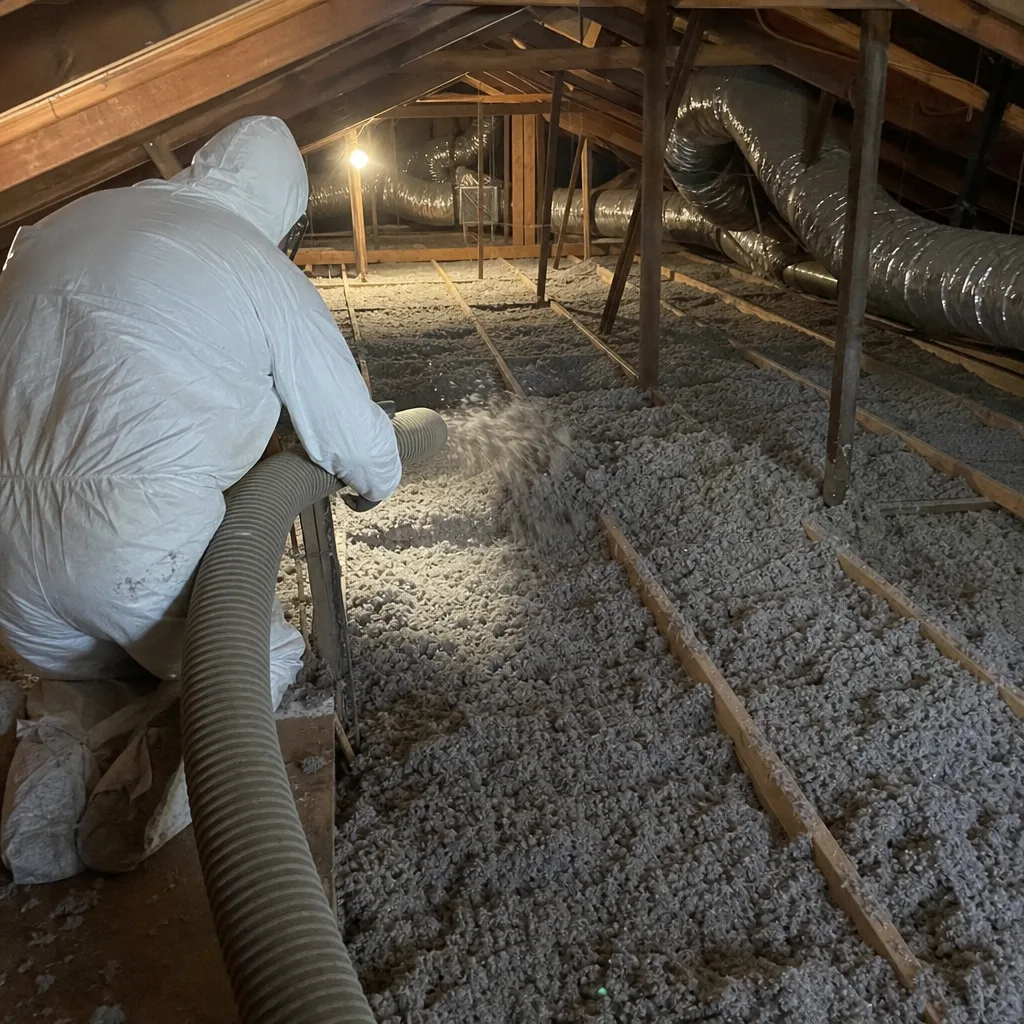
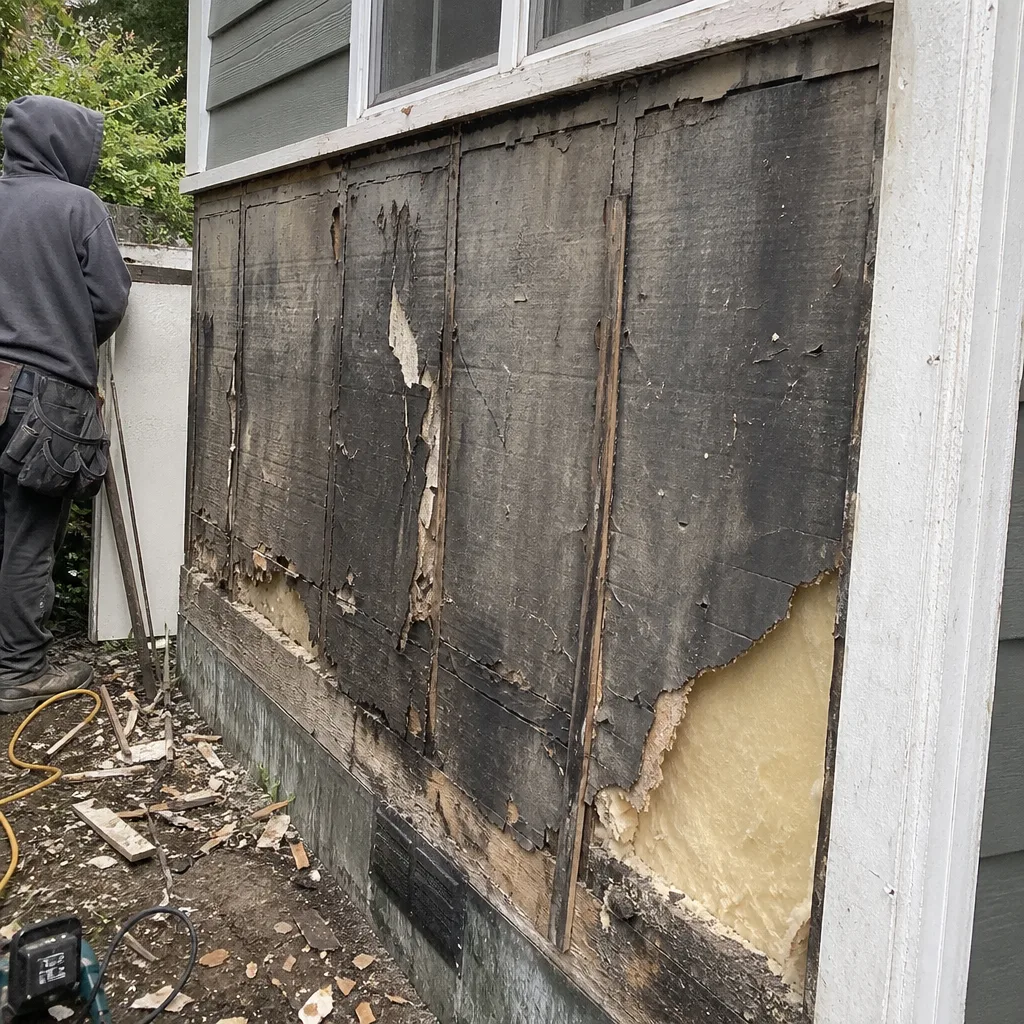 Before
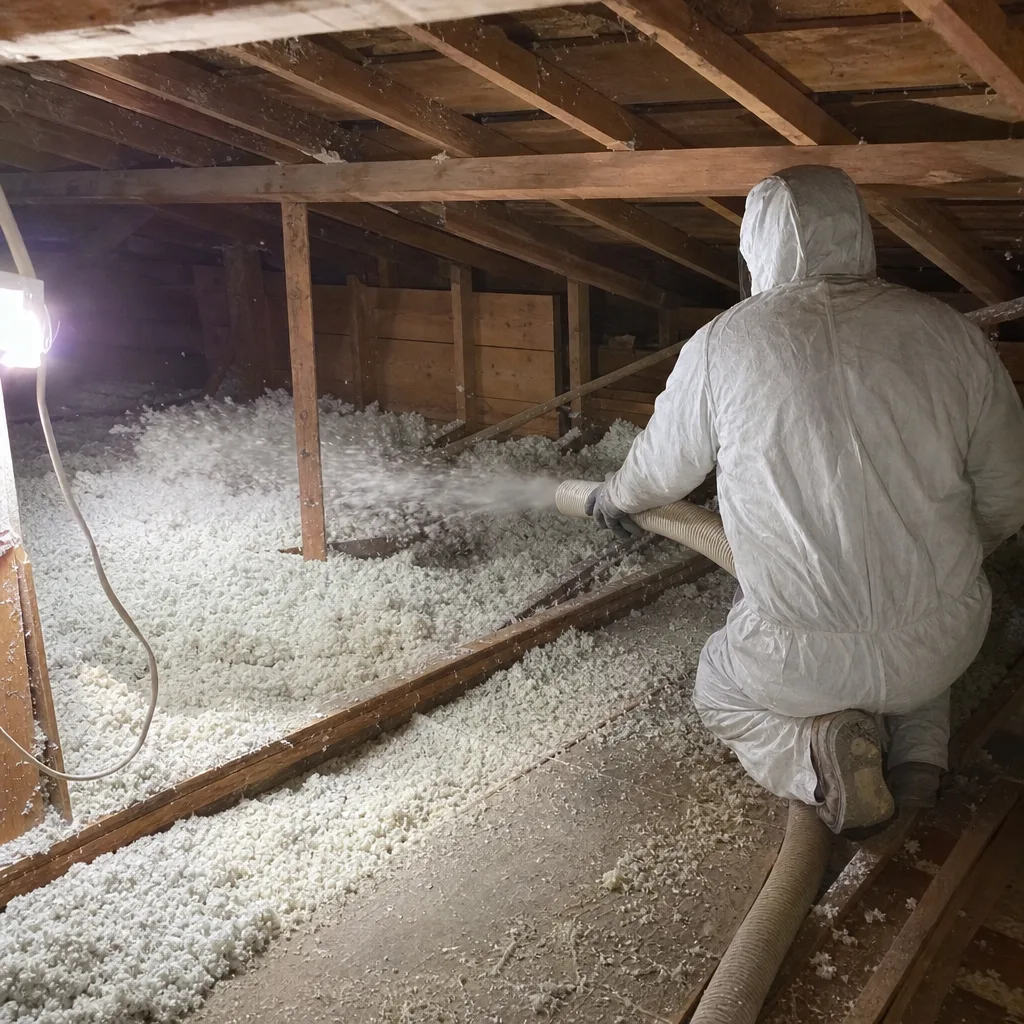
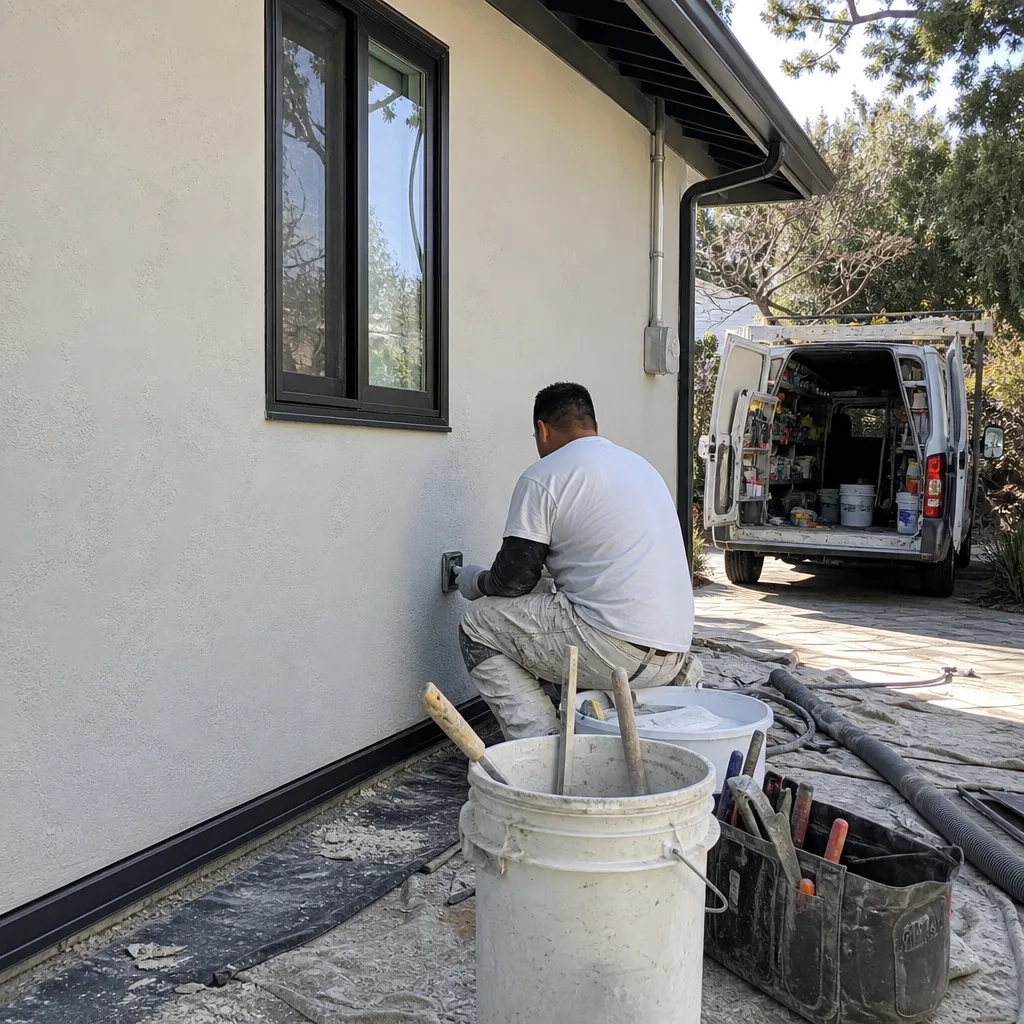 After
AfterHow to Save on Blown-In Insulation in Menlo Park
Start With the Utility Rebate Programs Available Right Now
PG&E’s Energy Upgrade California program offers rebates for qualifying insulation upgrades, and San Mateo County occasionally runs co-funded efficiency programs that reduce out-of-pocket costs further. The rebate amounts shift annually, but as of 2026, attic insulation upgrades that include air sealing commonly qualify for $200 to $600 in rebates through PG&E’s residential programs. Before your job is scheduled, ask specifically which rebates the scope qualifies for – some require a pre-job audit or a specific contractor submission process.
The federal energy efficiency tax credit under current IRS guidelines (25C) allows homeowners to claim up to 30 percent of insulation costs (including air sealing) up to a $1,200 annual limit. That’s not a rebate – it reduces your federal tax liability dollar for dollar. Talk to your tax preparer about eligibility, but for most Menlo Park homeowners who itemize, this is real money back.
Bundle the Air Sealing and Insulation Into One Visit
Getting air sealing done first and insulation done in a separate visit costs more in mobilization than doing both in a single crew day. When the scope is written to include both, the total is always lower than two separate line items from two visits. On a 1,500 sq ft attic, bundling typically saves $300 to $600 compared to scheduling them independently. This is also the correct sequence – air sealing completed before insulation is blown – so the schedule matches the technical order of operations.
Avoid Over-Specifying R-Value Beyond What the Structure Can Hold
There is a point of diminishing returns on R-value in a mild climate like Menlo Park’s. Going from R-19 (where many 1960s homes sit) to R-38 is a significant efficiency jump. Going from R-38 to R-60 recovers much less energy in proportion to the added material cost. A blower-door test – a pressurization reading that shows, in one number, how much air the building envelope is losing – gives you more useful information about where the real losses are than adding two more inches of blown cellulose ever will. We include blower-door readings on applicable jobs; they’re in the Documented Photo Record you receive when the crew leaves.
Get the Second Opinion on Any Written Estimate
If you’ve already received a quote and something in it doesn’t add up – the R-value specified is lower than expected, the air sealing line item is missing, or the material isn’t identified by brand – bring it to us. The Free Second Opinion covers a full read-through of any competing written estimate at no cost and no obligation. It’s offered because homeowners who understand their quotes make better decisions, and a contractor confident in their own pricing doesn’t need the other guy’s quote to disappear before the customer thinks about it.
To request a free written estimate for your Menlo Park home or to bring in a competing quote for a second opinion, call (510) 876-4113. A live person answers – no voicemail, no callback window.
Don’t Delay If Your Attic Has No Insulation
In Menlo Park’s climate, an uninsulated attic doesn’t just cost money in monthly heating and cooling bills – it accelerates HVAC cycling, which shortens equipment life. A system working harder than it needs to on a September afternoon in East Palo Alto-adjacent neighborhoods where the heat index runs several degrees higher than coastal Menlo Park is a system replacing itself sooner. The insulation job pays for itself, and the calculation is straightforward once you have actual energy bills in hand.
For more detail on the full service and what a typical attic job looks like from start to finish, see our Blown-In Insulation in Menlo Park service page.
FAQs – Blown-In Insulation Cost in Menlo Park
How much does blown-in insulation cost per square foot in Menlo Park?
Blown-in insulation in Menlo Park runs $1.20 to $2.80 per square foot installed, depending on material (cellulose vs. fiberglass), target R-value, and whether air sealing is included in the scope. That range is for attic work on a standard single-family home. Blown-in wall insulation using a drill-and-fill method runs higher – typically $2.50 to $4.50 per square foot of wall area – because of the additional labor for drilling, filling, and patching each stud bay. For an exact written price specific to your home’s square footage and condition, call (510) 876-4113.
Is it cheaper to use cellulose or fiberglass blown-in insulation?
Cellulose blown-in insulation is typically 10 to 15 percent less expensive per bag than blown-in fiberglass, and it’s the material Wes Okafor specifies most often for Menlo Park attics. On a 1,500 sq ft attic taken to R-38, the material cost difference between cellulose and fiberglass is usually $150 to $300. The better question isn’t which is cheaper but which is right for the specific attic – fiberglass performs better in attics with higher humidity exposure or where the blown-in material will be near HVAC equipment. We source from Owens Corning, Johns Manville, GreenFiber, and Knauf and select based on job conditions, not supplier preference.
Does blown-in insulation cost include air sealing?
Not always – and this is the most important line item to check on any competing quote. Air sealing (the process of closing top plates, recessed can light penetrations, plumbing and electrical chases, and the attic hatch before insulation is blown) typically adds $600 to $1,200 to a Menlo Park attic job but is the step that controls how the insulation performs. At Envelope Insulation Co., air sealing is completed before any insulation is blown – it’s not an upsell, it’s the prerequisite. If a quote you’re looking at doesn’t have an air sealing line item, ask what the reasoning is before signing it. A blower-door test – the before-and-after pressurization reading that measures actual envelope performance – will show exactly how much that step mattered.
How long does blown-in insulation last in a Menlo Park home?
Blown-in cellulose and fiberglass insulation in a properly air-sealed attic should maintain useful performance for 20 to 30 years under normal conditions. The Peninsula climate is relatively gentle compared to high-humidity or freeze-thaw climates, which helps material longevity. The main causes of premature degradation in Menlo Park attics are rodent activity (which displaces and contaminates material), roof leaks that saturate the insulation, and original installation at insufficient depth. The Documented Photo Record you receive after the job establishes a baseline – if you ever question the condition years later, you have the installed depth on record.
Are there rebates or tax credits for blown-in insulation in Menlo Park?
Yes. As of 2026, PG&E’s Energy Upgrade California program offers rebates of $200 to $600 for qualifying attic insulation upgrades that include air sealing. Separately, the federal 25C tax credit allows homeowners to claim 30 percent of insulation and air sealing costs up to a $1,200 annual cap – that’s a direct reduction in federal tax liability, not a deduction. Actual eligibility depends on your tax situation and the specific scope of work, so confirm with your tax preparer. The rebate programs have specific submission requirements, and we can advise on which steps need to be completed before the job starts to preserve eligibility.
Can blown-in insulation be added over existing insulation in Menlo Park?
In most cases, yes – existing insulation that’s intact, uncontaminated, and above roughly R-11 can be topped off with new blown-in material to reach the target depth. The cost is lower than a full removal-and-replacement because the disposal step is removed from the scope. However, if the existing material is contaminated (rodent droppings, mold, or old vermiculite), saturated from a past roof leak, or so compacted that it reads below R-7 on a probe, removal is the correct starting point. We assess and document the existing condition as part of the initial scope review – you’ll see the photos and know what was found before any decision is made.
Why the Sequence Matters: Air Seal First, Then Insulate
This is the part most insulation quotes don’t explain, and it’s worth reading if you’re comparing prices between contractors.
Blown-in insulation reduces conductive heat transfer – the slow movement of heat through a solid material. What it does not stop is convective air movement: warm conditioned air migrating from your living space into the attic through gaps around top plates, recessed fixtures, plumbing penetrations, and attic hatches. In a 1960s home in Menlo Park’s Felton Gables neighborhood, those gaps can collectively represent several square feet of unimpeded opening – no amount of insulation depth corrects for that. The blower-door test, which pressurizes the building to 50 pascals and measures airflow in cubic feet per minute, makes that opening visible as a single number. We read that number before we start and again after the air sealing is complete. You leave with both readings in your Documented Photo Record so the performance change is on paper, not a verbal assurance.
On applicable Menlo Park jobs, the before reading commonly comes in between 2,800 and 5,500 CFM50 depending on the home’s age and construction type. After air sealing, that number typically drops 25 to 45 percent before a single bag of insulation has been blown. The insulation then does its job on top of an envelope that’s actually been addressed. That’s the sequence. It’s not a sales line – it’s the order in which physics works.
If you want to see the full scope of what Envelope Insulation Co. does across the building envelope in Menlo Park, the home page covers the complete service line. Since 2016 and across 9,000+ homes sealed and insulated, the written price and the documented record have been on every single job.
Key Takeaways: Blown-In Insulation Cost in Menlo Park
- Most Menlo Park attic blown-in jobs run $1,800 to $4,200 total, with the average mid-size home landing between $2,200 and $3,400.
- Air sealing adds $600 to $1,200 but is the step that makes the insulation perform – and the step the blower-door test actually measures.
- Cellulose blown-in is typically 10 to 15 percent less expensive than fiberglass blown-in per bag; material selection depends on attic conditions, not preference.
- PG&E rebates ($200-$600) and the federal 25C tax credit (up to 30%, capped at $1,200 annually) are available for qualifying projects.
- Every job from Envelope Insulation Co. starts with a written price before any work begins and closes with a Documented Photo Record including before-and-after blower-door readings on applicable jobs.
- The 365-Day Done Right Promise applies to all completed work – if it’s not right, we make it right, in writing.
Get a Free Written Estimate for Your Menlo Park Home
If you’re ready to know exactly what blown-in insulation will cost for your specific Menlo Park home, call (510) 876-4113. A live person answers every call. Wes Okafor and the Envelope team will put together a written price with a full scope before anyone arrives at your home – that’s not a policy we apply selectively, it’s the foundation of how every job runs. If you have a competing written estimate and want a second opinion on it, bring it. We’ll read through it with you at no cost and no obligation.
Under Haven Standard Clause 1: the price is written before the work starts. Always. No exceptions for job size, neighborhood, or complexity.
Pricing reflects the Menlo Park market as of 2026. Topside Attic Insulation Menlo Park offers free estimates – call (510) 876-4113.
Written by Wes Okafor, Owner at Envelope Insulation Co., serving Menlo Park, CA since 2016.
What Our Customers Say
"Crawl space encapsulation done properly. Photographs of the vapour barrier at every seam, and the damp smell in the hallway is gone."
- Ainsley P."They photographed rodent damage in the old insulation that we had no idea about, and priced the exclusion work separately so we could decide."
- Harriet N."Two other companies quoted to blow more insulation on top of what was there. These were the only ones who said the existing material had to come out first, and explained why."
- Clifford E.