
Owens Corning Attic Insulation: The Menlo Park Owner’s Guide
Most Owens Corning attic insulation installations in Menlo Park run between $2.80 and $4.20 per square foot installed, with typical whole-attic jobs landing between $3,200 and $5,800 depending on existing depth and air-sealing needs. We stock Owens Corning PINK Fiberglas blown-in insulation - both L77 loose-fill and PROPINK ComfortTherm batts - and can usually schedule installation within 48 hours. Homeowners usually discover their insulation is failing when PG&E bills spike during Menlo Park’s shoulder seasons, when the attic shouldn’t be working the HVAC hard at all.
Which Owens Corning Models This Applies To
Owens Corning labels their attic insulation by product line, not by “model” in the appliance sense, and the right match depends on what’s currently in your attic and what your target R-value needs to be.
The three lines we install in Menlo Park homes are:
- PROPINK L77 Loose-Fill - the blown-in fiberglass most common in Peninsula retrofits; rated at R-2.7 per inch, so you’re looking at roughly 15 inches for the R-38 minimum the California Energy Code now expects in Climate Zone 3.
- PROPINK High-R 70 - same material, higher density, for attics with limited vertical space where you need R-38 in 10 inches or less; costs more per bag but saves the headache of building up raised storage platforms.
- ComfortTherm Batts - faced batts for attic floors with regular joist spacing; the kraft facing goes down toward the conditioned space, never up against the roof deck.
Here’s the compatibility gotcha: Owens Corning’s L77 and High-R 70 are both fiberglass, but they have different settle rates. If your existing insulation is L77 at 12 inches and you top off with High-R 70, you’ll get an uneven thermal layer as the two products compact differently over the first two seasons. We check the existing product label - usually found on a bag remnant near the attic hatch or stamped on a batt edge - before specifying the match. We’re an independent service provider, not affiliated with Owens Corning, so we have no obligation to push one line over another.
OEM versus aftermarket: for blown-in fiberglass, there isn’t a meaningful “aftermarket.” The spec that matters is ASTM C764 compliance for loose-fill mineral fiber, which Owens Corning meets and so do Johns Manville, Knauf, and CertainTeed. We source from all four. The difference is bag consistency and dust load during installation, and in our experience Owens Corning’s L77 has the lowest airborne fiber count during blowing - a real consideration if your HVAC return is in the attic.
Signs Your Owens Corning Attic Insulation Is Failing
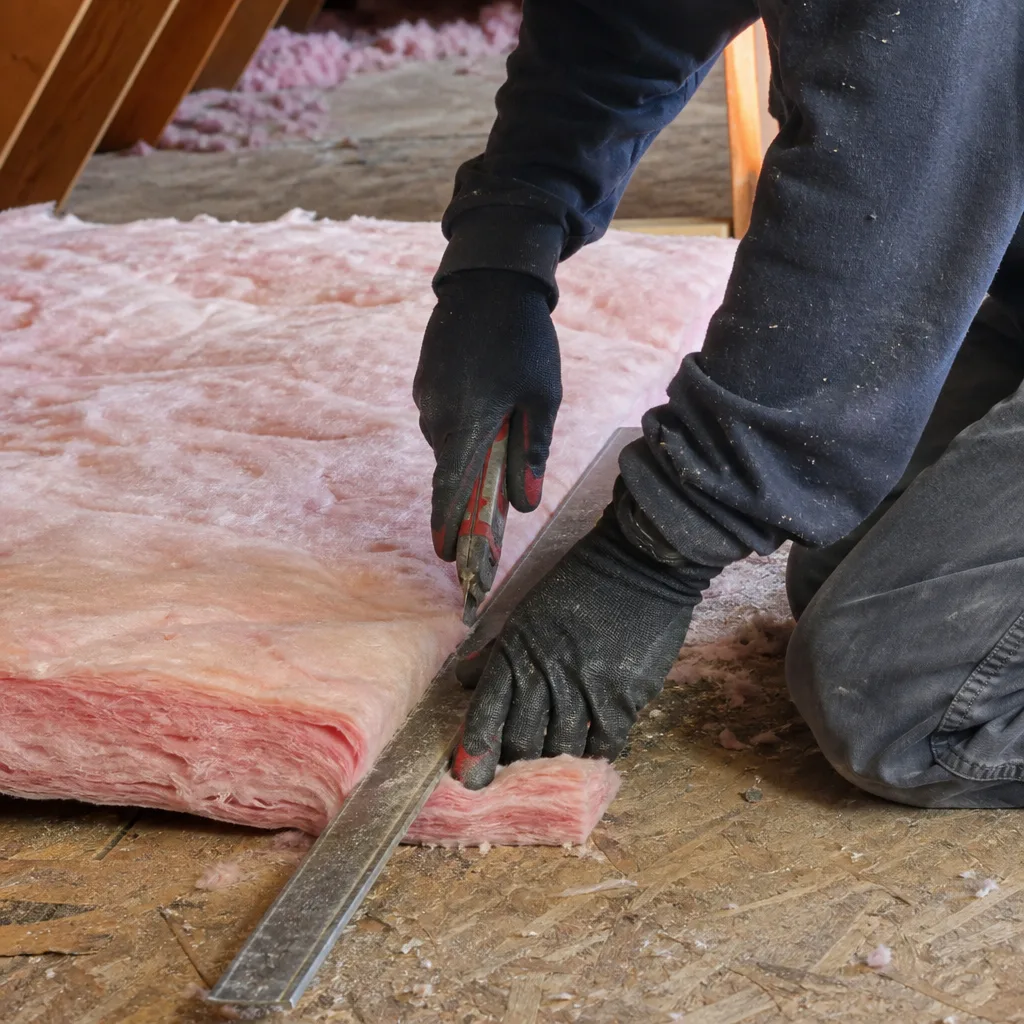
- Hot second-floor rooms in October. Menlo Park’s October days still hit 75°F, but nights drop to 50°F. If your upstairs is 8-12 degrees warmer than downstairs by 4 p.m., the insulation has likely settled below R-30 or was never installed to full depth. Heat is conducting through the ceiling faster than your AC can push against it.
- Ice-cold drywall on ceiling corners. This is almost never an insulation depth problem alone. It’s thermal bridging where the ceiling drywall meets the top plate, compounded by air leaks the insulation isn’t blocking. The Owens Corning product is fine; it’s sitting on top of a sieve.
- Insulation looks patchy or thin near eaves. Wind washing - outdoor air entering through soffit vents and scouring the fiberglass away from the edges - is common in Menlo Park’s older ranch homes with original vent chutes that collapsed. The R-value at the eave drops to near zero.
- Water stains on the ceiling after winter rains. Fiberglass doesn’t hold moisture, but it does let humid attic air reach the cold drywall. If your Owens Corning batts are compressed from storage boxes or walking boards, the reduced thickness creates cold spots where condensation forms.
- PG&E bills up 20% year-over-year with no rate change. We see this in Menlo Park’s 1950s-1970s stock after L77 has settled from 14 inches to 10 inches over 15-20 years. The product hasn’t failed chemically; it’s just gravity doing its work.
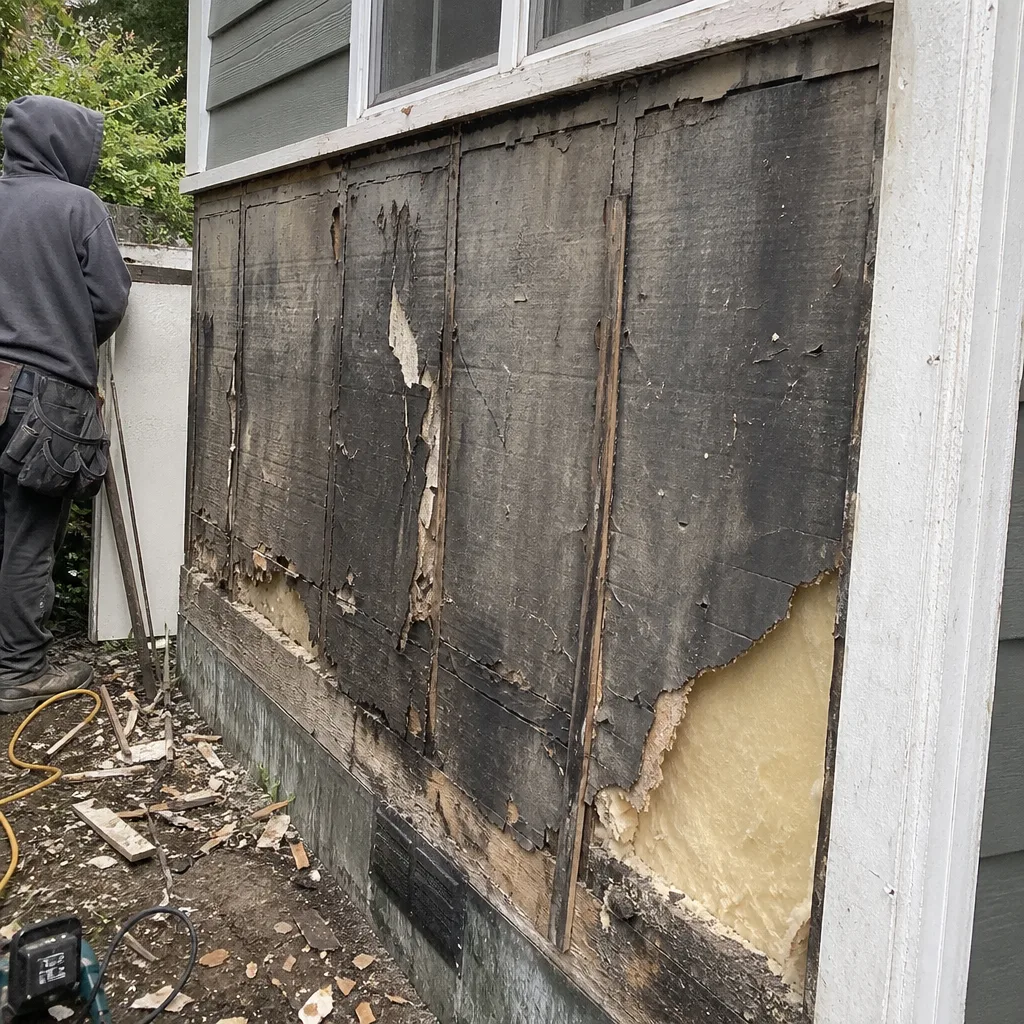 Before
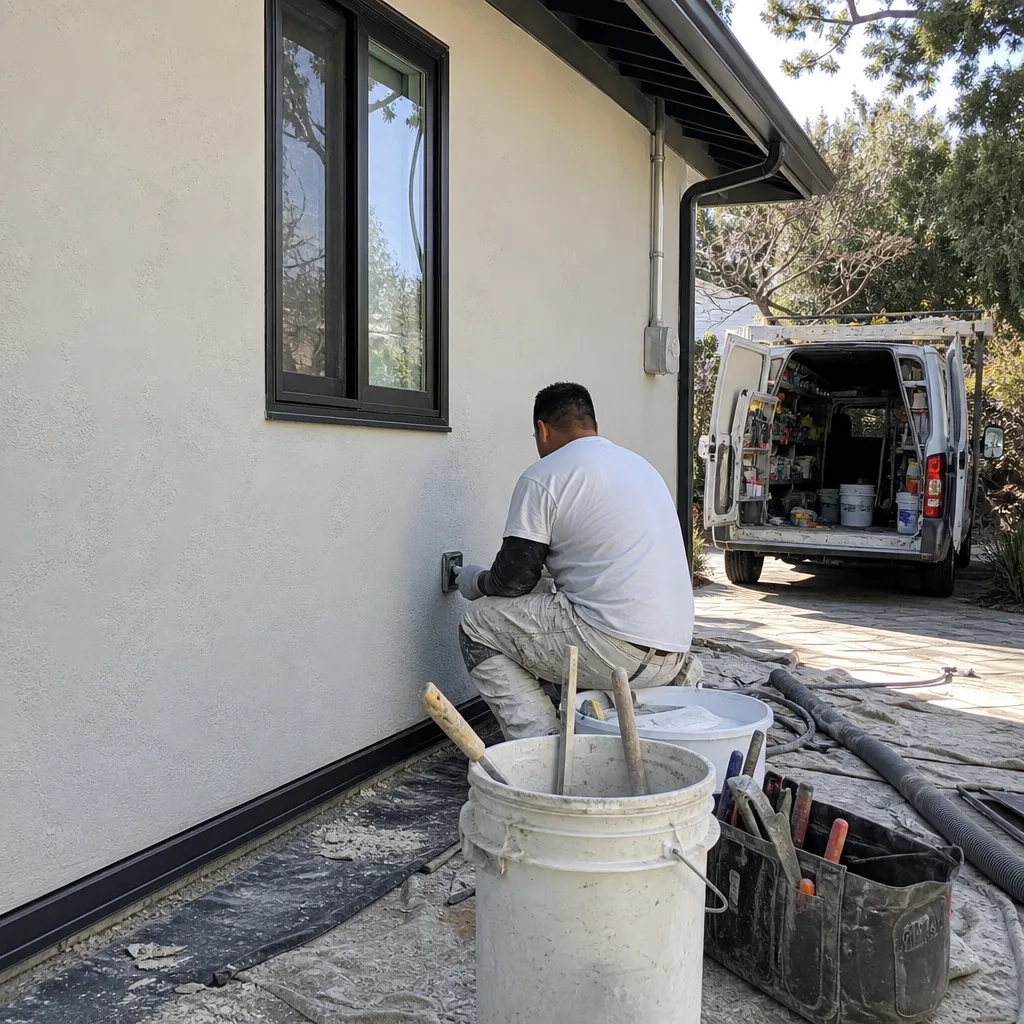 After
AfterReplacement Cost & What’s Included
| Scope | Price Range (Menlo Park) | What Drives the Variance |
|---|---|---|
| Additive top-off (existing R-19 to R-38) | $1,80 - $2,90 | Attic square footage, hatch accessibility, whether we need to extend baffles |
| Full removal + replacement with air sealing | $3,20 - $5,80 | Existing depth to remove, knob-and-tube wiring present, quantity of can lights to box and seal |
| Air sealing only (before new insulation) | $1,40 - $2,60 | Number of top plates, plumbing penetrations, chimney chases |
Every job gets a written price before any work starts - Haven Standard Clause 1. The price includes materials, labor, the blower-door test, and the Documented Photo Record. On applicable jobs, we hand you the before-and-after pressurization numbers in a printed report. The 365-Day Done Right Promise covers all completed work. We don’t charge separately for the blower-door test; it’s part of understanding whether the insulation will actually perform.
DIY or Call Us?
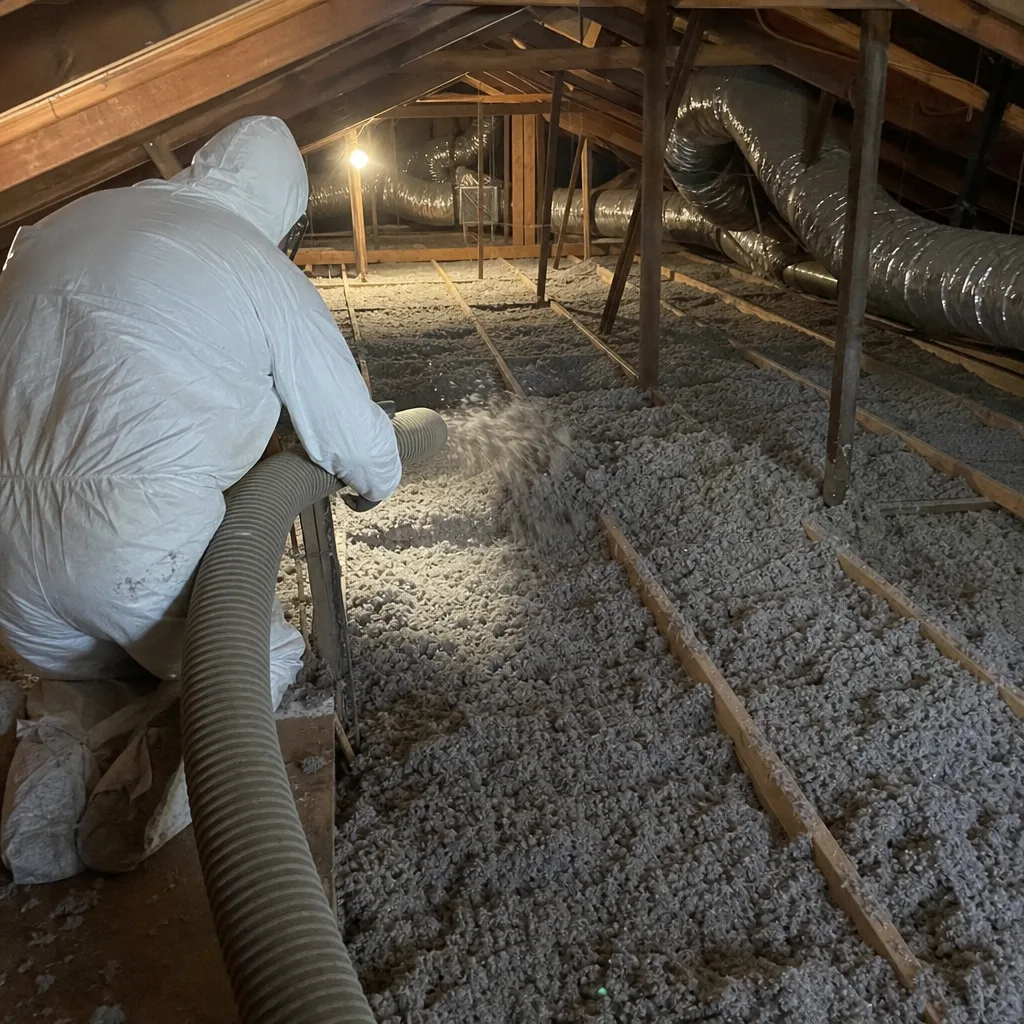
There’s nothing dangerous about handling fiberglass insulation itself - it’s itchy, not toxic - but the attic environment where it lives is where DIY goes wrong.
What you can safely check: lift the attic hatch on a cool morning and look at the insulation depth against the joists. If you can see the tops of 2×8 joists, you’re below R-25. Check for dark streaks on the fiberglass surface; that’s filtration staining from air moving through the material, not mold, and it means leaks exist above the insulation.
Where DIY fails: walking on drywall, compressing batts with storage platforms, blowing loose-fill unevenly, or insulating over unsealed can lights. We’ve pulled out homeowner-installed jobs in Menlo Park where the insulation was deep in the middle and bare at the eaves, creating a thermal funnel that actually increased heat loss. And if your home has knob-and-tube wiring - still present in pockets of the Allied Arts Guild neighborhood and parts of Suburban Park - insulating over it without an electrician’s sign-off violates California code and creates a real fire risk.
Seal the leaks first. The insulation has nowhere useful to go until you do. Call (510) 876-4113 and we’ll run the blower-door test, show you the numbers, and give you a written price before anyone lifts a tool.
FAQs
Fiberglass itself doesn’t degrade chemically; we’ve tested 30-year-old Owens Corning batts that still meet original R-value per inch. What fails is the installation: settling in loose-fill, compression from walking or storage, and wind washing at eaves. In Menlo Park’s mild marine climate - no freeze-thaw cycling, moderate humidity - the physical product lasts indefinitely, but you should expect to add depth or redistribute every 15-20 years. Call (510) 876-4113 for a free attic assessment and we’ll measure actual depth against labeled R-value.
Partial repair is often the right call. If the existing Owens Corning is dry, uncompressed, and evenly distributed, we air-seal the leaks and add a top layer of matched loose-fill to reach current code. Full removal is only necessary when the insulation is wet, rodent-contaminated, or so uneven that topping off would create thermal dams. We document the condition with photos before recommending either path. Bring us any competing quote; we offer a Free Second Opinion on any written estimate.
A standard additive job - air sealing plus blown-in top-off - takes one day for attics under 1,500 square feet. Full removal, sealing, and replacement runs two days: day one for removal and sealing, day two for blowing and the final blower-door test. We don’t rush the sealing phase; Wes Okafor has seen what rushed air-sealing looks like from the inside twelve months later. You’ll get a text when the crew is on the way and a named technician, not a rotating subcontractor.
We stock L77 and High-R 70 on our trucks and at our Peninsula warehouse, so there’s no material delay for standard jobs. ComfortTherm batts are ordered to joist spacing after we measure - 16-inch on-center versus 24-inch is a real compatibility issue in Menlo Park’s mixed housing stock, and we don’t guess. Most installations are scheduled within 48 hours of the initial assessment. Call (510) 876-4113 to book; a live person answers 24/7.
Written by Wes Okafor, Owner, Topside Attic Insulation Menlo Park at Topside Attic Insulation Menlo Park, serving Menlo Park and nearby areas.