
Owens Corning Radiant Barrier Installation: The Menlo Park Owner’s Guide
Owens Corning radiant barrier installation in Menlo Park typically runs $2,800-$4,200 for a standard 1,800-2,400 square foot attic, including air sealing, material, and labor. We stock Owens Corning-compatible radiant barrier rolls and tape on every truck, and most Menlo Park jobs start within 48 hours of the written price. Homeowners usually figure out something’s wrong when their upstairs bedrooms won’t cool below 78°F even with the AC running flat out, or when they climb into the attic in July and the radiant barrier they paid for five years ago is hanging in strips from the rafters.
Which Owens Corning Models This Applies To
Owens Corning doesn’t sell radiant barrier as a standalone branded system the way they sell PINK fiberglass batts. What we install in Menlo Park are Owens Corning-compatible radiant barrier products: typically double-sided aluminum foil laminates, kraft-faced foil, or their AtticCat blown-in system paired with a separate radiant barrier layer. The compatibility question isn’t model numbers - it’s what your attic already contains and whether the existing barrier was installed with proper emissivity ratings.
Here’s how to identify what you’ve got. Look for a stamp or edge print reading ASTM C1313 or ASTM C1224 - that’s the emissivity standard. Check the thickness: true radiant barrier is under 5 mils; anything thicker is reflective insulation, which changes how we layer it. The gotcha in Menlo Park’s older ranch homes, especially near the Allied Arts Guild neighborhood, is that pre-1980s attics often have a thin single-sided foil that was never meant to handle Peninsula summer attic temps pushing 140°F. We’ve pulled down barrier that delaminated in three years because it was rated for 120°F surface temperature. OEM-spec barrier from Owens Corning-compatible suppliers runs 0.03-0.05 emissivity; the aftermarket equivalent we carry is 0.04, which performs identically in blower-door-verified jobs but costs 15-20% less on material.
Signs Your Owens Corning Radiant Barrier Installation Is Failing
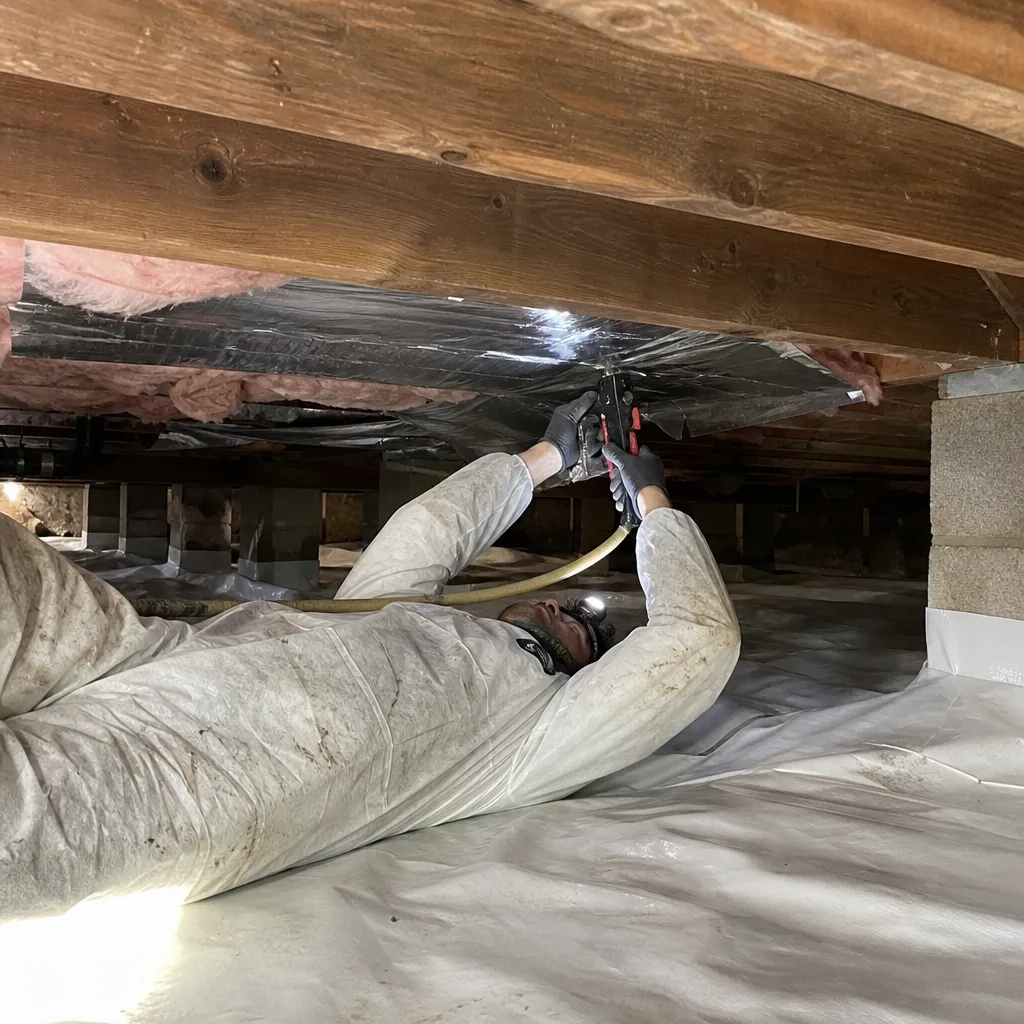
- Upstairs rooms stay hot past 10 p.m. The barrier’s reflective surface has oxidized or collected dust, dropping its reflectivity below 0.75. Once that happens, it’s absorbing and re-radiating heat instead of bouncing it back toward the roof deck.
- Visible sagging, tearing, or detachment from rafters. Staple failure is common in Menlo Park where coastal morning moisture swells the rafter wood, then afternoon attic heat dries it fast. The staple pops, the foil drapes, and airflow behind the barrier kills its performance.
- Hot spots on your ceiling in a thermal camera image. Or even without one - walk barefoot upstairs at 3 p.m. and feel for warm strips between joists. That’s radiant heat penetrating where the barrier has gaps or degraded.
- Your AC runs 20-30% longer than when the barrier was new. We see this in Menlo Park homes built 2015-2020 with original builder-grade barrier. The product was often single-sided, unperforated, and trapped moisture that corroded the aluminum.
- Musty attic smell after the first warm week. Perforated barrier lets moisture escape; when installers used non-perforated foil or taped over the perforations, condensation builds against the roof deck and the adhesive fails.
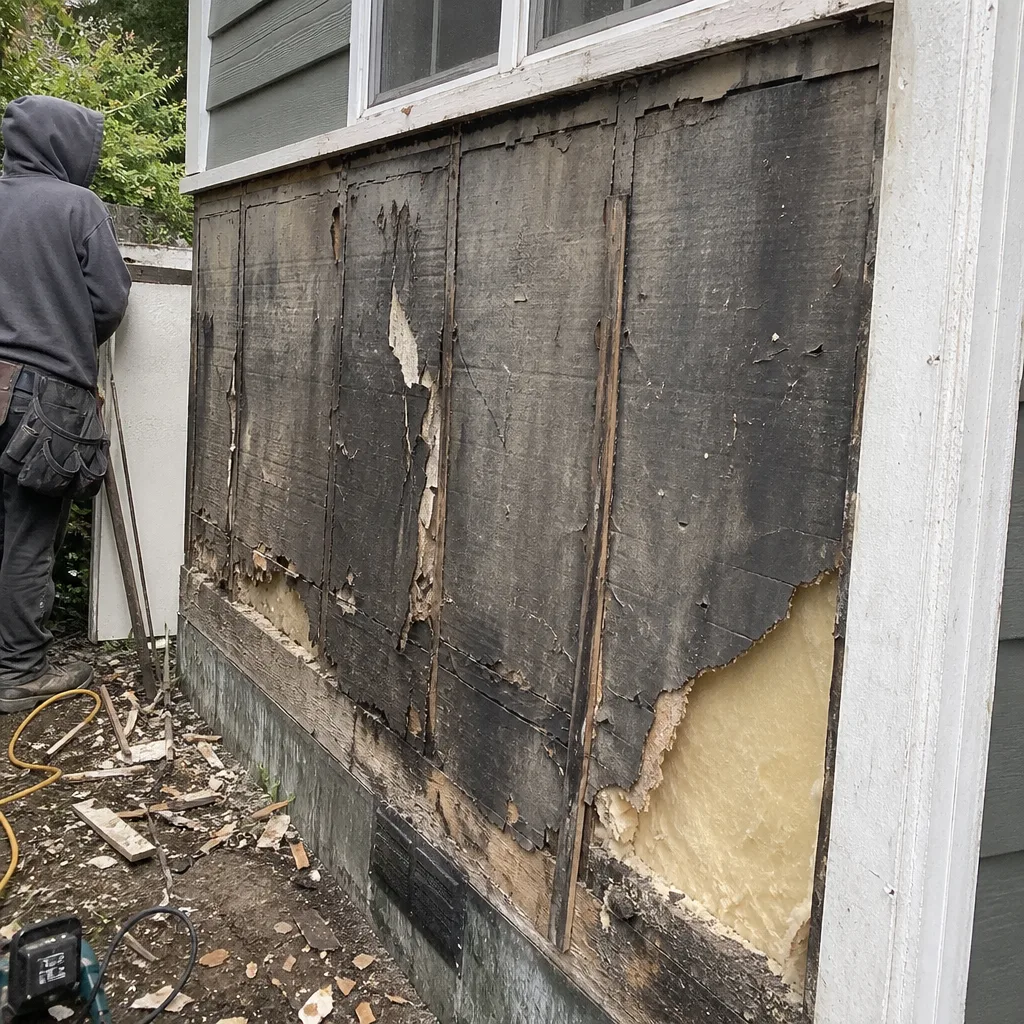 Before
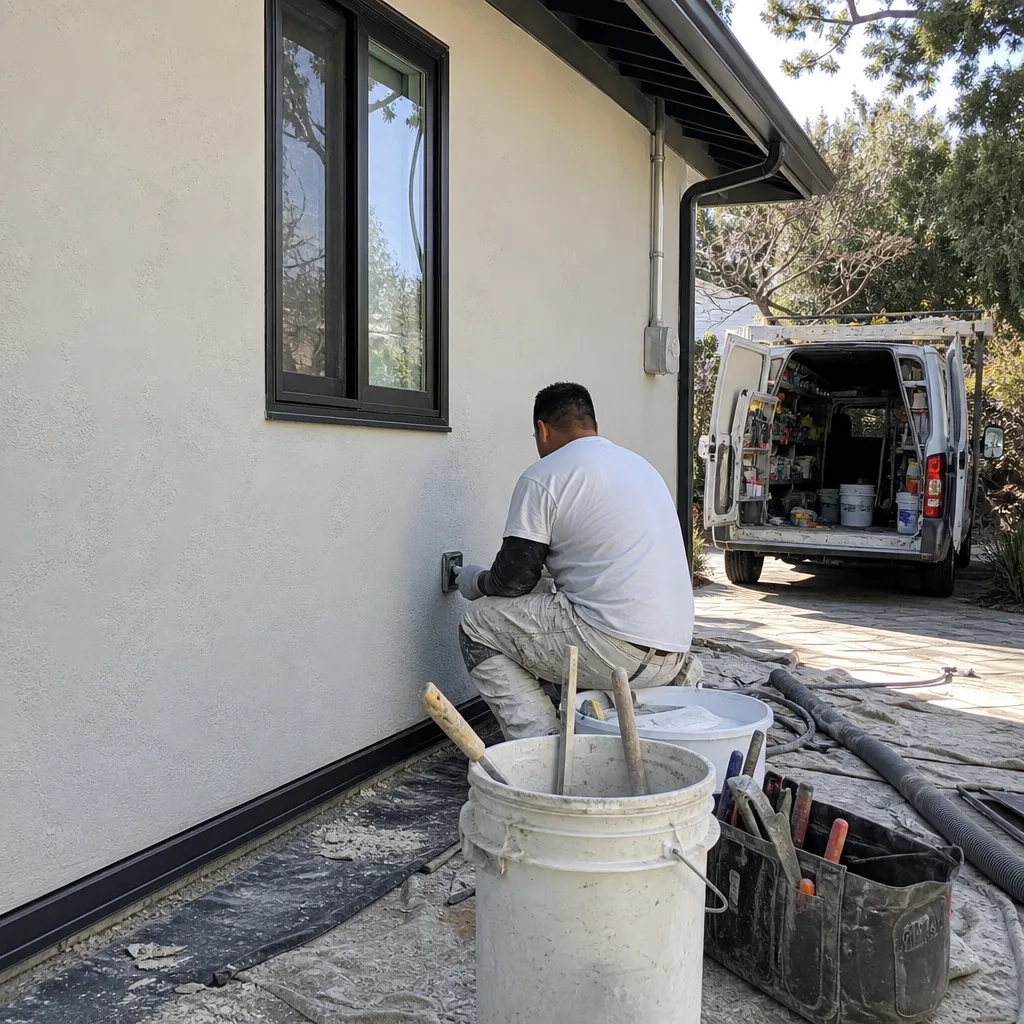 After
AfterReplacement Cost & What’s Included
Most Owens Corning-compatible radiant barrier replacements in Menlo Park fall between $2,800 and $4,200. The low end covers a straightforward re-staple of intact barrier with spot air sealing of top plates and can lights. The high end means full removal of degraded material, comprehensive air sealing, then new double-sided perforated barrier with proper 3/4-inch sag for convective drying.
| Component | Typical Range |
|---|---|
| Material (Owens Corning-compatible foil, tape, fasteners) | $680-$1,100 |
| Air sealing (top plates, penetrations, can lights) | $890-$1,400 |
| Labor (removal, installation, cleanup) | $1,100-$1,600 |
| Before-and-after blower-door test with printed report | Included |
Every job gets a Written Price Before Any Work Starts under Haven Standard Clause 1. The 365-Day Done Right Promise covers delamination, staple failure, or any drop in blower-door performance from our baseline. We also stock Reflectix as an alternative if your attic configuration calls for a different fastening system.
DIY or Call Us?
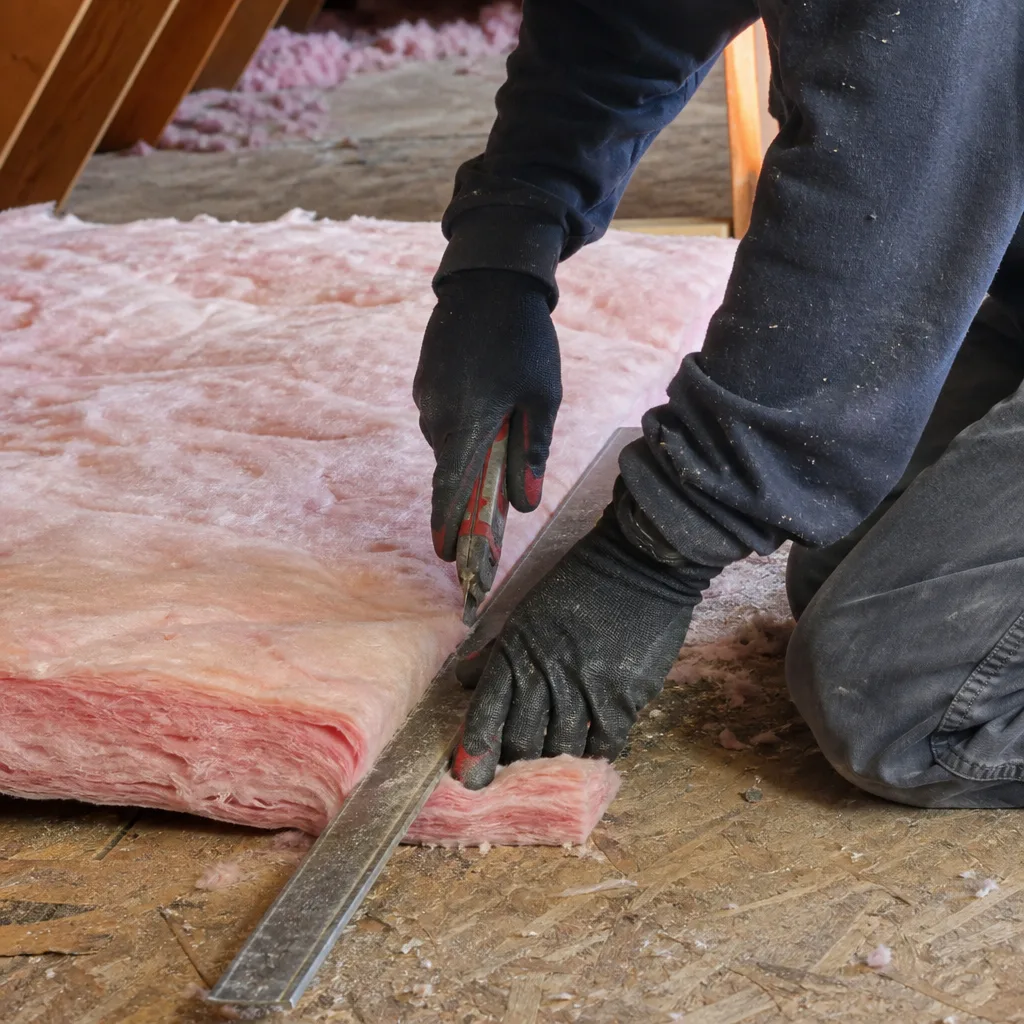
You can safely check what you’ve got. Bring a flashlight to the attic, photograph any stamps or labels, and note whether the foil is single or double-sided. Measure a few intact sections. If the barrier is mostly attached and just sagging in spots, a homeowner with a staple gun and rafter-safe staples can sometimes re-secure it.
Where DIY goes wrong: working across unsealed top plates in a 130°F attic, which pressurizes your living space with fiberglass and dust the moment you disturb anything. And installing new barrier over unsealed leaks - you’re reflecting heat into a sieve. The other risk is perforation. Non-perforated barrier in Menlo Park’s variable humidity traps moisture; perforated barrier installed wrong lets conditioned air escape through the holes. We air seal first, then install. Call (510) 876-4113 and we’ll read your attic with you, no charge.
FAQs
Properly installed double-sided perforated barrier lasts 15-25 years in this climate. The killer is dust accumulation - Peninsula wildfire seasons have been heavy, and fine ash settles on attic foil, cutting reflectivity in half within five years in some Menlo Park homes we’ve tested. Annual attic inspection with a blower-door re-check every five years catches this before your AC bill climbs. Call (510) 876-4113 to schedule - estimates are free.
Spot repairs work if less than 20% of the surface is detached or degraded and the remaining barrier tests above 0.70 reflectivity. We re-staple, tape seams with aluminum foil tape rated for high heat, and air seal around the repair zone. Anything more widespread, and the labor to patch exceeds replacement cost while leaving you with mismatched performance zones. We’ll show you the thermal camera image so you can decide from data, not sales pressure.
Most Menlo Park homes run one to two days. Day one is removal, air sealing top plates and penetrations, then the blower-door test to establish your pre-installation leakage number. Day two is barrier installation, final sealing, and the post-test with printed ACH50 report. Smaller attics with good access sometimes finish in a single long day. We don’t rush - Wes Okafor has seen what rushed air-sealing looks like from the inside twelve months later.
Yes - double-sided perforated foil, aluminum seam tape, and fire-rated fasteners for every rafter type we encounter in Menlo Park. We also carry Reflectix for jobs where the existing fastening pattern won’t accept standard staple installation. No waiting on material orders, no “we’ll come back next week.” The written price includes everything on the truck.
Written by Wes Okafor, Owner, Topside Attic Insulation Menlo Park at Topside Attic Insulation Menlo Park, serving Menlo Park and nearby areas.