
Johns Manville Attic Insulation: The Menlo Park Owner’s Guide
Most Johns Manville attic insulation replacements in Menlo Park run between $2.40 and $4.20 per square foot installed, depending on R-value and whether the attic floor needs air-sealing first. We stock JM-certified blown-in fiberglass and mineral wool for same-day installation on most residential jobs in the 94025 and 94027 ZIP codes. Homeowners usually notice the problem when their upstairs rooms won’t hold temperature in July, or when Pacific Gas & Electric bills spike 30% year-over-year despite no usage change.
Which Johns Manville Models This Applies To
Johns Manville doesn’t sell attic insulation by “model number” the way an appliance does. Instead, you identify the product by the bag label and the installed density. The three series we see most often in Menlo Park are Climate Pro (blown-in fiberglass, typically R-38 to R-60), Attic Pro (higher-density batts for kneewalls and odd framing), and Mineral Wool (fire-rated, common in homes near the Menlo Park Fire Protection District’s stricter wildfire-urban-interface zones).
To confirm what you have, check the paper label stapled to any remaining bags in your garage, or the documentation from your original insulation contractor. The critical spec is settled depth: Climate Pro R-38 settles to roughly 12 inches, while R-49 settles to 15.5. If your current insulation measures significantly below those depths, it has degraded or was under-blown originally. We also see homeowners in the Allied Arts Guild area and the older ranch tracts near Middlefield Road who discover their “JM insulation” is actually a competitor’s product that a previous installer misrepresented. We carry Climate Pro, Attic Pro, and certified aftermarket equivalents from Owens Corning and Knauf that match JM’s thermal performance specs exactly. Topside Attic Insulation Menlo Park is an independent service provider with no affiliation to Johns Manville.
Signs Your Johns Manville Attic Insulation Is Failing
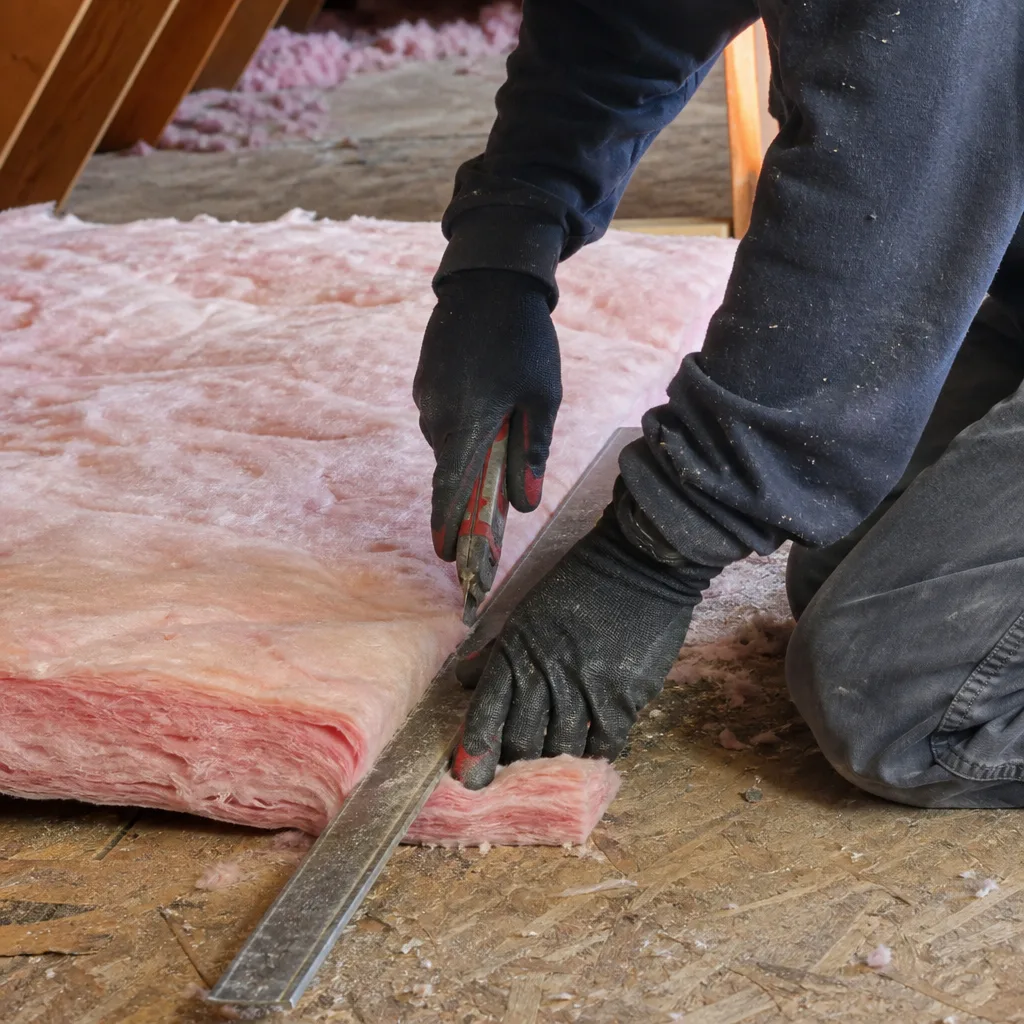
- Uneven temperature between rooms. In Menlo Park’s Eichler and ranch-style homes, we regularly find Climate Pro that has shifted toward the eaves, leaving the center of the attic nearly bare. The insulation didn’t disappear; it migrated through repeated thermal cycling and inadequate baffling at the soffits.
- Ice damming or persistent moisture on the roof deck. Even in our mild Peninsula winters, insufficient R-value lets warm, moist interior air reach cold sheathing. JM fiberglass doesn’t rot, but the condensation it enables will degrade your top plates and encourage mold.
- Insulation depth below label spec. If you measure 8 inches where 15.5 should be, the material has compressed or settled beyond its design limit. This is common in attics where homeowners stored boxes directly on the insulation for years, crushing the loft out of the fibers.
- Rodent disturbance or nesting material. Fiberglass doesn’t attract pests, but once squirrels or roof rats breach the envelope, they tunnel through it. We see this frequently near the mature oak canopy in the Felton Gables neighborhood, where roof access is easy.
- Original installation predates 2012 Title 24 standards. Many Menlo Park homes built before the 2013 code cycle carry R-30 or less in the attic. Current Title 24 requires R-38 minimum for most climate zones here, and R-49 is standard for any full replacement.
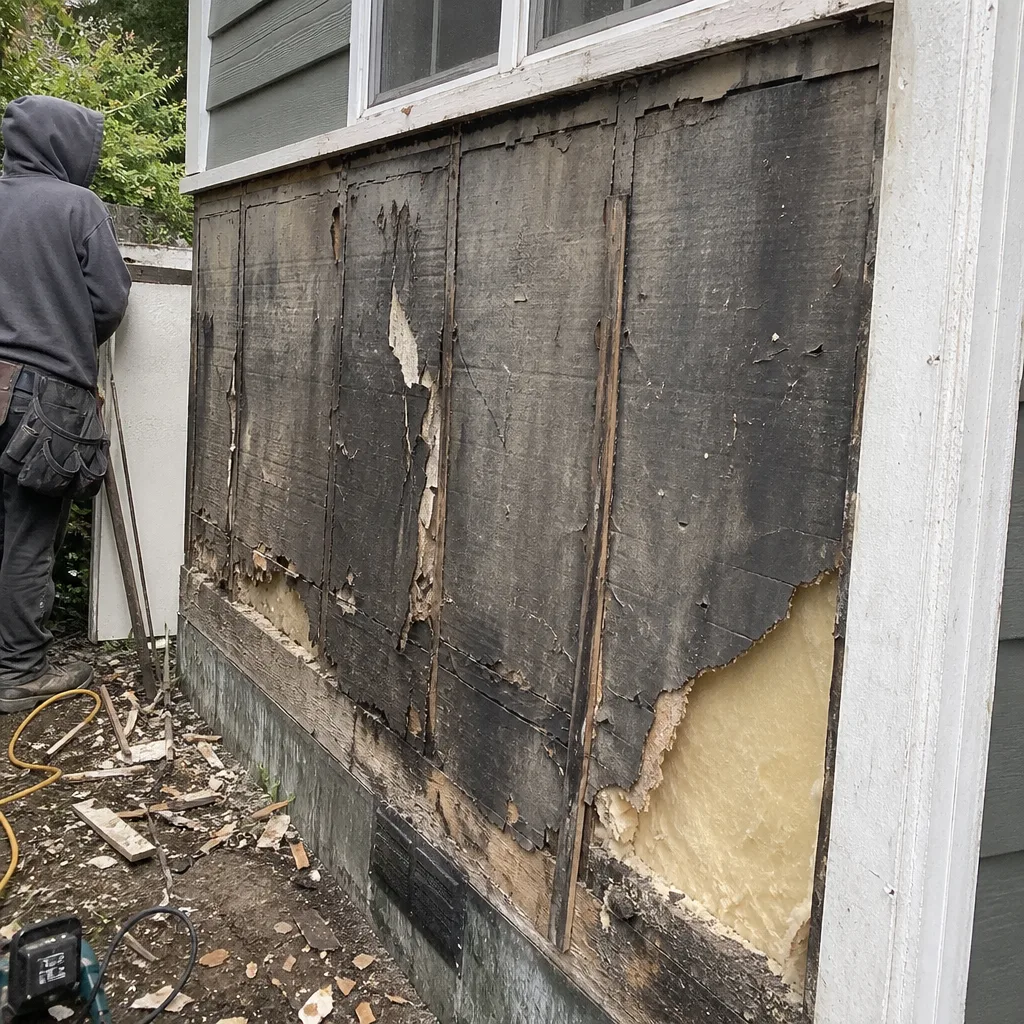 Before
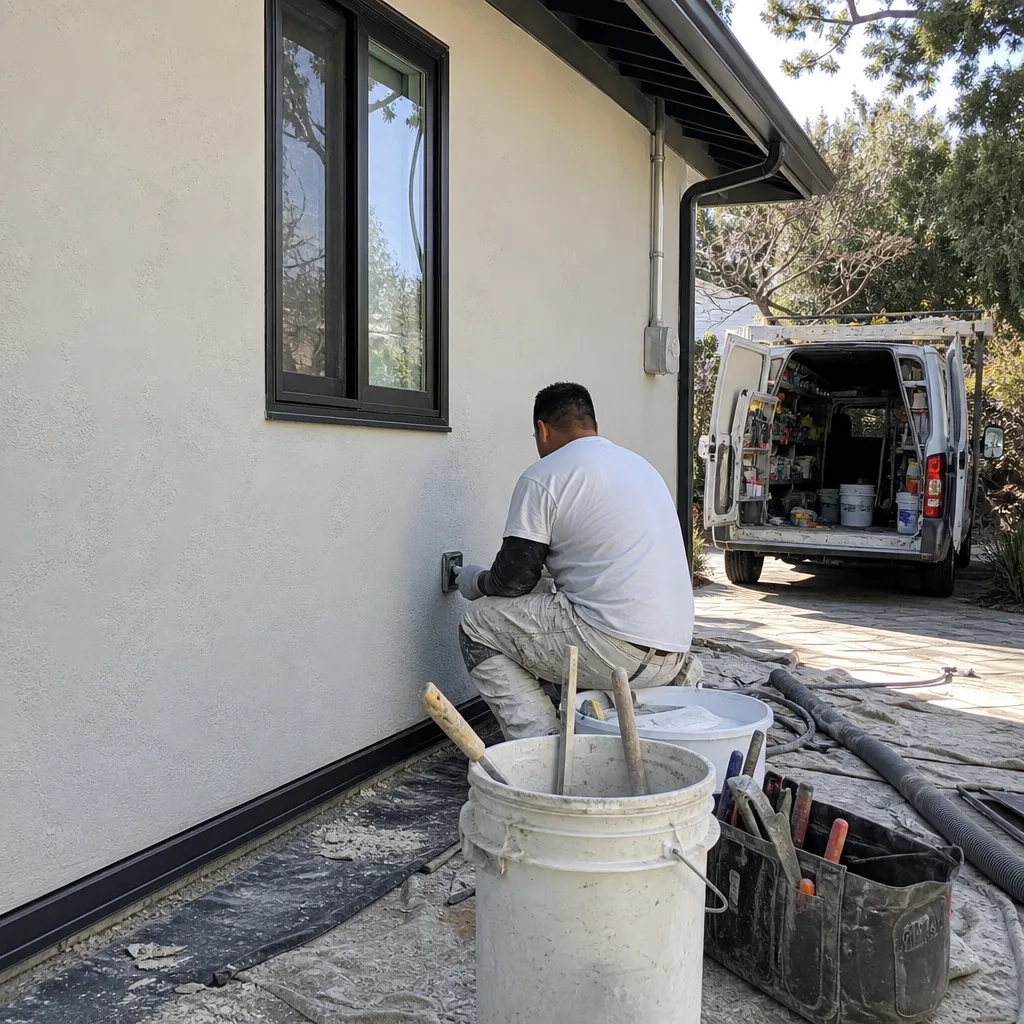 After
AfterReplacement Cost & What’s Included
| Scope | Price Range (Menlo Park) |
|---|---|
| Climate Pro R-38 blown-in, 1,000 sq ft, attic floor only | $2,400 - $3,200 |
| Climate Pro R-49 blown-in, 1,000 sq ft, attic floor only | $2,900 - $3,900 |
| Add full attic air sealing (top plates, can lights, penetrations) | +$800 - $1,400 |
| Insulation removal + disposal (existing degraded material) | +$1.10 - $1.80/sq ft |
| Attic cleaning + rodent proofing (if needed) | +$600 - $1,200 |
What drives the range: attic accessibility (scissor truss vs. conventional framing), whether we need to build a catwalk for code-compliant access, and the condition of existing ventilation. Every job includes our Documented Photo Record and, on air-sealing work, before-and-after blower-door numbers. Under Haven Standard Clause 1, you get a written price before any work starts. The 365-Day Done Right Promise covers all completed work.
DIY or Call Us?
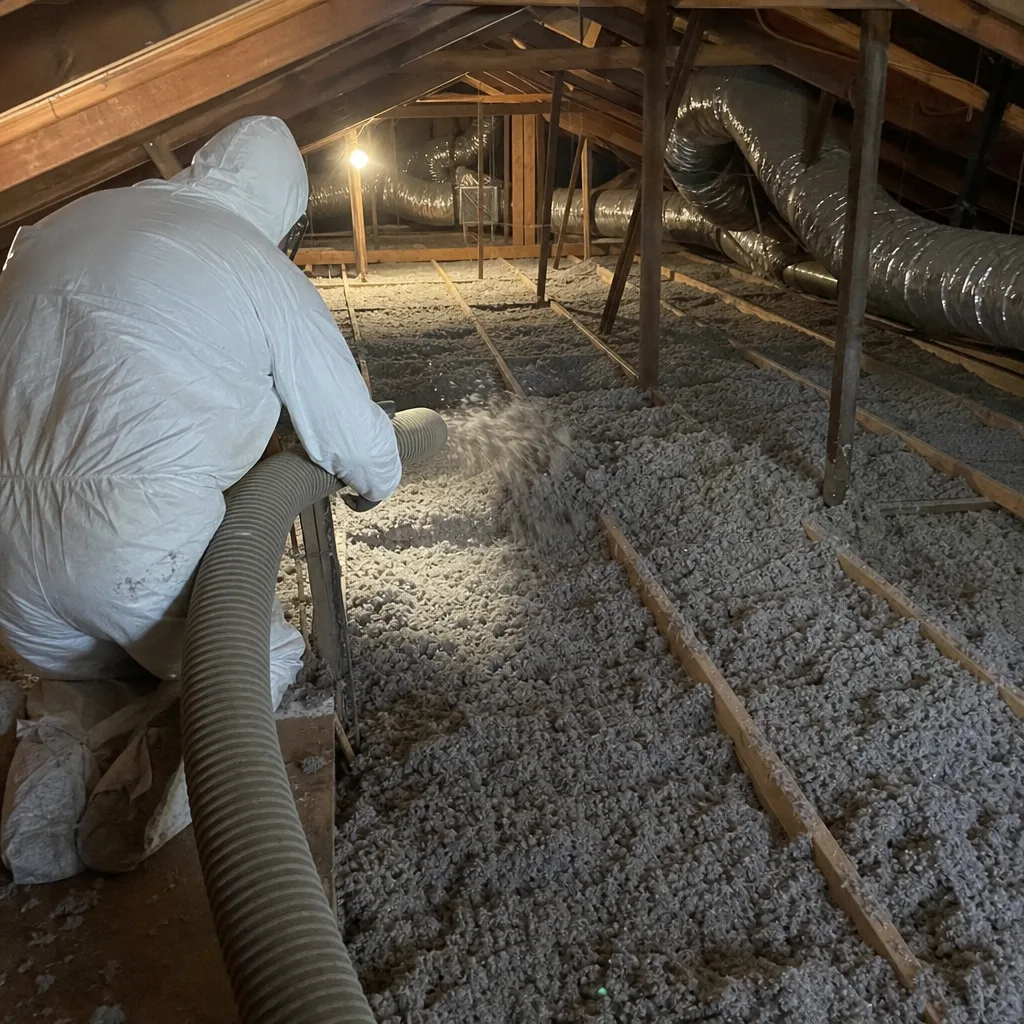
You can safely check your insulation depth with a tape measure and a yardstick, and you can photograph any bag labels you find. What you should not do: blow new insulation over an unsealed attic floor, or disturb insulation that may contain asbestos in pre-1980 homes. The first mistake traps moisture and wastes money; the second is a genuine health hazard requiring abatement.
Seal the leaks first. The insulation has nowhere useful to go until you do. Wes Okafor has seen too many Menlo Park attics where a homeowner added R-49 over a leaky top plate and ended up with the same drafty bedroom and a higher electric bill. If your blower-door number is above 3,000 CFM50 on a 2,000-square-foot house, the insulation is not your primary problem. Call (510) 876-4113 and we’ll run the test, show you the number, and give you a written scope that addresses what actually matters.
FAQs
Properly installed JM fiberglass or mineral wool retains its labeled R-value for 80 to 100 years; the material itself doesn’t degrade. What fails first is the installation: compression from storage, moisture from undetected roof leaks, or displacement from pest activity. In Menlo Park’s Mediterranean climate, the bigger threat is actually summer attic heat exceeding 140°F, which accelerates the breakdown of any paper-faced vapor retarders and can degrade batt adhesives over decades. Call (510) 876-4113 for an attic inspection that checks the material condition and the air-sealing integrity.
Yes, if the existing material is dry, uncompressed, and free of pest debris or mold. We do this regularly in Menlo Park, capping old R-19 with new Climate Pro to reach R-49 total. But we never cap over unsealed air leaks or wet material. The cost savings of skipping removal disappear fast if you trap moisture against the deck. We provide a free second opinion on any written estimate that recommends capping without air sealing.
Most residential attic jobs in Menlo Park finish in one day: removal in the morning, air sealing through midday, and blowing new insulation by afternoon. Larger homes or those requiring extensive top-plate sealing in tight quarters may extend to a second day. We schedule a hard start time and text you when the crew is en route.
We stock Climate Pro and Attic Pro on our trucks for jobs up to 1,500 square feet. For larger jobs or mineral wool fire-rated installs, we pull from our San Jose warehouse with next-day availability. Same-day installation is standard for most Menlo Park calls we receive before 10 a.m.
Written by Wes Okafor, Owner, Topside Attic Insulation Menlo Park at Topside Attic Insulation Menlo Park, serving Menlo Park and nearby areas.