
Rockwool Attic Insulation: The Menlo Park Owner’s Guide
Rockwool attic insulation installation in Menlo Park typically runs $3.20 to $5.80 per square foot for batts and $2.80 to $4.50 for loose-fill, with most complete attic jobs landing between $4,800 and $9,200 depending on accessibility and whether air sealing is needed first. We stock both Comfortbatt and AFB evo lines on our trucks, and we can usually inspect and quote same-day if you call before noon. Most homeowners in Menlo Park realize their Rockwool insulation is underperforming when upstairs rooms stay hot past 10 p.m. even with the AC running, or when Pacific Gas & Electric bills spike during Peninsula shoulder seasons when heating and cooling overlap.
Which Rockwool Models This Applies To
Rockwool’s residential attic line breaks into two families: Comfortbatt, the semi-rigid batt designed for open attic floors and kneewalls, and AFB evo, the higher-density acoustic/fire batt used in floor-ceiling assemblies and where local code demands a fire-resistance rating. Comfortbatt comes in standard 15.25″ and 23″ widths to match 16″ and 24″ framing; AFB evo runs slightly denser at 4.5 lbs per cubic foot versus Comfortbatt’s 2.8 lbs, which matters if you’re matching existing material or hitting a specific STC rating in a Menlo Park ADU conversion.
To identify what you have, check the printed foil label on the batt face, not the kraft paper backing, which often gets torn during installation. The label shows the product line, density class, and R-value per inch. Comfortbatt R-30 is 7.25″ thick; R-38 is 9.25″. If your existing insulation was installed before 2018, you may have the older “Roxul” branded stock, which Rockwool phased out but maintained identical dimensions for, so new Comfortbatt layers compress evenly on top.
We source OEM Rockwool direct from the distributor in San Jose, not aftermarket equivalents. For attic applications, the mineral wool composition matters: Rockwool’s basalt and steel slag mix holds R-value at 1,000°F and doesn’t slump in Menlo Park’s occasional 110°F attic peaks the way fiberglass can. Generic mineral wool exists, but density variance of even 0.3 lbs per cubic foot changes compression behavior under plywood storage floors, which we see frequently in the ranch-style attics off Alameda de las Pulgas.
Signs Your Rockwool Attic Insulation Is Failing
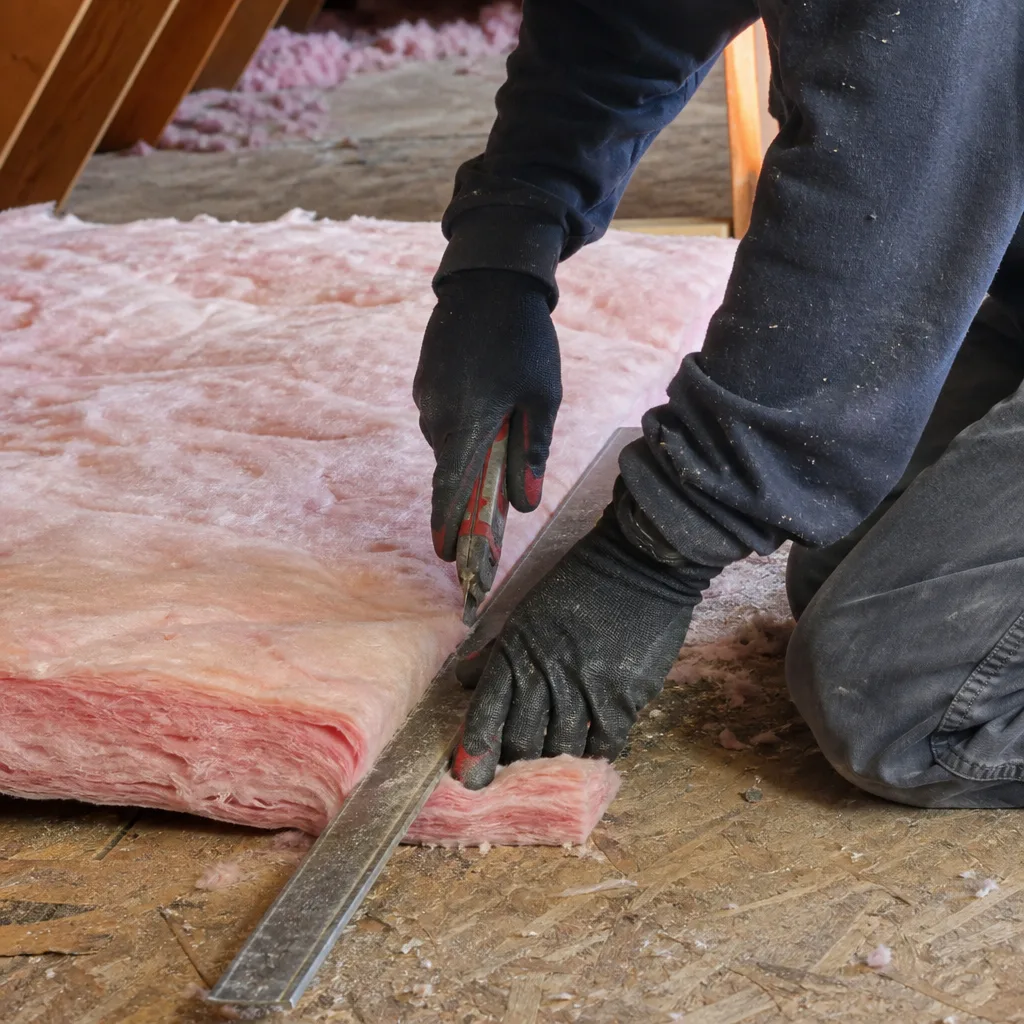
- Uneven temperature zones between rooms. Rockwool doesn’t settle like cellulose, but if it was installed over unsealed top plates or recessed can lights, conditioned air escapes around the batt edges. We find this in Menlo Park Eichler and ranch homes where the original 1960s insulation was removed but the ceiling plane was never properly sealed first.
- Moisture staining on ceiling drywall below the attic. Rockwool is hydrophobic and won’t hold water, but that means vapor drives straight through to the first cold surface. In Menlo Park’s marine-influenced climate, morning fog followed by afternoon sun creates reverse vapor drive through poorly detailed attic hatches.
- Compressed or displaced batts near the attic hatch or HVAC platform. The semi-rigid structure of Comfortbatt recovers from light compression, but repeated foot traffic or storage loads above 2.5 lbs per square foot crush the fiber matrix permanently. We see this where homeowners added plywood walking surfaces without raising them above the insulation plane.
- Rodent nesting material mixed with gray fibrous debris. Rockwool’s mineral content doesn’t appeal to rodents for nesting, but they tunnel through it to reach conditioned spaces. The telltale is disturbed batts with soil trails, not chewed material, since they can’t digest basalt fiber.
- Visible gaps at joist ends and perimeter walls. Rockwool batts cut 0.5″ wider than the cavity to friction-fit; if you can see the joist sides, the batt was undersized or has slipped. In Menlo Park’s older homes with irregular 19.2″ framing, standard-width batts often leave channel gaps that defeat the assembly R-value.
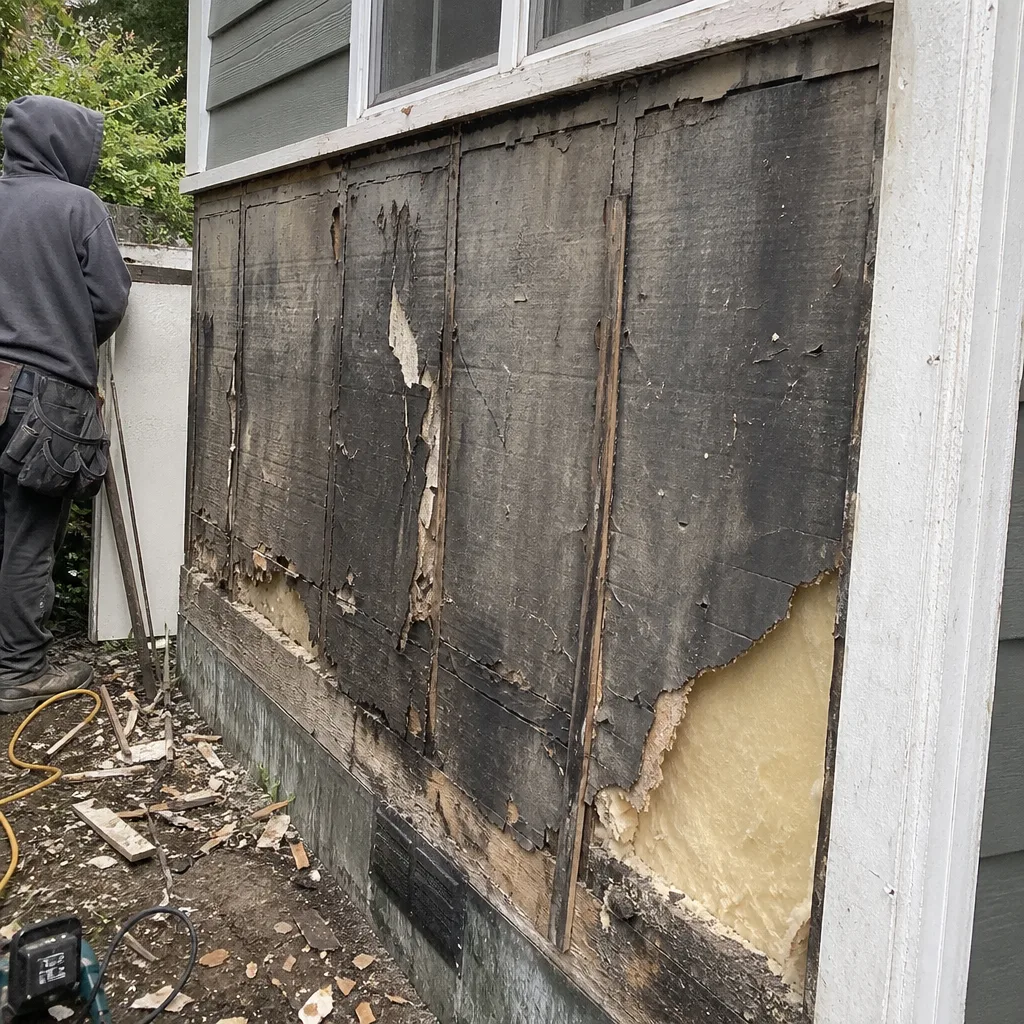 Before
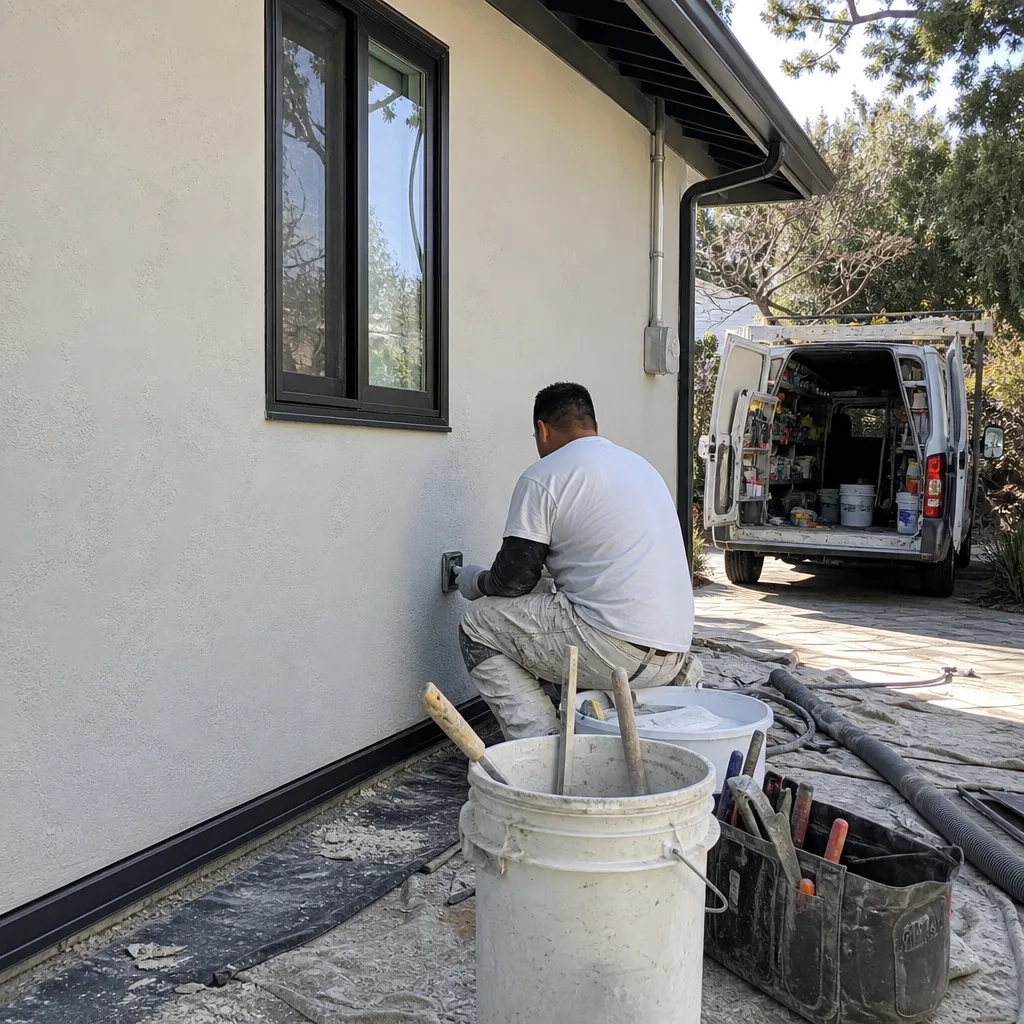 After
AfterReplacement Cost & What’s Included
| Scope | Price Range in Menlo Park |
|---|---|
| Comfortbatt R-30, open attic floor, 1,000 sq ft, no air sealing needed | $4,800 - $6,400 |
| Comfortbatt R-38, same footprint, with top plate and penetration sealing | $6,200 - $8,800 |
| AFB evo, fire-rated assembly, 800 sq ft ADU ceiling | $5,400 - $7,900 |
| Removal of existing degraded insulation + new Rockwool install, 1,200 sq ft | $7,500 - $11,200 |
| Blower-door test with documented pre/post report | Included on all full installs |
What drives the range: attic height (below 4′ peak requires crawling, above 8′ may need scaffolding), existing insulation removal, quantity of recessed light housings that need airtight covers, and whether knob-and-tube wiring is present, which we encounter in Menlo Park’s 1940s-1950s stock near the Stanford campus. Every quote is a flat written price with scope and warranty delivered before work starts. Haven Standard Clause 1: no surprises. The 365-Day Done Right Promise covers material and labor; Rockwool’s own product warranty runs 50 years but doesn’t cover installation defects, which is why our workmanship warranty matters.
DIY or Call Us?
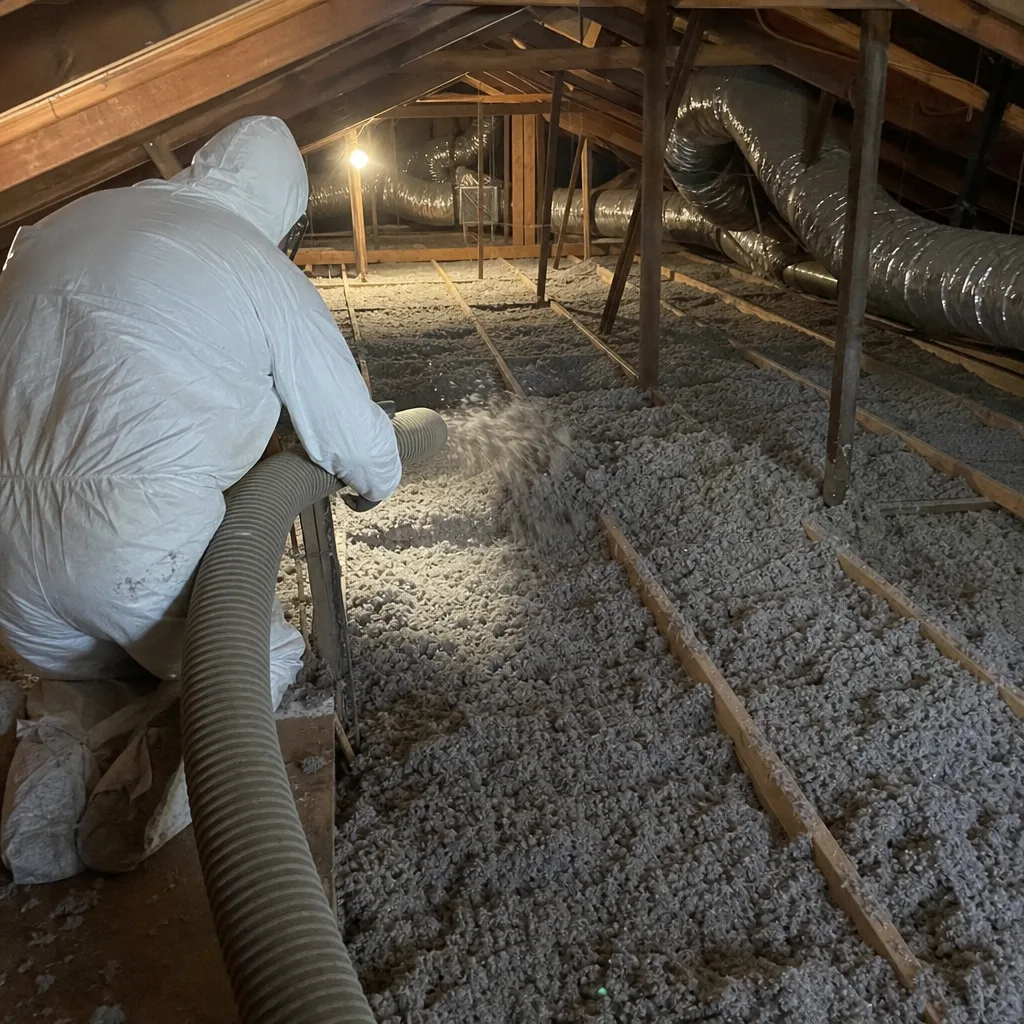
What you can safely check yourself: measure your attic floor square footage, note the joist spacing with a tape measure at the hatch, and photograph any existing labels on exposed batts. Also check for recessed can lights; if they’re the old non-IC type, insulation contact is a fire hazard and requires rated housings or airtight covers before anything new goes in.
Where DIY goes wrong: Rockwool’s mineral fibers require a properly fitted N95 minimum for cutting, and the dust is heavier than fiberglass, settling in eye ridges and collar lines. More critically, installing new insulation over unsealed air leaks is the most common mistake we correct in Menlo Park. The blower-door test, a pressurization measurement that shows in one number how much conditioned air your home is losing, is not a DIY tool; it costs roughly what you’d spend on the insulation itself, and without it you’re guessing at the leak locations. Seal the leaks first. The insulation has nowhere useful to go until you do.
Topside Attic Insulation Menlo Park is an independent service provider, not affiliated with Rockwool. We also stock parts for Reflectix radiant barrier systems. If you want a written price before any work starts and a documented photo record when the crew leaves, call (510) 876-4113.
FAQs
Rockwool mineral wool is rated for the life of the building; in Menlo Park’s mild marine climate, the material itself doesn’t degrade. What fails is the installation: compressed batts, displaced layers from rodent activity, or gaps from original poor cutting. We see 20-year-old Rockwool performing at 90% of rated R-value when the attic was sealed properly first, and 40% loss when it wasn’t. Call (510) 876-4113 for an attic inspection that includes a blower-door test, estimates are free.
Localized compression or displacement can sometimes be corrected by lifting and refluffing batts that haven’t been crushed beyond recovery, but in practice we find that once Rockwool has been walked on or stored over, the fiber structure doesn’t rebound. Partial replacement is possible if only a section is damaged, but matching density and thickness with older stock is difficult. We quote both options when we inspect. Call (510) 876-4113 for a free second opinion on any written estimate.
Most Menlo Park homes between 1,200 and 2,400 square feet take one to two days: half a day for air sealing and prep, half a day for installation, plus the blower-door test before and after. Homes with existing insulation removal add a day. We don’t rush the sealing phase; Wes Okafor has seen what rushed air-sealing looks like from the inside twelve months later. Call (510) 876-4113 to schedule.
We carry Comfortbatt R-30 and R-38 in both standard widths and AFB evo in 3″ and 6″ thicknesses on every Menlo Park truck. Specialty densities or fire-rated assemblies for specific code requirements typically arrive next business day from the San Jose distributor. Same-day installation is available if you call before noon and the attic is accessible. Call (510) 876-4113 to confirm stock for your specific assembly.
Written by Wes Okafor, Owner, Topside Attic Insulation Menlo Park at Topside Attic Insulation Menlo Park, serving Menlo Park and nearby areas.