
Icynene Radiant Barrier Installation in Menlo Park: What to Know First
We provide independent Icynene radiant barrier installation in Menlo Park, typically completing attic jobs in one day with a written price locked before any work starts. Most Menlo Park homes with Icynene spray foam already in place need radiant barrier added to the roof deck or rafter bays, not replaced, and we price that scenario starting around $2,400 for a 1,200-square-foot attic footprint. This page is for homeowners who have Icynene open-cell or closed-cell foam in their attic and want to know whether a radiant barrier layer will actually help, what can go wrong with the combination, and what it costs. Call (510) 876-4113 to schedule a free estimate with a written scope.
How Icynene Products Fail - and How We Fix Them
- Icynene Classic Max shrinkage at rafter heels. Open-cell foam like Classic Max can pull away from roof sheathing over time in Menlo Park’s dry summer heat, leaving a gap where radiant heat pours through. We find this most often in attics insulated between 2015 and 2019. Our fix: remove the separated foam back to sound substrate, re-apply with proper substrate conditioning, then install radiant barrier foil to the roof deck surface so the thermal break is independent of foam adhesion.
- Icynene MD-R-200 overspray onto electrical penetrations. This medium-density closed-cell product cures hard and can encapsulate junction boxes or can-light housings if the original installer didn’t mask first. That creates a fire-code violation and blocks proper radiant barrier placement above. We cut back the overspray with a flush-cut oscillating tool, verify box accessibility per NEC 314.29, then route radiant barrier around - never over - electrical hardware.
- Icynene LD-C-50 degraded surface from UV exposure. Low-density open-cell foam left exposed in vented attics chalks and powders when sunlight hits it through gable vents or missing baffles. The degraded layer has almost no R-value and interferes with radiant barrier tape adhesion. We scrape to stable foam, prime with a vapor-permeable coating rated for foam contact, then install the radiant barrier to a clean, sound substrate.
- Icynene Water-blown H2Foam Lite moisture retention in Menlo Park’s marine layer periods. The water-blown chemistry holds more initial moisture than MDI-based foams, and in Menlo Park’s May-through-July fog belt that moisture can linger if the attic ventilation rate is low. Trapped moisture against a radiant barrier installed too soon corrodes the aluminum facing. We moisture-test the foam with a pinned meter, document readings below 18% MC before barrier installation, and specify vapor-permeable radiant barrier products for these attics.
- Icynene ProSeal LE incompatible with existing kraft-faced batts. We see this in Menlo Park ranch additions where ProSeal LE closed-cell was sprayed against old fiberglass with kraft paper backing. The asphalt face bonds to foam, creating a double vapor barrier that traps condensation and pushes radiant barrier installers to staple through compromised material. We remove the bonded composite, air-seal the cavity properly, and install radiant barrier as a discrete layer with verified drying potential to both sides.
Our Icynene Radiant Barrier Installation Process
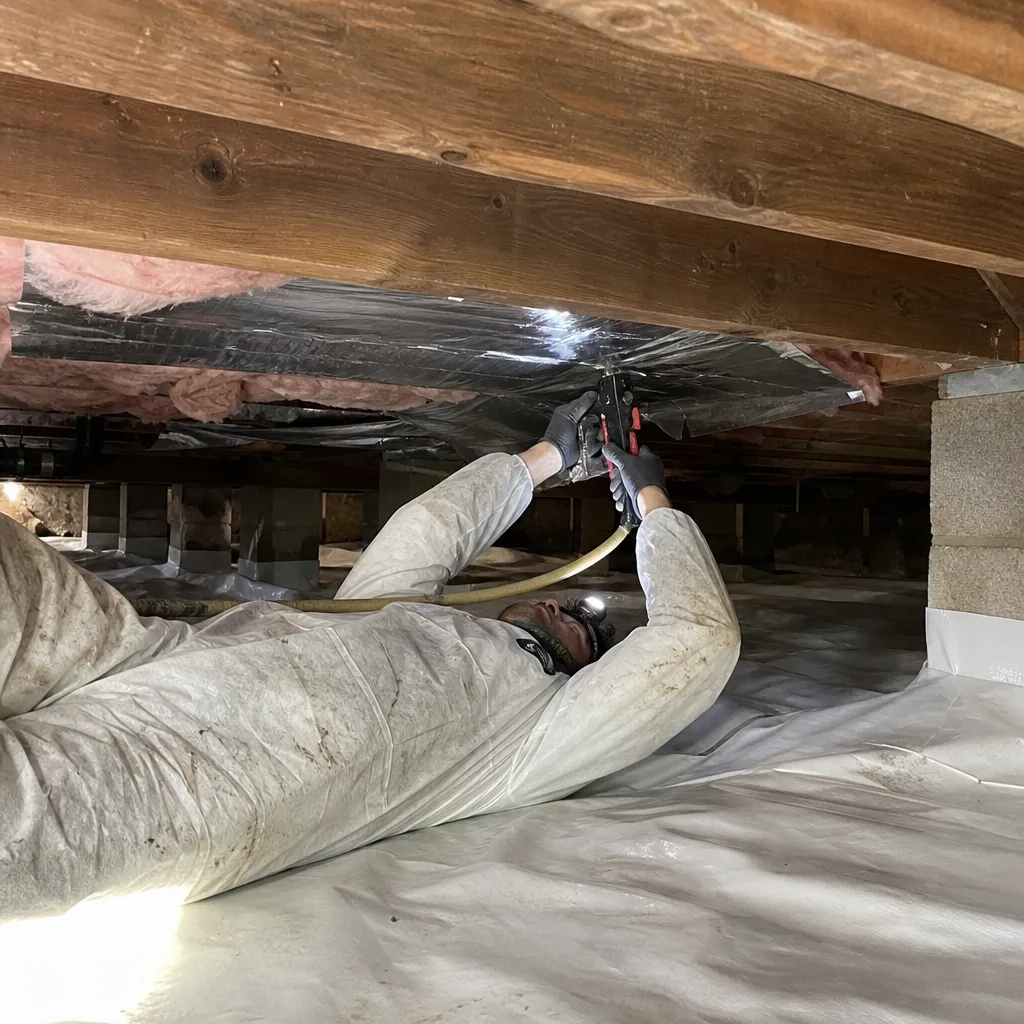
- 1
Pre-work blower-door test and photo documentation. We pressurize the house to measure CFM50 - the single number that tells us how much conditioned air is escaping through the attic plane before we touch anything. Photos of existing Icynene condition, electrical clearances, and ventilation paths go into your file.
- 2
Written scope and price, signed before work starts. Haven Standard Clause 1: flat price, written warranty, no surprises. We specify radiant barrier product, fastener type, and whether any Icynene repair is needed first.
- 3
Air sealing of top plates, penetrations, and chase openings. Seal the leaks first. The insulation has nowhere useful to go until you do. We use fire-rated caulk and gasketed covers, not spray foam over unsealed gaps.
- 4
Icynene surface prep and radiant barrier installation. Clean, stable substrate verified; radiant barrier installed with manufacturer-specified standoffs or direct-applied depending on product and attic ventilation strategy. We source from Icynene, Owens Corning, Johns Manville, Knauf, Rockwool, CertainTeed, Demilec, and GreenFiber - no proprietary lock-in, and we also service Reflectix installations when that’s what’s in place.
- 5
Post-work blower-door test and documented photo record. Second pressurization reading, printed ACH50 comparison, photos of completed work. You get the physical report before we pack up.
- 6
365-Day Done Right Promise activation. Written warranty delivered, scope matched to what was performed. If it’s not done right, we make it right.
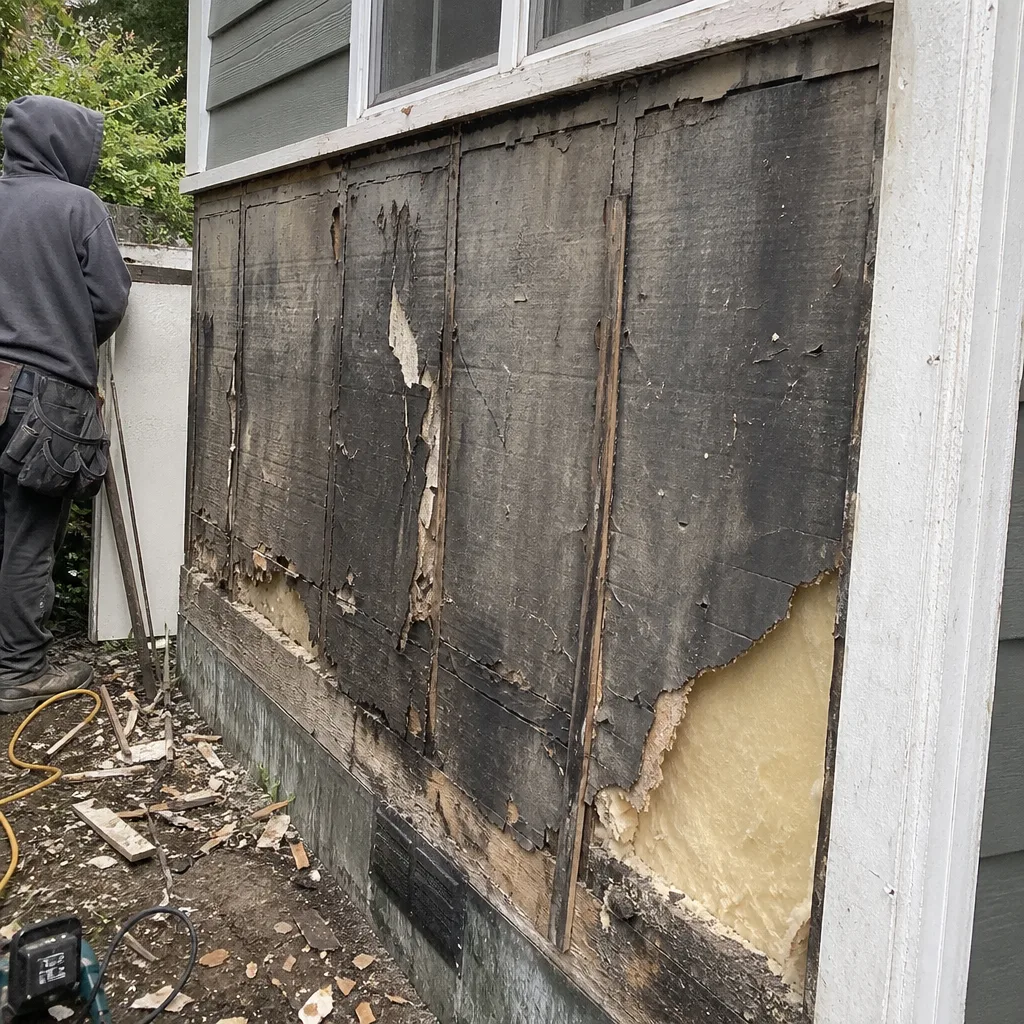 Before
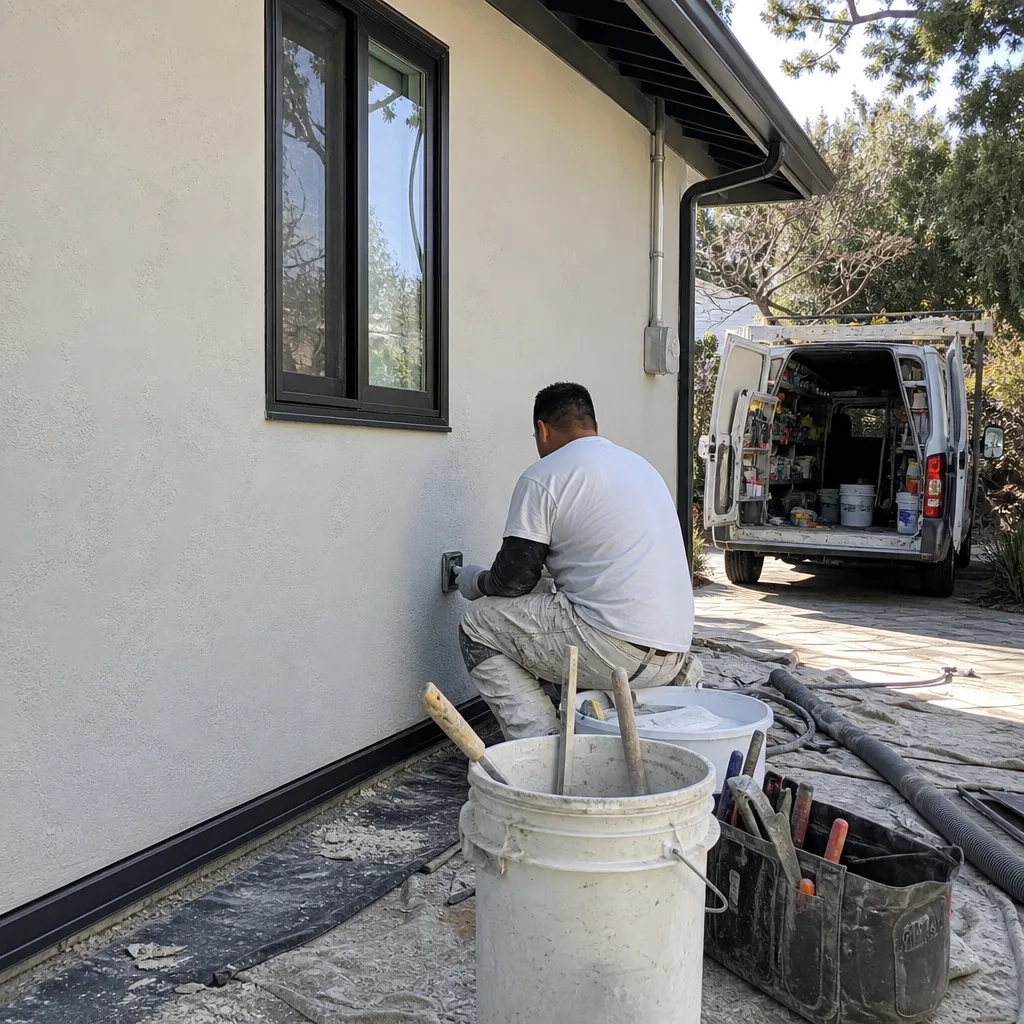 After
AfterWhat Icynene Radiant Barrier Installation Costs in Menlo Park
Most Icynene radiant barrier jobs in Menlo Park fall between these ranges:
- Radiant barrier foil to roof deck over intact Icynene: $2,400-$3,800 for attics up to 1,500 square feet
- Radiant barrier with localized Icynene repair (shrinkage, UV damage): $3,200-$5,100
- Radiant barrier with full Icynene removal and reinstallation: $6,500-$9,800
- Electrical clearance correction + radiant barrier: add $800-$1,400
What moves the price: attic square footage, roof pitch (steeper = slower), whether the Icynene needs repair first, and how many penetrations need sealing. We don’t price by the square foot alone because a 1,200-square-foot attic with twelve can lights and a furnace chase is a different job than the same footprint with two vents and nothing else. Call (510) 876-4113 for a written estimate - they’re free, and we provide a Free Second Opinion on any written estimate you’ve already received.
Why Menlo Park Homeowners Call Topside Attic Insulation Menlo Park for Icynene Work
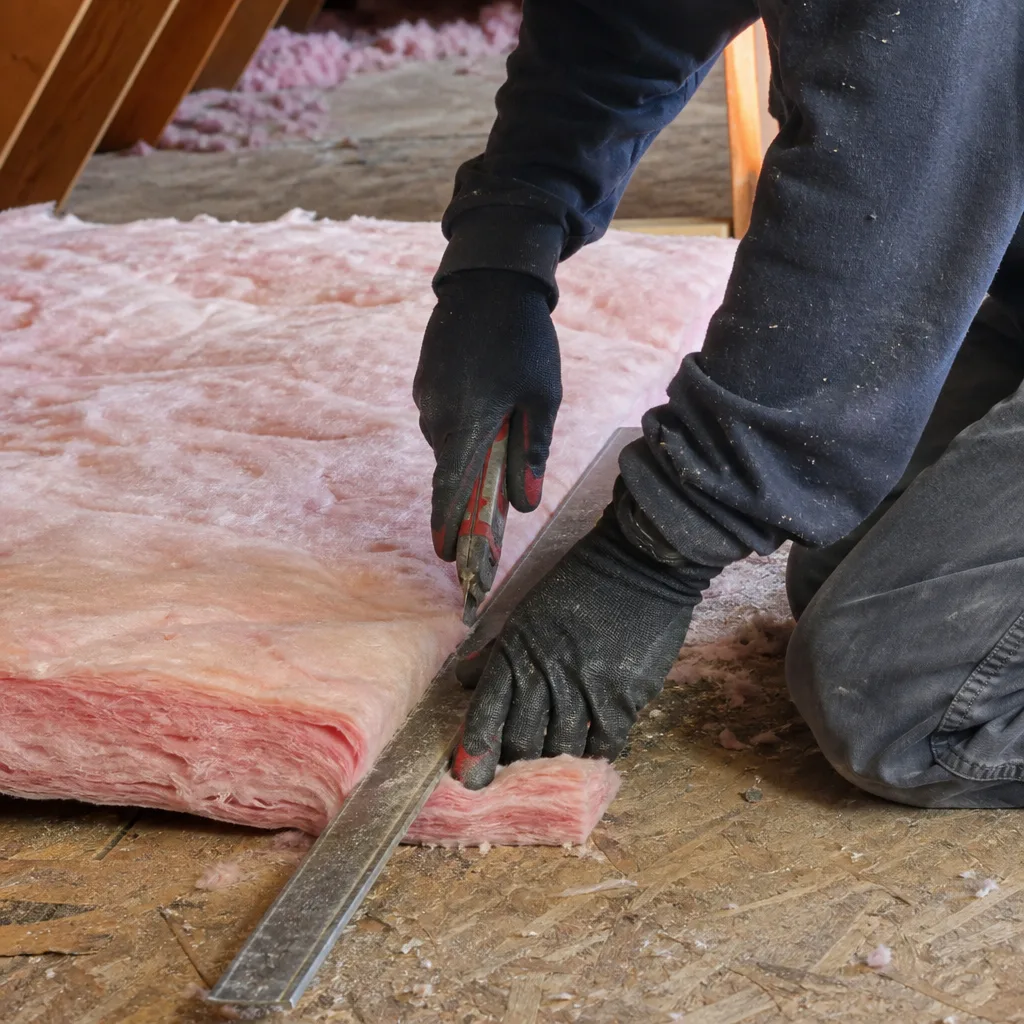
We’ve run crews across Menlo Park for years, including a stretch of retrofits on older ranch-style homes near the Allied Arts Guild neighborhood where knob-and-tube wiring made air-sealing the first conversation, not the last. Wes Okafor starts every job with a blower-door test because he’s seen what rushed attic work looks like from the inside twelve months later. Our technicians are background-checked and uniformed; calls are answered by a live person, 24/7. The 365-Day Done Right Promise applies to every completed job, and we publish before-and-after blower-door numbers so you can verify the performance change you paid for. We also service Reflectix radiant barrier systems when that’s what your home has. Materials come from Icynene and seven other major manufacturers - we specify what fits your assembly, not what moves our inventory.
FAQs
No, if the radiant barrier is installed as a separate layer without altering the foam chemistry or thickness. Icynene’s system warranty covers the foam itself; mechanical fasteners through roof sheathing into rafters don’t affect it. We document pre-existing foam condition with photos so any future warranty claim has a baseline. Call (510) 876-4113 if you need help reading your original Icynene warranty paperwork.
We source Icynene products directly, but as an independent Icynene service provider we’re not bound to use them exclusively. Sometimes a different open-cell or closed-cell product better matches the drying conditions or fire-rating needs of your specific Menlo Park attic. We explain the trade-off and put the spec in writing before application.
Localized repair plus radiant barrier is almost always cheaper - typically 40-60% less than full removal and reinstallation. We only recommend full removal when the foam is extensively water-damaged, chemically incompatible with subsequent layers, or violates current fire codes. Our written estimate breaks out both scenarios when it’s a close call.
We typically schedule Icynene radiant barrier estimates within 48 hours and complete the work within one week of written approval. Same-day emergency service is available for active water intrusion or exposed electrical hazards. A live person answers (510) 876-4113 around the clock.
In Menlo Park’s climate, yes - the foam slows conductive heat transfer, but radiant heat from roof sheathing still warms the foam surface and reradiates into conditioned space. A radiant barrier on the roof deck reduces that radiant gain by 40-60% in peak summer, which matters in Menlo Park’s September heat when coastal fog breaks and attic temperatures spike. We measure the difference with an infrared camera during our estimate and show you the reading.
Written by Wes Okafor, Owner, Topside Attic Insulation Menlo Park at Topside Attic Insulation Menlo Park, serving Menlo Park and nearby areas.