
Demilec Attic Insulation: The Menlo Park Owner’s Guide
Demilec attic insulation replacement in Menlo Park typically runs $2,800-$5,400 for a complete removal and reinstall in a 1,200-2,000 square foot home, and we can usually start the assessment same day you call. Most homeowners notice the problem first through their PG&E bill - a sudden spike in summer cooling costs that doesn’t match the weather - or they find uneven temperatures between rooms that used to stay consistent. We stock Demilec-compatible materials and can match your existing system to avoid mixing incompatible products.
Which Demilec Models This Applies To
Demilec operates under the Huntsman Building Solutions umbrella, and the product lines you’ll find in Menlo Park attics fall into three main categories: Heatlok HFO Pro (closed-cell spray foam, common in post-2018 retrofits), Heatlok XT (closed-cell with higher R-value per inch, often specified in the older ranch homes near Allied Arts Guild where clearance is tight), and Demilec SEALECTION 500 (open-cell, used frequently for roof deck applications in homes with HVAC equipment in the attic).
Identifying your installed product starts at the attic hatch. Look for a Demilec lot label - a paper tag stapled to framing near the access point or spray-applied directly onto the foam surface in black ink. The label shows the product name, install date, and lot number. If the label is missing, we measure foam density: closed-cell Heatlok runs 2.0-2.5 lbs per cubic foot, while open-cell SEALECTION runs 0.5-0.6 lbs. We don’t guess. Mixing open-cell over closed-cell, or vice versa, creates adhesion failures and trapped moisture - a $4,200 lesson we’ve seen twice in Menlo Park’s Willows neighborhood.
Topside Attic Insulation Menlo Park is an independent service provider with no affiliation to Demilec or Huntsman. We source through our normal distribution channels and can install OEM Demilec products or match spec with Johns Manville, Icynene, or CertainTeed equivalents when the original line has been discontinued.
Signs Your Demilec Attic Insulation Is Failing
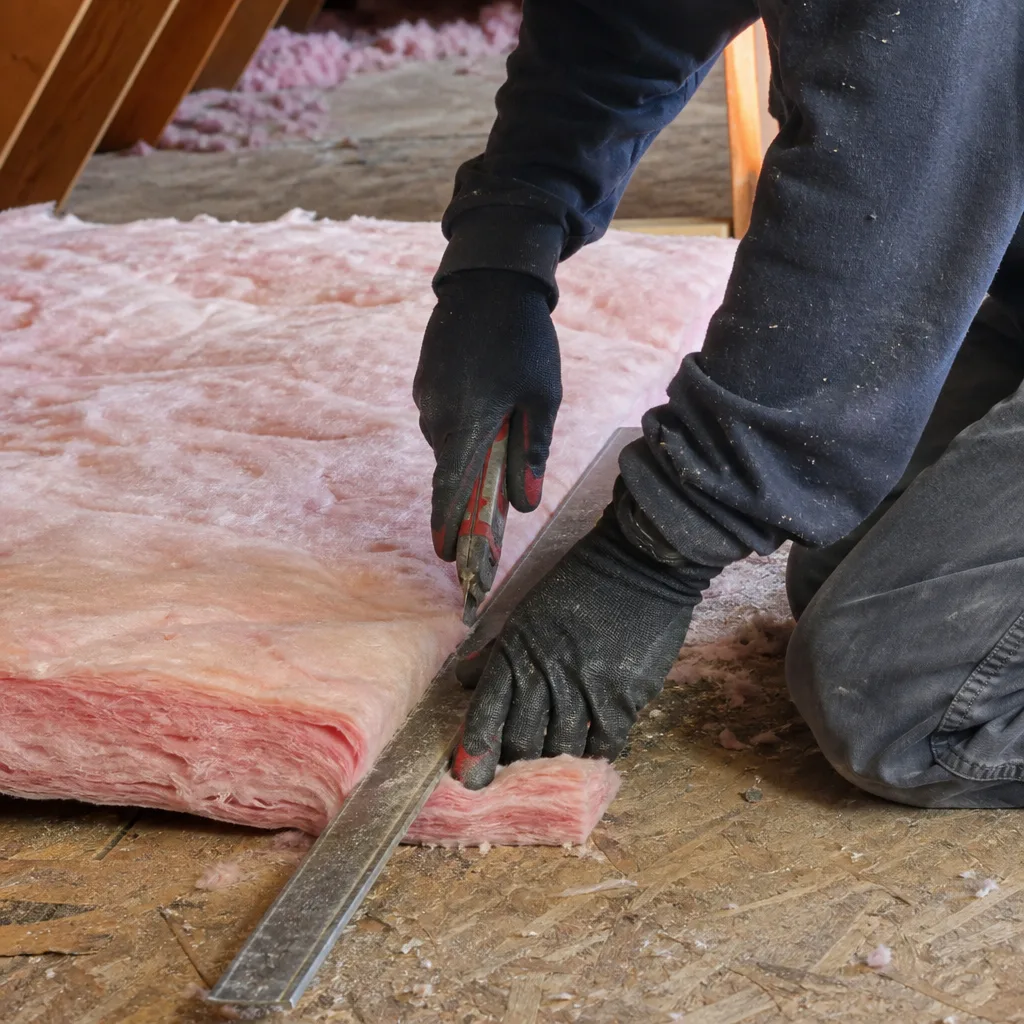
- Spiking energy bills with no rate change. PG&E’s baseline territory rates for Menlo Park haven’t moved, but your summer cooling costs jumped 30-40%. When Demilec closed-cell foam shrinks or pulls away from rafters - common after 10-12 years in attics that hit 140°F in July - the thermal bypass lets conditioned air escape faster than your HVAC can replace it.
- Hot second-floor rooms that cooled fine last year. This usually means open-cell SEALECTION has degraded at the roof deck, losing its adhesion to the sheathing. The foam itself doesn’t “wear out,” but the air seal fails, and convection currents restart in the cavity.
- Visible yellowing or powdering on foam surfaces. UV exposure through gable vents or missing baffles breaks down the top layer of Demilec foam. It’s cosmetic at first, then structural - the degraded surface becomes a dust collector that holds moisture against the good foam beneath.
- Musty smell from attic vents or returns. When Demilec foam separates from framing, humid Peninsula air gets in during marine layer mornings. The gap condenses, and you smell it before you see it. We’ve traced this pattern in Menlo Park homes west of El Camino Real where fog penetration is routine.
- Pest activity in previously sealed areas. Rodents don’t eat spray foam, but they’ll exploit any gap larger than a quarter inch. If your Demilec installation had skipped spots at wire penetrations - a common shortcut - mice find them within a season, and the insulation becomes a highway, not a barrier.
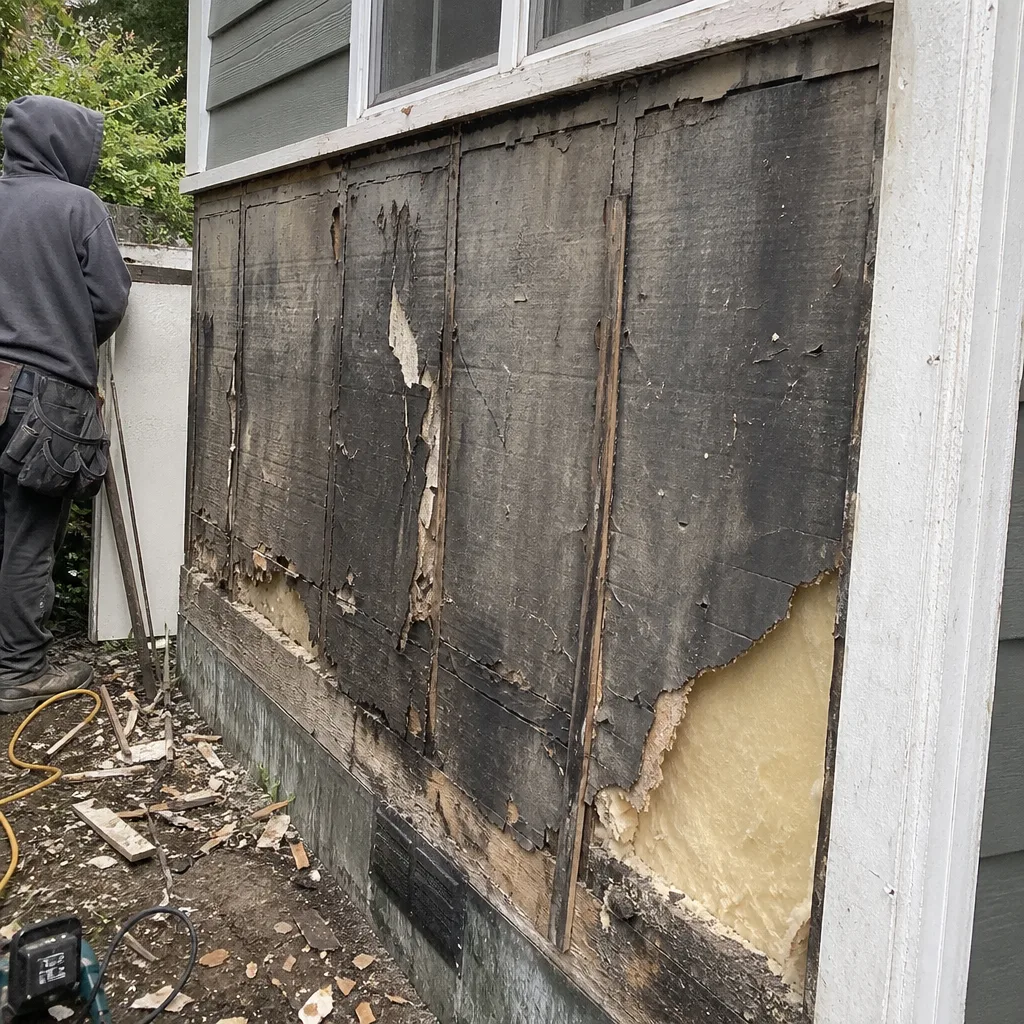 Before
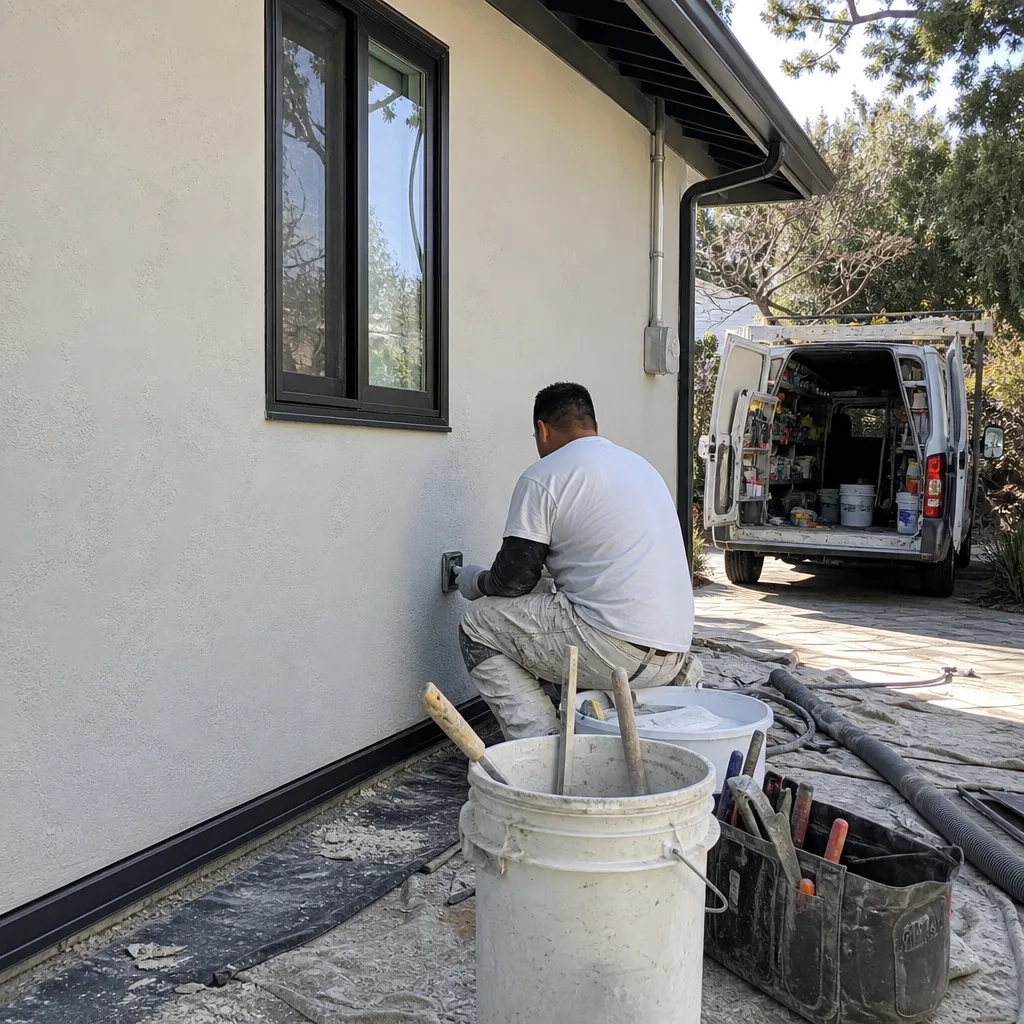 After
AfterReplacement Cost & What’s Included
Most Demilec attic insulation replacements in Menlo Park run between these ranges:
| Scope | Price Range | Typical Home Size |
|---|---|---|
| Spot repair, localized failure | $1,400 - $2,600 | Under 1,500 sq ft, one zone |
| Partial removal and reinstall | $2,800 - $4,200 | 1,500 - 2,500 sq ft, two zones |
| Full removal, air sealing, new install | $4,500 - $5,400 | 2,500+ sq ft or complex roofline |
What drives the range: accessibility (steep roof pitch adds labor), existing foam condition (complete removal vs. salvageable substrate), and whether we find unsealed top plates or can lights that were missed in the original install. Every quote includes the written scope, the Haven Standard warranty, and a Documented Photo Record. We also publish before-and-after blower-door numbers on every full replacement - a pressurization reading that shows, in one figure, how much air your home was leaking before and after the work.
Under Haven Standard Clause 1: flat price, written scope, written warranty before anyone lifts a tool. No surprises. We also offer a Free Second Opinion on any written estimate you’ve already received - bring us the competing quote and we’ll read it with you.
DIY or Call Us?
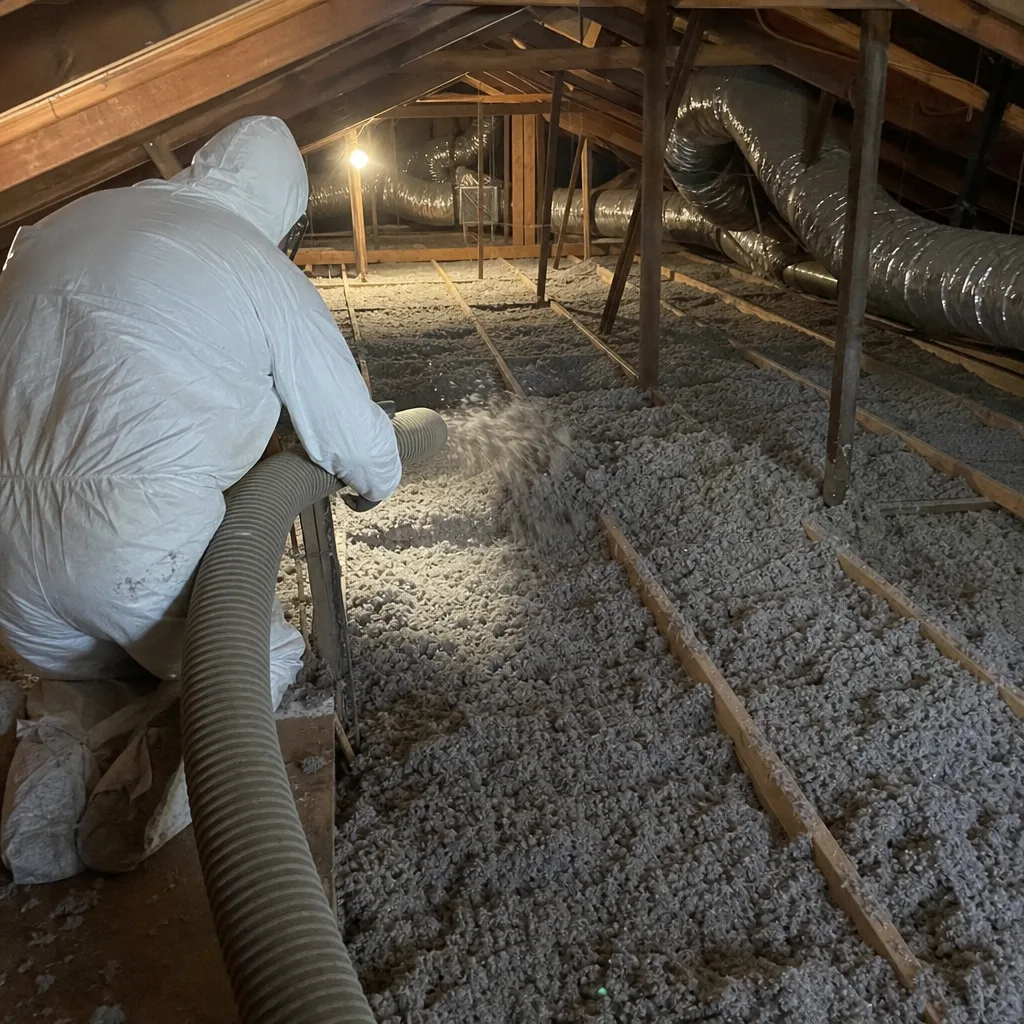
Here’s what you can safely check yourself: verify the Demilec label if it’s accessible, photograph any visible gaps or discoloration, and note which rooms have temperature problems and when. That’s useful information, and it costs nothing.
Here’s where DIY goes wrong. Removing spray foam requires grinding or chemical stripping, and the dust is not standard construction debris - it’s isocyanate-laden particulate that demands respirator protection and contained exhaust. Reapplication demands precise substrate temperature (usually 60-80°F surface temp, which Menlo Park attics rarely maintain in January), exact mix ratios, and a trained eye for lift thickness to avoid shrinkage. We’ve been called to fix homeowner spray foam jobs three times in the last two years, and each cost more than our original quote would have. Wes Okafor puts it directly: “Seal the leaks first. The insulation has nowhere useful to go until you do.” If your attic still has unsealed top plates or open can lights, new Demilec foam is a waste of money until that’s addressed.
Call (510) 876-4113 for a written price before any work starts. Estimates are free, and a live person answers 24/7.
FAQs
Properly installed Demilec closed-cell foam lasts 20-30 years, but the effective air seal often degrades sooner - 10-15 years - in attics that cycle above 130°F regularly. The Peninsula’s marine layer moderates outdoor temperatures, but south-facing roof decks in Menlo Park still hit those peaks. Annual blower-door testing catches seal degradation before it shows on your bill. Call (510) 876-4113 to schedule a test and get exact numbers for your home.
Localized adhesion failures can be spot-repaired if the surrounding foam is sound and accessible. We cut back to solid substrate, re-prep, and fill. But if the failure pattern is widespread - more than 20% of the surface area showing gaps or delamination - partial removal is more cost-effective than chasing individual spots. We document the extent with photos before recommending either path. Call (510) 876-4113 for a free assessment with a written scope.
Spot repairs finish in one day. Partial removals and reinstalls run two to three days: Day one for controlled removal and substrate prep, day two for air sealing and foam application, day three for trim and blower-door verification. Full replacements with complex rooflines may extend to four days. We don’t rush the cure time - Demilec closed-cell needs 24 hours before occupancy is safe. You’ll get a written schedule with your price before work starts.
We stock Demilec-compatible spray foam systems on our trucks for standard applications, and our distributor in San Jose maintains Heatlok HFO Pro and SEALECTION 500 with next-day availability for larger jobs. We also carry Reflectix radiant barrier and Johns Manville, Knauf, and CertainTeed alternatives when Demilec lead times stretch or when a homeowner prefers to match a non-Demilec existing system. Call (510) 876-4113 to confirm current stock for your specific model.
Written by Wes Okafor, Owner, Topside Attic Insulation Menlo Park at Topside Attic Insulation Menlo Park, serving Menlo Park and nearby areas.