
Demilec Radiant Barrier Installation: The Menlo Park Owner’s Guide
Demilec radiant barrier installation in Menlo Park typically runs $2,800-$4,200 for a 1,200-2,000 square foot attic, and we stock Demilec-compatible materials for same-day starts on most jobs. The call usually comes after a homeowner notices their second floor won’t cool below 78°F even with the AC running flat out, or after an energy audit flags attic surface temperatures above 140°F. We carry Demilec Heatlok HFO and Demilec Sealection 500 series radiant barrier assemblies, and we can match spec sheets from 2016 through current production.
Most Menlo Park homeowners don’t search for “radiant barrier” until something breaks. What breaks first is usually the air gap, not the foil itself. Dust accumulation from unsealed attic bypasses, compression from storage boards laid over the barrier, or a previous installer who stapled the product directly to the roof deck without the required 3/4-inch minimum air space. We’ve seen all three in Menlo Park, especially in the older ranch-style homes near Allied Arts Guild where attics were retrofitted in the 2000s without proper air-sealing prep.
Which Demilec Models This Applies To
Demilec manufactures radiant barrier materials as part of its spray-foam and hybrid insulation systems, not as standalone foil rolls. If your home was insulated between 2012 and 2020, you likely have a Demilec open-cell or closed-cell application with an integrated radiant barrier component, or a hybrid system where Demilec foam was paired with a reflective substrate.
Check your attic for a Demilec batch label. It’s a 3×5-inch sticker, usually on the roof deck near the access hatch or on the foam surface itself. The label shows the product series, install date, and applicator code. For Heatlok HFO (the gray foam common in California Title 24 work), the radiant barrier layer is a metallized polypropylene facing bonded to the foam during manufacture. For Sealection 500 (white, open-cell), the barrier may be a separate foil sheet installed on the hot side with a standoff system.
Aftermarket equivalents exist, but Demilec’s facing has a specific emissivity rating (0.03-0.05) and tensile strength that generic hardware-store foil doesn’t match. We’ve tested retrofits where homeowners laid Reflectix over existing Demilec work. The Reflectix product is fine for duct wrapping or garage doors, but its adhesive backing can off-gas against spray foam in a hot attic, and its 5/16-inch bubble depth doesn’t provide the air gap Demilec’s system was engineered around. We stock OEM-spec Demilec-compatible facing and can source factory-direct if your batch label is legible.
Signs Your Demilec Radiant Barrier Installation Is Failing
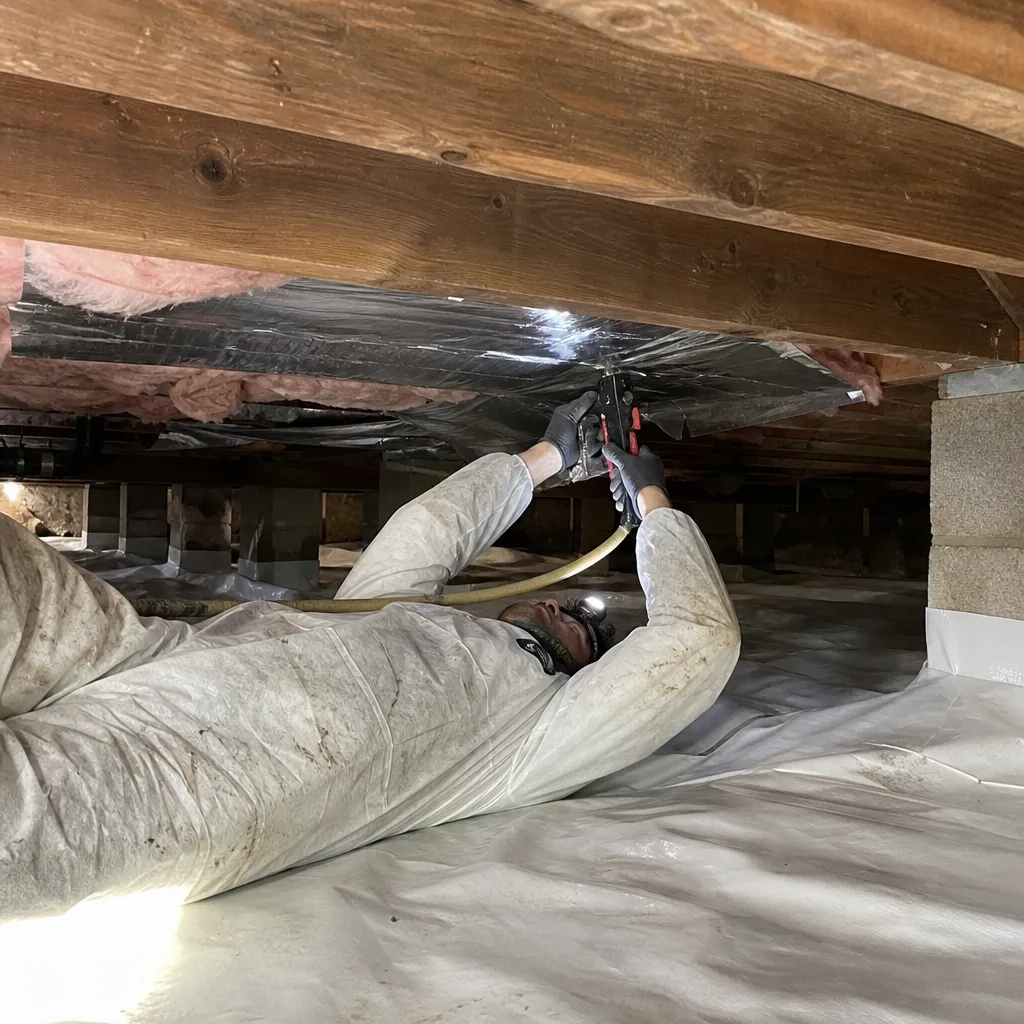
- Second floor won’t cool below 78°F by 4 PM. In Menlo Park, this usually peaks in August when attic temperatures hit 150°F. A functioning radiant barrier should drop radiant heat transfer by 40-60%. When the air gap is compromised or the facing has delaminated, that heat loads directly into your ceiling joists.
- AC runs continuously from noon to sunset. The compressor isn’t broken. The conditioned air you’re paying to create is being overwhelmed by radiant gain through the attic floor. We measure this with an infrared camera; a failed barrier shows ceiling surface temperatures within 5°F of attic air temperature.
- Dust streaks on the attic-side drywall. This means air is moving through your ceiling, carrying attic dust. The radiant barrier was likely installed before proper air-sealing of top plates and can lights. The barrier itself may be intact, but it’s doing insulation’s job while air leaks bypass it entirely.
- Foil facing visible on the attic floor, crumpled or torn. Demilec’s facing is not designed for foot traffic. If your attic has storage boards or if HVAC techs have walked the space, the barrier is probably compressed to zero air gap. R-value of compressed radiant barrier: essentially none.
- Energy bill spikes 20%+ year-over-year with no rate change. PG&E rates move, but not that fast. A degraded radiant barrier lets more heat in during cooling months and more heat out during heating months. In Menlo Park’s mild climate, the cooling penalty shows first.
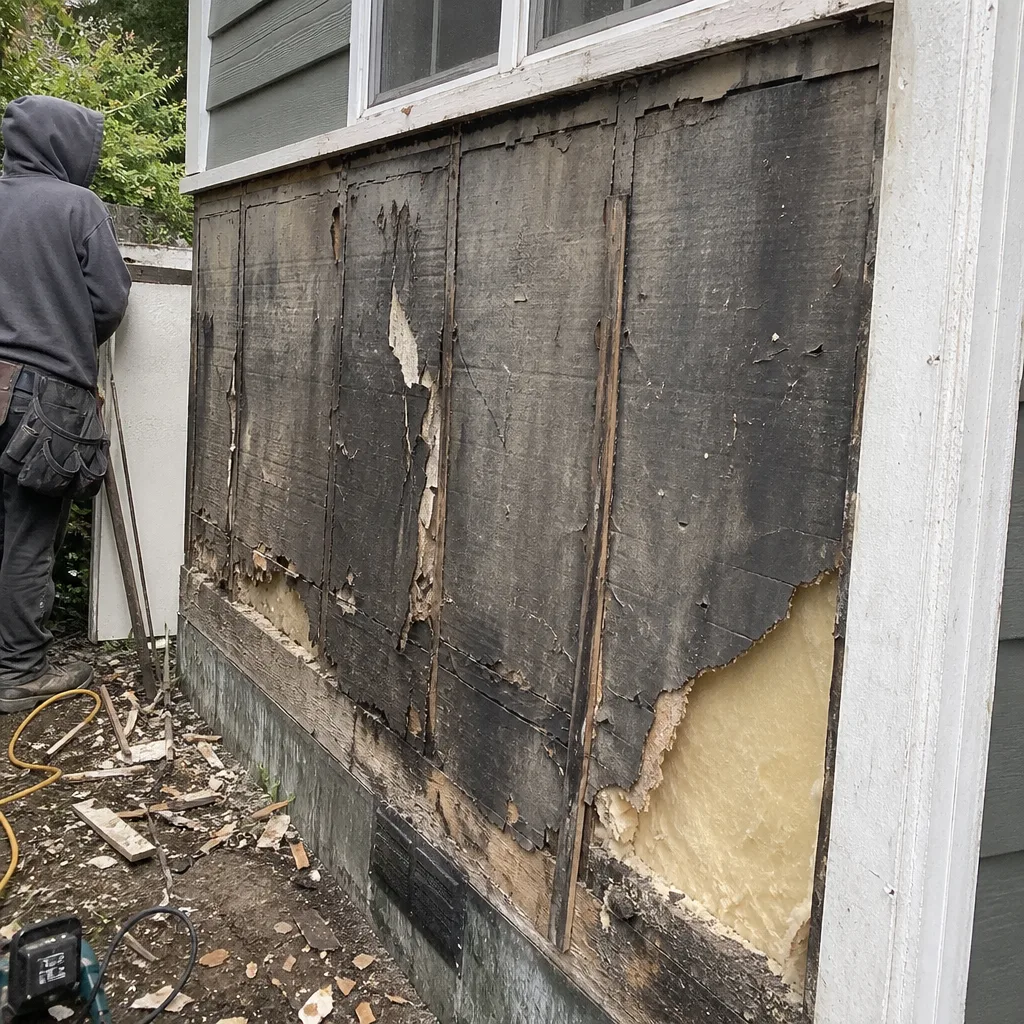 Before
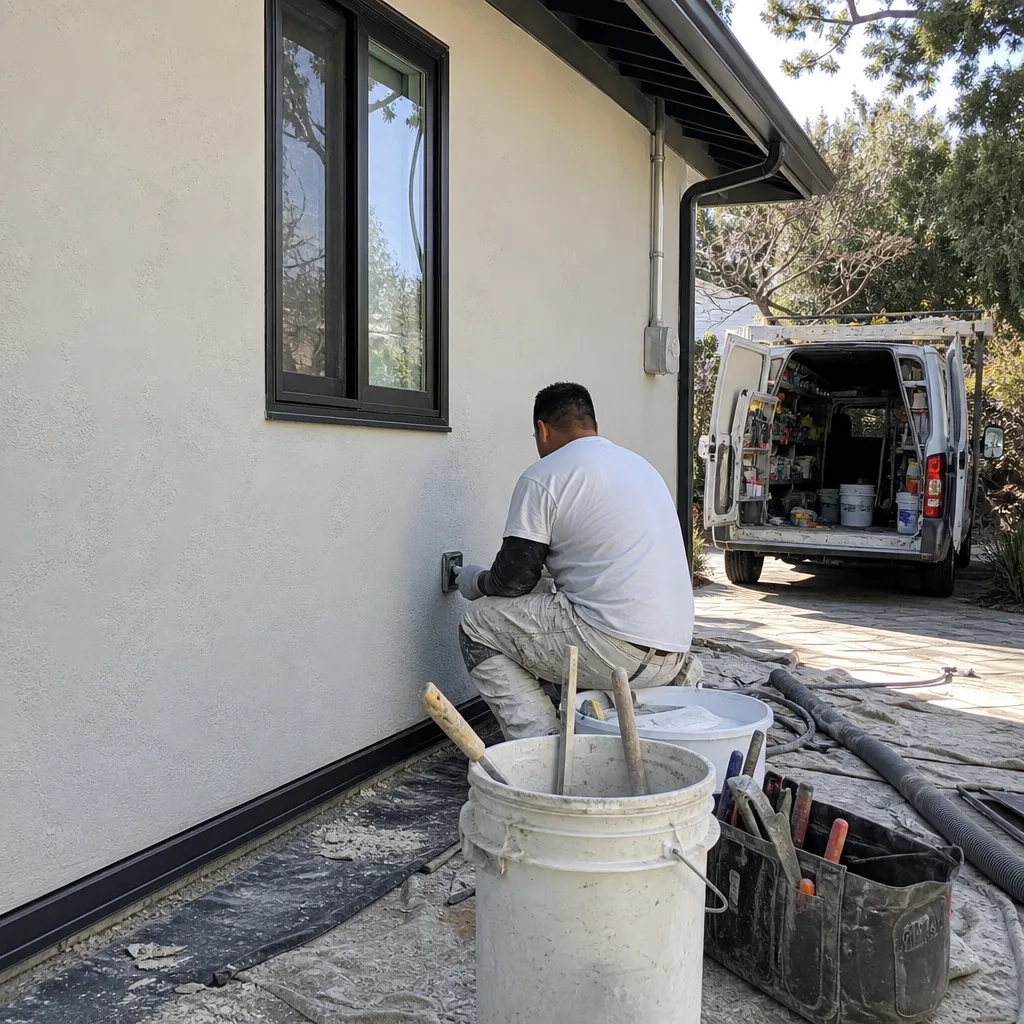 After
AfterReplacement Cost & What’s Included
| Scope | Price Range | What’s Included |
|---|---|---|
| Demilec barrier retrofit, air-sealing prep only | $1,400-$2,100 | Top plate sealing, can light boxes, penetration foam; blower-door pre/post |
| Demilec barrier replacement, standard attic (1,200-1,800 sq ft) | $2,800-$3,800 | Removal of failed facing, new OEM-spec barrier, proper standoff installation, photo record |
| Demilec barrier + full air-sealing package | $3,800-$4,200 | Complete envelope prep, new barrier, blower-door test with printed ACH50 report |
| Large or complex attic (2,000+ sq ft, multiple HVAC zones) | $4,200-$5,500 | Custom standoff framing, duct sealing, extended photo documentation |
The range depends on three things: how much failed material we remove, how much air-sealing the attic floor needs before new barrier goes in, and whether your roof deck configuration allows standard standoff clips or requires custom furring. We don’t quote over email without photos, but we do provide a written price before any work starts. Haven Standard Clause 1: flat price, written scope, written warranty before anyone lifts a tool.
Every Demilec barrier job includes our Documented Photo Record and, where applicable, before-and-after blower-door numbers. In Menlo Park’s older housing stock, we typically see pre-work readings of 3,500-5,000 CFM50 and post-work readings of 1,800-2,400 CFM50. The homeowner gets a printed report with both figures.
DIY or Call Us?
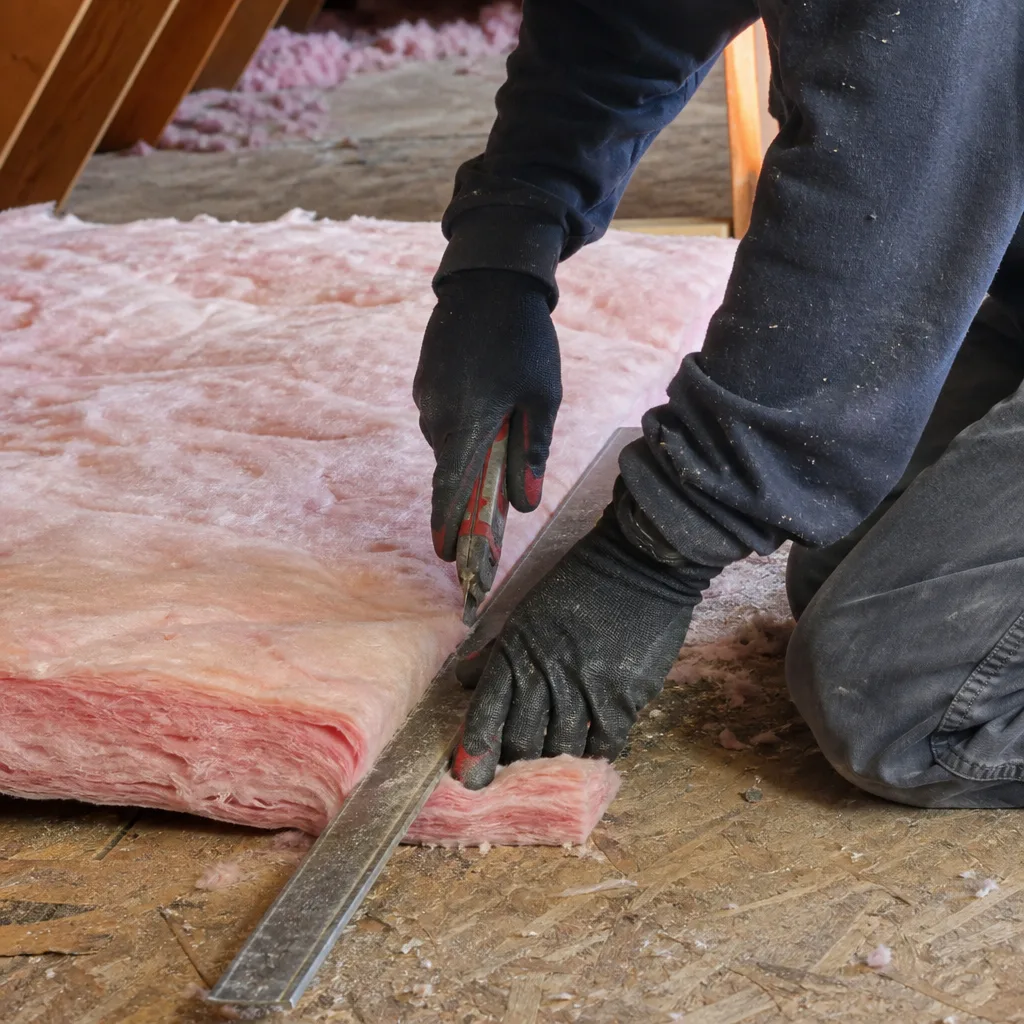
Here’s what you can safely check yourself: locate the Demilec batch label, photograph it, and note whether the facing is intact, compressed, or missing. You can also check for storage items on the attic floor and for visible light leaks around can lights from below. These observations help us scope the job before we arrive.
What you should not do: staple new foil to your roof deck without verifying the air gap, walk on finished drywall ceilings, or disturb old facing that may contain asbestos (pre-1980 homes). The radiant barrier itself isn’t high-tension dangerous, but attics are. Heat exhaustion, exposed nails, and electrical junction boxes buried in insulation are real hazards. We’ve found live knob-and-tube in Menlo Park attics where homeowners assumed the wiring was modern.
Seal the leaks first. The insulation has nowhere useful to go until you do. That’s not a slogan; it’s what Wes Okafor learned retrofitting ranch homes where crews had blown fiberglass over unsealed top plates for years.
If your Demilec barrier is failing, call (510) 876-4113. We’ll read your batch label with you, confirm what’s in stock, and schedule a site visit with a written price.
FAQs
Properly installed Demilec facing lasts 20-25 years, but the air gap fails first. In Menlo Park’s climate, dust accumulation and compression from attic storage typically degrade performance in 10-15 years. Call (510) 876-4113 for a free assessment if your install is over a decade old.
Localized tears can be patched with OEM-compatible tape, but compression damage and delamination require full replacement. We don’t patch over failed air gaps because the performance gain isn’t worth the labor cost. Bring us a photo and we’ll tell you which category you’re in.
Most Demilec barrier replacements in Menlo Park take one day for attics under 2,000 square feet, or two days if extensive air-sealing is needed. We work slowly through the attic hatch because rushed air-sealing shows up in blower-door numbers twelve months later. You’ll get a text when the crew is en route.
We stock Demilec-compatible radiant barrier facing and standoff hardware for same-day starts on most jobs. Factory-direct OEM orders take 5-7 business days. When you call (510) 876-4113, we’ll confirm stock against your batch label and schedule accordingly.
Written by Wes Okafor, Owner, Topside Attic Insulation Menlo Park at Topside Attic Insulation Menlo Park, serving Menlo Park and nearby areas.