
GreenFiber Wall Insulation in Menlo Park: What to Know First
GreenFiber wall insulation in Menlo Park typically runs $2,800-$5,400 for a full exterior-wall retrofit on a 1,800-square-foot home, with most jobs completed in one to two days. As an independent GreenFiber service provider, we stock the All Borate and Sanctuary lines, source OEM-spec fill tubes and port plugs, and publish before-and-after blower-door numbers on every job so you see the actual air-leakage reduction, not a promise. We do not start work without a written price and a written scope - that’s Haven Standard Clause 1. Call (510) 876-4113 for a free estimate with no callback window.
This page is for Menlo Park homeowners who already have GreenFiber insulation in their walls and need it added, replaced, or corrected after settling, moisture damage, or failed retrofit work. If you’re comparing cellulose to spray foam or mineral wool, we install those too - but this page is about GreenFiber specifically, and what our crews have learned from handling it in Peninsula homes built from the 1950s through the 2000s.
How GreenFiber Products Fail - and How We Fix Them
- All Borate settled below the top plate in two-story Menlo Park ranches. The borate fire retardant is effective, but the loose-fill density in walls without proper netting or adhesive can settle 15-20 percent over five to seven years, leaving a cold band at the ceiling line. We remove the settled material through drill-and-fill ports, re-net with Insofast-style retention fabric, and re-blow to 3.5 pounds per cubic foot - the density GreenFiber specifies for wall cavities, not attic floors.
- Sanctuary line absorbed moisture where stucco met unflashed window headers. Sanctuary’s recycled-content cellulose handles moderate humidity well, but in Menlo Park’s winter fog belts - especially west of El Camino Real near the Stanford hills - capillary wicking through stucco cracks can saturate the bottom two feet of exterior walls. We pull the wet batts, dry the cavity with directed airflow, treat the sheathing with borate fungicide, and reinstall with a vapor-smart strategy that accounts for the home’s original construction era.
- Retrofit fill tubes left voids around electrical boxes and plumbing stacks. GreenFiber’s own installation guidelines warn against this, but we’ve found it in at least a dozen Menlo Park homes where previous crews rushed the job. The cellulose bridges across the cavity instead of filling behind the obstruction. We use angled fill tubes and low-pressure staging - blowing in lifts with deliberate settling time - to get complete coverage around every penetration.
- Top-plate gaps untreated before GreenFiber went in. This isn’t a product failure; it’s a sequencing failure we see constantly. A Menlo Park homeowner calls us because their walls are “insulated” but the house still drafts. The GreenFiber is doing its job, but conditioned air is escaping through the top plate into the attic. We seal first with acoustic sealant and rigid foam, then add or restore the GreenFiber. Seal the leaks first. The insulation has nowhere useful to go until you do.
- GreenFiber compressed by subsequent electrical or plumbing work. When an electrician fishes new Romex through a wall packed with All Borate, the cable displaces insulation and creates a channel. We map these voids with thermal imaging, open minimal access points, and re-densify the cavity without stripping the wall finish.
Our GreenFiber Wall Insulation Process
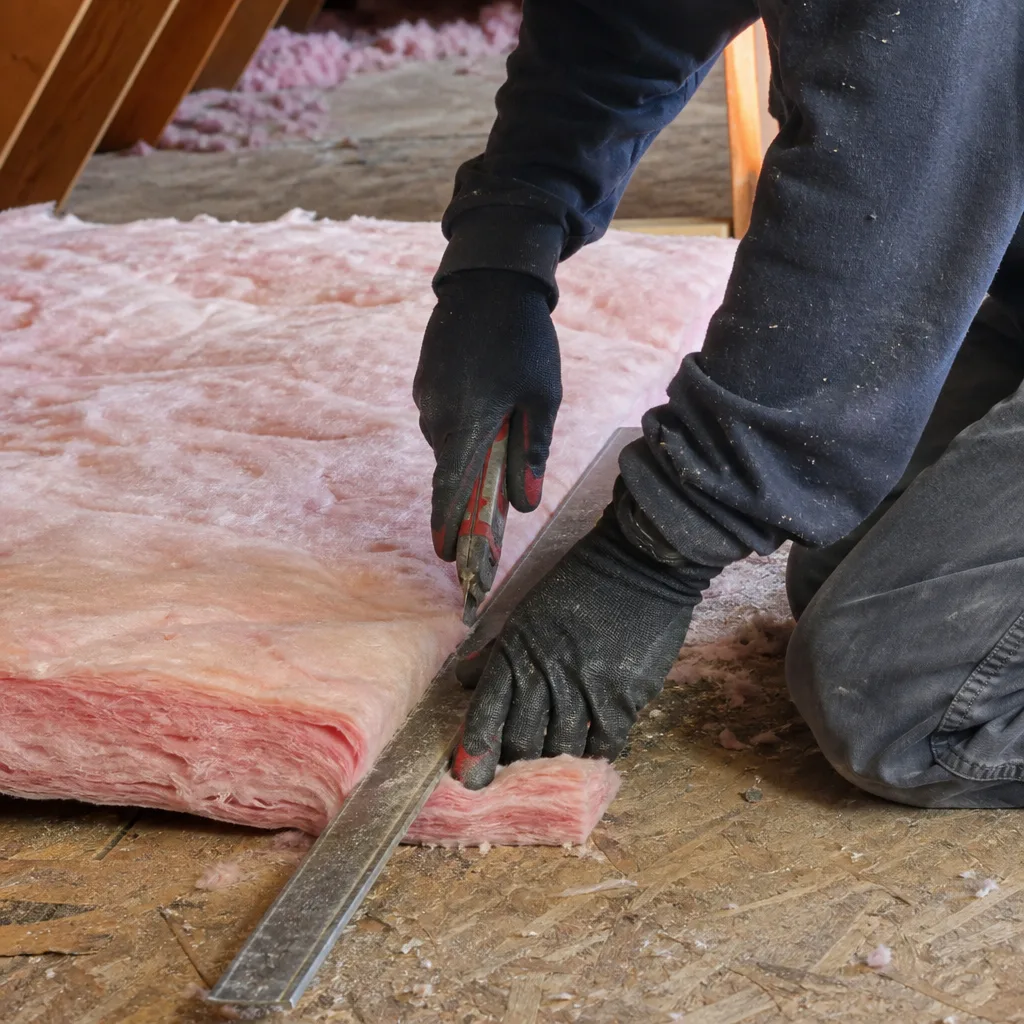
- 1
Call and scheduling. A live person answers - no voicemail loop. We book a site visit in Menlo Park, usually within 48 hours. You receive a text with the technician’s name when they’re en route.
- 2
Blower-door test and thermal scan. We pressurize the house and record the CFM50 baseline - the starting leakage number. Then we run a thermal camera to find where GreenFiber is missing, settled, or wet. You get a printed report with the photos.
- 3
Written scope and price. Before any work starts, we deliver a flat price, a written scope of work, and the 365-Day Done Right Promise in writing. Haven Standard Clause 1: no surprises.
- 4
Air sealing first, then insulation. Top plates, can lights, plumbing penetrations, and electrical boxes get sealed with appropriate materials. Only then do we open GreenFiber bags.
- 5
Installation with density verification. We blow to manufacturer spec, spot-check with cavity probes, and photograph the fill behind every access hole before patching.
- 6
Post-test and documentation. We run the blower door again and hand you the before-and-after numbers, plus the Documented Photo Record. If the CFM50 didn’t drop proportionally to the work scope, we find out why before we leave.
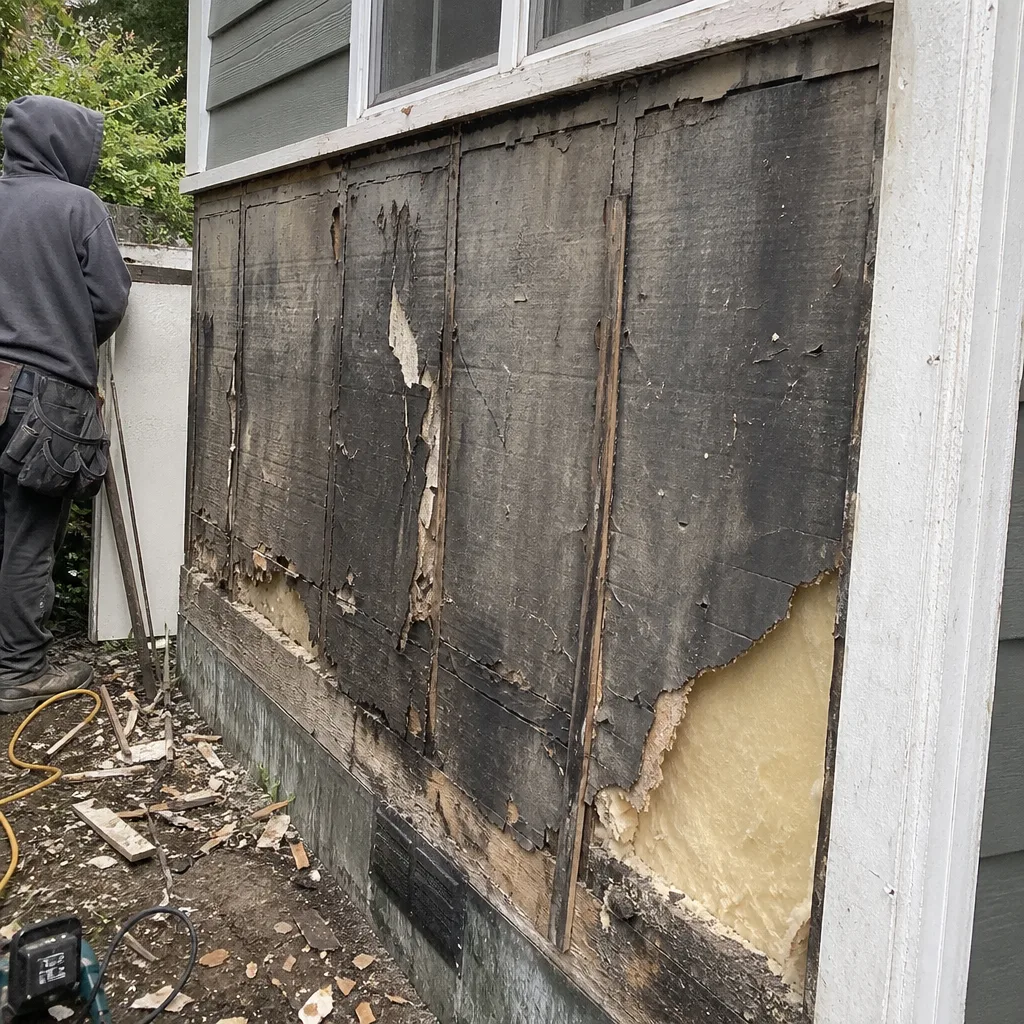 Before
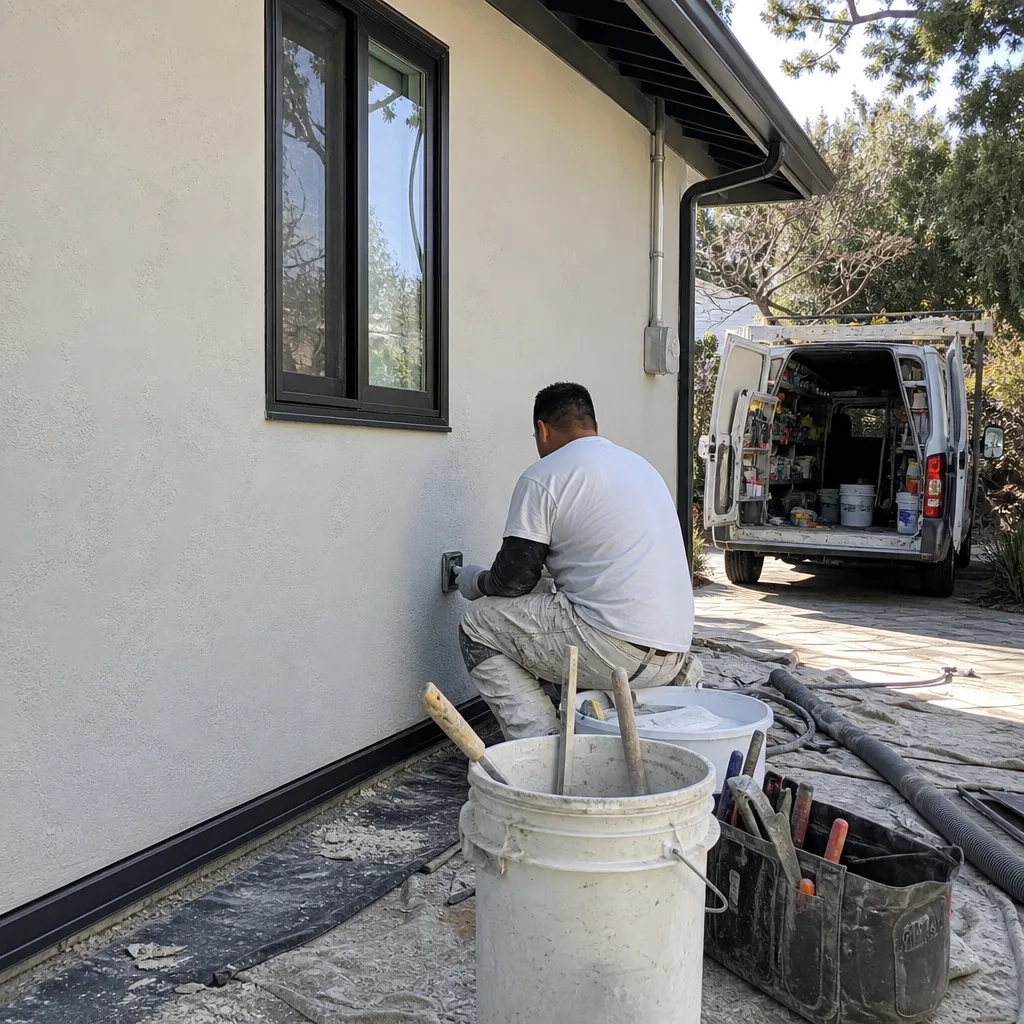 After
AfterWhat GreenFiber Wall Insulation Costs in Menlo Park
| Scenario | Typical Range | What Moves the Price |
|---|---|---|
| Drill-and-fill exterior walls, single story, 1,200 sq ft | $2,800-$3,800 | Stucco vs. siding access, number of windows to work around |
| Drill-and-fill exterior walls, two story, 2,400 sq ft | $4,200-$5,400 | Scaffold or lift needs, cavity obstructions (knob-and-tube, steel studs) |
| Interior soundproofing partition walls, per room | $1,400-$2,200 | Double vs. single stud, existing drywall removal and replacement |
| Removal and replacement of wet/settled GreenFiber | Add 30-45% | Mold remediation, sheathing repair, drying time |
| Top-plate air sealing only (no insulation) | $800-$1,600 | Attic accessibility, existing insulation depth to move |
These are real numbers for Menlo Park’s market, not placeholders. Every job gets a written price before work starts - no exceptions. Call (510) 876-4113 for a free estimate; we’ll read any competing written quote with you as part of our Free Second Opinion.
Why Menlo Park Homeowners Call Topside Attic Insulation Menlo Park for GreenFiber Work
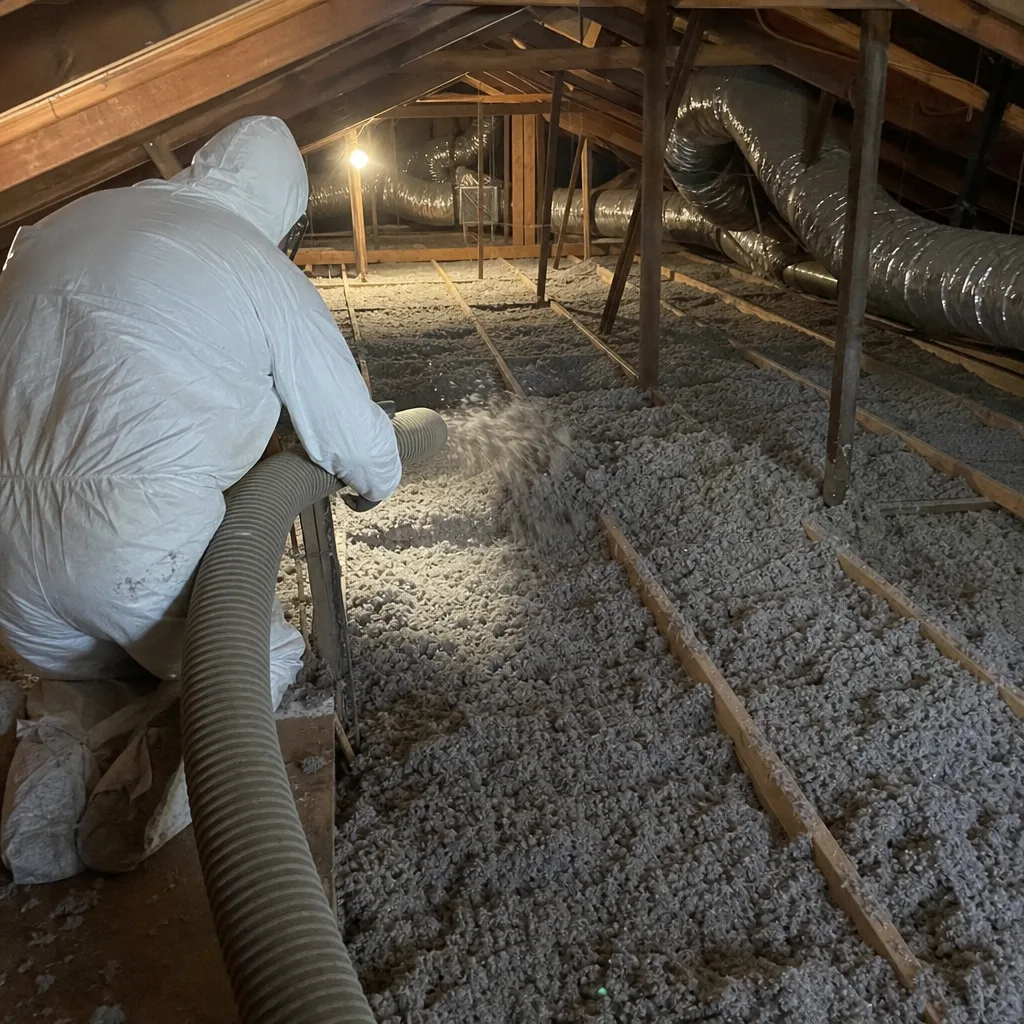
We’ve sealed and insulated over 9,000 homes since 2016, and a measurable subset of those were Menlo Park properties with GreenFiber already in place - some we installed, most we corrected. Wes Okafor, who runs the crews, started every one of those jobs with a blower-door test and ended it with printed numbers. The 365-Day Done Right Promise applies to GreenFiber work exactly as it does to spray foam or mineral wool: if it’s not done right, we make it right, and the warranty is in writing before anyone lifts a tool.
We also stock and install Reflectix and other brands, so if GreenFiber isn’t the right product for your wall assembly - say, you need a radiant barrier in a south-facing second story - we won’t force a brand match that doesn’t fit the building science. Our technicians are background-checked, uniformed, and trained on the specific density and moisture protocols that cellulose demands. Calls are answered by a live person 24/7.
FAQs
GreenFiber’s limited warranty covers product defects, not installation errors or building-envelope failures that allow moisture in. If your All Borate or Sanctuary line settled because it was under-densified, or got wet because flashing failed, that’s a workmanship or maintenance issue, not a material defect. We document the actual cause with photos and blower-door data so you know what you’re dealing with before deciding on a fix. Call (510) 876-4113 and we’ll walk through your situation - estimates are free.
We source GreenFiber-spec fill tubes, port plugs, and netting from the same supply chain GreenFiber recommends, and we stock All Borate and Sanctuary in our Menlo Park-area warehouse. For some retrofit accessories - specialized cavity dams, for instance - we use quality aftermarket equivalents that meet or exceed OEM spec. We tell you which is which in the written scope, and we never claim manufacturer authorization we don’t have.
Repair is usually 40-60 percent less than full removal and replacement, but only if the existing material is dry, un-compacted, and accessible. If it’s wet, moldy, or was installed without air sealing first, repair becomes a band-aid and we recommend full correction. We give you both prices in writing so you can decide on data, not pressure. Call (510) 876-4113 for the exact numbers on your home.
Most drill-and-fill retrofits finish in one to two days. Jobs requiring drywall removal and replacement, or extensive air sealing of a 1950s ranch with knob-and-tube wiring, can stretch to three days. We schedule with a start date, not a “sometime next week” window, and we text you when the crew is on the way.
Cellulose is vapor-permeable, so it doesn’t create the same moisture-trap risk as closed-cell spray foam in a mixed climate like Menlo Park’s. That said, we still assess the wall assembly - stucco over tar paper, siding over Tyvek, or something else - before specifying density and whether a smart vapor retarder belongs on the interior. The answer depends on what your walls actually are, not a generic rule.
Written by Wes Okafor, Owner, Topside Attic Insulation Menlo Park at Topside Attic Insulation Menlo Park, serving Menlo Park and nearby areas.