
Crawl Space Vapor Barrier in Menlo Park, CA
Our Crawl Space Encapsulation & Vapor Barrier services use polyethylene or reinforced poly sheeting installed across the ground and up the stem walls of your crawl space to block ground moisture before it migrates into the floor system above. In Menlo Park, where the Bay’s marine layer keeps relative humidity elevated most of the year and winter rain saturates the clay soils under older neighborhoods like Belle Haven and the Willows, an undersized or missing vapor barrier is consistently one of the first problems we find when we pull an inspection light under a house. Most installations in a standard Menlo Park crawl space run between $900 and $2,800 depending on square footage, access conditions, and the mil thickness specified – and the job typically finishes in a single day.
This page covers what a vapor barrier does, how to tell when yours has failed or was never adequate, how we install it, and what it costs. If you want the broader picture of crawl space moisture control – including full encapsulation, drainage matting, and mechanical dehumidification – visit our Crawl Space Encapsulation & Vapor Barrier in Menlo Park page. And if you have a written estimate from another contractor, bring it to us – we offer a free second opinion on any written quote, read it line by line with you, and tell you exactly what you’re comparing.
To schedule a crawl space inspection or get a written price before anyone touches your home, call Topside Attic Insulation Menlo Park at (510) 876-4113. A live person picks up – no voicemail loops.
When You Need a Crawl Space Vapor Barrier
These are the situations we see most often when homeowners in Menlo Park reach out. Not every case is an emergency, but each one gets worse the longer the ground moisture goes unblocked.
- Wood floors that cup, buckle, or develop a soft bounce. When crawl space humidity stays elevated long enough, subfloor sheathing absorbs moisture and swells. In Belle Haven homes built before 1970 – many with original fir subfloors – we regularly find moisture content above 19 percent, well past the threshold where wood begins to lose structural integrity.
- A musty smell on the ground floor, especially in winter or after rain. Ground-sourced moisture carries a distinct earthy odor. If you notice it appearing after the first November rains and clearing somewhat in summer, the ground under your home is the source.
- Existing barrier that’s torn, displaced, or covered in standing condensation. Builders sometimes install 6-mil poly that tears during pest inspections or shifts when someone crawls through. A barrier with large gaps or overlaps that aren’t taped does almost nothing.
- Visible mold or efflorescence on stem wall concrete. White mineral deposits (efflorescence) on a stem wall mean water has been moving through the concrete repeatedly. Mold on floor joists above an unsealed or missing barrier is a direct consequence of persistent humidity.
- HVAC equipment or ductwork located in the crawl space. Menlo Park homes with forced-air systems often run supply and return ducts through the crawl. High crawl humidity accelerates duct joint failure and can significantly reduce system efficiency – a problem that costs money every month, not just at inspection time.
- Recent termite or pest treatment that required disturbing the existing liner. Many pest control protocols in San Mateo County require technicians to pull back or perforate vapor barriers to access the soil. After treatment, that barrier needs to be repaired or replaced – and rarely is without a specific follow-up call.
Our Crawl Space Vapor Barrier Process
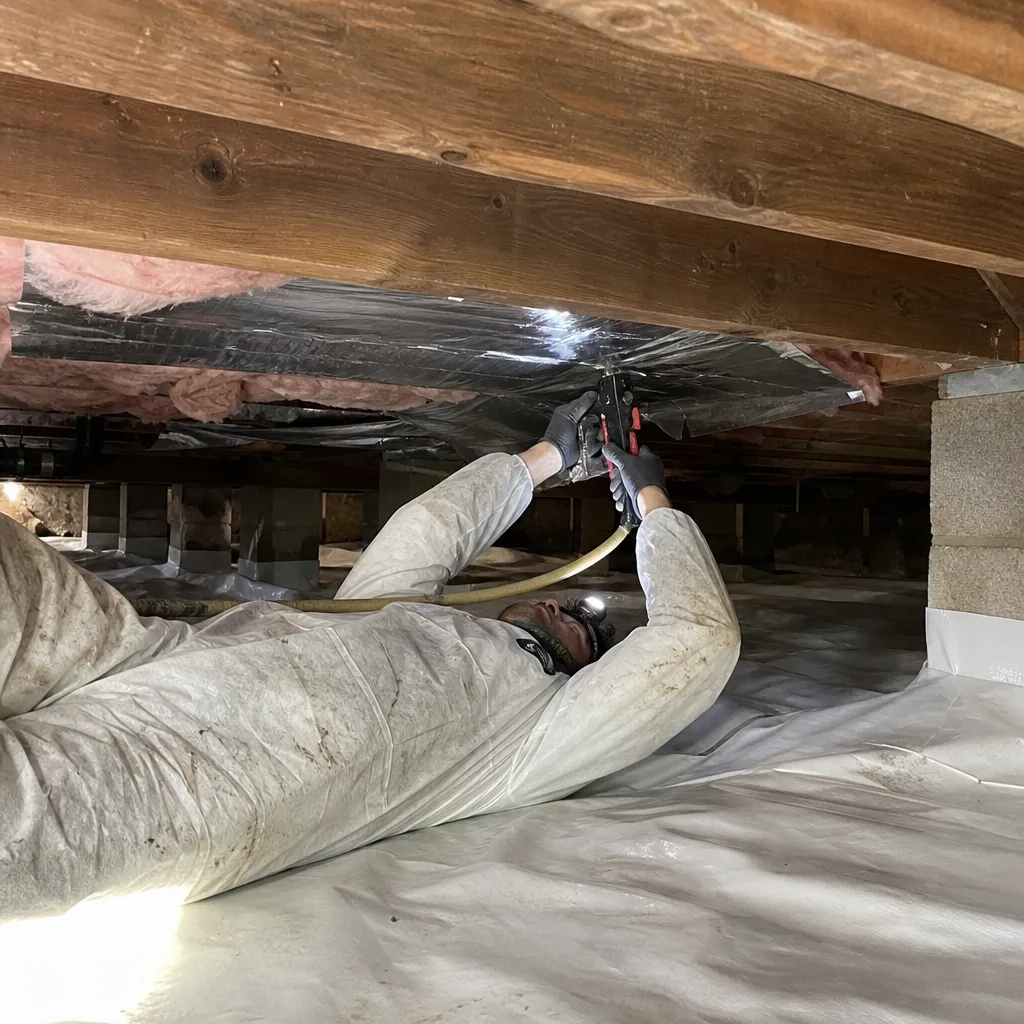
Under the Haven Standard, you receive a written price and a written scope before anyone enters your crawl space. Here is what that scope covers, step by step.
- Full crawl space inspection with a documented photo record. Before we quote anything, a technician – background-checked, uniformed, and identified by name in the text you receive before arrival – goes under the home with a moisture meter and a camera. We measure crawl height at multiple points, photograph the existing barrier (or lack of one), check wood moisture content at the sill plate and joists, and note any standing water, mold, or pest activity. Every photo is labeled and included in your job record.
- Written price delivered before any work starts. Haven Standard Clause 1: flat price, written scope, written warranty before anyone lifts a tool. You’ll know the mil thickness specified, the square footage calculated, and what happens if the crew finds something unexpected – in writing, not over the phone.
- Debris removal and ground leveling. Old, torn, or inadequate liner comes out. Debris that would puncture the new barrier – gravel, wood scraps, old fasteners – is cleared. In Menlo Park’s clay-heavy soils, this step matters more than it does in sandier lots because clay holds pooled water in low spots that never fully drain.
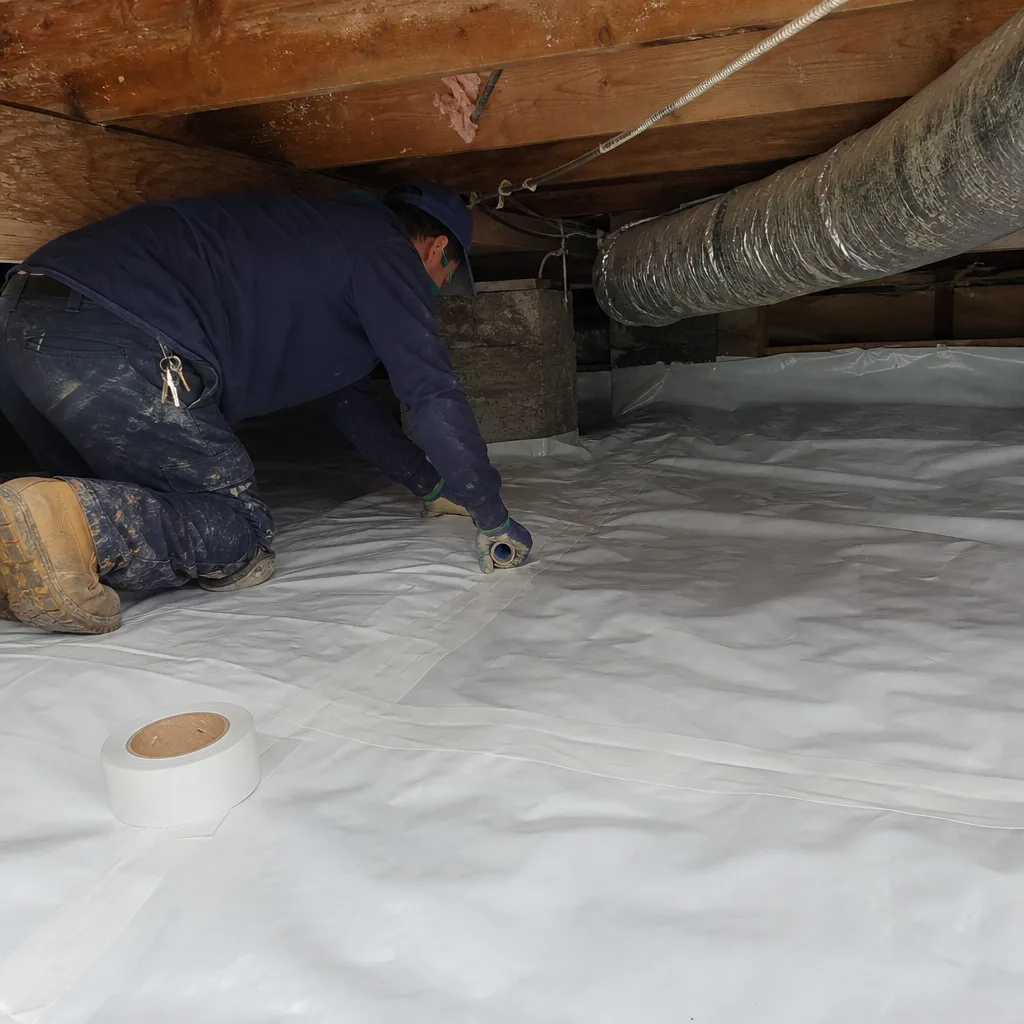
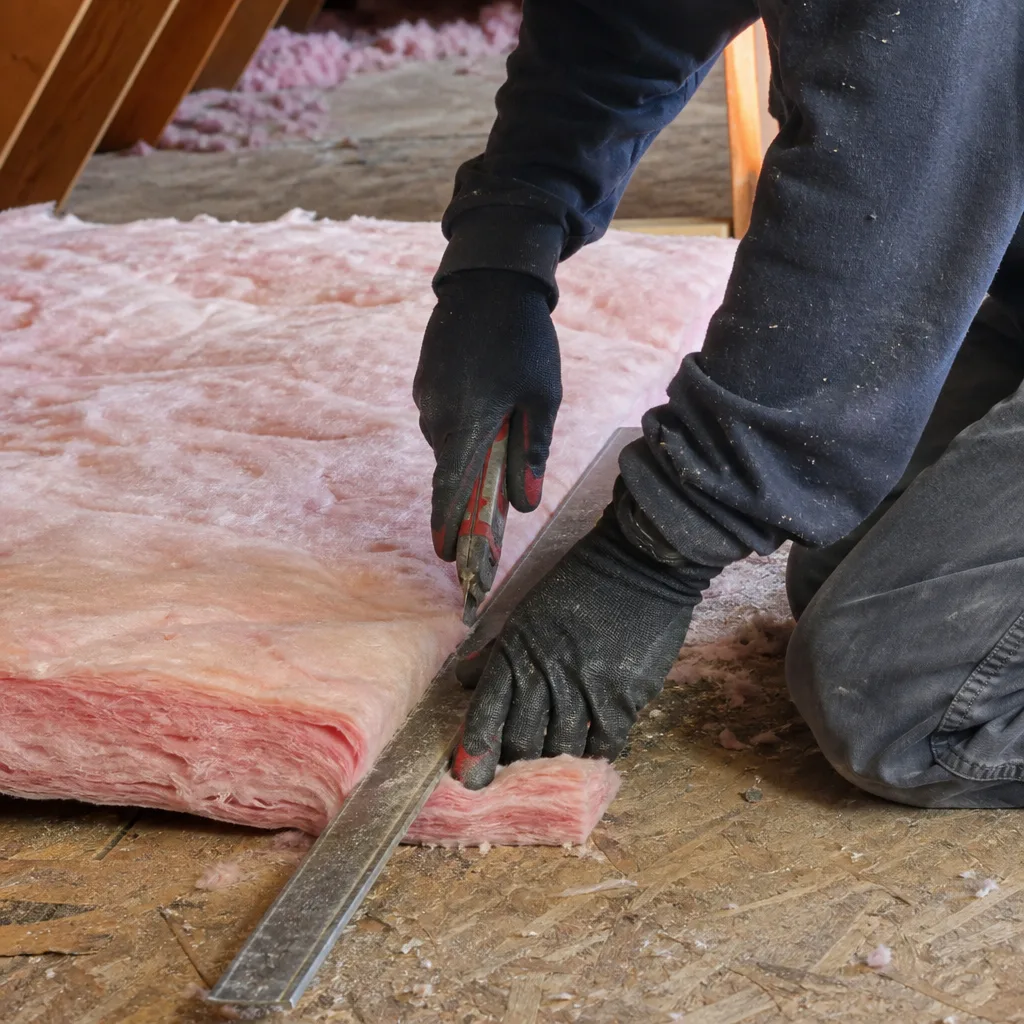
- Vapor barrier installation across the ground plane and up stem walls. We install a minimum 10-mil reinforced polyethylene barrier (heavier mil on jobs with known moisture intrusion or restricted access that makes repairs difficult). Panels overlap by at least 12 inches, and every seam is sealed with manufacturer-specified tape – not left as a simple overlap. The barrier runs up each stem wall and is mechanically fastened and taped at the top edge. We use materials from established manufacturers; depending on the job’s specification, that may include CertainTeed or other comparable products from our standard supply chain.
- Penetration sealing. Every pipe, post, and column that passes through the barrier gets sealed individually. This is the step that most budget installations skip. An unsealed penetration around a 4-inch support post is still a direct moisture channel regardless of how well the rest of the liner is installed.
- Final inspection, moisture readings, and documented photo record. After installation, we take post-install moisture readings at the same joist points we measured before, photograph the completed work from multiple angles, and walk you through the documentation. You leave with photos showing the finished installation, your written warranty, and – on applicable jobs – the before-and-after measurement data.
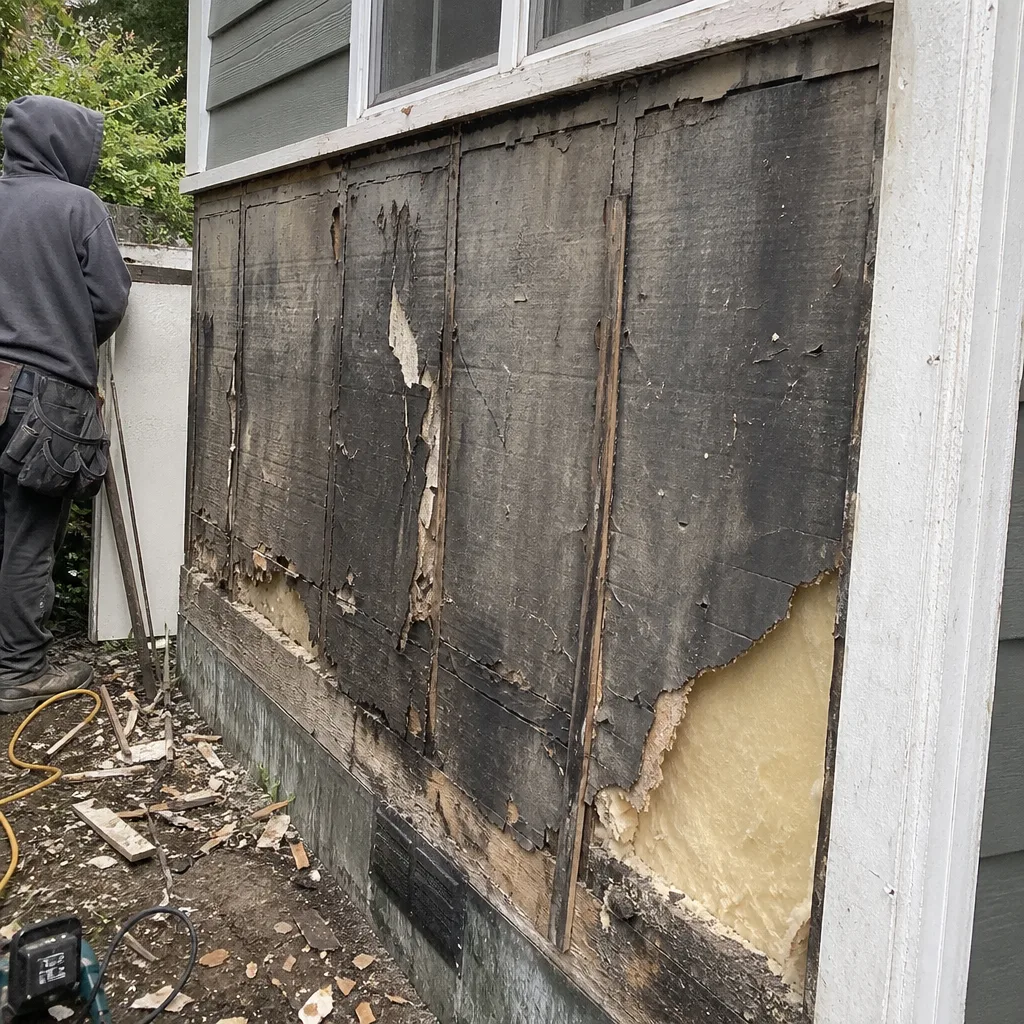 Before
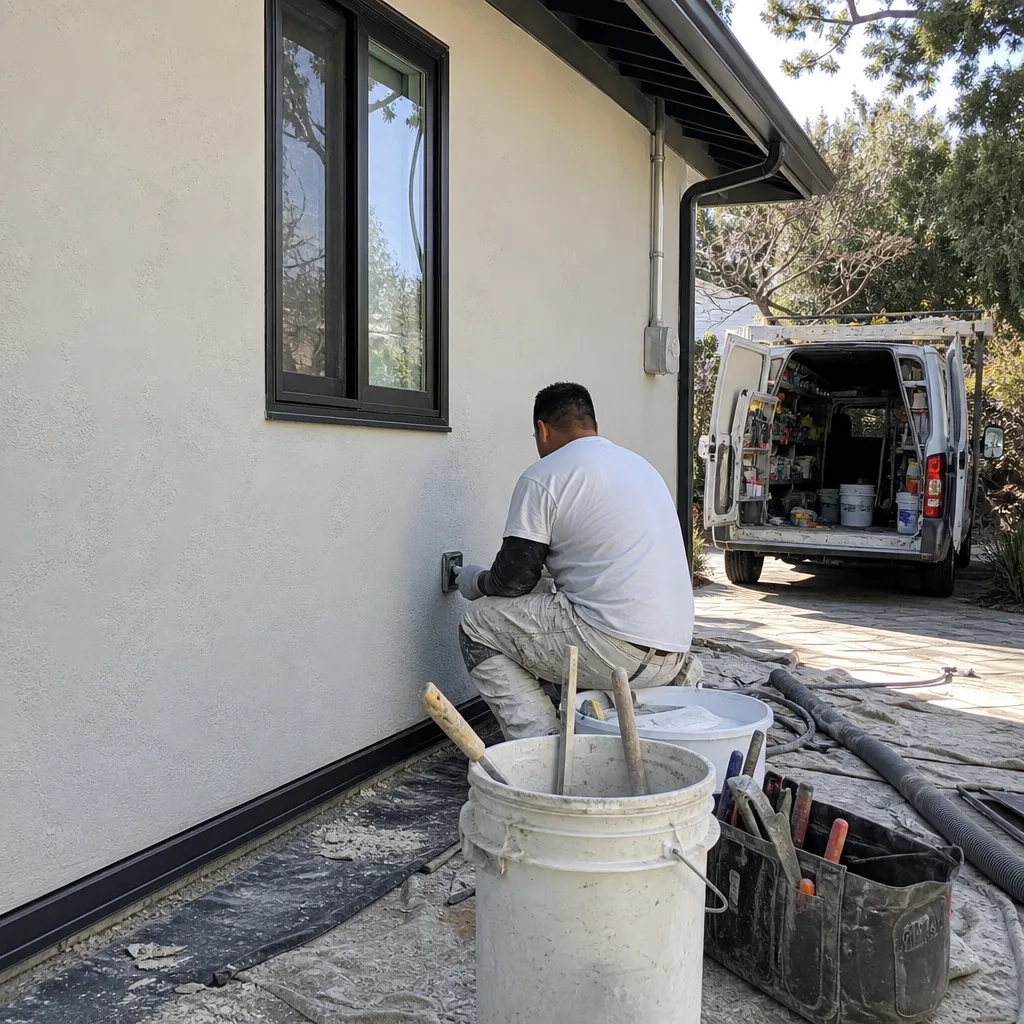 After
AfterCrawl Space Vapor Barrier Pricing in Menlo Park
How Much Does Crawl Space Encapsulation & Vapor Barrier Cost? (2026 Price Guide) - Menlo Park, CA: installation typically falls between $900 and $2,800 for most residential crawl spaces. Here is how the range breaks down.
| Scenario | Typical Range |
|---|---|
| Small crawl space under 800 sq ft, good access, thin liner replacement | $900 – $1,300 |
| Mid-size crawl space 800-1,500 sq ft, standard access, 10-mil barrier | $1,300 – $1,900 |
| Large crawl space 1,500+ sq ft or restricted access, heavy-mil barrier, full penetration sealing | $1,900 – $2,800 |
| Old liner removal added to any tier above | Add $150 – $400 |
| Stem wall insulation added at same visit | Quoted separately – ask for a combined scope |
Several factors move a job toward the higher end of its tier. Menlo Park’s Willows neighborhood, for example, has many homes with crawl heights under 24 inches – tight enough that installation takes measurably longer and increases labor cost. Homes near the Bay in Belle Haven sometimes have soil moisture conditions that warrant a 15-mil or 20-mil barrier rather than a standard 10-mil. And any crawl space where a previous pest treatment was done without a barrier repair follow-up typically needs old material hauled out before new liner goes in.
We do not ask you to call for pricing. Under the Haven Standard, a written price comes before any work starts – that applies to every job, including vapor barrier installations. Schedule a crawl space inspection and you will have a flat-price written scope in hand before our truck leaves your driveway. If you already have a written estimate from another contractor, bring it; our free second opinion offer means we will read it with you and tell you what you are actually comparing.
FAQs – Crawl Space Vapor Barrier
What thickness (mil) vapor barrier does a Menlo Park crawl space actually need?
Most Menlo Park crawl spaces need a minimum 10-mil reinforced poly barrier, and Crawl Space Insulation with higher ground moisture – particularly in the lower-elevation areas near San Francisquito Creek or in Belle Haven where water tables rise in wet years – often warrant 15-mil or 20-mil. The 6-mil sheets you can buy at a hardware store are the minimum code allows in some jurisdictions, but they tear easily during the inspections and pest treatments that happen routinely in San Mateo County and don’t hold up at lap seams over a full installation lifetime. Mil thickness is something we specify in writing before the job starts, so you’re not relying on a verbal description of what went in. Call (510) 876-4113 and we’ll assess your crawl and give you a written recommendation at no charge.
How much does a crawl space vapor barrier cost in Menlo Park?
Most vapor barrier installations in Menlo Park run between $900 and $2,800 depending on crawl square footage, access conditions, mil thickness, and whether old liner removal is needed. A standard mid-size crawl under a typical Menlo Park home – around 1,000 to 1,200 square feet – usually falls in the $1,300 to $1,700 range with a 10-mil barrier and full penetration sealing. You will have a flat written price in hand before any work begins. Call (510) 876-4113 for a free on-site estimate.
Is a vapor barrier enough, or do I need full crawl space encapsulation?
A ground vapor barrier handles moisture rising from the soil, which is the most common source of crawl space humidity in Menlo Park. Full encapsulation – which adds sealed foam insulation on the stem walls, a conditioned or mechanically dehumidified air space, and sometimes a drainage layer – is the right call when the crawl space also has bulk water intrusion after heavy rain, significant thermal loss through uninsulated walls, or HVAC equipment that needs a more controlled environment. If your main symptom is a musty smell or elevated floor moisture readings but no standing water, a quality vapor barrier installation often solves the problem completely. Our inspection process identifies which scenario you’re actually in. See the full options on our Crawl Space Encapsulation & Vapor Barrier in Menlo Park page.
How long does crawl space vapor barrier installation take in Menlo Park?
Most vapor barrier jobs in Menlo Park complete in a single day. A small crawl under 800 square feet with good access typically takes three to five hours from setup to final photos. Larger crawl spaces, low-clearance areas common in pre-1960 Menlo Park homes, or jobs requiring significant old-liner removal can run into a second half-day – something we identify during the inspection and account for in the written scope so there are no surprises. You will have the documented photo record and written warranty before the crew leaves.
Why Menlo Park Homeowners Work with Topside Attic Insulation Menlo Park
Since 2016, the team led by Wes Okafor has worked under The Haven Standard – a set of operating commitments that existed before this company started rather than something written after the fact to describe what the company hopes to do. Every job in Menlo Park starts with a written price and ends with a documented photo record. On applicable jobs, before-and-after measurements are provided so the homeowner can see the result in numbers rather than trust a technician’s summary of it.
Wes Okafor built this operation around one observable pattern: most moisture and air-sealing problems in crawl spaces are found late because no one documented what was there at the start. A photo record at installation creates a baseline. When a buyer’s inspector or a pest control company asks what’s under the house five years from now, you have an answer on file. That’s not a sales point – it’s what leaving documentation looks like before we arrive.
We’ve completed crawl space work across Menlo Park’s varied housing stock – ranch homes in the Willows with shallow crawl clearances, older Craftsman bungalows in the Allied Arts neighborhood, and mid-century builds near El Camino Real with multiple past repairs layered on top of each other. Each one got a written scope, a flat price, and photos. That’s the job, every time.
The 365-Day Done Right Promise applies to every completed project: if it’s not done right, we make it right. That commitment is in writing before anyone starts, not offered retroactively when something goes wrong.
Key Takeaways
- Crawl space vapor barrier installation in Menlo Park typically runs $900 to $2,800, with most mid-size homes landing in the $1,300 to $1,900 range.
- A minimum 10-mil reinforced barrier is the standard for Menlo Park; homes near the Bay or creek corridors often need heavier mil.
- Every job starts with a written price and ends with a documented photo record – Haven Standard, no exceptions.
- A ground vapor barrier solves moisture rising from soil; full encapsulation adds stem wall treatment and conditioned air control for more severe situations.
- Most installations complete in one day; low-clearance or large crawl spaces may extend to a second half-day, noted in the written scope upfront.
- The 365-Day Done Right Promise is written into every job before work starts.
Ready to find out exactly what’s under your Menlo Park home? Call Topside Attic Insulation Menlo Park at (510) 876-4113 to schedule a crawl space inspection. You’ll get a written price before any work starts, a technician identified by name before arrival, and a documented photo record when the job is done. If you have a competing written estimate, bring it – the free second opinion is available on any written quote.
Written by Wes Okafor, Owner at Topside Attic Insulation Menlo Park, serving Menlo Park.