
Attic Batt Insulation in Menlo Park, CA
Attic batt insulation in Menlo Park typically costs between $1.50 and $3.20 per square foot installed, with most single-story homes running between $1,800 and $4,400 depending on attic size, current insulation condition, and whether air sealing is completed first. Most jobs are scheduled and finished within a single visit.
Batt insulation – pre-cut fiber panels sized to fit between joists – is one of the most practical upgrades available for Menlo Park homes built before 1990, when attic floors were commonly left at R-11 or lower. Today’s California Building Code requires R-38 minimum for attic floors in Climate Zone 3, which covers most of Menlo Park. If your home was built in the 1960s or 1970s near the Belle Haven or Suburban Park neighborhoods, there is a good chance the attic is running well below that threshold right now.
At Envelope Insulation Co., operating as Topside Attic Insulation Menlo Park, we don’t install batt insulation over an unsealed attic floor. Air sealing – closing the gaps at top plates, recessed can lights, and plumbing and electrical penetrations – always comes first. That sequence matters because batts do not stop air movement on their own. If warm interior air is pushing through a gap around a ceiling fan box before the insulation goes in, the batt placed on top of it does almost nothing to slow it down. We measure the result with a blower-door test before and after, and you receive both numbers in writing before we leave.
For the full picture of everything we do in the attic, see our Attic Insulation in Menlo Park page. To talk through your attic specifically, call us at (510) 876-4113 – a live person answers, every time.
When You Need Attic Batt Insulation
- Your heating bills climb every winter, but your HVAC equipment checks out fine. When a Menlo Park HVAC contractor finds nothing wrong with the system itself, the building envelope is usually where the loss is happening. Attic floors with thin or degraded batts allow conditioned air to escape upward, forcing the furnace to run longer than it should.
- The existing batts are compressed, water-damaged, or visibly falling away from the joists. Batts lose R-value when compressed below their rated thickness. In older Menlo Park homes, we regularly find kraft-faced fiberglass batts that have been pushed flat by stored boxes, or that show dark staining along the edges from years of air washing through gaps. Compressed or soiled insulation is not performing at its label rating.
- You are adding a room or converting an attached garage. Permit-required additions in Menlo Park trigger Title 24 compliance for the entire conditioned envelope. Bringing the attic floor up to R-38 or higher is typically part of that compliance path.
- Your home has no insulation at all above the living space. This is more common than most people expect in Menlo Park’s older stock along Middlefield Road and the neighborhoods east of El Camino Real. Builders in the 1950s and early 1960s routinely left attic floors bare.
- You can feel temperature differences between rooms on the same floor. A bedroom at the far end of the house that is noticeably hotter in summer or colder in winter often points to uneven or missing attic insulation directly overhead, not to ductwork.
- Rodents or moisture have contaminated the existing batts. Both scenarios require removal before new insulation goes in. Rodent-soiled insulation carries health risks and does not receive a new layer on top under our scope of work. We offer attic cleaning and rodent proofing as part of the building-envelope service line when that is what the attic actually needs.
Our Attic Batt Insulation Process
- Written scope and price before any work starts. Under Haven Standard Clause 1, you receive a flat written price and a written scope before any technician lifts a tool. The scope identifies the current R-value, the target R-value, the material specified – most Menlo Park jobs use Rockwool or CertainTeed batts depending on joist depth and moisture exposure – and exactly what air sealing is included. No surprises after the fact.
- Blower-door baseline measurement. Before we touch the attic floor, we run a blower-door test – a pressurization reading that produces a single number, measured in CFM50 (cubic feet per minute at 50 pascals of pressure), showing how much air your building envelope is currently losing. That number becomes the “before” figure in your documented record. In Menlo Park homes we’ve worked in near the Linfield Oaks neighborhood, baseline readings have ranged from roughly 2,800 to 5,400 CFM50 before any sealing work was completed.
- Air sealing of the attic floor. This step happens before any insulation is placed. We seal top plates, the gaps around recessed can lights (which are among the largest single air-loss points in a typical Menlo Park ceiling), plumbing stacks, electrical penetrations, and HVAC boot connections using two-part spray foam or fire-rated caulk depending on the location and gap size. Skipping this step and placing batts first is the single most common mistake we see on competing bids.
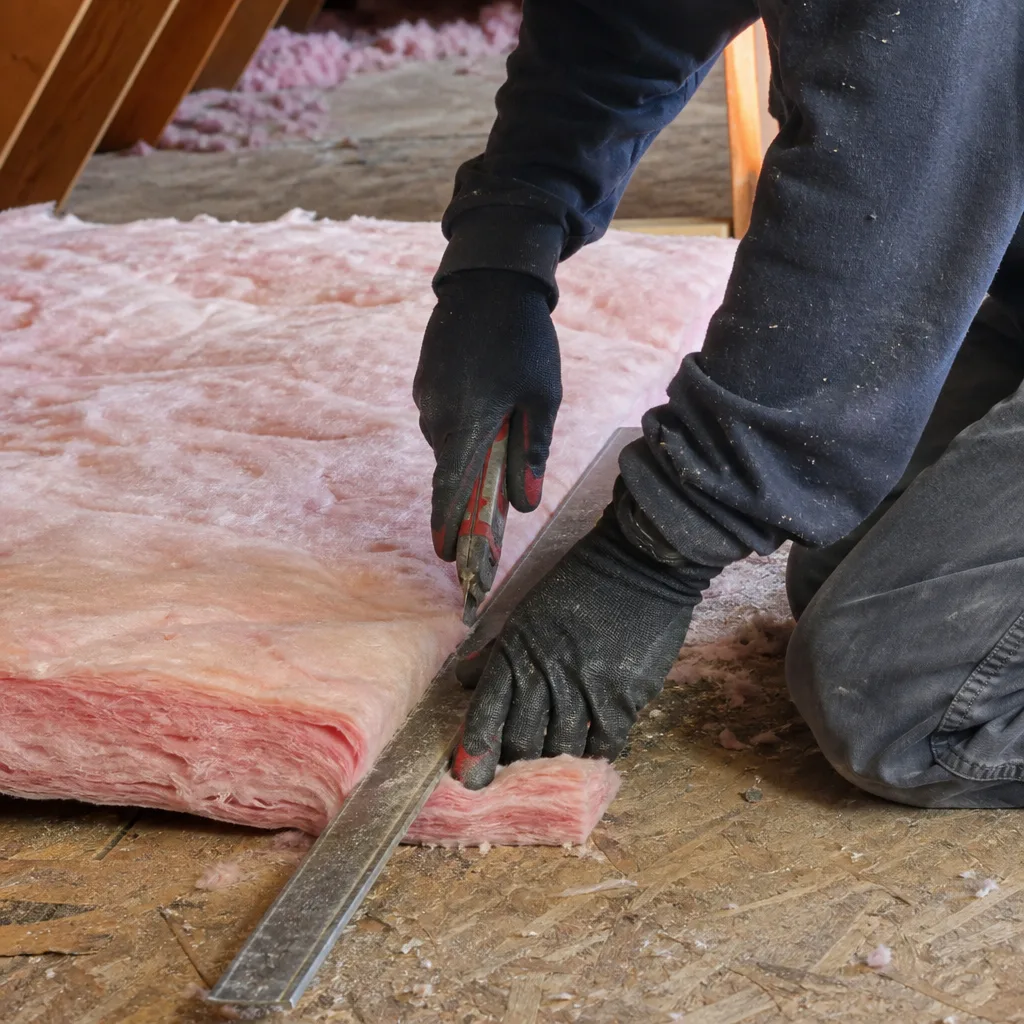
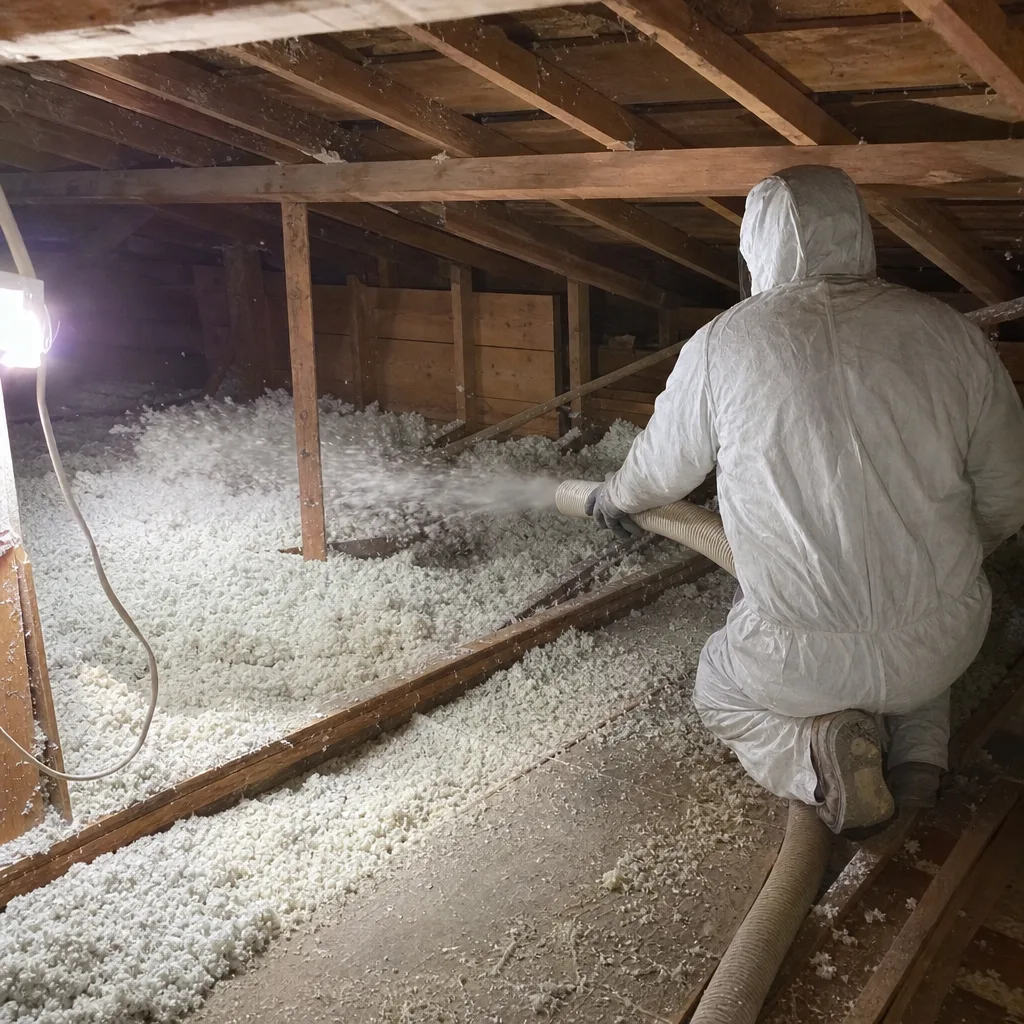
- Batt installation to the specified R-value. Batts are cut and fitted between joists without compression – a batt pressed below its rated thickness loses R-value in direct proportion to how much it is compressed. Kraft-faced or unfaced product is selected based on whether a vapor retarder is appropriate for the assembly. On jobs requiring R-38 or higher, a second layer is installed perpendicular to the first to cover the joists themselves, which are a thermal bridge in single-layer installations.
- Post-installation blower-door measurement. After sealing and insulation are complete, we run the blower-door a second time. The “after” number is documented alongside the “before” figure. You can see, in one comparison, the measurable result of the air-sealing work. A typical Menlo Park job moves the needle by 30 to 55 percent on that CFM50 figure, depending on how many penetrations were open to begin with.
- Documented photo record and written warranty delivered before we leave. Every visit closes with a photo record of the completed work – before and after images of the attic floor, the sealed penetrations, and the installed batts. The 365-Day Done Right Promise is attached in writing: if it’s not done right, we make it right, with no ambiguity about what “done right” means because the scope defined it before work started.
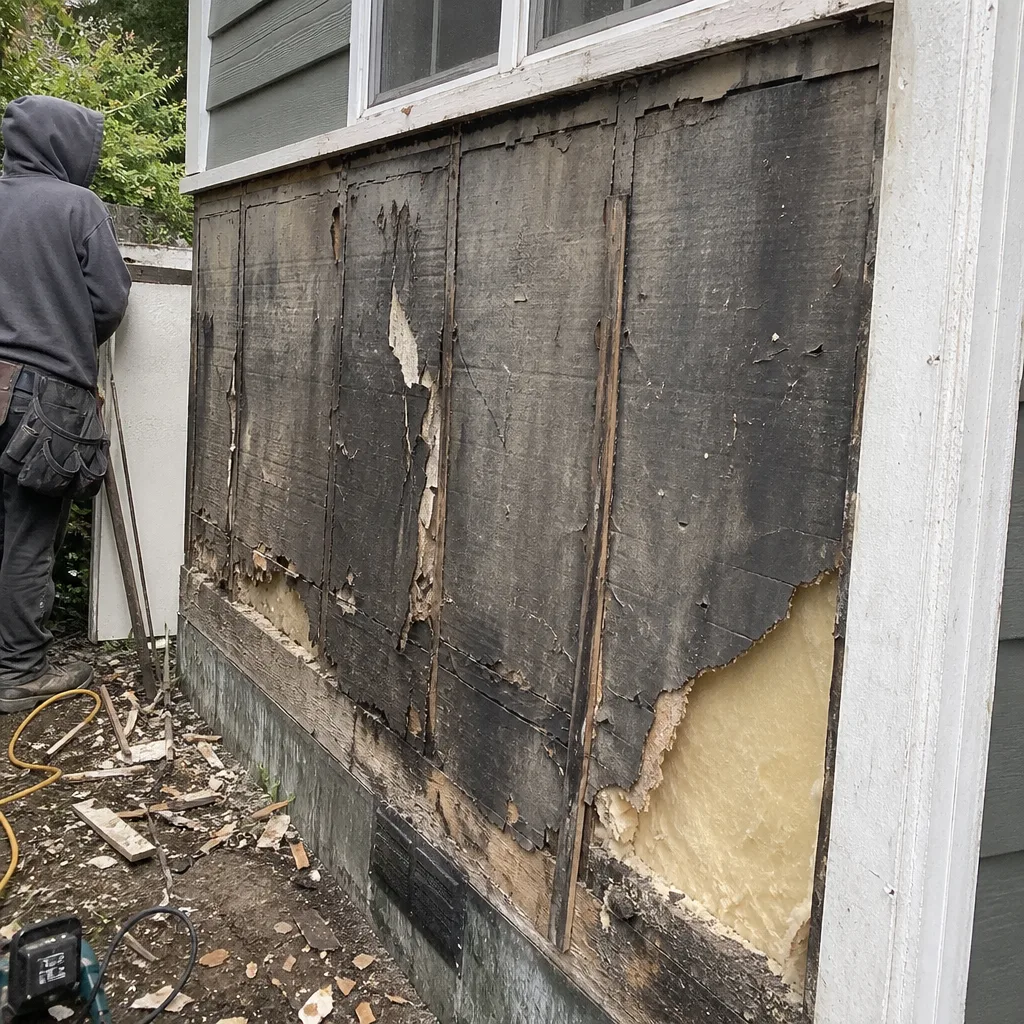 Before
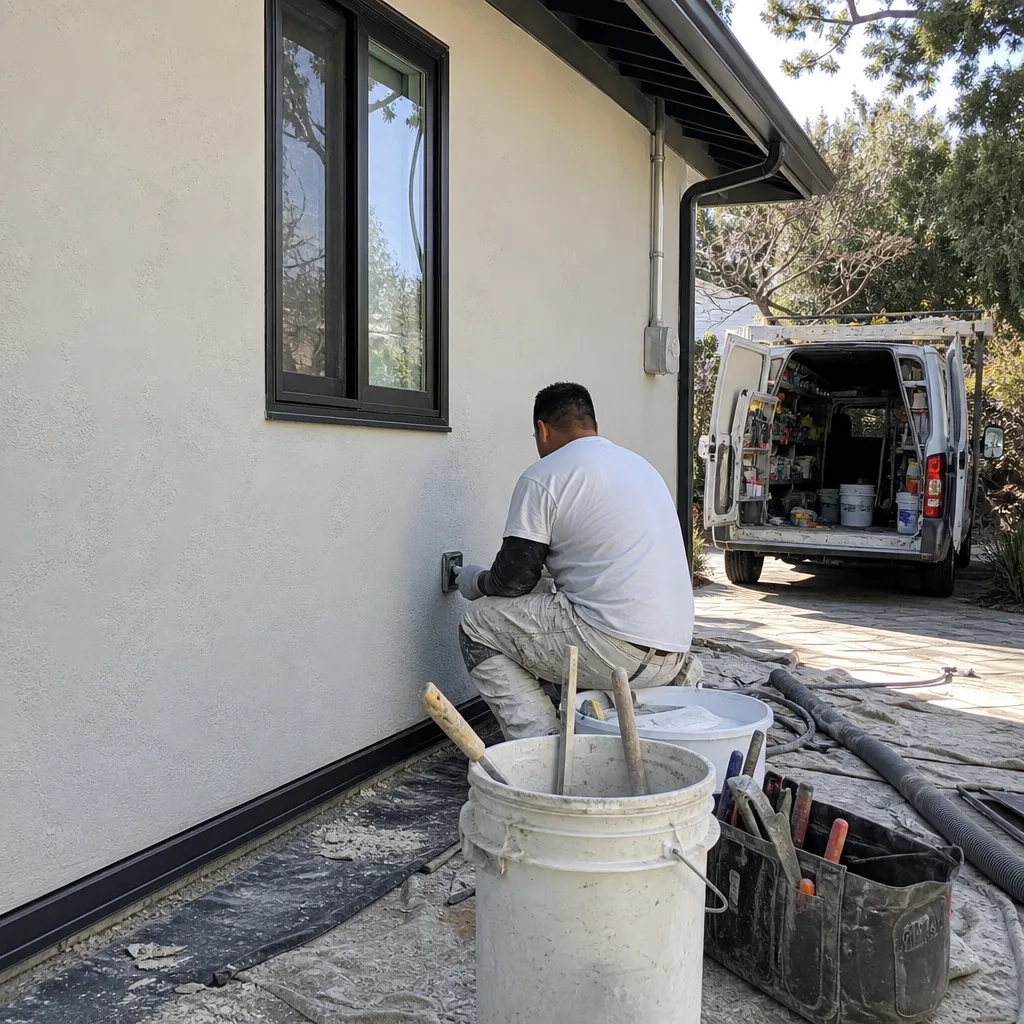 After
AfterAttic Batt Insulation Pricing in Menlo Park
Batt insulation pricing in Menlo Park is driven by four variables: attic square footage, current insulation condition, the target R-value, and whether air sealing is being done as part of the same job. The table below reflects actual installed pricing for the Menlo Park market – not national averages.
| Scope | Typical Range |
|---|---|
| Air sealing only (no new insulation) | $650 – $1,400 |
| Batt installation, existing insulation in acceptable condition (top-up to R-38) | $1,800 – $2,800 |
| Batt installation including air sealing, clean attic floor (800-1,200 sq ft) | $2,400 – $3,800 |
| Full removal, air sealing, and new batt installation (800-1,200 sq ft) | $3,200 – $5,500 |
| Large attic (1,400+ sq ft), full scope with blower-door documentation | $4,800 – $7,200 |
A few things that move the number up: attic access that requires a confined-space entry (common in older Craftsman and ranch-style homes in Menlo Park’s Sharon Heights and Allied Arts neighborhoods), contaminated insulation that requires removal and disposal before new material goes in, and heavily obstructed joist bays from past DIY work or pest-control spray foam that needs to be cleared first.
A few things that keep the number down: a clean attic floor with no prior rodent activity, accessible eave clearance that lets a crew move efficiently, and a simple rectangular footprint without multiple valleys or knee walls.
Under Haven Standard Clause 1, you receive a flat written price before any work starts – not an estimate range, a flat price. If something unexpected is found once the attic is open, the scope is discussed with you before anything changes. We also offer a Free Second Opinion on any written estimate from another contractor. Bring us the competing quote and we will read it with you, line by line.
To get a written price for your specific attic in Menlo Park, call (510) 876-4113. The price is on the page because a general range is more useful than “contact us” – but your attic’s actual number requires a visit, and that visit starts with a conversation.
Why Menlo Park Homes Need Batt Insulation Done in a Specific Order
Menlo Park sits in a coastal-influenced Mediterranean climate. The mornings are cooler and damper than inland Bay Area cities, and the temperature swing between a December night and a July afternoon is wide enough that an under-insulated attic floor affects comfort in both directions – not just in summer.
The other factor specific to this market is age. A significant portion of Menlo Park’s single-family housing stock was built between 1945 and 1975. Homes from that era were built with little or no wall cavity insulation, and attic insulation – when it exists at all – is often kraft-faced fiberglass at R-11 or R-13, installed flat in a 2×4 or 2×6 joist bay. Title 24 now calls for R-38 minimum in attic floor assemblies in this climate zone. Getting from R-11 to R-38 with a single batt product is not possible in a standard joist bay without adding a second perpendicular layer, which is exactly what a correct installation looks like.
The reason the order matters is this: batts are air-permeable. They slow convective heat transfer reasonably well, but they do not seal air movement. A can light with no gasket or cover box will push warm interior air directly into an attic cavity regardless of how thick the batt on top of it is. That air carries moisture, and moisture in an attic assembly in Menlo Park’s climate accelerates wood degradation and can eventually compromise the roof structure. Air sealing first is not a sales tactic – it is the technically correct sequence.
This is also why our home page describes the building envelope as a system: attic insulation, air sealing, crawl space, and wall assemblies all interact. A batt installation done without addressing the air layer underneath it is an incomplete job, and the blower-door number we publish after every applicable job reflects whether the air layer was actually addressed or just covered over.
Since 2016, Envelope Insulation Co. has completed work on more than 9,000 homes – every one with a written price before work started and a documented record when the crew left. Wes Okafor has built the company’s scope of work around the principle that the documentation is the product, not a bonus feature.
Materials We Use for Attic Batt Insulation
The material specified on your written scope will depend on joist depth, the presence of moisture risk, and the target R-value. We source from manufacturers including Rockwool and CertainTeed, selected for the job – not for margin. There is no proprietary product lock-in. If a competing estimate specifies a different product, we’ll tell you what the trade-offs are and let you decide.
- Rockwool (mineral wool) batts are fire-resistant, dimensionally stable, and retain their R-value when exposed to minor moisture – useful in Menlo Park attics near the bay where humidity can be a factor. Rockwool does not compress as easily as fiberglass, which is an advantage in attics with low clearance where the insulation is likely to contact stored items.
- CertainTeed fiberglass batts are available in a wider range of thicknesses and facings, making them well-suited to jobs where joist depth varies across the attic or where a kraft facing is needed to serve as a Class II vapor retarder in a specific wall or roof assembly.
Both products are available in formulations that meet the California Department of Consumer Affairs’ requirements for attic insulation R-value disclosure, and both are installed to manufacturer specifications – which means no compression, consistent coverage to the edges of each bay, and no gaps at the perimeter where the joist meets the top plate.
Key Takeaways
- Attic batt insulation in Menlo Park runs $1,800 to $5,500 for most single-family homes, depending on scope and attic condition.
- California Title 24 requires R-38 minimum for attic floors in Menlo Park’s climate zone – most pre-1990 homes fall short of this.
- Air sealing comes before insulation, every time. Batts placed over unsealed penetrations do not deliver their rated R-value in practice.
- You receive a blower-door reading before and after so the air-sealing result is documented, not just described.
- A flat written price is provided before any work starts – Haven Standard Clause 1 is not optional on any job.
- The 365-Day Done Right Promise applies to every completed job, backed by the written scope and warranty you receive before the crew starts.
FAQs – Attic Batt Insulation
How much does attic batt insulation cost in Menlo Park?
Most attic batt insulation jobs in Menlo Park run between $1,800 and $4,400 for a single-story home with 800 to 1,200 square feet of attic floor, when air sealing is included. Jobs requiring full removal of contaminated insulation before new material goes in typically land between $3,200 and $5,500. The variables that move the number most are attic condition, accessibility, and how far below R-38 the existing insulation sits. A flat written price is available after an attic assessment – call (510) 876-4113 to schedule one.
What is the difference between batt insulation and blown-in insulation for an attic?
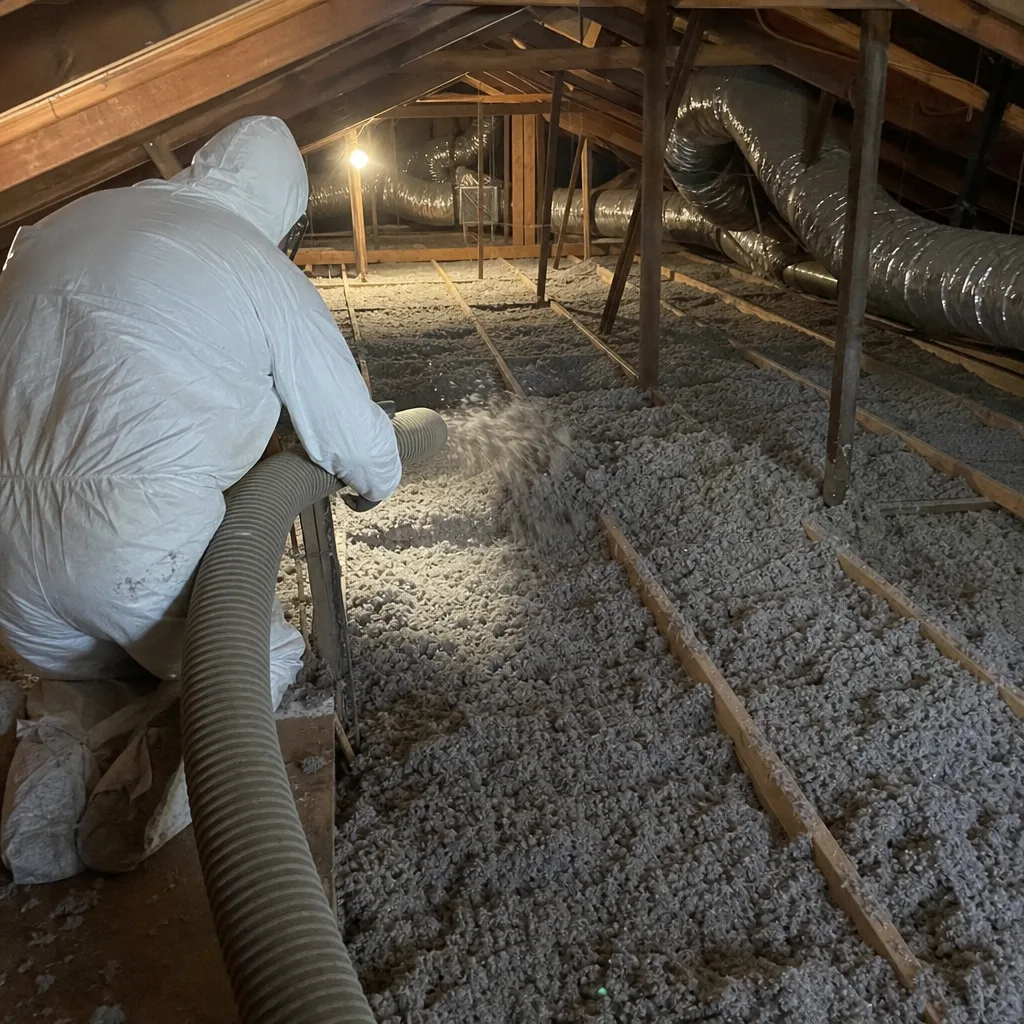
Batt insulation is pre-cut into panels and fitted between joists by hand; blown-in insulation is loose fiber – fiberglass or cellulose – that is machine-blown to fill the joist bays and run over the top in a continuous layer. Batts are a good fit for attics with standard joist spacing (16 or 24 inches on center) and reasonable clearance, and they allow for a clean second perpendicular layer. Blown-in tends to perform better in attics with irregular framing, many obstructions, or very tight eave clearances because the loose fiber conforms to the space. Both require air sealing first to perform at their rated R-value. We’ll tell you which product is appropriate for your specific attic after we see it – not before.
Can I add batt insulation on top of my existing attic insulation?
Yes, in most cases – but only if the existing insulation is dry, free of rodent contamination, and not so badly compressed that it is trapping moisture. In Menlo Park homes with original kraft-faced fiberglass at R-11 or R-13, a top-up with unfaced batts (no kraft facing on the upper layer – that would create a double vapor barrier in the wrong direction) can bring the assembly to R-38 or higher. If the existing material is damaged or contaminated, it needs to come out first. A photo record taken during the attic assessment makes this assessment straightforward to document and explain.
How long does attic batt insulation installation take?
A standard Menlo Park attic – 900 to 1,100 square feet, clean floor, accessible hatch – is typically completed in one day, including air sealing and the post-installation blower-door measurement. Larger attics, removal jobs, or attics with complicated framing or low clearance may run into a second day. The written scope issued before work starts will identify the expected duration. We do not schedule a job and then discover it requires more time than quoted – the scope accounts for what we found in the attic, not what an average attic looks like.
If your Menlo Park home was built before 1990 and you have not had the attic floor assessed, there is a reasonable chance it is running below R-38 – and a measurable chance it is losing conditioned air through penetrations that no amount of insulation will fix on its own. Wes Okafor and the Envelope Insulation Co. team are available to assess the attic, document what’s there, and provide a flat written price before any work begins. Call (510) 876-4113 to schedule – a live person will answer.
Written by Wes Okafor, Owner at Topside Attic Insulation Menlo Park, serving Menlo Park.