
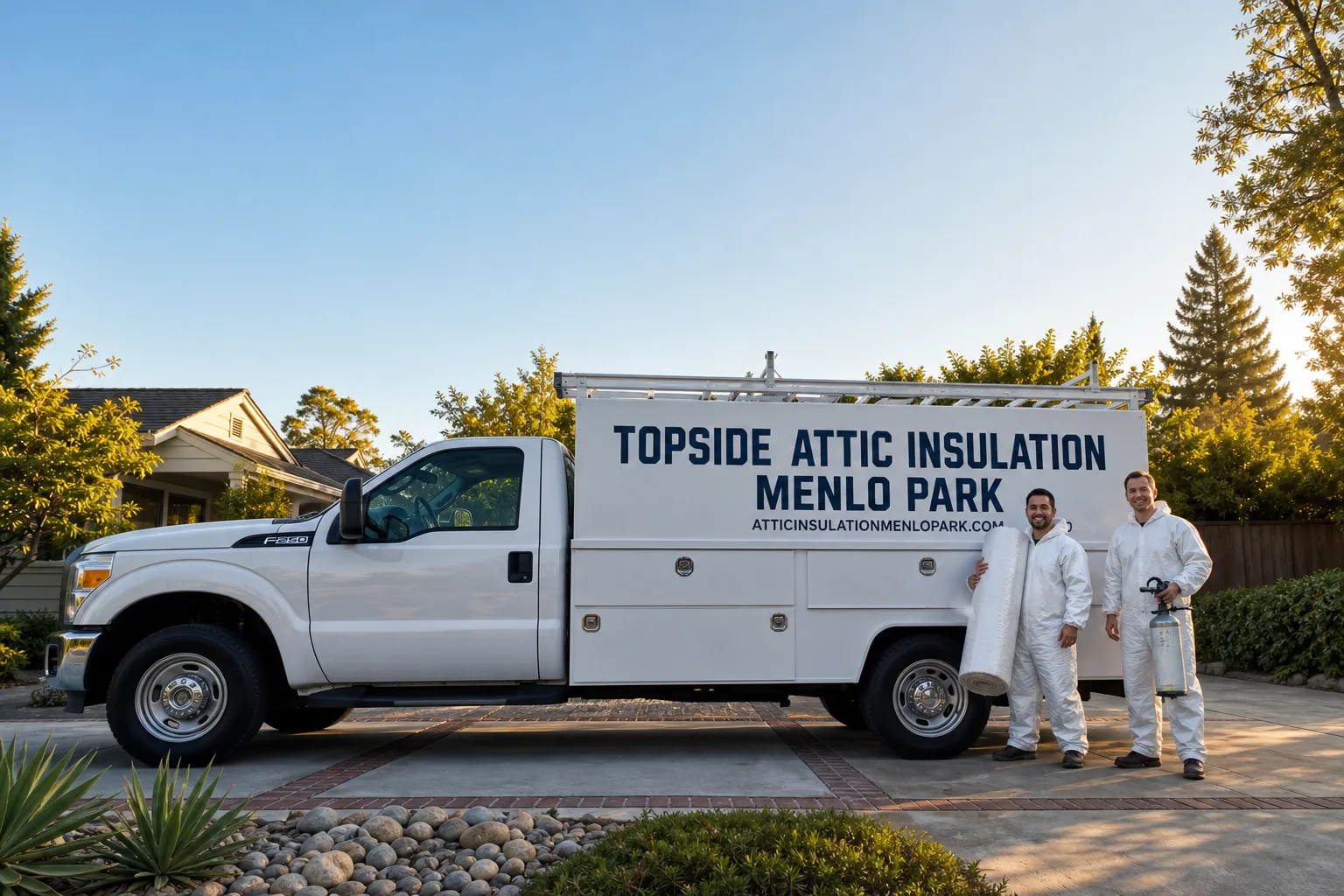
Fast, Reliable Blown-In Insulation Across Atherton
Blown-in insulation in Atherton typically runs $2.80 to $5.40 per square foot installed, with most estate properties falling between $8,500 and $34,000 depending on how many structures need treatment. We’re at your Atherton property within 45 minutes of dispatch from our San Francisco Bay Area office, and we answer calls live at (510) 876-4113 around the clock. Our crews know the difference between a 1940s Colonial Revival off Walsh Road with hollow plaster walls and a 1970s ranch near Atherton Avenue with fiberglass batts turning to dust - and we scope each building on your parcel separately, because that’s what one-acre zoning demands.
Why Topside Attic Insulation Menlo Park Is Atherton’s Preferred Blown-In Insulation Company
We’ve sealed and insulated over 9,000 homes since 2016, and a significant share of them sit on Atherton’s one-acre lots where the main house is only the beginning. Atherton customers find us because we publish before-and-after blower-door numbers - a pressurization reading that shows, in one figure, how much conditioned air the building envelope was losing before and after our work. They stay because we deliver a written price before any work starts, a documented photo record when we leave, and a 365-Day Done Right Promise backed by Haven Standard paperwork.
Our response time to Atherton averages under 45 minutes. We know the local conditions that break insulation jobs: the marine fog layer that pushes humidity into shaded north-wing attics, the hollow plaster walls in pre-1950s estates, the multi-structure parcels where a guest house or carriage house gets overlooked. Wes Okafor, who leads our operation, personally reviews every Atherton scope that involves more than one structure to make sure we’re pricing each building, not guessing at a lump sum.
Our Blown-In Insulation Services in Atherton
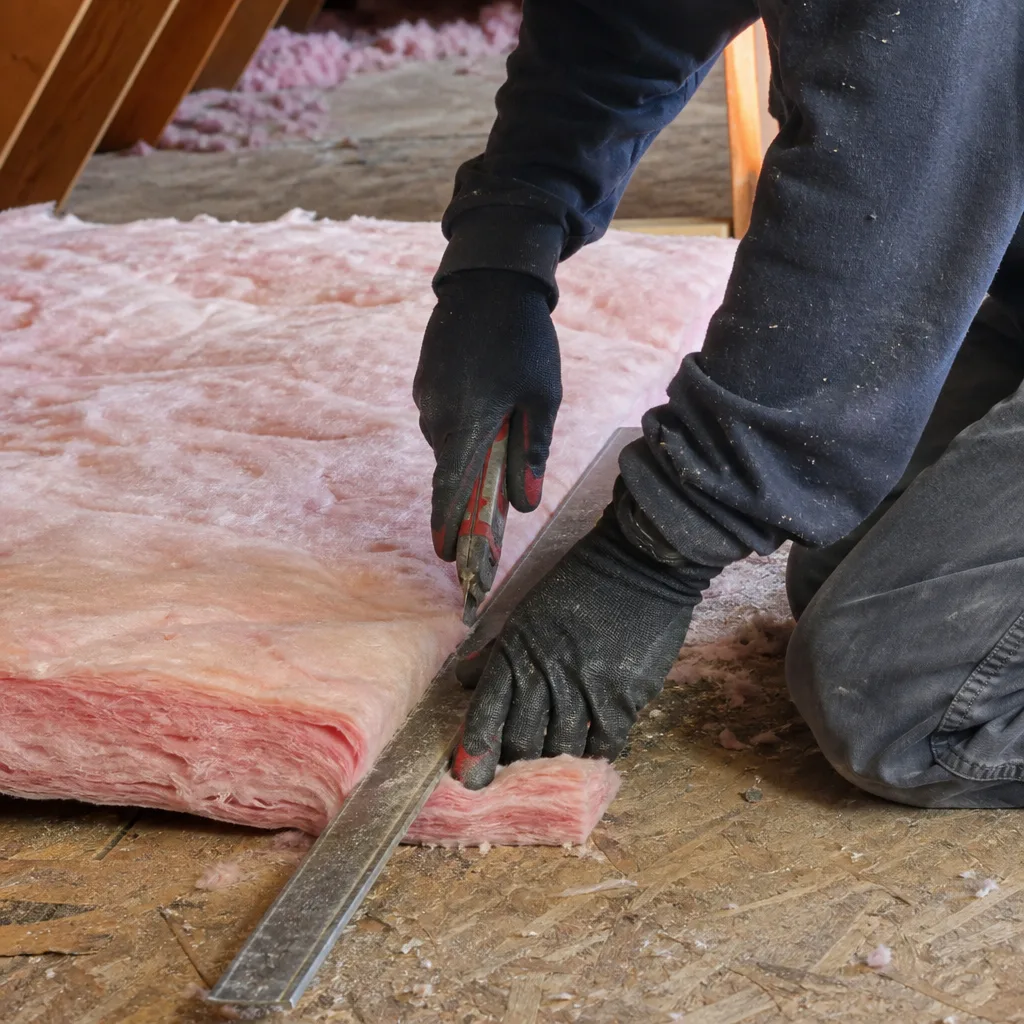
Blown-In Cellulose
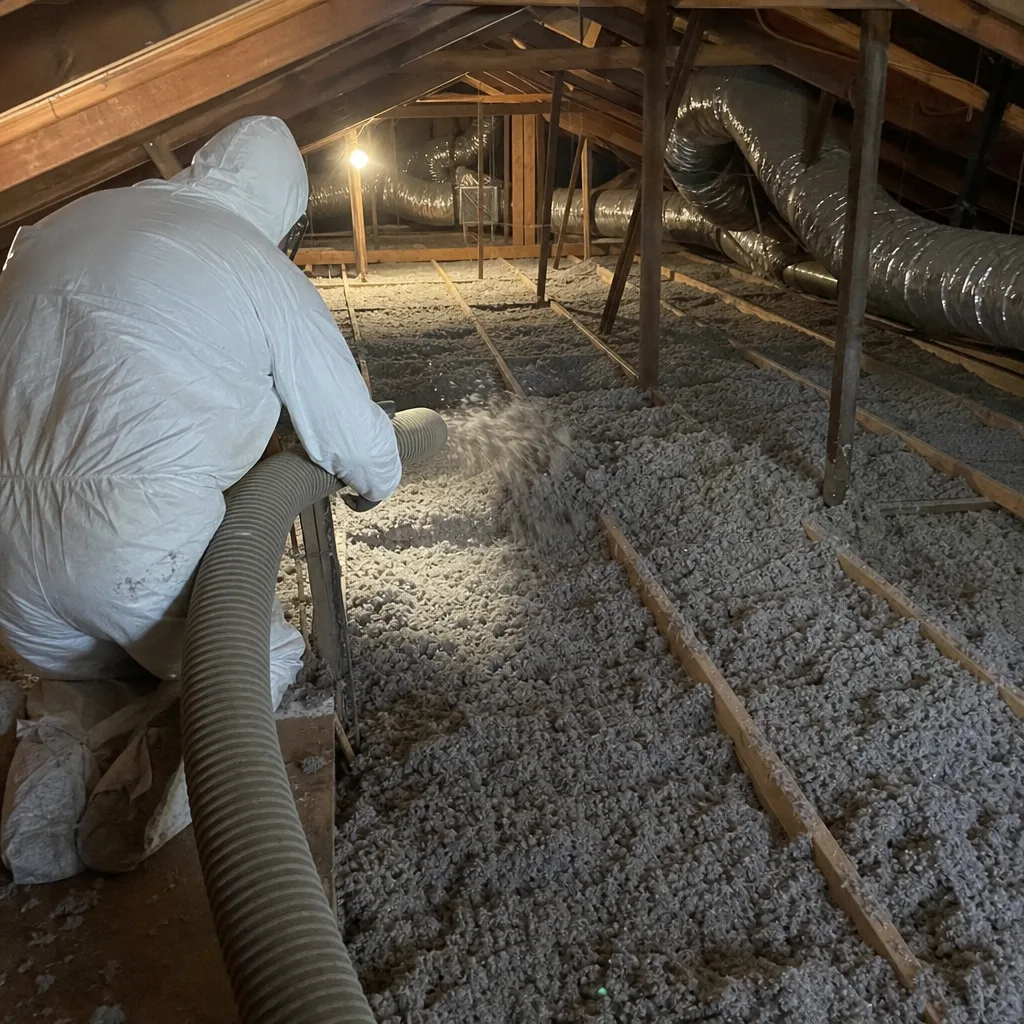
We dense-pack and blow GreenFiber cellulose for Atherton homeowners who want acoustic damping between floors and a higher R-value per inch than old fiberglass batts. Cellulose performs well in the mild climate here, where energy payback periods are long and comfort is the real selling point. On a recent job near Valparaiso Avenue, we blew cellulose into a 1960s ranch attic after pulling out compressed batts that had lost half their loft to decades of foot traffic and rodent nesting. The blower-door reading dropped from 3,800 CFM50 to 1,900 - and the second-floor hallway stopped carrying sound from the kitchen below.
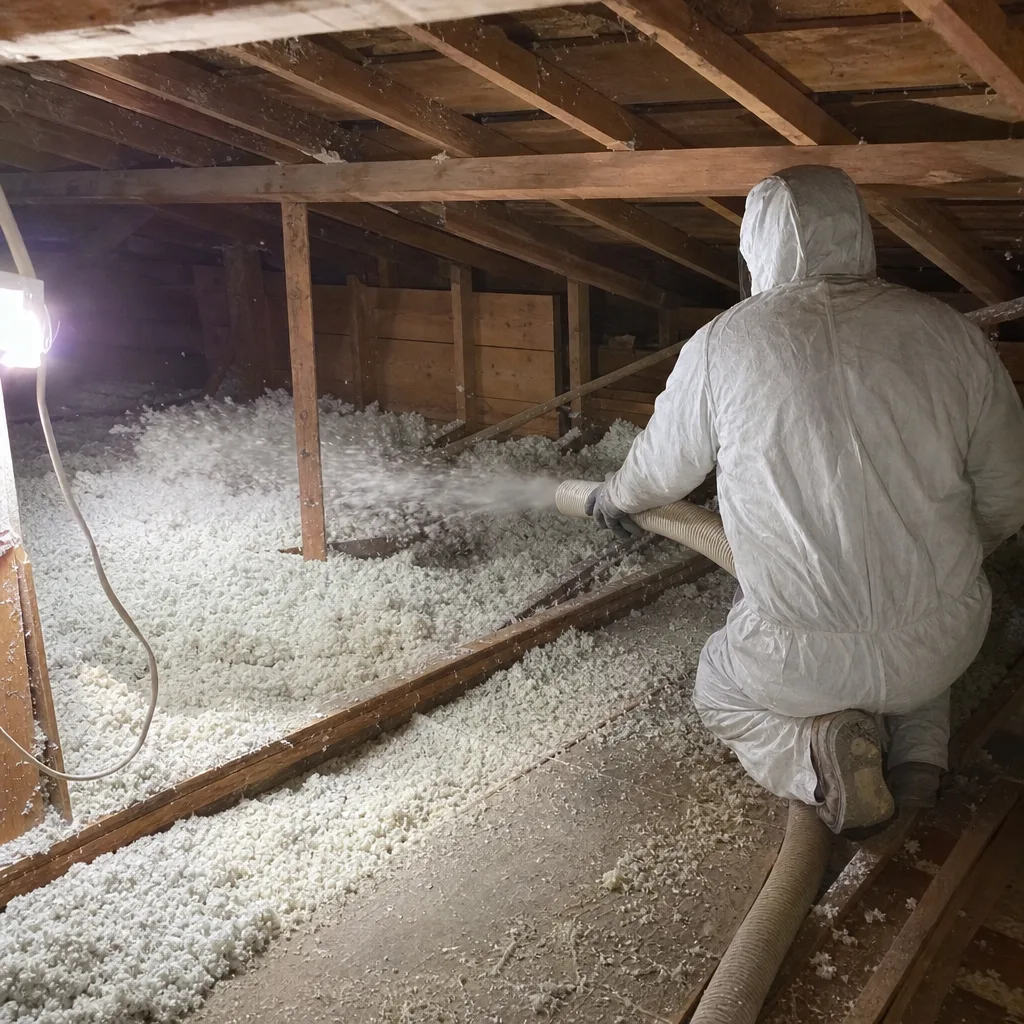
Blown-In Fiberglass
Owens Corning fiberglass blown loose-fill or stabilized works best for Atherton’s new construction and full-gut renovations, where open cavities and clean substrates let us achieve uniform coverage without obstructions. We specify fiberglass when the attic will remain accessible for future HVAC or smart-home wiring work, since it doesn’t settle as aggressively as cellulose and won’t hold moisture if a roof leak develops before the punch list is complete. For estates near the Stanford campus perimeter with frequent renovation cycles, fiberglass gives flexibility.
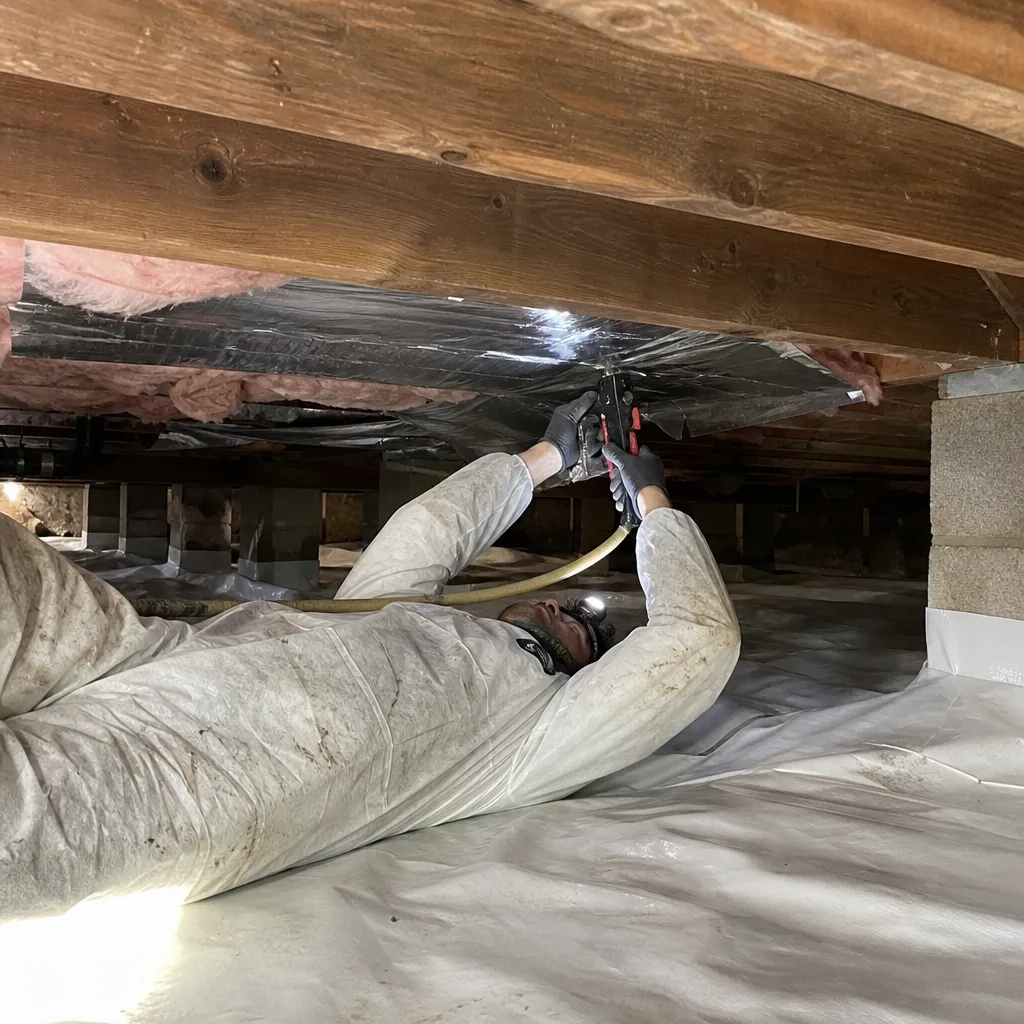
Dense-Pack Wall Insulation
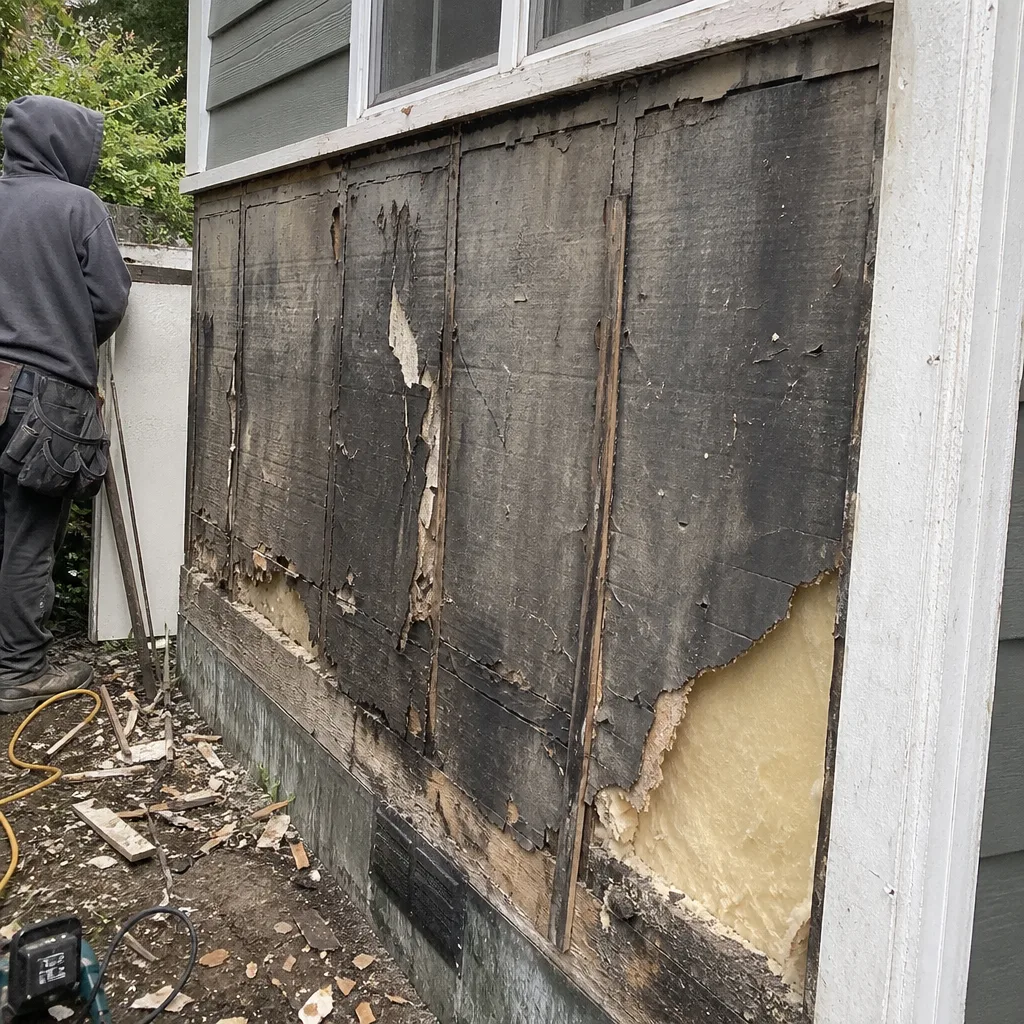
This is where Atherton’s housing stock gets specific. Those 1930s-1950s Colonial Revivals and Tudors with hollow plaster walls? We dense-pack them from the exterior or through carefully placed interior access points, blowing cellulose at 3.5 to 4.0 pounds per cubic foot to eliminate convection currents inside the cavity. The technique requires knowing when to stop - too wet or too dense, and the cellulose never dries out against unsealed plaster. We learned that on a 1948 Tudor off Elena Avenue where a previous contractor’s over-dense pack had started to smell musty after two fog seasons. We pulled it, dried the cavities with targeted airflow, and repacked to spec. The walls went from sounding like drums to sounding like walls.
Blown-In Top-Up
Atherton’s 1970s ranches with original fiberglass batts often read R-11 to R-19 in the attic when they should read R-38 or R-49 for current Title 24 compliance. We don’t just blow new material over old. We inspect what’s there, remove anything compressed or contaminated, air seal the top plates and penetrations first, then blow a fresh cap. On a job near Almendral Avenue, the existing batts were dry but had been walked flat by decades of cable installers. We lifted them out, sealed twelve can lights and three bath fan penetrations, and blew a full R-38 cap. The owner got before-and-after blower-door numbers, photos of every sealed penetration, and a written scope showing exactly what was done in which attic bay.
Our Blown-In Insulation team treats every structure on your parcel as its own envelope. That’s not an upsell - it’s the only honest way to work in Atherton.
What happens when you call
- 1
A real person answersNo phone trees - you reach a local pro.
- 2
You get an upfront price rangeHonest numbers before anyone is dispatched.
- 3
A background-checked tech heads outLicensed & insured, dispatched right away.
- 4
You approve before work beginsNothing starts until you say go.
 Before
 After
AfterTrusted Brands We Service in Atherton
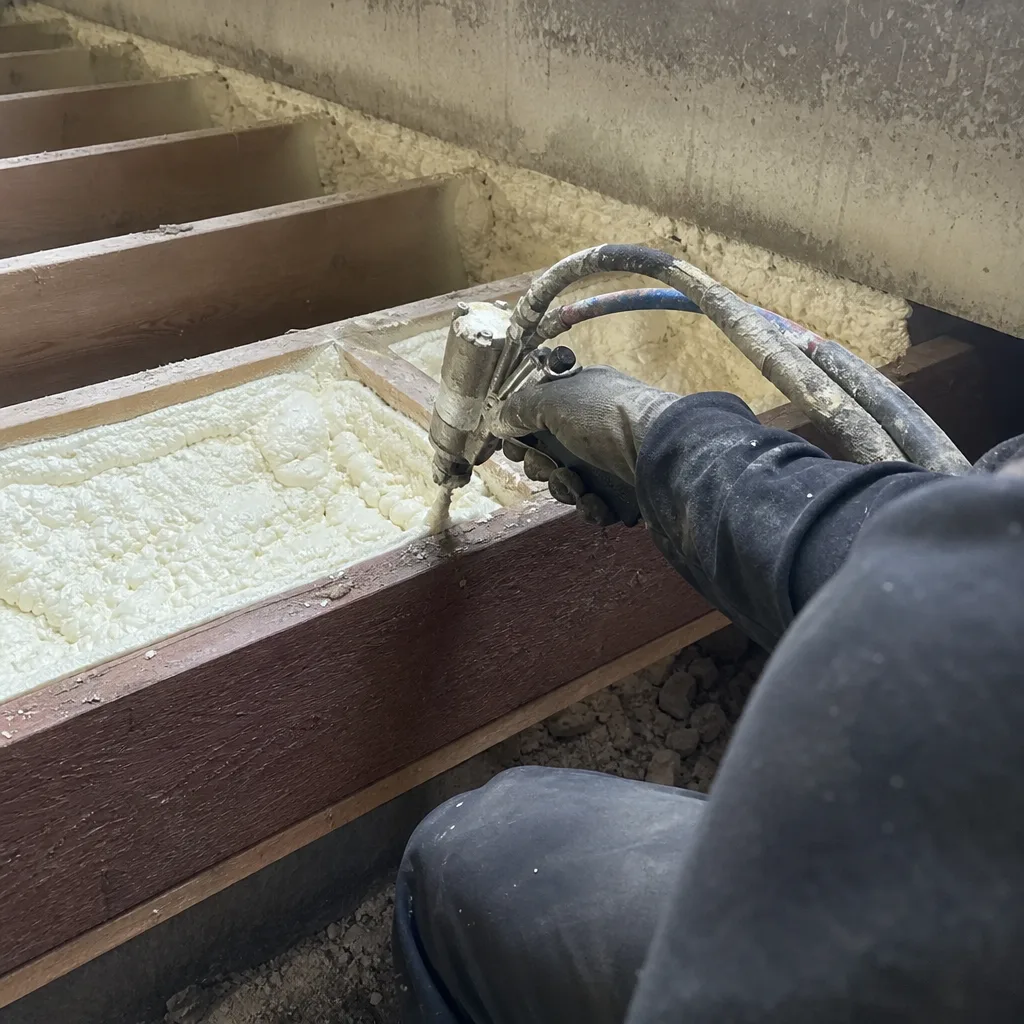
We stock Owens Corning, GreenFiber, and CertainTeed products for Atherton jobs, with no proprietary lock-in that forces a material choice that doesn’t fit your structure. Owens Corning fiberglass is our default for new construction and open attics; GreenFiber cellulose for dense-pack walls and acoustic-focused retrofits; CertainTeed for specific vapor-permeable applications where the building science demands it. We don’t push Icynene or Demilec spray foam on blown-in customers unless the scope genuinely calls for it - and when it does, we’ll tell you why in writing before you decide. Materials sit in our local inventory, so we’re not waiting on a distributor truck to start your job.
Common Blown-In Insulation Problems We See in Atherton Homes
- Shaded north-wing attics get skipped, then grow mold. The heritage oak canopy that keeps your roof surface cool also suppresses attic ventilation. Fog-layer moisture from Atherton’s marine-influenced nights gets trapped against roof sheathing that never sees enough sun to dry. We’ve found active mold bloom on sheathing that a previous contractor left bare because the attic “didn’t need” insulation.
- Hollow plaster walls get blown too dense or too wet. 1940s-1970s estate construction used plaster on wood lath with no vapor barrier and no framing cavity designed for insulation. Dense-packing these walls requires knowing the exact pressure and moisture content that lets cellulose settle without trapping water against the plaster. Get it wrong and you’re cutting open walls two seasons later.
- Contractors quote the main house and miss the outbuildings. Atherton’s one-acre zoning means your parcel probably has a guest house, pool house, or carriage house with its own attic and its own thermal bridge to the main envelope. We scope each structure separately because each has its own access, its own ventilation profile, and its own set of penetrations to seal.
- Existing batts get buried instead of inspected. Blowing new insulation over old without checking what’s underneath is standard practice for some crews. We pull and inspect first - compressed batts, rodent debris, or old knob-and-tube wiring hidden under a fresh cap becomes your problem the day you sell or the day it smolders.
Pricing for Blown-In Insulation in Atherton, CA
| Service | Typical Range (Atherton) | What Drives the Price |
|---|---|---|
| Blown-in cellulose, single attic | $2.80-$4.20/sq ft | Access difficulty, existing removal, air sealing extent |
| Blown-in fiberglass, single attic | $3.20-$4.80/sq ft | R-value target, stabilization additive, obstructions |
| Dense-pack wall insulation | $4.50-$7.00/sq ft of wall | Exterior vs interior access, plaster condition, cavity depth |
| Blown-in top-up over existing | $1.80-$3.00/sq ft | Inspection and spot removal required first |
| Full estate, multi-structure (typical 3-4 buildings) | $18,000-$34,000 | Per-structure scope, shared vs separate attic systems |
Most Atherton blown-in jobs land in the mid-range of these brackets. The multi-structure estates push toward the higher end not because we’re padding - because each building gets its own air sealing, its own blower-door target, and its own documented record. We don’t do lump-sum mystery pricing. Under Haven Standard Clause 1, you get a flat price, written scope, and written warranty before anyone lifts a tool. Bring us a competing quote and we’ll read it with you - free second opinion, no obligation. Call (510) 876-4113 for your written estimate.
We Also Serve Cities Near Atherton
Our crews work Atherton daily and also handle blown-in insulation in Menlo Park, Redwood City, Palo Alto, and Stanford. Each city gets the same per-structure scoping and documented delivery, though the building stock and failure modes differ - Menlo Park’s closer marine influence, Redwood City’s denser 1950s tracts, Palo Alto’s mix of Eichler and new construction. We know the difference and we price accordingly.
Serving Atherton, CA - Our Local Coverage Area
We’re based in the Atherton area and know this community well. Use the map below to see our service coverage - if you’re nearby, we can almost certainly help.
FAQs - Blown-In Insulation in Atherton
Yes, but not for the reason most contractors sell. In Atherton’s mild climate, you’ll rarely see a utility-bill ROI that justifies the project on dollars alone. The value is acoustic comfort - dense-packed walls and properly capped attics absorb sound between floors and from exterior mechanical equipment - plus radiant heat reduction in second-floor rooms that bake on summer afternoons, and indoor air quality improvement once we’ve sealed the leaks that pull attic dust and rodent debris into your living space. We quote the comfort and health benefits in writing alongside any projected energy change. Call (510) 876-4113 and we’ll show you the blower-door numbers from a comparable Atherton job.
Because Atherton’s one-acre minimum zoning means most parcels have multiple structures, and each has its own thermal envelope, its own attic ventilation profile, and its own set of penetrations to seal. Treating them as one “attic” produces a scope that misses half the work and a price that doesn’t match reality. We price each building separately so you know what each one costs, and so we can deliver per-structure blower-door numbers and photo records. On a recent job off Walsh Road, the carriage house attic - the one under heavy oak shade - had the worst moisture problem on the entire parcel. A lump-sum quote would have skipped it.
It needs proper air sealing, ventilation correction, and insulation in that order - and the shade is exactly why it’s at risk, not why it’s safe. Cool roof surfaces from oak canopy shade suppress the temperature differential that drives attic ventilation. Without that airflow, marine fog-layer moisture gets trapped against roof sheathing that never dries. We’ve found mold bloom in shaded Atherton attics that were left bare because they “stayed cool.” After we seal the top plates, correct the venting, and blow a proper cap, the sheathing dries out and the rooms below stop smelling musty in fall. Call (510) 876-4113 and we’ll inspect it with a moisture meter.
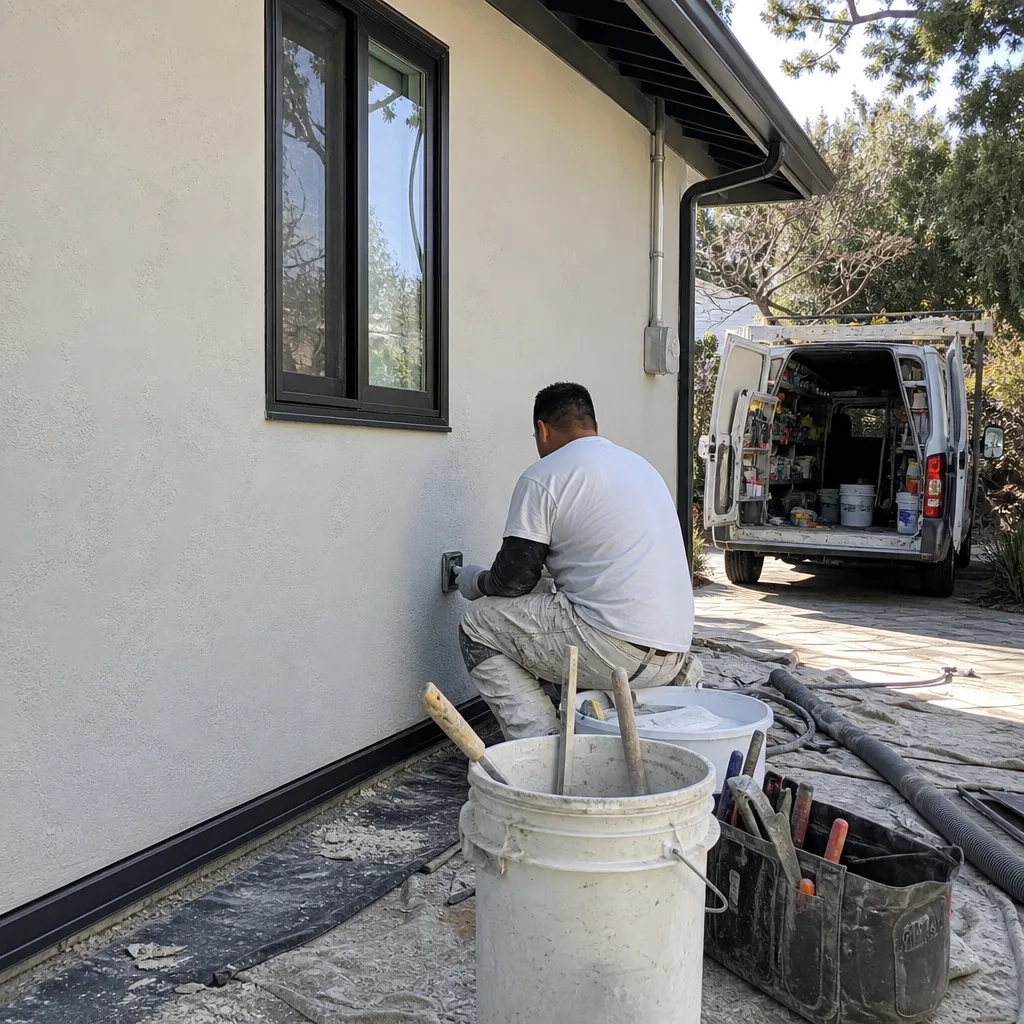
Yes, in most cases. We access hollow plaster walls through exterior sheathing from outside, or through carefully placed interior access points that we patch and match. The critical factor is cavity condition - we borescope first to check for fire blocking, lath gaps, or previous repairs that would block fill. For Atherton’s 1940s-1950s stock, we typically achieve 3.5 to 4.0 pounds per cubic foot density, which stops convection without overloading the plaster keys. We did exactly this on a 1948 Tudor off Elena Avenue, packing GreenFiber cellulose through drilled exterior access holes that we sealed with matched siding plugs. The walls went from sounding hollow to sounding solid, and the owner kept every square foot of original plaster.
We carry Owens Corning fiberglass, GreenFiber cellulose, and CertainTeed loose-fill for blown-in work, with Icynene and Demilec spray foam available when the scope calls for it. No proprietary lock-in means we specify what fits your building, not what moves our inventory. For a typical Atherton multi-structure estate, that might mean GreenFiber dense-pack in the main house walls, Owens Corning fiberglass in the open new-construction attic, and a targeted CertainTeed vapor-permeable application where the building science demands it. You get the brand list in your written scope before work starts. Call (510) 876-4113 to review material options for your specific structures.
Ready for a written price before any work starts? Call (510) 876-4113. A live person answers 24/7, and we’ll dispatch a technician to your Atherton property within 45 minutes to scope each structure on your parcel, take blower-door and moisture readings where indicated, and deliver a flat-price proposal with a written scope and written warranty - Haven Standard Clause 1, no exceptions. Free second opinion on any competing quote. Documented photo record included on every job.
Written by Wes Okafor, Owner at Topside Attic Insulation Menlo Park, serving Atherton and the Peninsula since 2016.