
Knauf Attic Insulation: The Menlo Park Owner’s Guide
Knauf attic insulation installed in Menlo Park homes typically runs $2.80 to $4.20 per square foot for blown-in fiberglass, with most complete attic jobs falling between $3,800 and $6,400 depending on existing depth and accessibility. We stock Knauf Jet Stream and EcoFill blower-applied products on our trucks, and most Menlo Park replacements can be completed same-day once the attic is air-sealed. Most owners discover their insulation has failed when the second floor won’t cool below 78°F in July, or when PG&E bills spike 30% year-over-year despite no thermostat change.
Which Knauf Models This Applies To
Knauf’s attic line breaks into three families you’ll find in Peninsula homes. Jet Stream Ultra is the high-performance blown fiberglass, typically gray-pink in color, installed at R-38 to R-60 depths in newer Menlo Park builds from 2005 onward. EcoFill WX is the stabilized cellulose-fiberglass hybrid, more common in 1990s ranch retrofits near the Allied Arts Guild area where we see it packed around recessed can lights. Knauf also produces batts in standard and high-density, though blown-in dominates local attics because of the irregular joist bays in pre-1980 construction.
Identification starts at the attic hatch. Look for bag remnants, installer tags, or the telltale color: Jet Stream runs a uniform soft pink, EcoFill WX shifts toward gray with visible fiber clumps. Depth matters more than brand for matching: if you’re sitting at R-19 and need R-38, we calculate the additional inches rather than tear out what’s there. OEM Knauf products carry ASTM C764 certification; we also install compatible aftermarket blown fiberglass that meets the same thermal resistance specs at lower material cost, though we disclose the source on every written scope. One compatibility gotcha in Menlo Park: homes near the creek zones with older 2×6 joists can’t accept full R-60 depth without compressing against the roof deck, which voids the rated performance. We measure joist height and roof pitch before specifying the product.
Signs Your Knauf Attic Insulation Is Failing
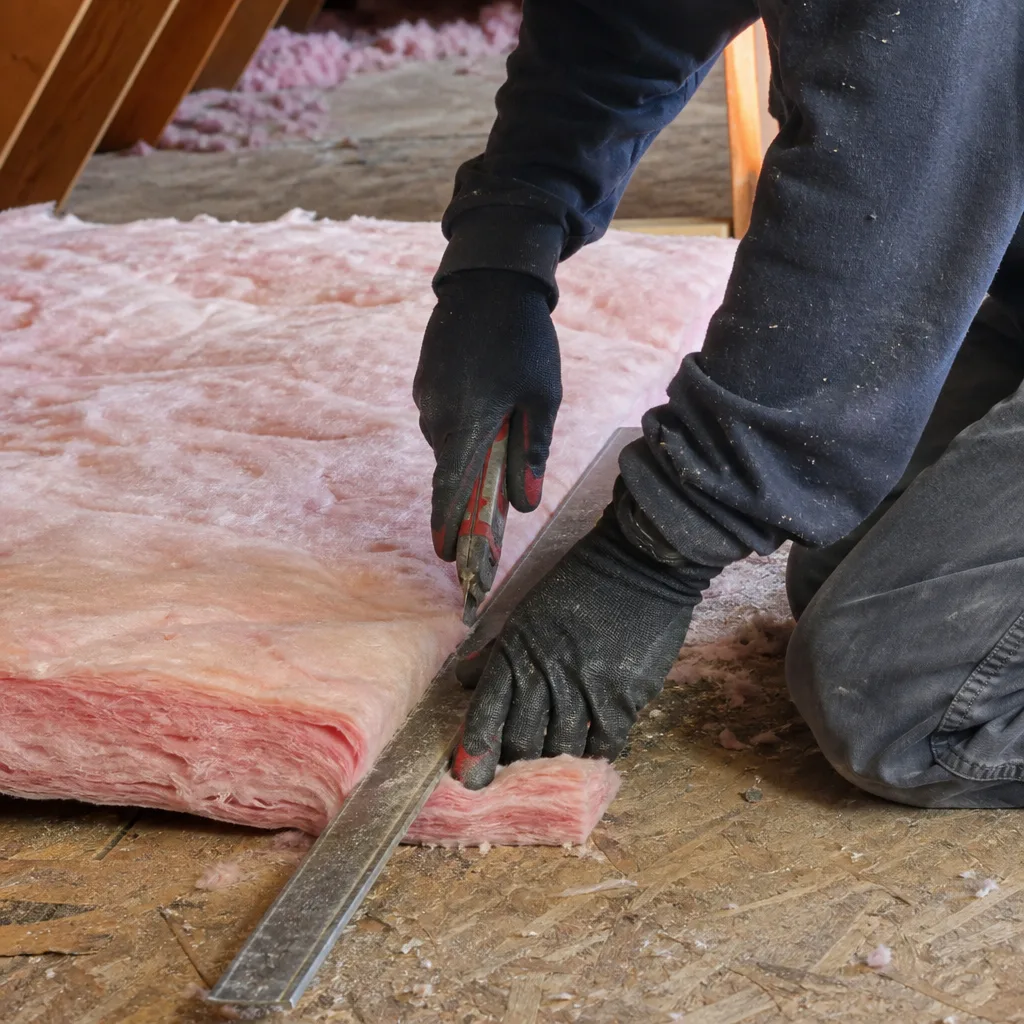
- Uneven temperature between floors. The upstairs runs 8-12°F warmer than downstairs in summer because settled or compressed fiberglass has lost its loft, and heat radiates through the ceiling faster than your AC can push against it. We measure the actual R-value with a probe; anything below 70% of labeled depth is functionally failed.
- Ice dam patterns on the roof in winter. Warm attic air melts snow at the ridge, which refreezes at the eaves. In Menlo Park’s mild climate this shows up as persistent moisture staining on north-facing fascia boards, not full icicles. It means your insulation has shifted or thinned enough to let conditioned air reach the sheathing.
- Dust accumulation around ceiling registers. Fiberglass that has degraded past its binders sheds microfibers that the return ducts pull through gaps in the ceiling plane. If you’re changing HVAC filters monthly instead of quarterly, the insulation is likely the source, not the ducts themselves.
- Visible compression or water staining in the attic. Storage boxes, old holiday decorations, or rodent trails pack fiberglass to half its designed thickness. A 12-inch batt compressed to 6 inches performs like R-13, not R-38. Water stains from roof leaks or condensation also collapse the fiber matrix permanently.
- PG&E bills climbing without rate changes. A 25% jump in summer cooling costs often traces to insulation that has settled 2-3 inches below original depth. In Menlo Park’s inland microclimates where July afternoons hit 90°F, that gap translates directly to runtime hours on your compressor.
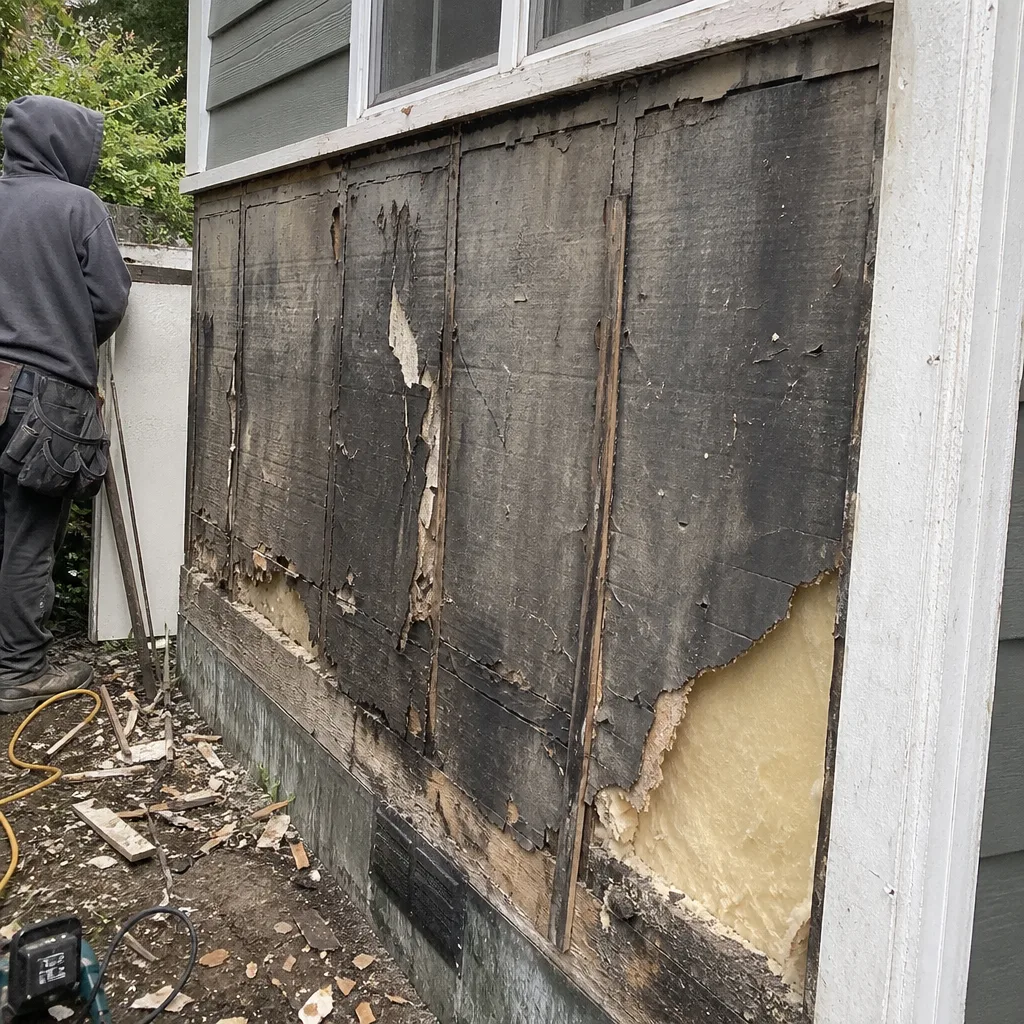 Before
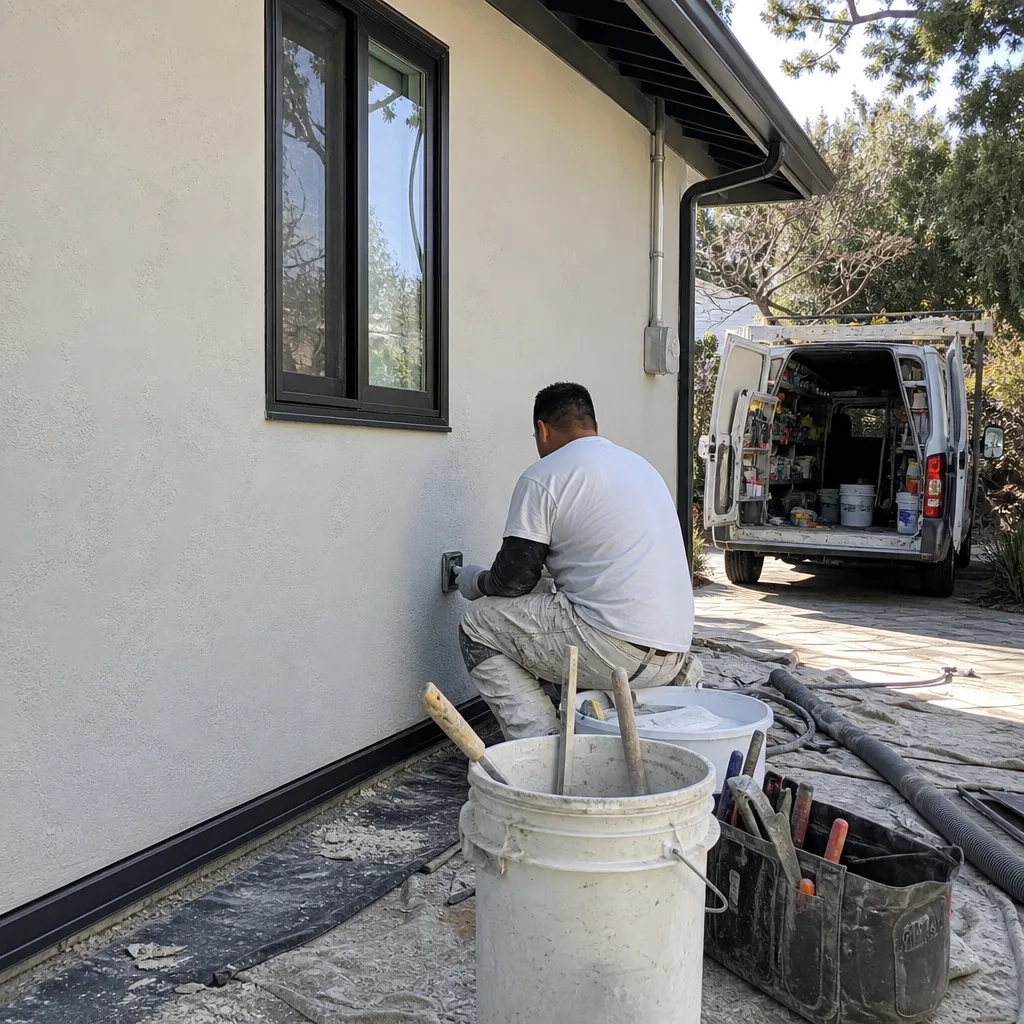 After
AfterReplacement Cost & What’s Included
Most Knauf attic insulation replacements in Menlo Park fall between $3,800 and $6,400 for a 1,800-2,400 square foot footprint, with smaller cottages near downtown running closer to $2,800 and larger two-story homes in the Sharon Heights area reaching $8,200 where multiple attic zones complicate access. That range covers removal of degraded material to bag, air sealing of top plates and penetrations with caulk and foam, and new blown-in fiberglass to current Title 24 standards.
What moves the needle: attic floor square footage, current depth that must be removed versus topped off, and whether knob-and-tube wiring is present - common in pre-1970 Menlo Park stock and requiring careful workarounds. Every job gets a written price before anyone lifts a tool, per Haven Standard Clause 1. We publish before-and-after blower-door numbers on every applicable job so you see the actual air-leakage reduction, not just a promise. The 365-Day Done Right Promise covers workmanship and material settlement; if the depth compresses or shifts, we return and correct it.
DIY or Call Us?
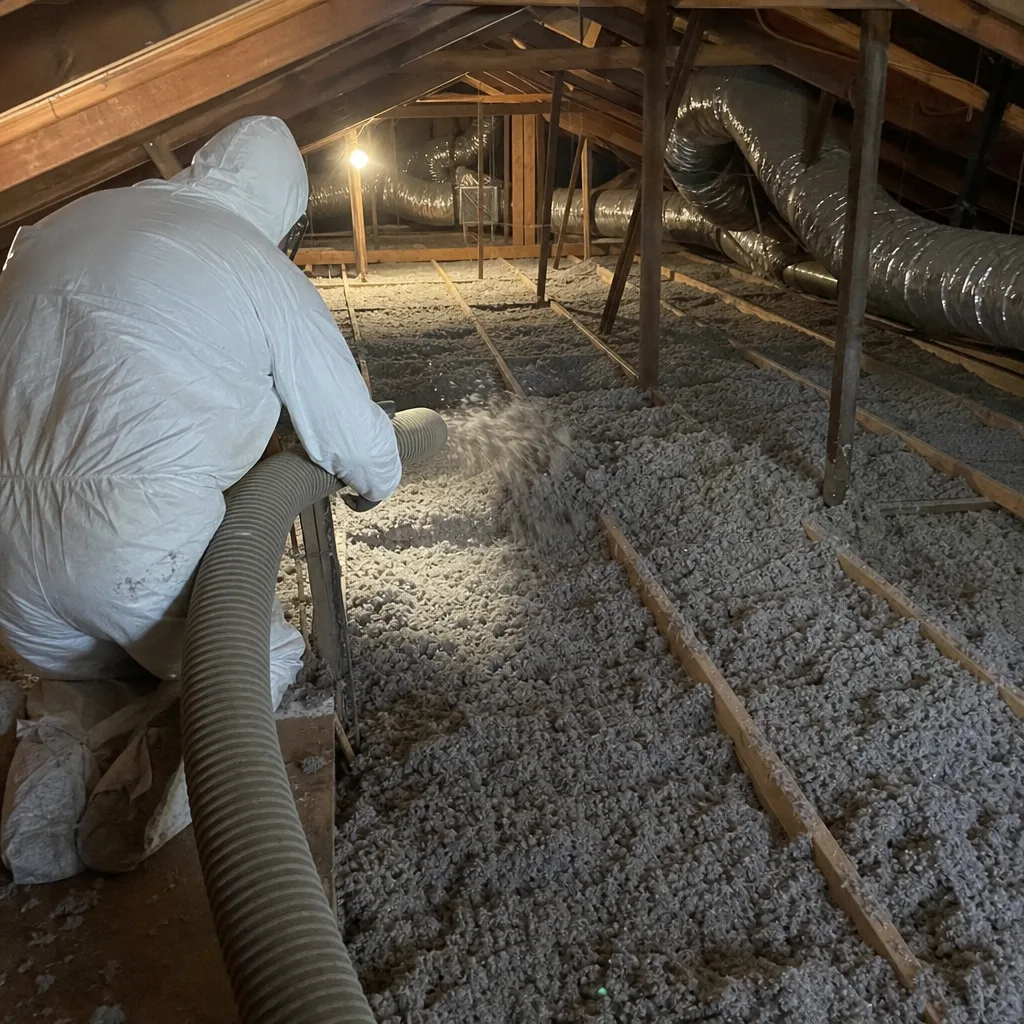
There’s safe reconnaissance and then there’s work that belongs to someone with a respirator and a harness. You can check your current insulation depth with a ruler and photograph any discoloration or compression for reference. You can also verify your attic hatch seals properly - a gap there undermines everything below it.
What you shouldn’t do: disturb fiberglass without N95 or P100 respiratory protection, work near active knob-and-tube without de-energizing the circuit, or blow new material over unsealed leaks. The “Seal the leaks first. The insulation has nowhere useful to go until you do.” We’ve pulled back too many DIY jobs in Menlo Park where fresh Knauf was blown directly over a leaky top plate, trapping moisture and compressing within two seasons. Wes Okafor starts every job with a blower-door test - a pressurization measurement that shows exactly how much conditioned air you’re losing - because the number determines where we seal before the first bag opens. If your attic has any electrical work, any slope steeper than 6:12, or any suspicion of rodent damage, call (510) 876-4113 and we’ll read the space with you.
FAQs
Properly installed and undisturbed Knauf fiberglass lasts 80-100 years, though we see functional failure in 15-25 years when it’s blown over unsealed leaks or compressed by storage. The coastal humidity in Menlo Park accelerates binder breakdown compared to drier inland climates, so graying or clumping before year 20 is common near the bay side. Call (510) 876-4113 for a free depth and condition check - estimates are free.
Yes, if the existing material is dry, uncompressed, and free of rodent contamination. We probe for moisture content and inspect for droppings before recommending a cap-over; if either test fails, removal is mandatory per our scope protocol. A cap-over saves $800-$1,400 on a typical Menlo Park job. Call (510) 876-4113 and we’ll assess what’s actually up there.
Most Menlo Park attic replacements complete in one day: 2-3 hours for removal and air sealing, 2-3 hours for new material placement and verification. Two-story homes with multiple attic zones, or any job requiring electrical coordination, may run into a second day. We give you a written schedule with the price, not a range.
We stock Knauf Jet Stream and EcoFill WX on our trucks for Menlo Park jobs, plus compatible aftermarket fiberglass for budget-conscious scopes. No order delays for standard R-values. If your home requires a specific density or fire-rated assembly for Title 24 compliance, we confirm material match before scheduling.
Written by Wes Okafor, Owner, Topside Attic Insulation Menlo Park at Topside Attic Insulation Menlo Park, serving Menlo Park and nearby areas.