
Owens Corning Vapor Barrier Installation: The Menlo Park Owner’s Guide
Most Owens Corning vapor barrier installations in Menlo Park run between $1,800 and $3,400 for a full crawl space encapsulation, depending on square footage and whether the existing barrier needs complete removal. We stock Owens Corning Foamular NGX and PinkWrap-compatible materials on our trucks, and we can usually start the job within 48 hours of your call. Homeowners typically notice the problem first as a musty smell rising through floor vents, or they spot standing water under the house after one of Menlo Park’s January through March heavy rain cycles.
Which Owens Corning Models This Applies To
Owens Corning does not sell a standalone “vapor barrier” branded part in the way some manufacturers do. Instead, their system relies on Foamular NGX rigid foam boards - the pink boards most homeowners recognize - paired with PinkWrap housewrap or specialized polyethylene sheeting for crawl space and basement applications. The critical compatibility point is the perm rating: Foamular NGX runs about 1.1 perms at 1-inch thickness, which makes it a Class II vapor retarder, not a true barrier. In Menlo Park’s marine-influenced climate zone 3C, that distinction matters because the Pacific moisture load pushes more vapor through foundation walls than inland Bay Area cities see.
To identify what you currently have, check the stamped labeling on any exposed rigid foam. Owens Corning stamps “FOAMULAR NGX” with the R-value and thickness every 24 inches. If you see unmarked black or clear polyethylene, that’s likely a generic retrofit from a previous owner, not OEM Owens Corning material. We do not claim exclusive or preferred status with Owens Corning - we are an independent service provider - and we also stock Reflectix radiant barrier products for hybrid systems where both vapor control and heat reflection are needed. The aftermarket equivalent question usually comes down to whether you need a true vapor barrier (0.1 perm or less) or the more breathable retarder that Foamular provides. Get this wrong in a Menlo Park crawl space with clay-heavy soils, and you trap moisture against framing instead of managing it.
Signs Your Owens Corning Vapor Barrier Installation Is Failing
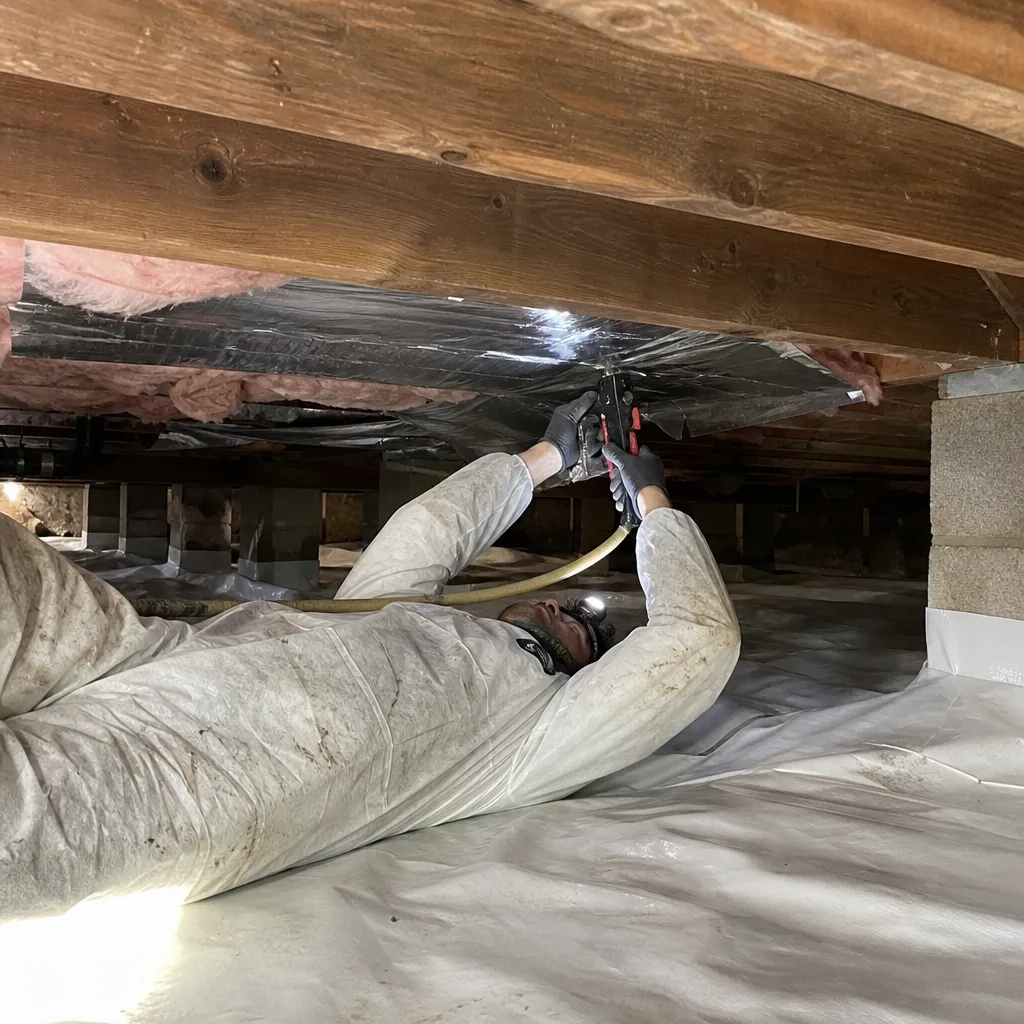
- Musty odors that worsen after rain. When the polyethylene sheeting tears at seams or pulls away from foundation walls, groundwater vapor rises directly into the floor assembly. In Menlo Park’s older homes near the Allied Arts Guild neighborhood, we’ve found original 6-mil barriers degraded to brittle flakes after 15 years of soil contact.
- Visible condensation on ductwork or joists. This means the barrier’s perm rating is mismatched to the assembly, or air leaks at the rim joist are bypassing the barrier entirely. The vapor isn’t being stopped where it should be.
- Sagging or pooled polyethylene. Standing water on top of the barrier indicates either a drainage failure beneath it or a barrier installed without proper slope toward a sump or drain. Owens Corning systems should include dimple mat drainage board beneath the foam in high-water-table areas.
- Mold spotting on the barrier’s upper surface. Pink or white fuzz growing on the warm side of the plastic means humid interior air is contacting the cold surface, usually because the barrier was sealed to walls but not properly taped at seams.
- Increasing energy bills with no HVAC changes. A compromised vapor barrier allows moist air to infiltrate insulation, dropping its effective R-value. We’ve measured 30% performance loss in wet fiberglass adjacent to failed barriers during Menlo Park energy audits.
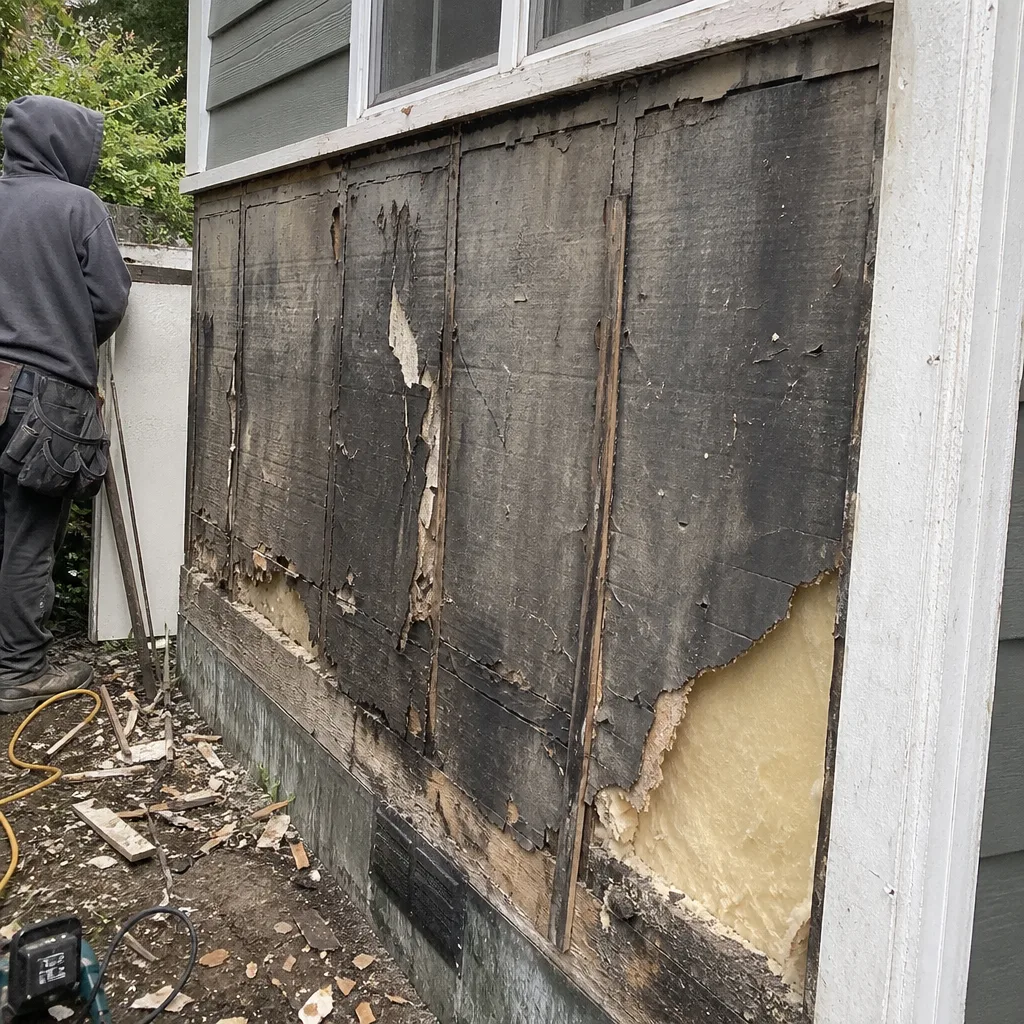 Before
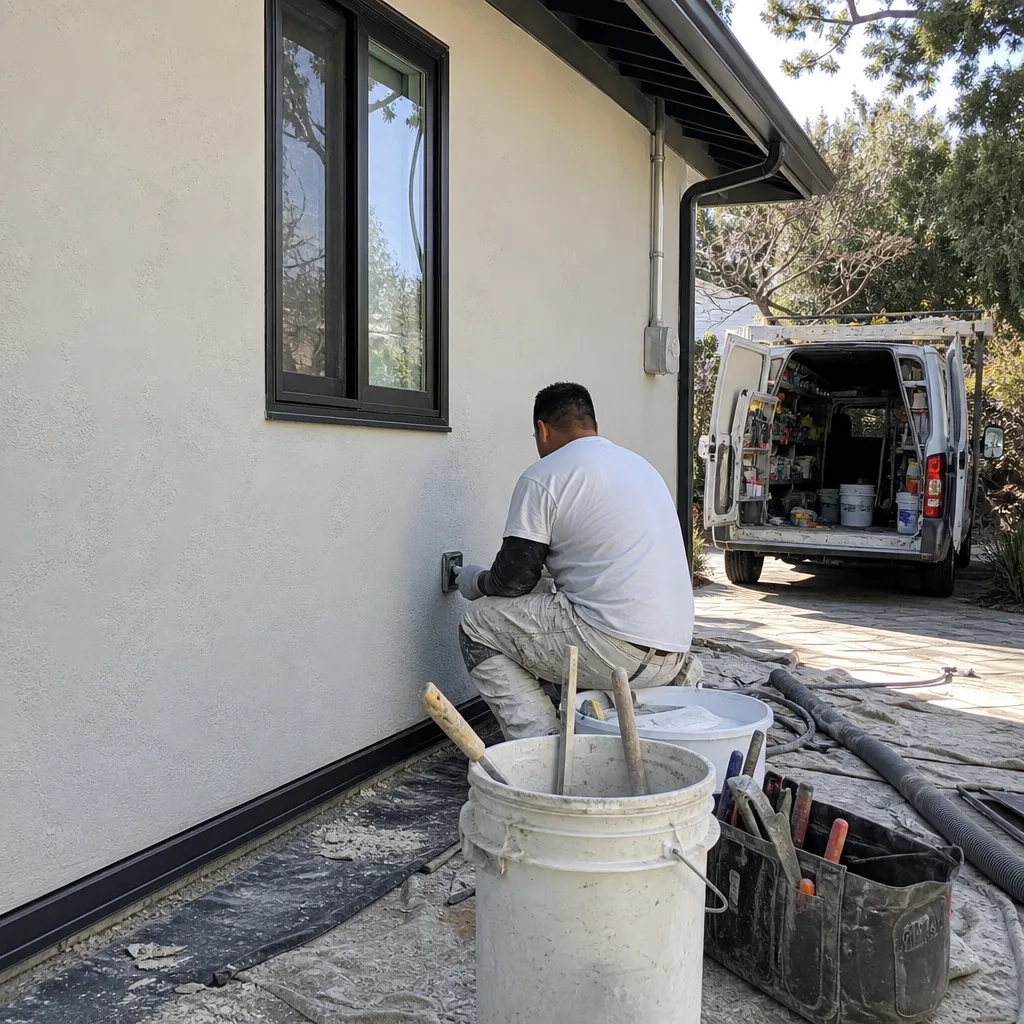 After
AfterReplacement Cost & What’s Included
For a typical 1,200-square-foot crawl space in Menlo Park, complete Owens Corning-compatible vapor barrier replacement runs $1,800 to $3,400. That range breaks down as follows: removal and disposal of existing degraded material ($400-$700), new 10-mil or 12-mil reinforced polyethylene with Owens Corning-compatible seam tape ($600-$1,100), perimeter mechanical fastening to foundation walls ($300-$500), and installation of drainage matting if soil conditions require it ($500-$1,100). Jobs in the higher end usually involve full Foamular NGX rigid foam board overlay, not just polyethylene.
What drives the spread: crawl height (anything under 18 inches adds labor time), active rodent damage requiring subfloor repair consultation, and whether we find unsealed rim joists that need air-sealing before the new barrier goes in. We don’t blow insulation over an unsealed attic floor, and we don’t lay vapor barrier over unsealed crawl space penetrations. Under Haven Standard Clause 1, you get a flat written price before anyone lifts a tool, plus a written warranty and a Documented Photo Record showing before condition, during work, and completed installation. The 365-Day Done Right Promise covers all completed work.
DIY or Call Us?
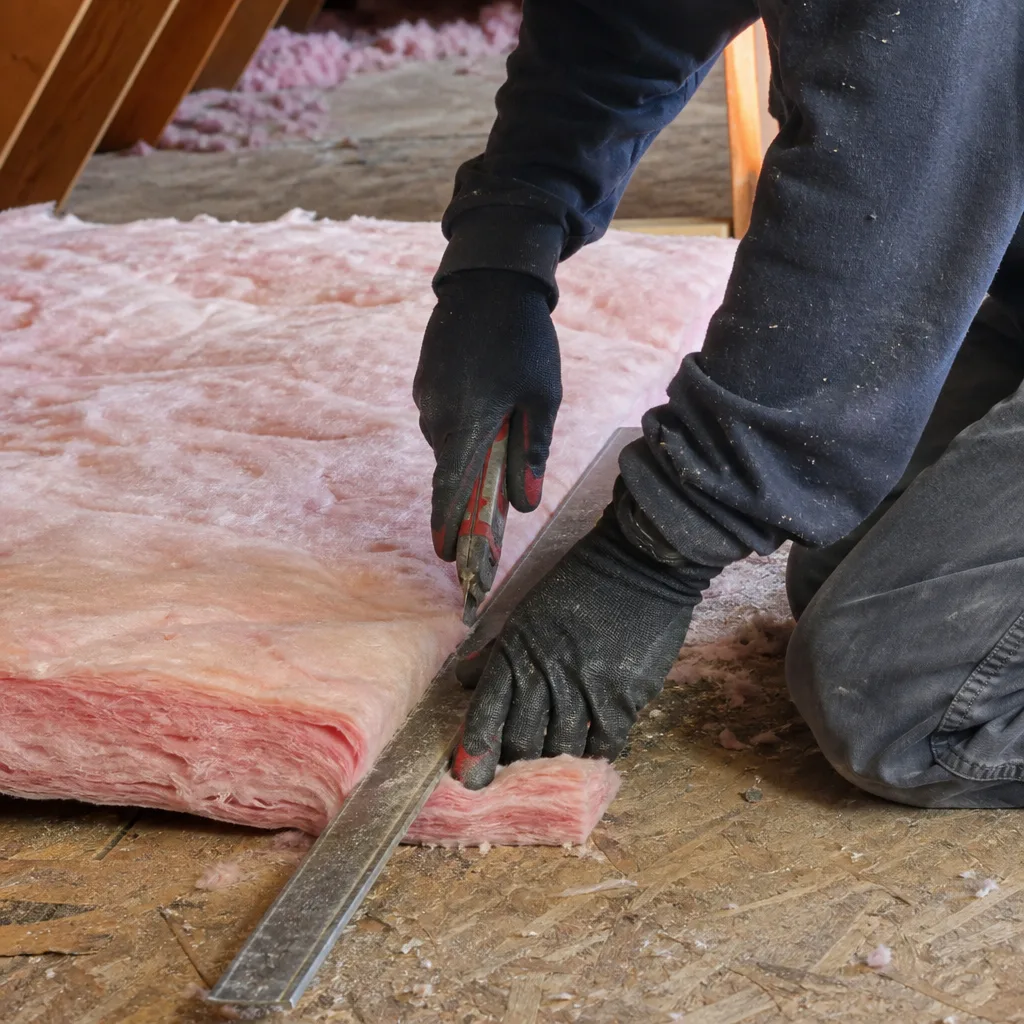
There’s no high-tension spring or electrical hazard in vapor barrier work, but there’s a knowledge hazard that costs homeowners more than the initial DIY savings. What you can safely check: verify whether your existing barrier is polyethylene (flexible plastic sheeting) or rigid foam, look for obvious tears at seams, and confirm whether your crawl space has a functional sump pump or gravity drain. Use a flashlight, not your hands - rodent droppings and old wiring are common in Menlo Park’s pre-1970s housing stock.
Where DIY goes wrong: using 6-mil polyethylene from a hardware store when 10-mil minimum is needed for soil contact durability; failing to seal the barrier to walls above outside grade line, which lets surface water run behind it; and missing the air-sealing step at plumbing and electrical penetrations. We’ve been called to redo homeowner installations within two years because the barrier looked fine but was bypassed by unsealed gaps. Seal the leaks first. The insulation has nowhere useful to go until you do. For a written price and a crew that works slowly through the hatch, call (510) 876-4113.
FAQs
Properly installed 10-mil or thicker reinforced polyethylene lasts 15 to 20 years in Menlo Park’s climate, though the marine moisture load and clay soils in the Willows neighborhood can shorten that to 10 to 12 years if drainage is poor. Call (510) 876-4113 for an inspection - estimates are free.
Small punctures or seam separations under 6 inches can be patched with compatible polyethylene tape, but widespread embrittlement, rodent damage, or multiple failed seams means full replacement is more cost-effective than chasing individual failures. We carry patch materials on our trucks for minor repairs when a full replacement isn’t warranted yet. Call (510) 876-4113 and we’ll tell you which category you’re in.
Most residential crawl spaces in Menlo Park take one to two days: half a day for removal and surface prep, half to full day for installation and sealing, plus drying time for any wall-sealant products. We schedule so you’re not without HVAC access overnight. Call (510) 876-4113 to check current availability.
We stock Owens Corning Foamular NGX rigid foam, compatible reinforced polyethylene sheeting, and specialized seam tapes and wall fasteners on our trucks. For Reflectix hybrid systems or specific perm-rated membranes, we can source within 24 hours. Call (510) 876-4113 to confirm material availability for your specific crawl space configuration.
Written by Wes Okafor, Owner, Topside Attic Insulation Menlo Park at Topside Attic Insulation Menlo Park, serving Menlo Park and nearby areas.