
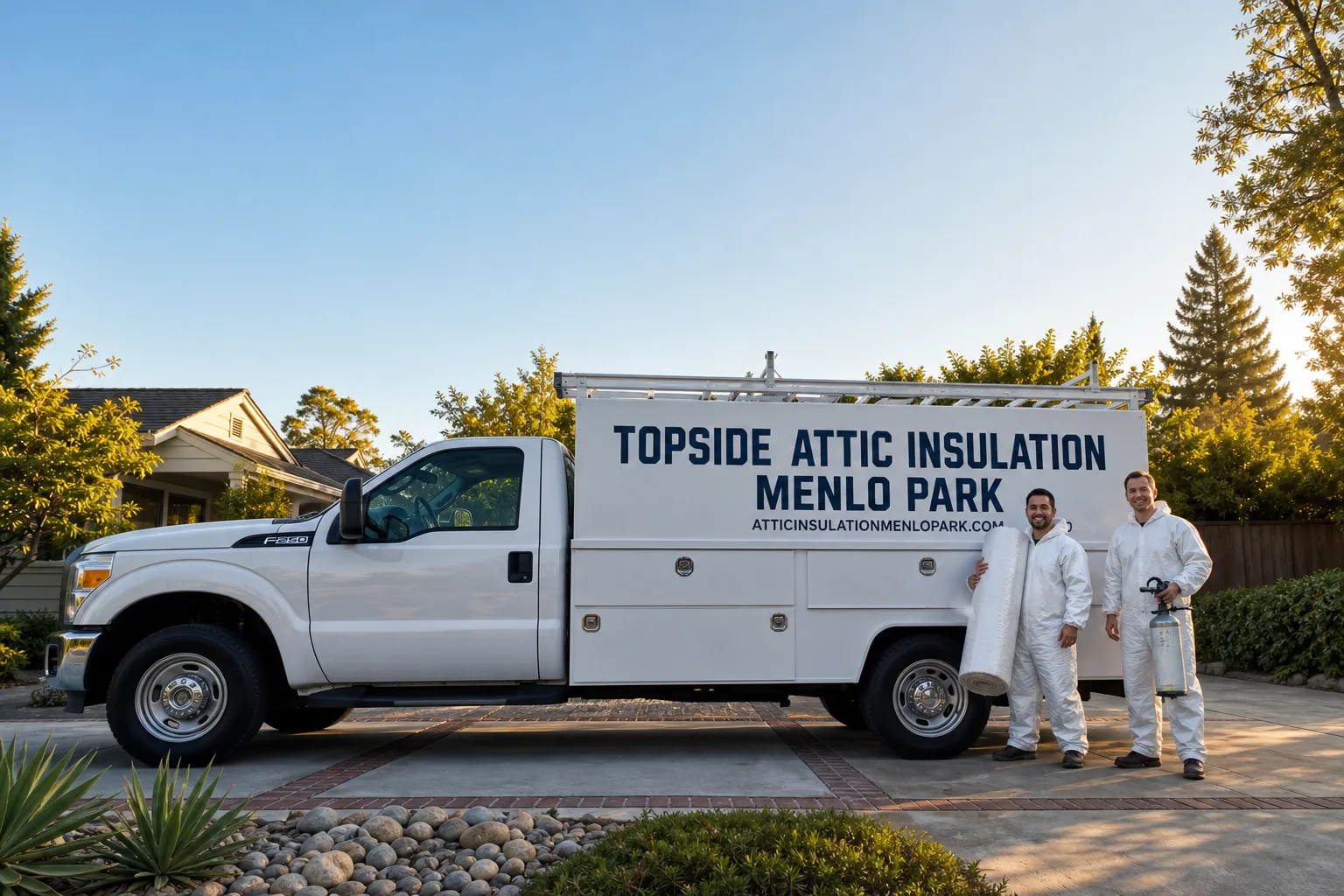
How Much Does Wall Insulation Cost in Menlo Park?
Wall insulation in Menlo Park, CA typically costs between $1,800 and $6,500 for a whole-house project, with most single-family homes in the 1,500-2,800 square foot range landing between $2,400 and $4,800 depending on wall type, insulation material, and access method. Blown-in dense-pack cellulose or fiberglass into existing closed walls - the most common retrofit approach in Menlo Park’s older ranch and mid-century homes - runs $2.50 to $4.75 per square foot of wall cavity. Spray foam applications in open-wall situations cost more, typically $4.50 to $9.00 per square foot.
Wall Insulation Cost Breakdown (2026)
The table below reflects current labor and material pricing in the Menlo Park market. These are real ranges we see on jobs in the area, not national averages adjusted by a multiplier. Your final written price will depend on factors covered in the next section, but this gives you a working frame before you talk to anyone.
| Insulation Type / Application | Typical Cost Per Sq Ft (Wall Cavity) | Whole-House Estimate (1,800 sq ft home) |
|---|---|---|
| Dense-pack cellulose (existing closed walls, drill-and-fill) | $2.50 - $3.75 | $2,200 - $3,400 |
| Dense-pack fiberglass (existing closed walls) | $2.75 - $4.25 | $2,500 - $3,900 |
| Open-cell spray foam (open wall, new construction or gut rehab) | $4.50 - $6.50 | $4,100 - $5,900 |
| Closed-cell spray foam (open wall, high-performance or moisture concern) | $6.00 - $9.00 | $5,400 - $8,200 |
| Batt insulation replacement (open wall, existing batt removal + new) | $1.75 - $3.25 (incl. removal) | $1,600 - $2,950 |
| Injection foam (existing walls, low disruption) | $3.25 - $5.50 | $2,950 - $5,000 |
A few things to know about how to read that table. “Wall cavity square footage” is not the same as your home’s floor square footage. A 1,800 sq ft home typically has 900-1,200 sq ft of exterior wall cavity to fill once you subtract windows, doors, and structural framing. That’s why the whole-house estimates look smaller than you might expect when you multiply by floor area. Also: these figures cover materials and installation labor. They do not include drywall repair if your walls are being opened from the interior, which adds $400-$1,200 depending on scope, or any permit costs, which in Menlo Park are typically $150-$450 for a building permit on insulation work in existing walls (check with the City of Menlo Park Building Division, as requirements can shift).
The most common job we see in older Menlo Park neighborhoods – think post-war construction in the Willows or University Heights, or the 1960s builds near Encinal Avenue – is a drill-and-fill dense-pack cellulose project where we bore small holes in the exterior siding (or occasionally the interior drywall), blow cellulose in under pressure to fill the cavity completely, then patch and paint. Total cost on a 1,600 sq ft ranch with 2×4 stud walls typically lands between $2,600 and $3,800 all in.
What Affects Wall Insulation Pricing in Menlo Park
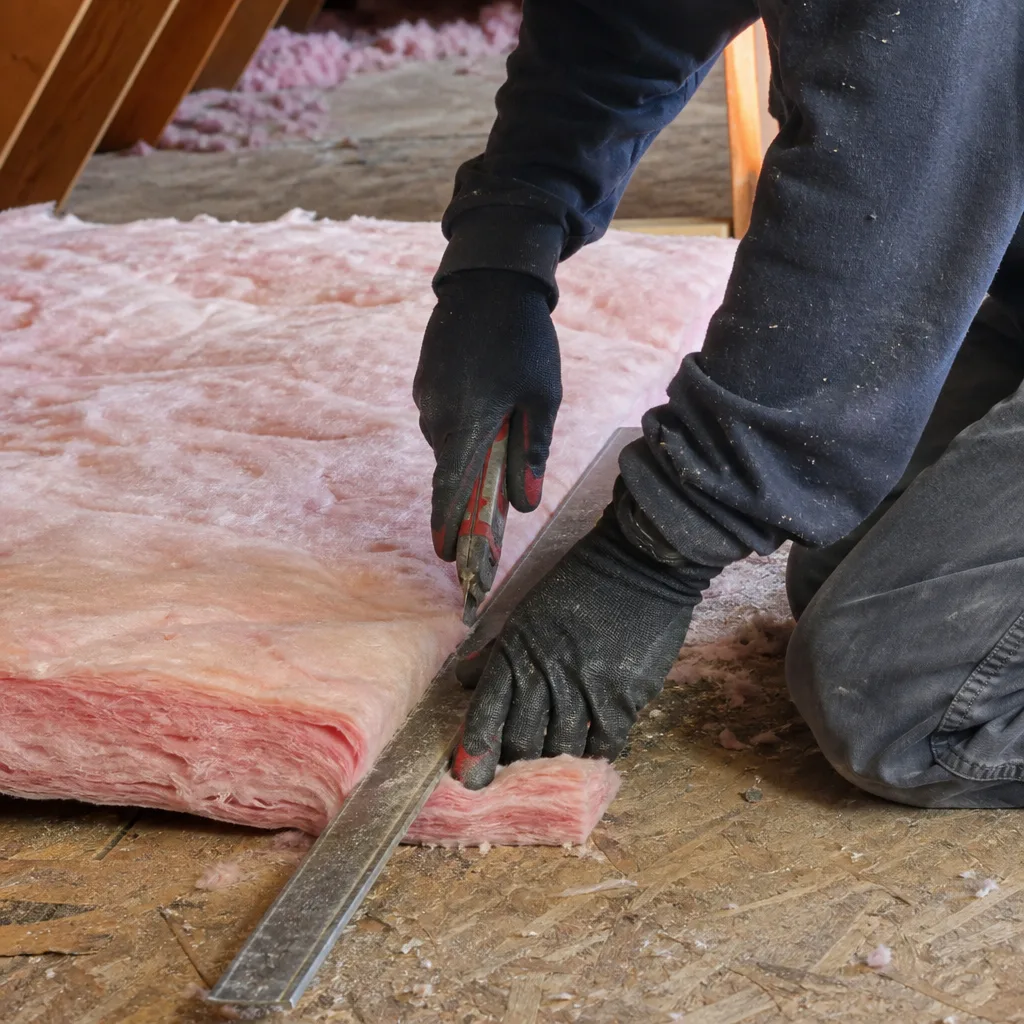
Six factors move the needle more than anything else in this market:
- Wall construction type and stud depth: Standard 2×4 framing (R-13 to R-15 capacity) is different from 2×6 framing (R-21 to R-23 capacity). Menlo Park has a mix of both – newer construction near the Middlefield Road corridor tends toward 2×6, while the pre-1980 stock in Allied Arts and the Belle Haven neighborhoods is almost universally 2×4. More cavity depth means more material and higher cost per square foot, but also a better finished R-value.
- Access method – exterior drill-and-fill vs. interior: Drilling from the exterior through wood or fiber-cement siding costs less in labor but requires careful patching and paint matching afterward. Interior access through drywall adds drywall repair costs but avoids exterior work entirely. In Menlo Park homes with original redwood siding, many homeowners prefer interior access to avoid disturbing the siding – that’s a legitimate choice, but budget an additional $500-$1,000 for drywall repair on a typical job.
- Existing insulation condition: Many Menlo Park homes built between 1945 and 1970 have thin, settled fiberglass batts – sometimes just 1-2 inches of original kraft-faced batt that has lost most of its R-value. If existing material is deteriorated, pest-contaminated, or wet, it needs to come out before new insulation goes in. Removal adds $0.50-$1.25 per square foot of wall cavity to the total.
- Air leakage points at the wall-to-attic junction: Here is something most wall insulation quotes ignore: the top plates – the horizontal framing members at the top of your walls where they meet the attic floor – are often the biggest air leakage paths in the whole building envelope. In Menlo Park’s 1950s and 1960s construction, open top plates with unsealed penetrations (wiring runs, plumbing stacks) can account for a significant portion of conditioned air loss. Under the Haven Standard, we treat air sealing of those top plates as a prerequisite, not an upsell. That work typically adds $350-$800 to a wall insulation project but shows up in the blower-door numbers afterward.
- Local climate and the Peninsula’s fog pattern: Menlo Park sits in a particular microclimate – cooler and foggier than inland East Bay, warmer than the coast. The dominant heat-loss direction shifts seasonally: in summer, radiant heat from the west-facing walls matters. In winter, the prevailing northwest wind hits north and west exposures harder. That affects which walls we prioritize and whether moisture management (a closed-cell foam or vapor retarder) belongs in the scope. A house on Oak Grove Avenue with a clear northwest exposure faces different conditions than one tucked in behind Belle Haven’s tighter street grid.
- Home size and layout complexity: A simple rectangle is faster to insulate than an L-shaped or multi-gable plan with angled walls, knee walls, or bump-outs. Every transition point adds time. Menlo Park has a number of custom and architect-designed homes – particularly in the Allied Arts district – where layout complexity meaningfully affects labor hours and therefore final price.
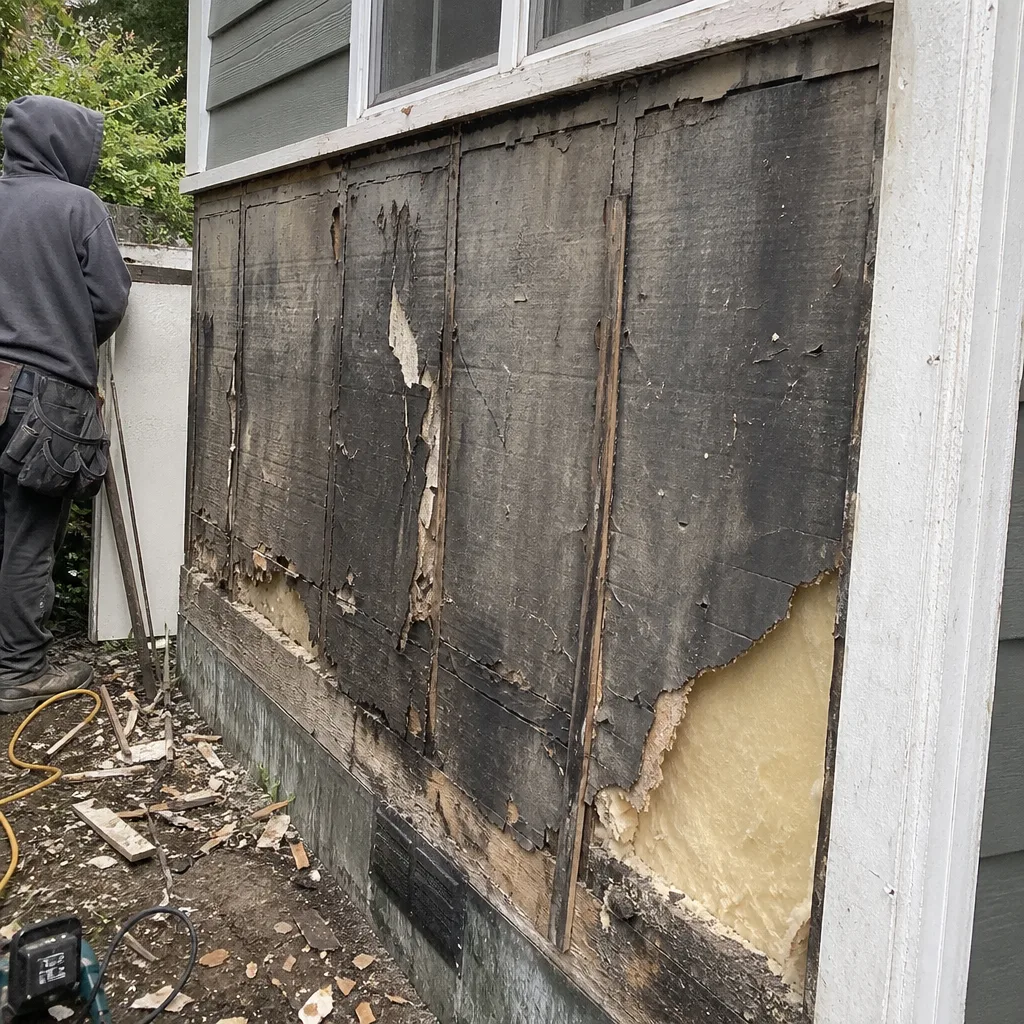 Before
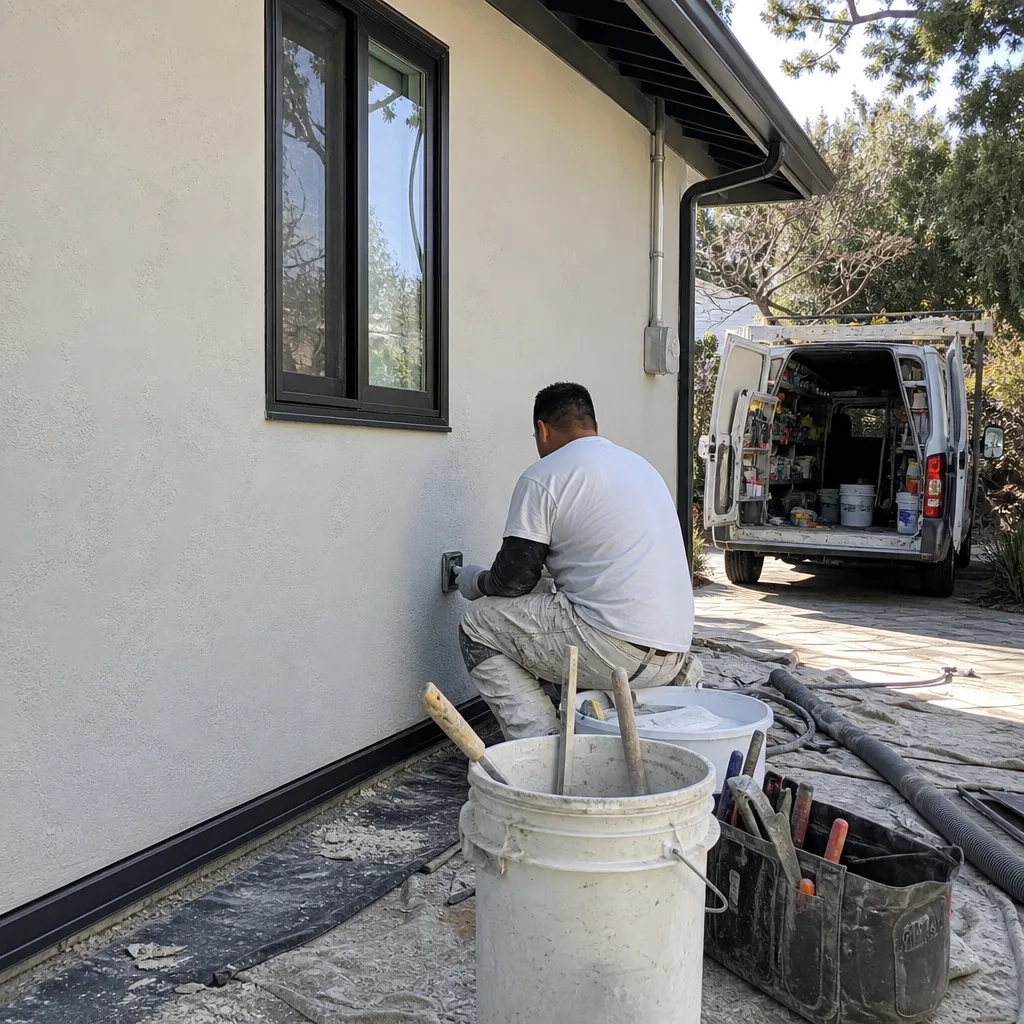 After
AfterWall Insulation Material Options: What You’re Actually Buying
The price differences between materials are real, and understanding what you get for the extra cost helps you make a sensible decision. Here is a plain breakdown of the four materials we use most often on Wall Insulation in Menlo Park projects.
Dense-Pack Cellulose
Cellulose is recycled paper fiber – typically 85% post-consumer content – treated with borate for fire and pest resistance. It’s blown into the wall cavity under pressure high enough to prevent future settling. Finished R-value in a 2×4 wall: approximately R-13. In a 2×6 wall: approximately R-21. We source from GreenFiber, and it’s the material we use most often on Menlo Park retrofits because it handles the slight moisture variation of Peninsula weather without degrading. Cost advantage over spray foam is significant; performance gap on a well-sealed wall is smaller than many contractors suggest.
Dense-Pack Fiberglass
Similar install method to cellulose, slightly higher material cost, no pest-resistance from the material itself (though the inorganic fiber doesn’t support mold or rot). Some homeowners in Menlo Park prefer it because there’s no dust odor during installation. Finished R-values are similar to cellulose in the same cavity depth. We source from Owens Corning and Johns Manville.
Spray Foam – Open Cell and Closed Cell
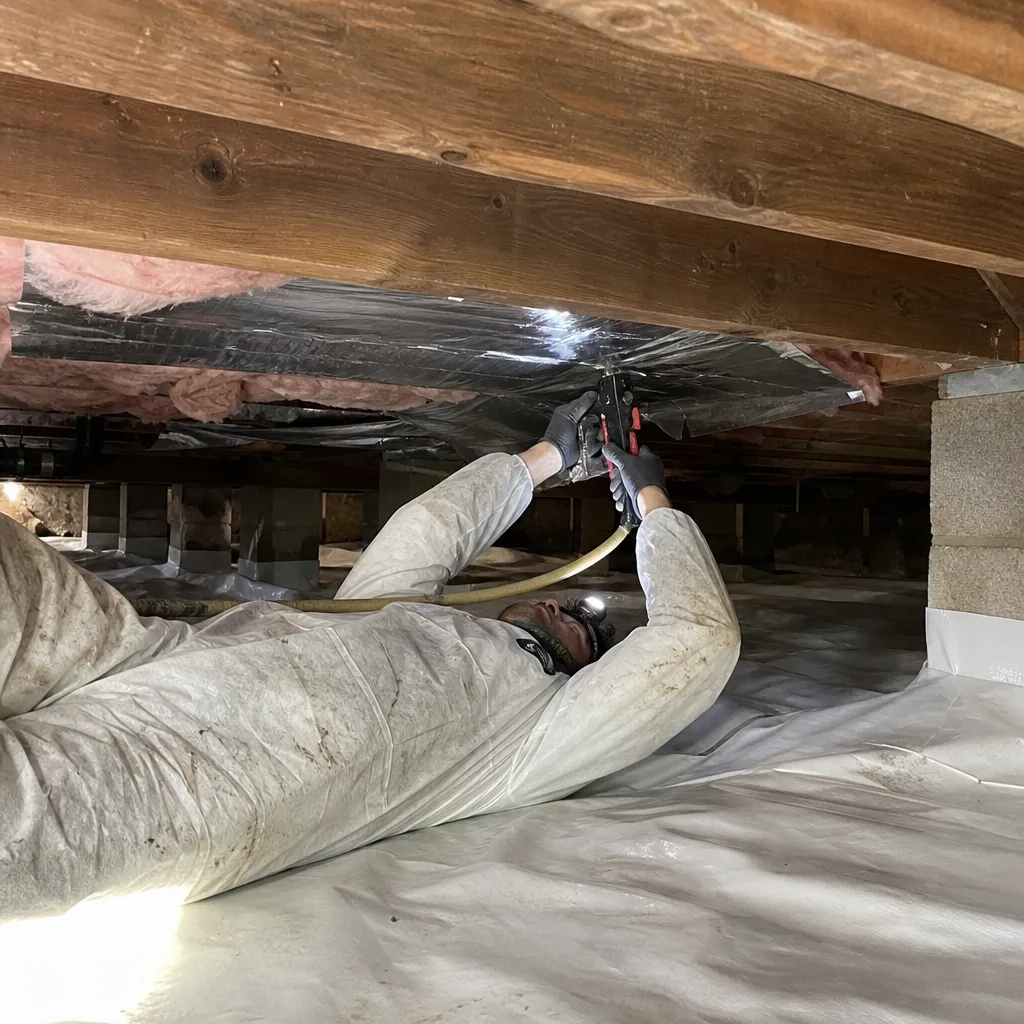
Open-cell foam (roughly R-3.7 per inch) is soft, vapor-permeable, and works well in open-wall situations – gut rehabs, additions, new construction. Closed-cell foam (roughly R-6.5 per inch) is rigid, acts as a vapor barrier, and is the right call when there’s a documented moisture concern or when the wall cavity is too shallow to reach adequate R-value with a softer material. Both Icynene and Demilec products are in our material set. Spray foam requires open-wall access and is not used in drill-and-fill retrofits; if a contractor is telling you they’re spray-foaming your closed existing walls through a small hole, ask detailed questions about the actual process.
Injection Foam
A lower-viscosity foam formulation specifically designed for retrofitting closed walls. It flows rather than expands aggressively, filling cavities without the blowout risk of conventional spray foam. Cost is higher than cellulose for a similar finished R-value, but it’s a legitimate option when the homeowner wants foam chemistry in an existing wall. We use it selectively – it earns its cost in specific situations, not as a default upgrade.
How to Save on Wall Insulation in Menlo Park
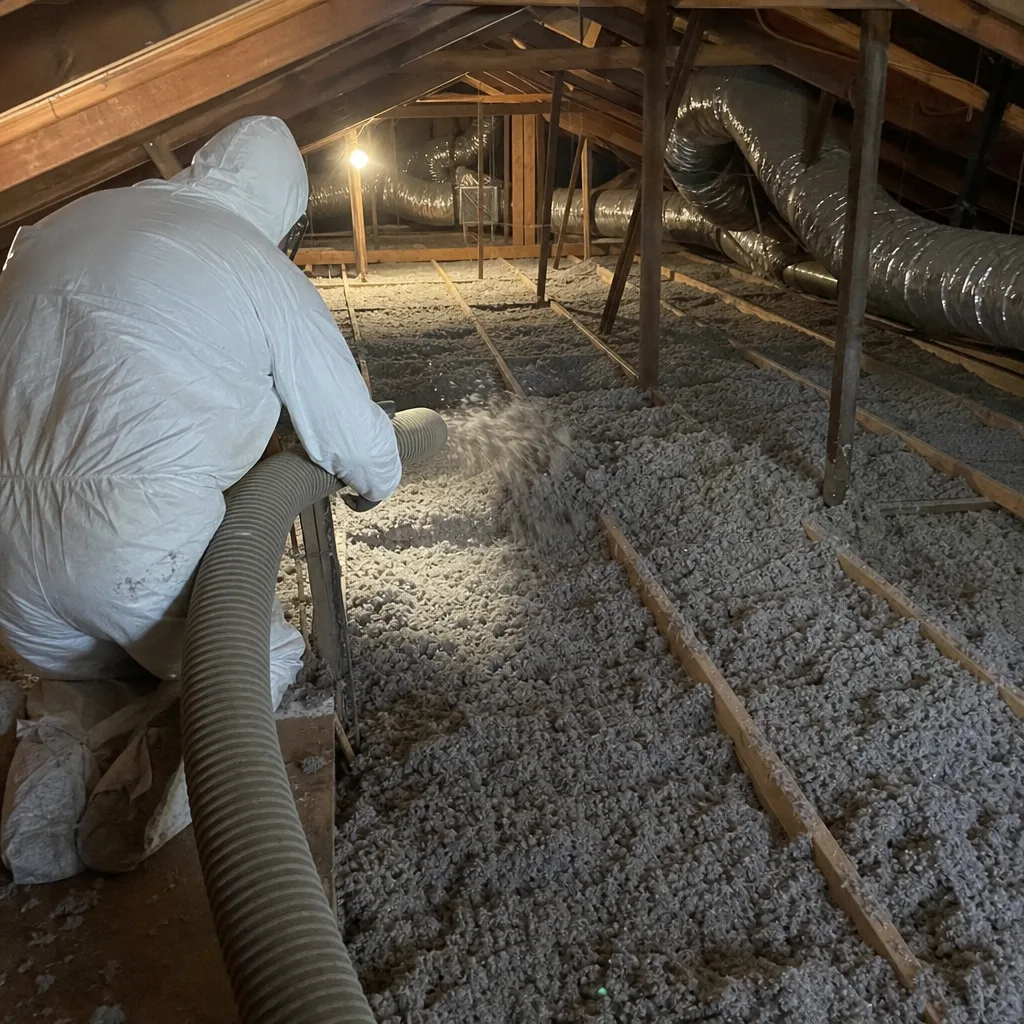
There are real ways to reduce cost without reducing the quality of the finished job. And there are ways that look like savings but leave you with a poorly performing wall. Here is the honest version of both.
Things That Actually Save Money
- Combine wall and attic work in a single mobilization: A crew already on site with equipment running cuts your per-job setup cost. If your attic also needs insulation or air sealing – which it likely does in any Menlo Park home built before 1990 – bundling the work typically saves $400-$900 compared to two separate visits.
- Get a second opinion on any written quote: We offer a free second opinion on any written estimate you’ve already received. Bring it in. We’ll read it with you and tell you exactly what’s included, what’s missing, and where the price is reasonable. No pressure, no obligation. Call (510) 876-4113 to set that up.
- Check for PG&E and BayREN rebates: As of 2026, BayREN (the Bay Area Regional Energy Network) offers rebates on qualifying insulation work for San Mateo County residents – Menlo Park qualifies. Rebate amounts shift, but whole-house insulation projects have historically been eligible for $500-$1,500 back depending on scope and home characteristics. Your insulation contractor should be able to tell you whether your project qualifies; if they can’t, that’s worth knowing.
- Prioritize the worst walls first: You don’t have to do every wall at once. A north-facing or west-facing exterior wall with no existing insulation loses more heat than an interior partition. If budget is the constraint, a good energy audit will identify which walls are doing the most damage to your heating and cooling bills. We offer home energy audits as a standalone service for exactly this reason.
- Interior access when siding is complex: If your home has original stucco or fiber-cement siding that would be expensive to patch and repaint, going through the interior drywall instead – while it adds drywall repair cost – can still be cheaper than exterior access plus the siding restoration work that follows.
Where Cutting Cost Backfires
Skipping air sealing to save $400 is the most common version of this. Blowing insulation into a wall cavity that still has open top plates and electrical penetrations is like insulating a tent. The material is there; the performance isn’t. We’ve been called back to homes in the Sharon Heights and Allied Arts areas where a previous contractor did exactly this – nice-looking job on paper, no measurable improvement in the blower-door numbers. That’s why every scope we write treats air sealing as a hard prerequisite, not a line item you can remove.
Similarly: insulation installed without documentation leaves you with no way to verify the job was done right. A Documented Photo Record of before, during, and after is included on every Envelope Insulation Co. job – not available on request, not an upgrade. If a contractor can’t tell you what documentation they leave behind, that’s useful information.
What the Installation Process Looks Like in Menlo Park
Knowing what actually happens on the day helps you plan, and it helps you evaluate whether a competing quote covers the same scope.
On a drill-and-fill retrofit – the most common scenario for Menlo Park’s existing housing stock – the process looks like this: We begin with a pre-installation blower-door test, a pressurization reading that establishes in a single number (CFM50 – cubic feet per minute of air leakage at 50 pascals of pressure) how leaky the building envelope is before we touch anything. That number is documented. Then we address air sealing at the top plates and any accessible penetrations before any insulation material goes in. Then the wall cavities are drilled (typically 1-inch to 2-inch diameter holes at regular intervals along each stud bay), material is blown in under controlled pressure until the cavity reads full, and holes are plugged and patched. A final blower-door test gives us the after number. Both numbers go into your Documented Photo Record.
Timeline: most single-family homes in Menlo Park take one to two days for wall insulation, depending on square footage and access method. Spray foam open-wall work on a gut rehab can go faster per wall but often involves scheduling around other trades. Your written scope will include a named technician and a text when they’re on the way.
Menlo Park Wall Insulation: What We See in the Field
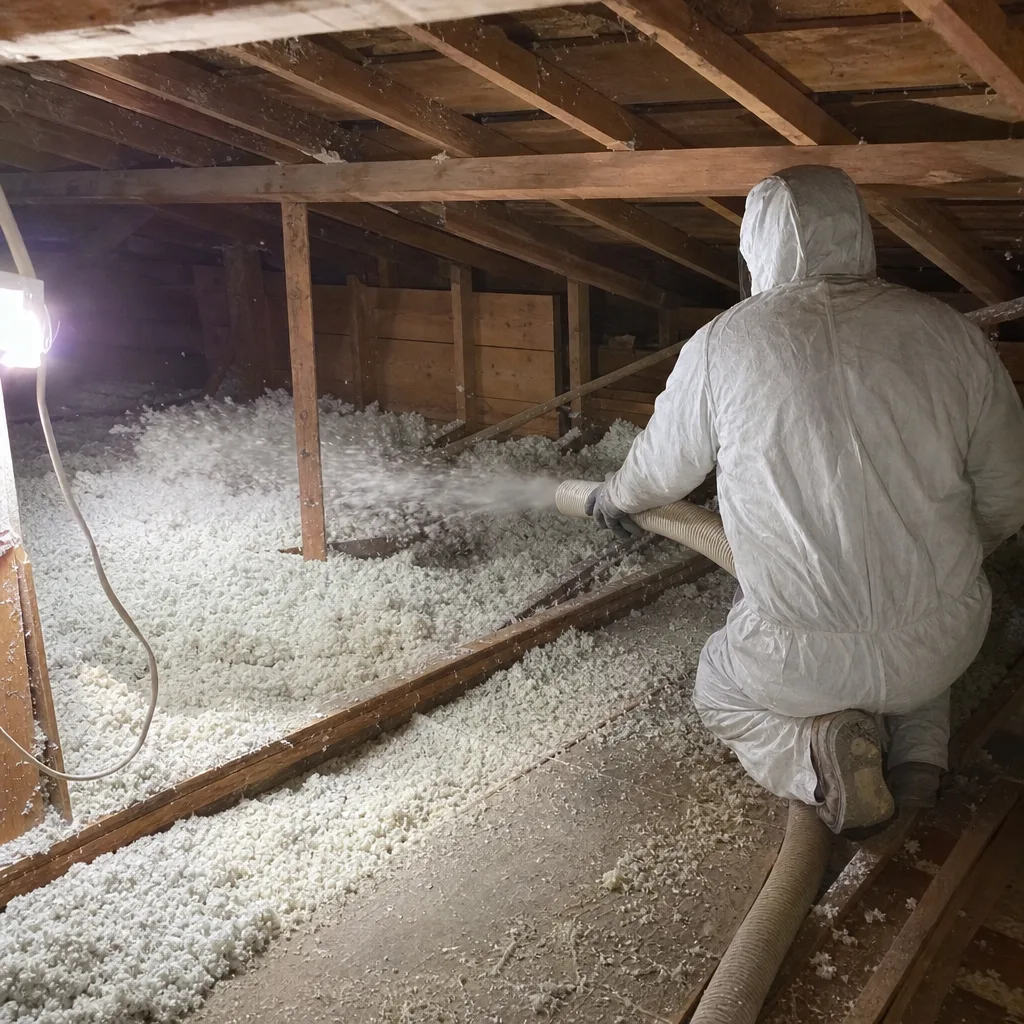
Menlo Park’s housing stock is not uniform, and the insulation problems aren’t either. A few patterns we see repeatedly:
In the Willows neighborhood, the post-war tract homes from the late 1940s and early 1950s frequently have no wall insulation at all – the original builders used gypsum board or plaster on the interior, redwood siding on the exterior, and nothing in between. When we run a blower-door test on an unimproved Willows home, the baseline readings are often high enough that the occupants have effectively been conditioning the outdoors. Dense-pack cellulose through the exterior siding – patched and painted to match – is the standard fix, and it’s the most cost-effective path given the siding condition on most of these homes.
In Belle Haven, we see a higher proportion of homes with deteriorated original fiberglass batt – installed in the 1960s and 1970s, now compressed, often moisture-damaged, occasionally contaminated with rodent activity. Those projects require removal first. The removal cost is real, but installing new insulation over damaged material is not a long-term solution. The before-and-after blower-door numbers on these jobs show the biggest swings because the starting condition is so poor.
In the western side of Menlo Park near the Stanford border – Felton Gables, the Park Forest area – many homes are larger and have already had some insulation work done, but often by contractors who didn’t seal air bypasses first. We see a consistent pattern: walls that read full on visual inspection but show continued high air infiltration on the blower-door test. That’s an air sealing problem, not an insulation problem, and it calls for a different fix than more insulation material.
How Envelope Insulation Co. Prices Wall Insulation Jobs
Wes Okafor built the pricing model at Envelope Insulation Co. around one principle: the number you see before we start is the number on the invoice when we leave. No “we found something” change orders during a job, no ambiguous line items that expand at completion. Haven Standard Clause 1 is a written price before any work starts – flat, with a written scope and a written warranty attached. That’s not a marketing position. It’s a process that has applied to every one of the 9,000-plus homes we’ve worked on since 2016.
If you already have a written estimate from another contractor, Wes’s team will give you a free second opinion. We read it line by line with you, compare scope, and tell you what’s there and what isn’t. That offer has no strings. Call (510) 876-4113 or reach out through our home page to set it up.
Materials come from Owens Corning, Johns Manville, Knauf, Rockwool, CertainTeed, Icynene, Demilec, and GreenFiber. We use the material that fits the job, not the one that fits a distributor arrangement.
Key Takeaways
- Most wall insulation projects in Menlo Park cost between $1,800 and $6,500; the typical retrofit on an existing single-family home lands between $2,400 and $4,800.
- Dense-pack cellulose drill-and-fill is the most common and cost-effective method for Menlo Park’s pre-1980 housing stock: $2.50-$3.75 per square foot of wall cavity.
- Air sealing at the top plates and penetrations should come before any insulation goes in – skipping it means the insulation won’t perform as intended, and it will show up in the blower-door numbers.
- BayREN rebates for San Mateo County residents can offset $500-$1,500 on qualifying projects as of 2026.
- Every job from Envelope Insulation Co. starts with a written price, includes a Documented Photo Record, and carries the 365-Day Done Right Promise.
- Before-and-after blower-door numbers are documented on every applicable job – you’ll have a number, not an impression, of what changed.
FAQs – Wall Insulation Cost in Menlo Park
How much does it cost to insulate the walls of an existing home in Menlo Park?
Most existing-home wall insulation projects in Menlo Park cost between $2,400 and $4,800 for a typical 1,500-2,500 square foot home using dense-pack cellulose or fiberglass in a drill-and-fill retrofit. Homes with more complex layouts, larger square footage, or spray foam requirements can reach $5,500-$8,000. The only way to get an accurate number for your specific home is a written estimate based on an actual inspection – not a phone estimate, not a square-footage formula. Call (510) 876-4113 and we’ll schedule a free estimate with a written price before any work begins.
Is it cheaper to insulate walls from the inside or outside?
In most Menlo Park retrofits, exterior drill-and-fill is slightly cheaper in labor because drywall repair is avoided, but that advantage narrows or reverses when exterior siding is complex (original stucco, fiber-cement, or detailed redwood siding that requires careful patching and paint matching). Interior access adds $500-$1,000 in drywall repair costs on a typical job but protects the siding. The right call depends on your siding type and condition. We walk through both options and their costs in your written estimate so you can choose with actual numbers in front of you.
Does wall insulation require a permit in Menlo Park?
In most cases, yes – insulation work in existing walls in Menlo Park typically requires a building permit from the City of Menlo Park Building Division. Permit costs generally run $150-$450 depending on project scope. Requirements can change, so verify current requirements directly with the Building Division before your project begins. A contractor who tells you permits aren’t required for this type of work is worth questioning; pulling permits is standard practice and protects you if you sell the home.
How long does wall insulation last in a Menlo Park home?
Dense-pack cellulose and fiberglass installed correctly – meaning blown under adequate pressure to prevent settling – have a service life of 30 to 50 years under normal conditions. Spray foam, properly applied, is essentially permanent. The performance degraders in Menlo Park’s climate are moisture intrusion and pest activity, not the material itself aging. A Documented Photo Record of the installed condition gives you a baseline if you ever need to assess the wall’s condition years later. Our 365-Day Done Right Promise covers the installation for a full year from completion.
Can I get rebates for wall insulation in Menlo Park?
Yes. As of 2026, BayREN (Bay Area Regional Energy Network) offers rebates to San Mateo County homeowners – which includes Menlo Park – for qualifying insulation work. Rebate amounts depend on project scope, home size, and current program funding, but whole-house insulation projects have historically qualified for $500-$1,500. PG&E may also have overlapping programs. Ask your insulation contractor before the job starts whether your specific project qualifies; the rebate application typically requires documentation of the completed work, which is one reason the Documented Photo Record we include on every job matters beyond just quality assurance.
Written by Wes Okafor, Owner at Envelope Insulation Co. (operating as Topside Attic Insulation Menlo Park), serving Menlo Park since 2016.
Pricing reflects the Menlo Park market as of 2026. Topside Attic Insulation Menlo Park offers free estimates – call (510) 876-4113.
What Our Customers Say
"They photographed rodent damage in the old insulation that we had no idea about, and priced the exclusion work separately so we could decide."
- Harriet N."Two other companies quoted to blow more insulation on top of what was there. These were the only ones who said the existing material had to come out first, and explained why."
- Clifford E."Turned up on time, protected the hallway, and the written scope matched what was actually done."
- Bruno S.