
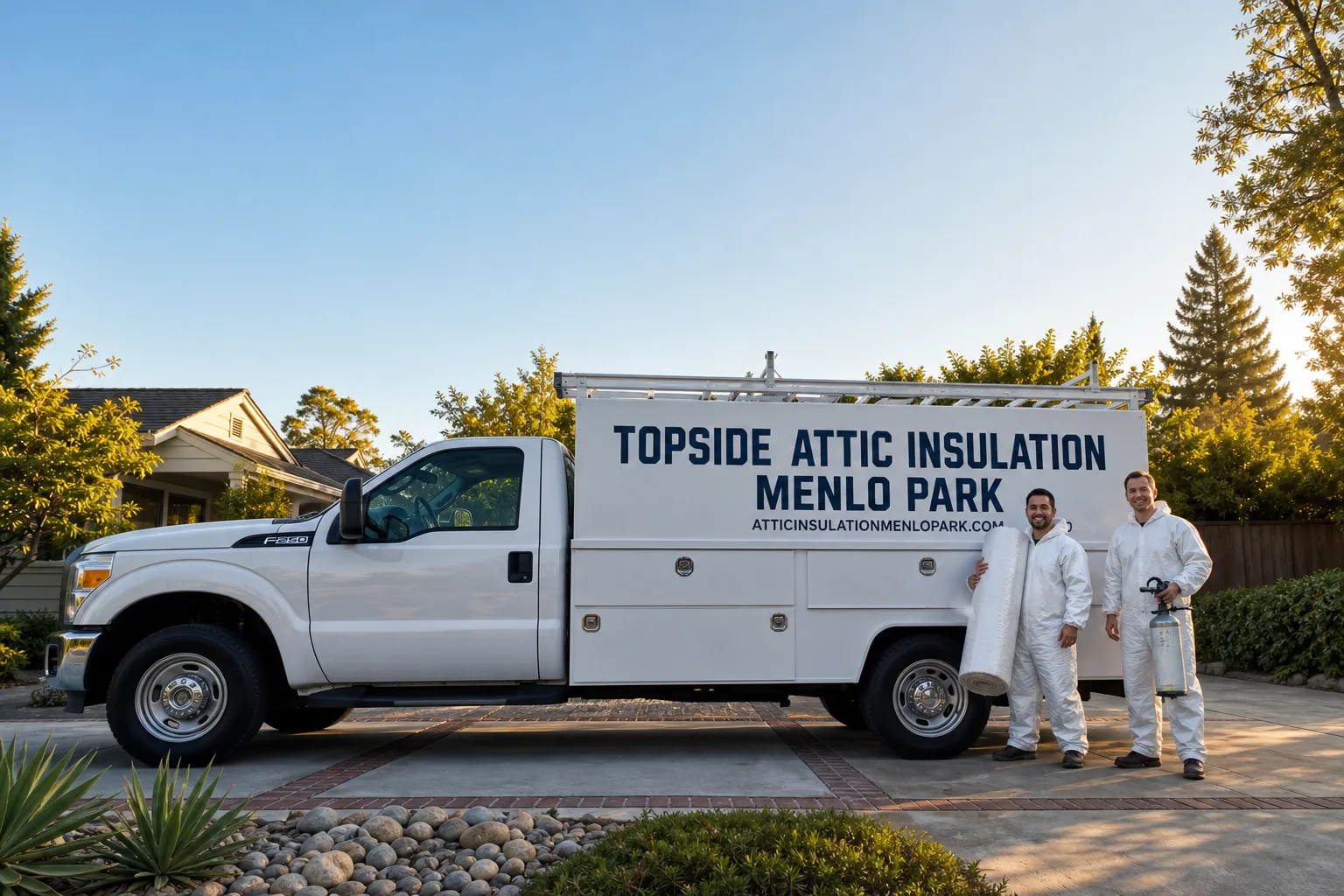
Fast, Reliable Blown-In Insulation Across Union City
Most blown-in insulation jobs in Union City run $1,800-$4,200 for a typical 1,200-2,000 square foot attic, and our crews can usually assess your space and deliver a written price the same day you call. We’re familiar with the specific failure patterns that hit Union City’s western flatland tract homes - the ones sitting in the Dumbarton Bridge gap’s marine-air funnel - and we dispatch from our San Francisco Bay Area office with crews that serve Union City locally. If your ceiling feels cold in January or your PG&E bills spike every summer, the problem usually starts in the attic. Call (510) 876-4113 and we’ll send a technician with a blower-door rig and a camera, not a clipboard and a sales pitch.
Why Topside Attic Insulation Menlo Park Is Union City’s Preferred Blown-In Insulation Company
We’ve sealed and insulated more than 9,000 homes since 2016, and a disproportionate share of our dense-pack wall jobs have been in Union City’s 1960s-1980s ranch and split-level stock. The reviews that matter to us are the ones where homeowners forward their before-and-after PG&E bills - we get those regularly from the Alvarado-Niles corridor and the neighborhoods west of Mission Boulevard.
Response time to Union City is typically same-day or next-morning, depending on whether you need an emergency assessment or a scheduled energy audit. Our technicians know the difference between a Decoto home built in 1962 and a BART transit village townhome from 2018, and they don’t treat the attic the same way.
Under Haven Standard: Arrive on schedule, you get a named technician and a text when they are on the way. Every job begins with a written price and ends with a Documented Photo Record - on applicable jobs, before-and-after blower-door numbers are published so you can verify the air-sealing result.
Our Blown-In Insulation Services in Union City
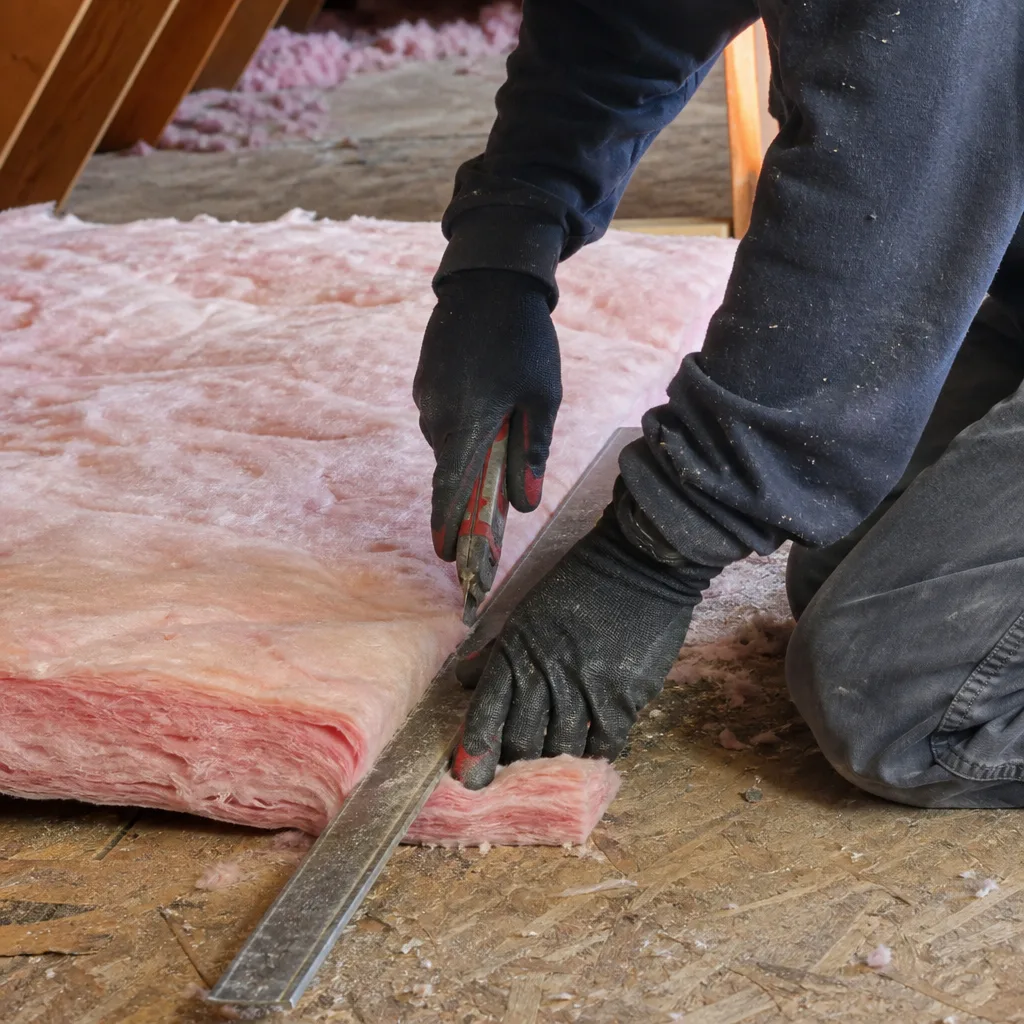
Blown-In Cellulose
We blow GreenFiber cellulose in most Union City attics because it handles the fog-belt humidity better than fiberglass when the envelope is properly sealed first. Cellulose settles less in cool, humid conditions, and its boric-acid treatment resists the mold pressure that builds in western flatland homes where marine air pushes through unsealed top plates. A typical Union City attic top-up with cellulose runs $2,200-$3,800, including air sealing of can lights, top plates, and penetrations.
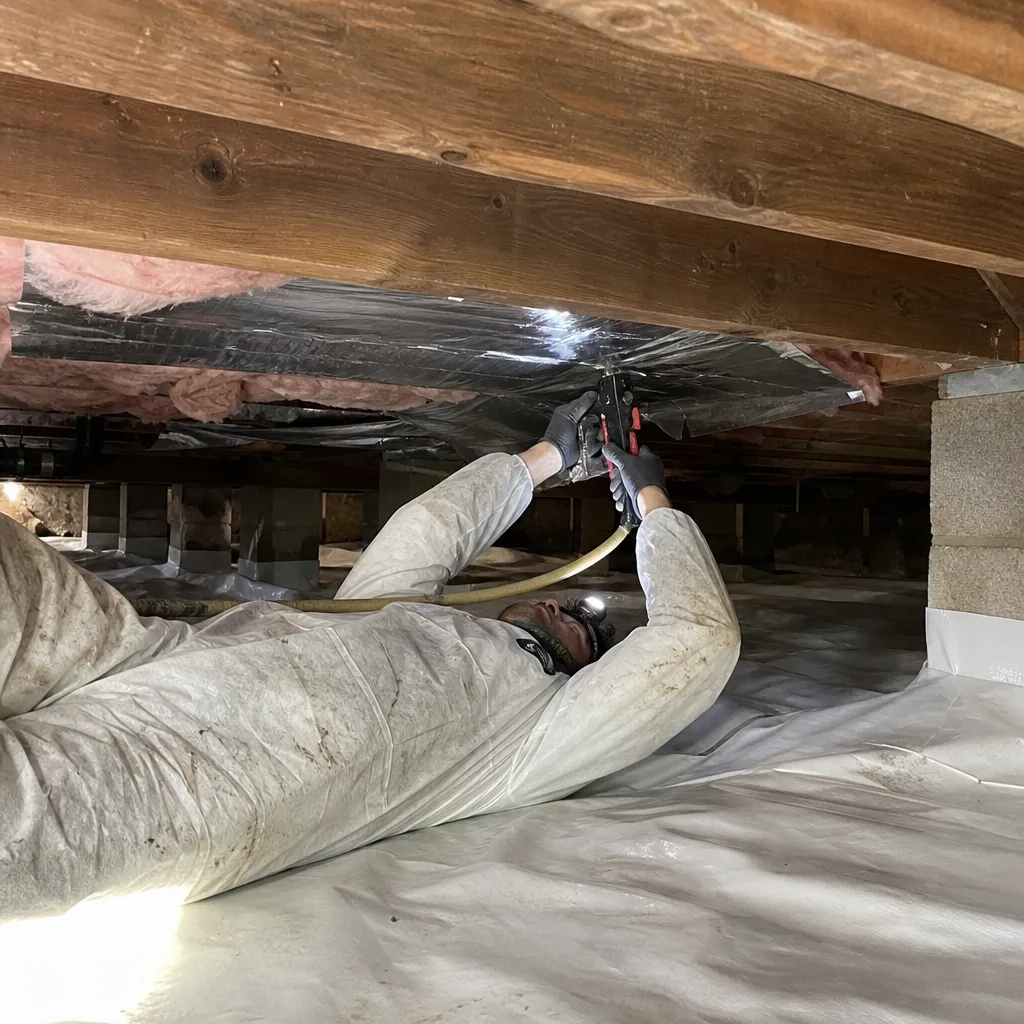
Blown-In Fiberglass
For homeowners who prefer fiberglass, we source from Owens Corning and Johns Manville - never proprietary products that lock you into a single supplier. In Union City’s newer construction around the transit village, where the envelope is already tighter, blown-in fiberglass can make sense for cost and speed. We still seal first, then insulate. In the older stock west of Mission Boulevard, we usually steer you away from fiberglass unless the attic has been fully air-sealed and the humidity source is eliminated.
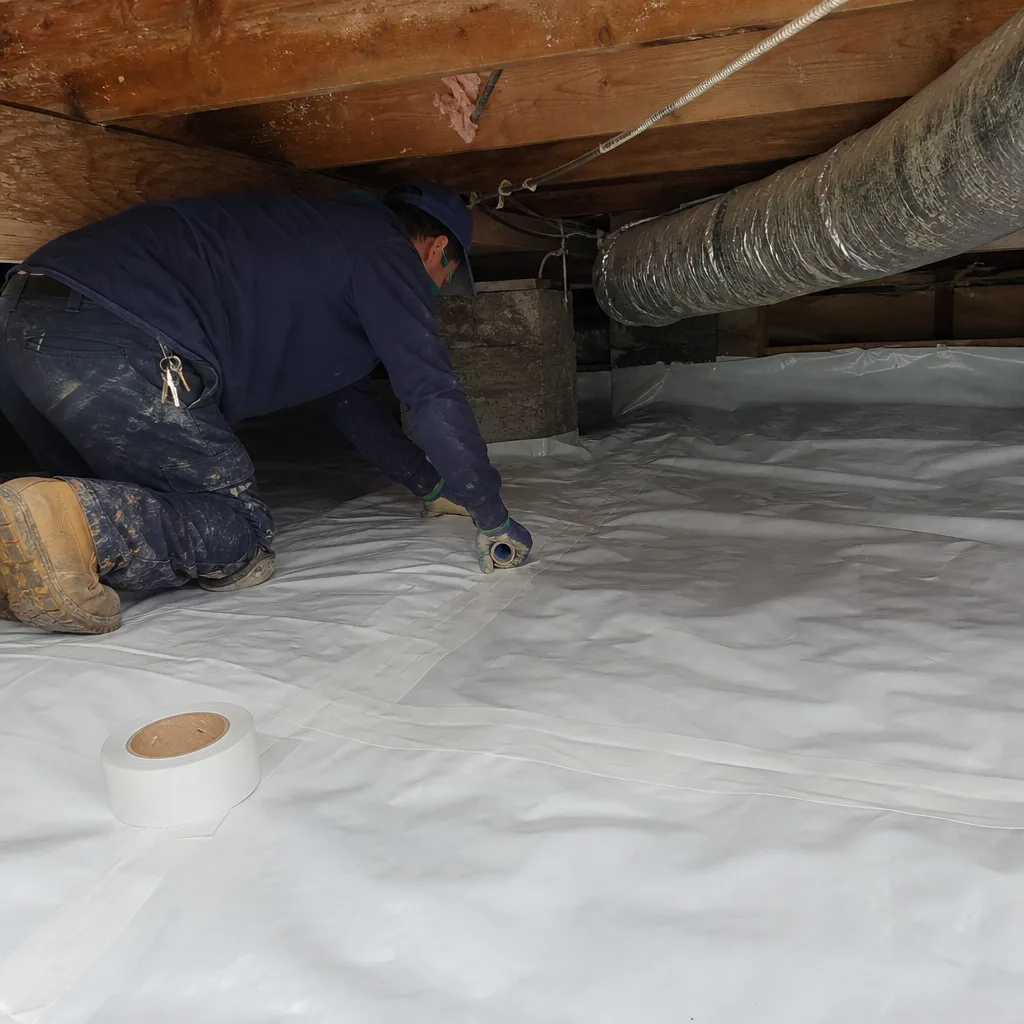
Dense-Pack Wall Insulation
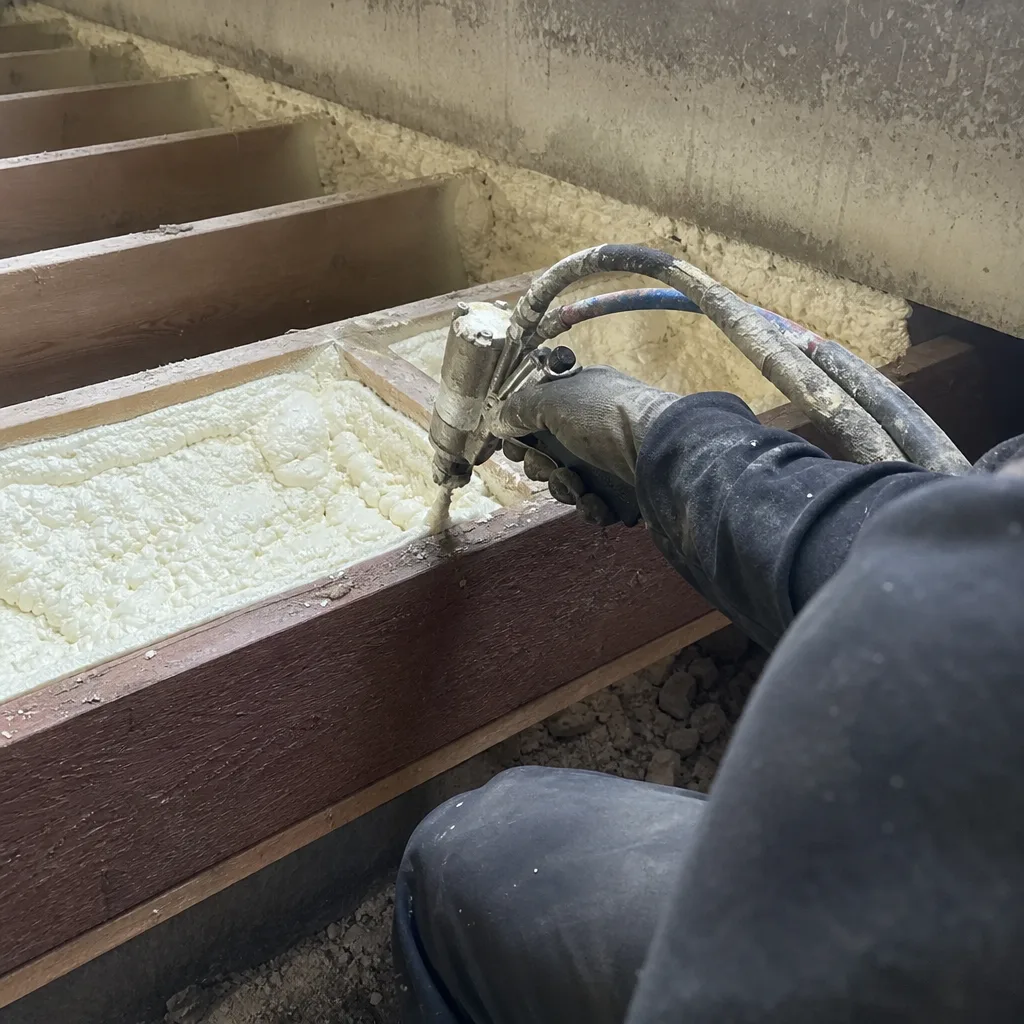
This is where we spend a lot of our time in Union City. The 1960s-1980s tract homes throughout the Decoto and Alvarado-Niles areas were built with R-11 batts in the walls, and decades of Dumbarton-gap humidity have slumped or moisture-wicked those batts into uselessness. Dense-packing - blowing cellulose or fiberglass at high density into closed wall cavities - restores R-value without tearing down drywall. It’s slower than a simple attic job, but in bay-side Union City it outperforms batt replacement because it fills the gaps and cracks that batt installation always misses. Most dense-pack wall jobs in Union City run $3,500-$6,500 for a full house.
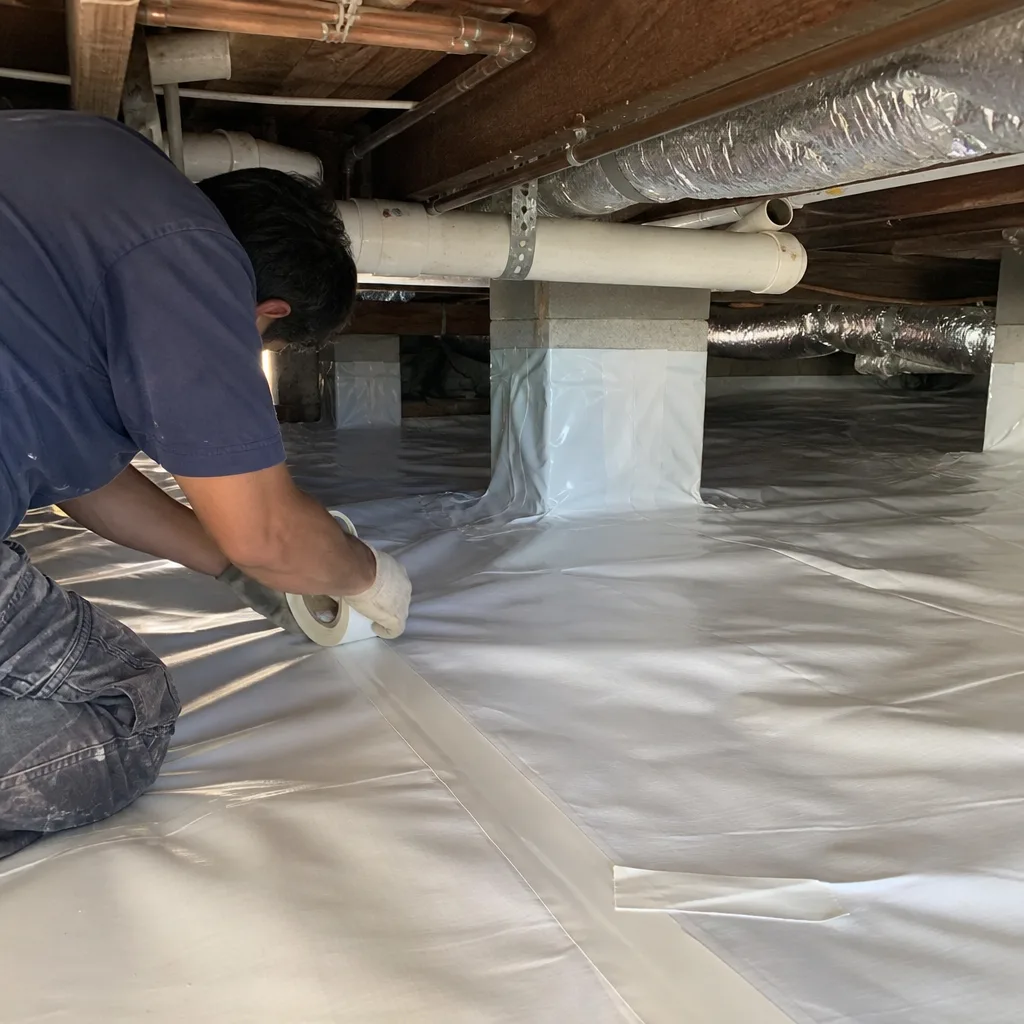
Blown-In Top-Up
The most common call we get in Union City: “My attic has insulation, but the house is still cold.” What we find is settled original batts - often compressed to half their original thickness by decades of foot traffic, storage, and humidity - with an R-value far below current California Title 24 minimums. A blown-in top-up brings the attic to code and beyond, but only after we seal the air leaks that caused the original insulation to underperform. In Union City’s western flatlands, that sealing step is non-negotiable. Top-up jobs typically run $1,800-$3,200.
What happens when you call
- 1
A real person answersNo phone trees - you reach a local pro.
- 2
You get an upfront price rangeHonest numbers before anyone is dispatched.
- 3
A background-checked tech heads outLicensed & insured, dispatched right away.
- 4
You approve before work beginsNothing starts until you say go.
 Before
 After
AfterTrusted Brands We Service in Union City
We stock materials from Rockwool, CertainTeed, and Icynene for Union City jobs - no proprietary lock-in, no “only our brand will do.” Rockwool’s mineral wool performs well in humid attics where fire resistance matters. CertainTeed’s fiberglass lines are what we use when the job calls for that material. Icynene’s open-cell spray foam comes into play for flash-and-batt hybrid jobs in difficult topographies. Because we source from multiple suppliers, replacement materials and warranty claims move fast; we’re not waiting on a single warehouse to restock.
Common Blown-In Insulation Problems We See in Union City Homes
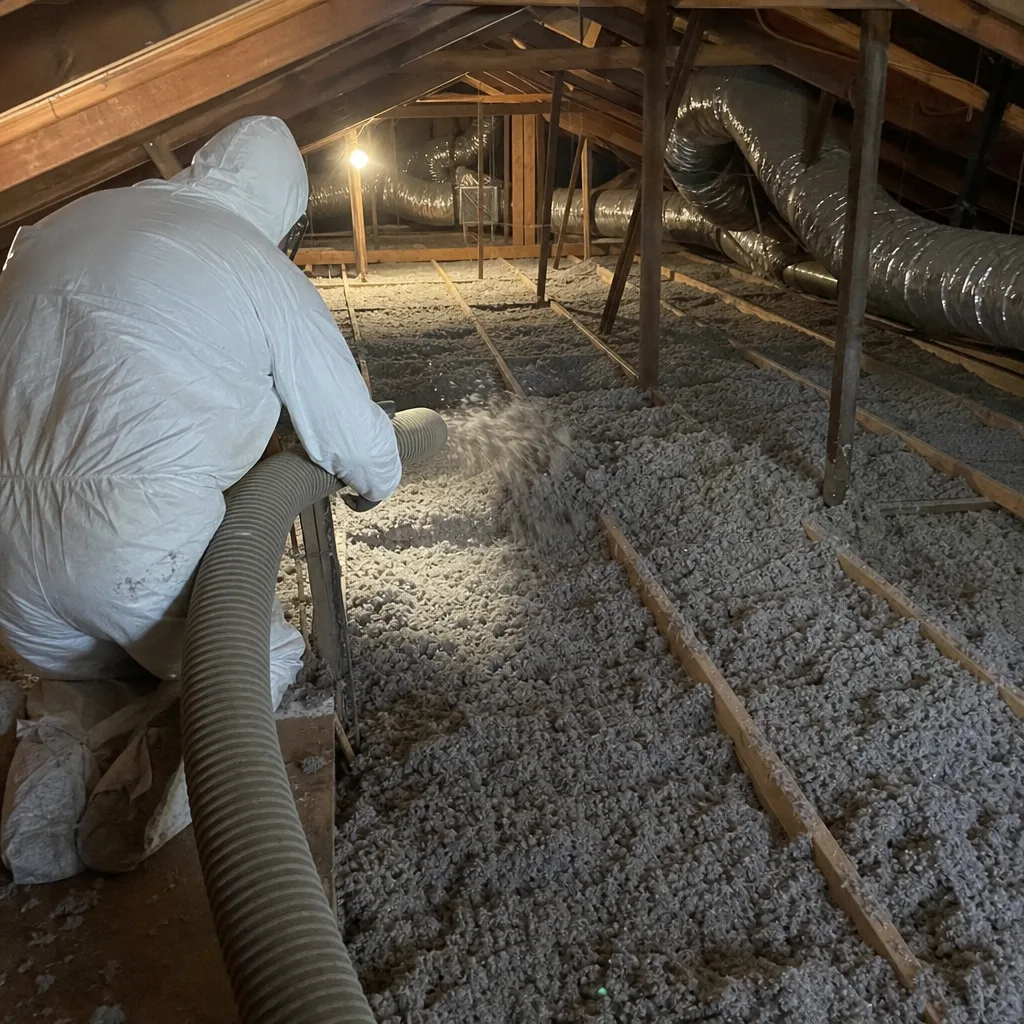
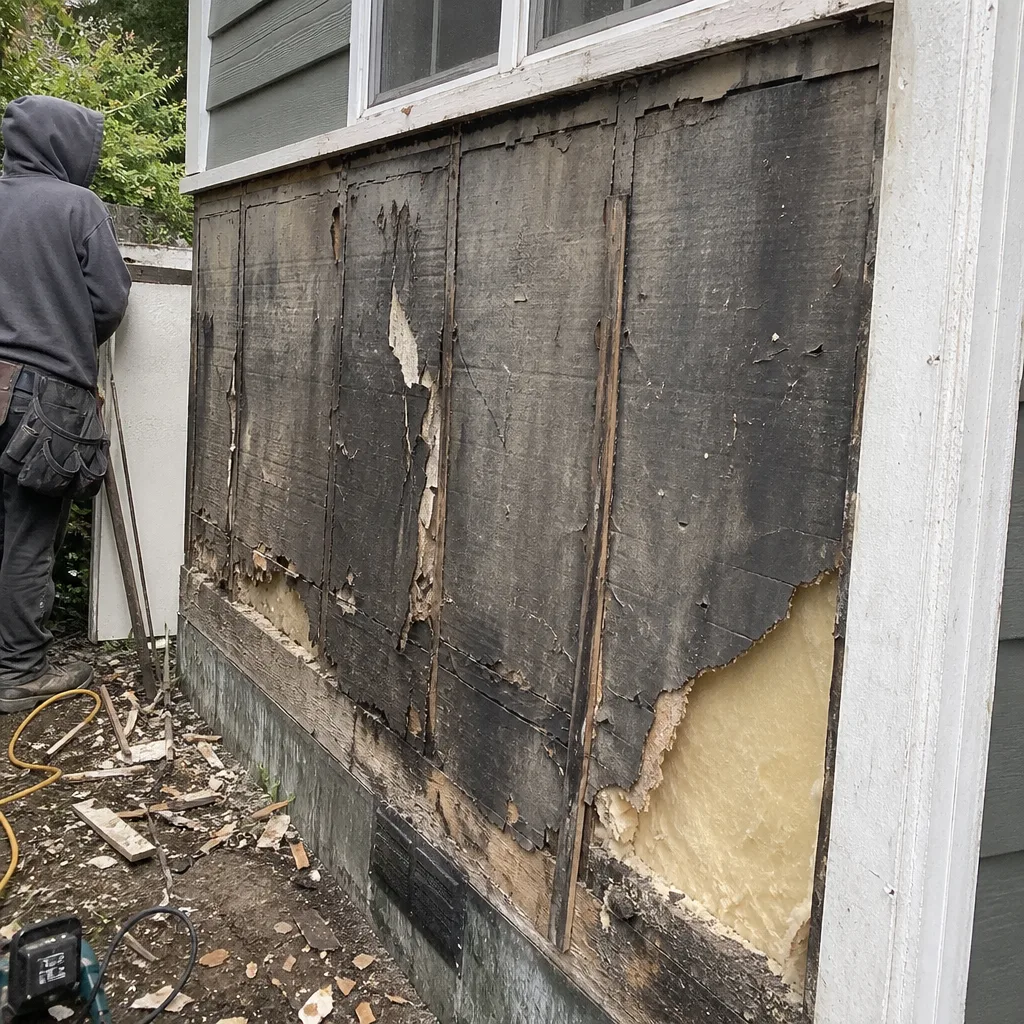
- Moisture-wicked wall batts in western flatland ranches. Original R-11 batts in homes off Alvarado Boulevard and Decoto Road have slumped and wicked moisture from decades of Bay humidity pushing through unsealed top plates. The ceiling looks intact; the wall cavity is effectively uninsulated. We find this far less often in drier Fremont neighborhoods just east.
- Settled attic batts with humidity compression. Union City’s persistent fog-belt humidity lets attic batts compress and lose loft beyond normal settling. The R-value gap is worse than you’d see inland, even though Union City attics stay cooler. A simple top-up without air sealing just repeats the cycle.
- Salt-air corrosion on garage-door hardware. On the western flatlands, salt-laden marine air reaches garage-door springs, hinges, rollers, tracks, fasteners and opener chains - corroding them years before inland Tri-Cities neighbors see the same failure. This isn’t insulation work, but we flag it during attic access because the same air path affects your envelope.
- Title 24 non-compliance in pre-1990 stock. Most Union City homes built during the 1960s-1980s suburban buildout fall well short of current California insulation minimums. When these homes sell or undergo major renovation, the gap becomes a code issue. We document R-value and air leakage so you have a record.
Pricing for Blown-In Insulation in Union City, CA
Here’s what most Union City homeowners pay for our Blown-In Insulation services:
| Service | Typical Range |
|---|---|
| Attic blown-in top-up (air sealing + cellulose) | $1,800 - $3,200 |
| Full attic blow-in with complete air sealing | $2,800 - $4,800 |
| Dense-pack wall insulation (whole house) | $3,500 - $6,500 |
| Flash-and-batt hybrid (spray foam + batt) | $4,200 - $7,800 |
What moves you within these ranges: attic square footage, current insulation condition, accessibility, and whether we need to build dams or vent baffles. Every job gets a written price before any work starts - Haven Standard Clause 1 - and we provide a Free Second Opinion on any written estimate you’ve already received. Call (510) 876-4113 for a written price; estimates are free.
We Also Serve Cities Near Union City
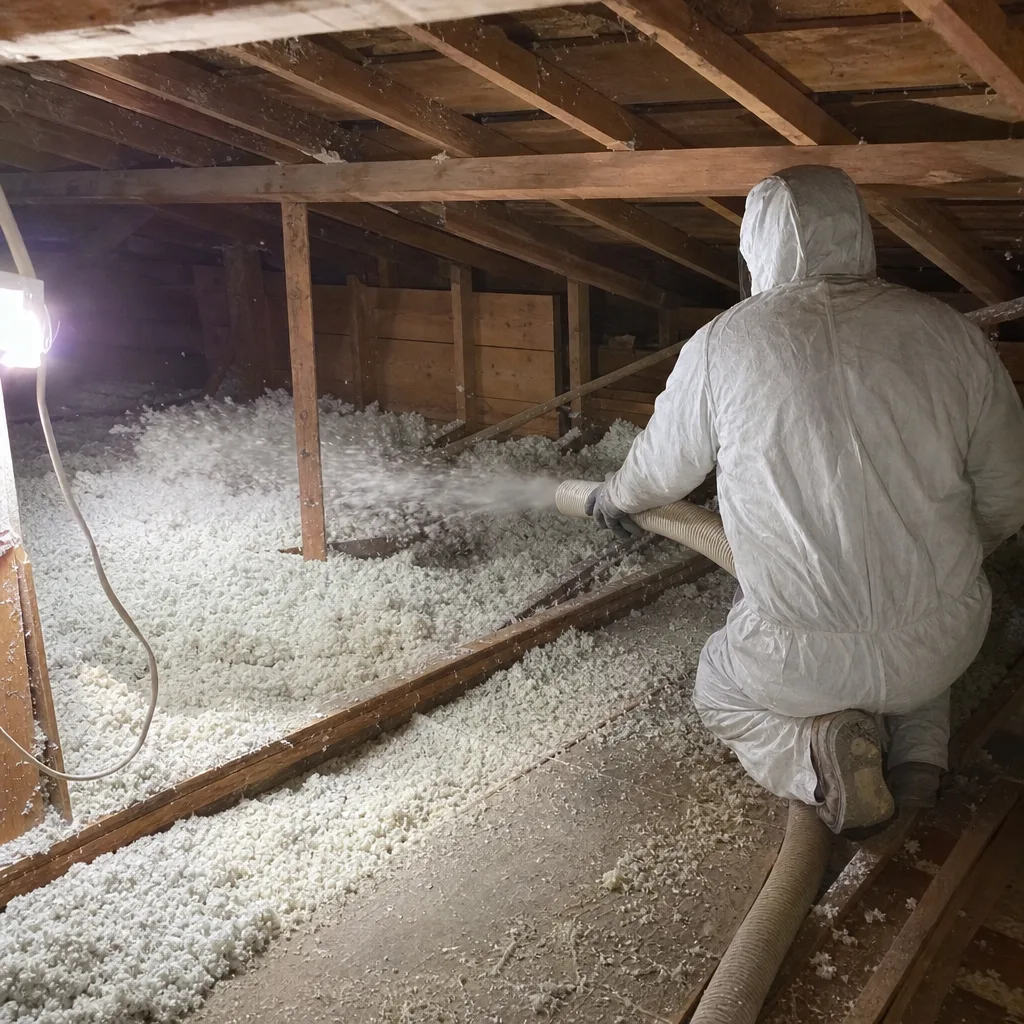
Our crews work throughout the southern East Bay and Peninsula. If you’re in Union City proper, Fremont to the east, Newark across the line, or Palo Alto and Atherton via the Dumbarton corridor, we can typically schedule within 24-48 hours. The same technician, same blower-door test, same written price.
Serving Union City, CA - Our Local Coverage Area
We’re based in the Union City area and know this community well. Use the map below to see our service coverage - if you’re nearby, we can almost certainly help.
FAQs - Blown-In Insulation in Union City
Your Union City home sits in the Dumbarton Bridge gap’s marine-air funnel, which pushes cool, moisture-laden Bay air across the western flatlands in a way that Fremont’s more sheltered terrain doesn’t experience. That humidity degrades fiberglass batts and drives moisture through unsealed top plates, slumping wall insulation from the inside out. Identical 1968 construction across the city line performs differently because the air path is different. Call (510) 876-4113 and we’ll blower-door test both envelope leakage and humidity sources - estimates are free.
Cellulose handles Union City’s humidity better than fiberglass when the envelope is properly sealed first; its boric-acid treatment resists mold and it maintains loft in cool, damp conditions. The key phrase is “properly sealed first.” Blown cellulose over an unsealed attic floor just hides the air leaks. We seal, then insulate, then verify with a blower-door test. Call (510) 876-4113 for a written price.
A blown-in top-up adds insulation to your attic floor; dense-pack fills your closed wall cavities. In a 1960s Union City ranch, you usually need both - the attic batts have settled and the wall batts have moisture-wicked from decades of Dumbarton-gap humidity. The attic job is faster and cheaper; the wall job is more invasive but addresses the bigger comfort problem. We assess with a thermal camera and recommend based on what we find, not a standard package. Written price before any work starts.
Union City’s flatlands hit the mid-to-upper 80s on summer afternoons but drop into the 50s overnight, a wide diurnal swing that rewards air-sealed attic insulation far more than the moderate averages suggest. An unsealed attic loses conditioned air rapidly during those swings; a sealed, properly insulated attic smooths the load. We typically recommend R-38 to R-49 for Union City attics, verified against your actual blower-door leakage number. Call (510) 876-4113 for an exact spec and written price.
Yes, regularly on western flatland homes near the Dumbarton corridor - springs, hinges, rollers, tracks, fasteners and opener chains corrode years faster than inland Tri-Cities hardware. We flag it during attic access because the same marine-air path that degrades your insulation attacks your garage door. It’s a safety issue: corroded springs under tension can fail without warning. We recommend a trained garage-door technician inspect hardware annually in these zones. For insulation work, call (510) 876-4113.
Written by Wes Okafor, Owner at Envelope Insulation Co., operating under The Haven Standard since 2016.