
Last updated September 24, 2026
Insulation Warning Signs: A Menlo Park Homeowner’s Reference Guide
A cold floor above a crawlspace in January is not an insulation thickness problem. It is almost always a vapor barrier and air sealing problem first, because moisture-laden air has degraded the batt insulation from below, and adding more insulation on top of wet batts compounds the damage. In Menlo Park, where winter ground moisture stays elevated through February and tree-dense neighborhoods create persistent humidity microclimates, we see this exact failure pattern in roughly one of every three diagnostic calls we make. This guide pairs each visible symptom with its upstream cause, so you can trace the failure rather than just react to it. For a broader overview, see The Complete Guide to Insulation in Menlo Park.
Quick Answer
The six insulation warning signs visible from inside your Menlo Park home are: uneven temperatures between floors, ice-free roof edges during cold snaps, visible daylight around the attic hatch, condensation on window frames in December through February, dust rings around ceiling light fixtures, and unexplained utility bill spikes. Each symptom traces to a specific envelope failure - air sealing, vapor management, or insulation degradation - and catching the upstream cause prevents the compounding damage that makes repairs cost two to three times more. Our Attic Insulation Maintenance Checklist for Menlo Park Homeowners can help you stay ahead of these issues.
Table of Contents
- Uneven Room Temperatures Between Floors
- Ice-Free Roof Edges and What They Reveal
- Visible Daylight Around the Attic Hatch Frame
- Condensation on Interior Window Frames
- Dust Rings Around Ceiling Light Fixtures
- Utility Bill Spikes Without Explanation
- Two Crawlspace Warning Signs Visible From Inside
- Rodent Intrusion in Menlo Park’s Tree-Dense Neighborhoods
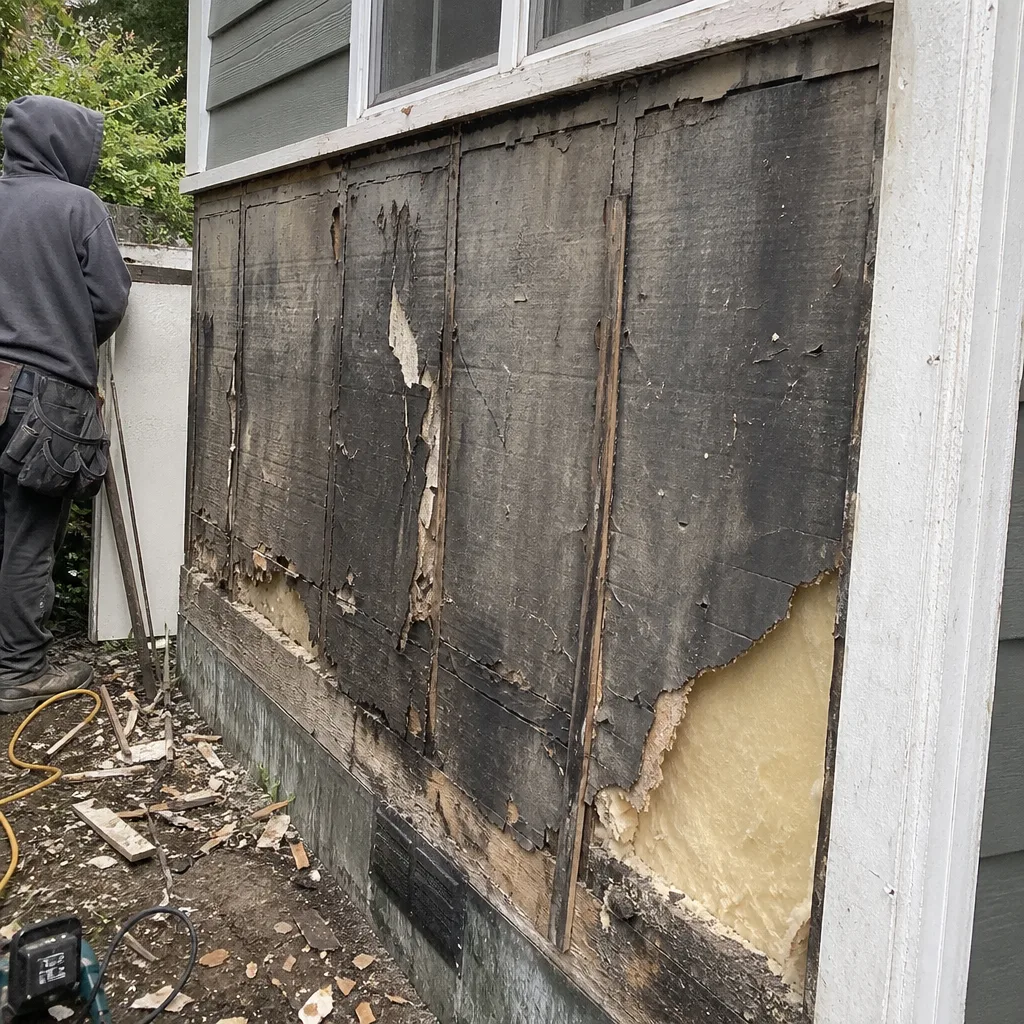 Before
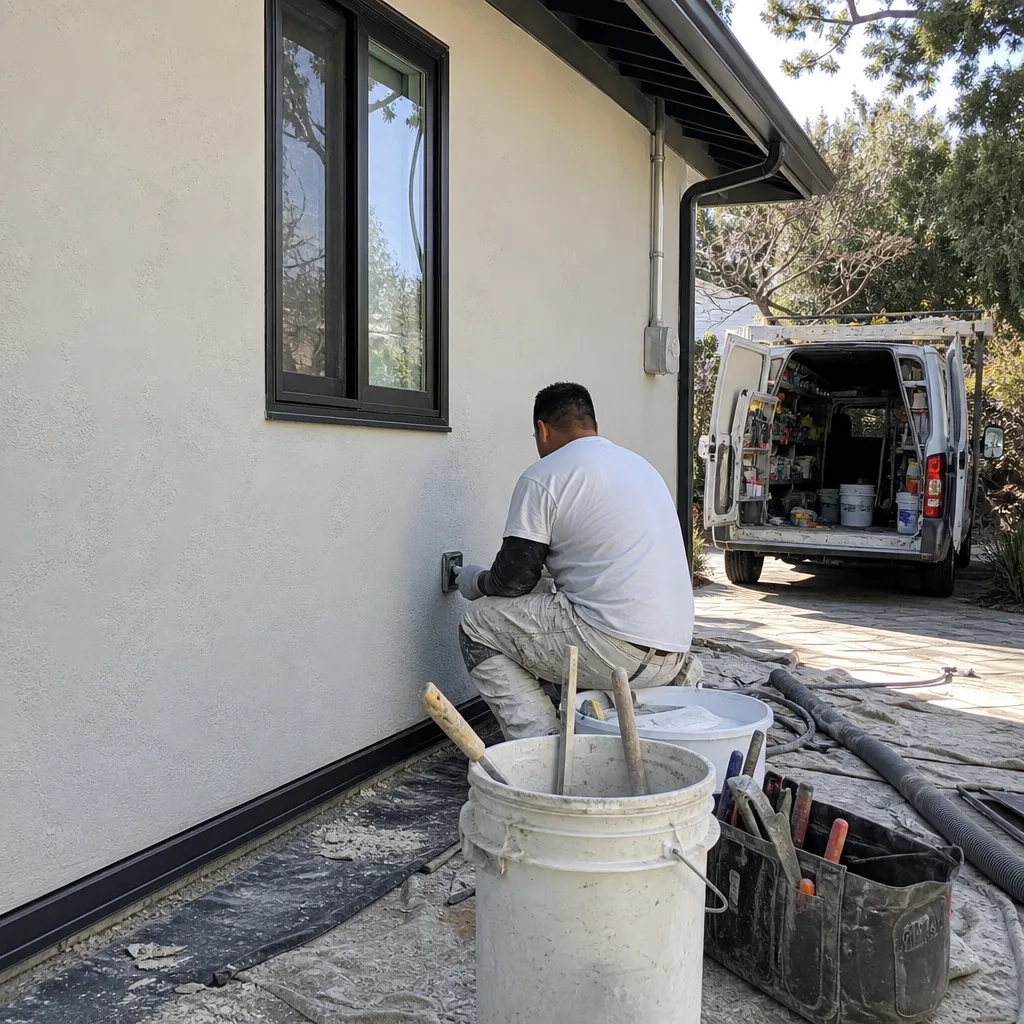 After
AfterUneven Room Temperatures Between Floors
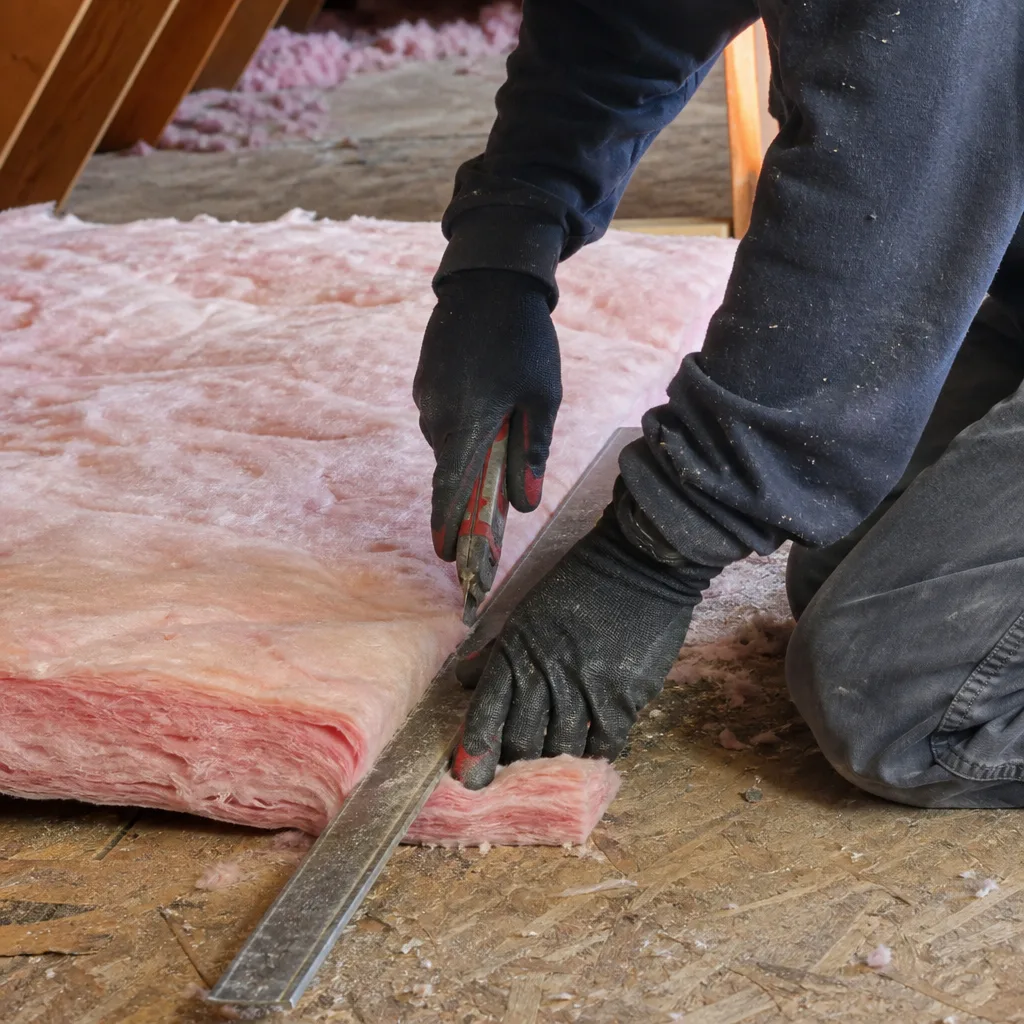
This is the symptom that generates the most calls to our Menlo Park office, and it is also the most misunderstood. Homeowners often assume the upstairs is too hot in summer or too cold in winter because the attic needs more insulation. Sometimes that is true. More often, the temperature differential traces to air leakage at the top plates - the horizontal framing members where interior walls meet the ceiling plane - combined with missing or failed air sealing around plumbing and electrical penetrations.
Here is how the failure develops. Conditioned air from your living space finds pathways through these gaps into the attic. In summer, that air is replaced by hot attic air infiltrating downward. In winter, warm moist air escapes upward, carrying humidity that condenses on cold roof sheathing. The insulation, even if present in adequate depth, cannot perform its rated R-value when air moves freely through or around it. We measure this with a blower-door test - a pressurization reading that shows, in one number, how much air your building envelope is losing. In Menlo Park homes built between 1950 and 1985, we commonly see initial readings of 3,500 to 5,500 CFM50. After sealing top plates, can lights, and penetrations, that figure typically drops 30 to 50 percent before any new insulation goes in.
The diagnostic sequence matters. If a contractor proposes adding blown-in fiberglass or cellulose without first addressing air leakage, the new insulation will simply follow the same air pathways, creating uneven density and leaving thermal bypasses intact. Attic Insulation in Menlo Park should never be installed over an unsealed attic floor. That is why every job we complete begins with a written scope that specifies air sealing as a prerequisite, not an option.
Neighborhood context helps here too. In the Allied Arts and Felton Gables areas, where many homes were built during the postwar expansion with minimal attention to envelope tightness, we find top plate gaps of a quarter-inch or more - enough to allow significant air exchange even when attic insulation depth appears adequate. In the Sharon Heights builds from the 1960s and 1970s, recessed can lights installed during later renovations often create concentrated leakage points that override the performance of surrounding insulation.
Ice-Free Roof Edges and What They Reveal
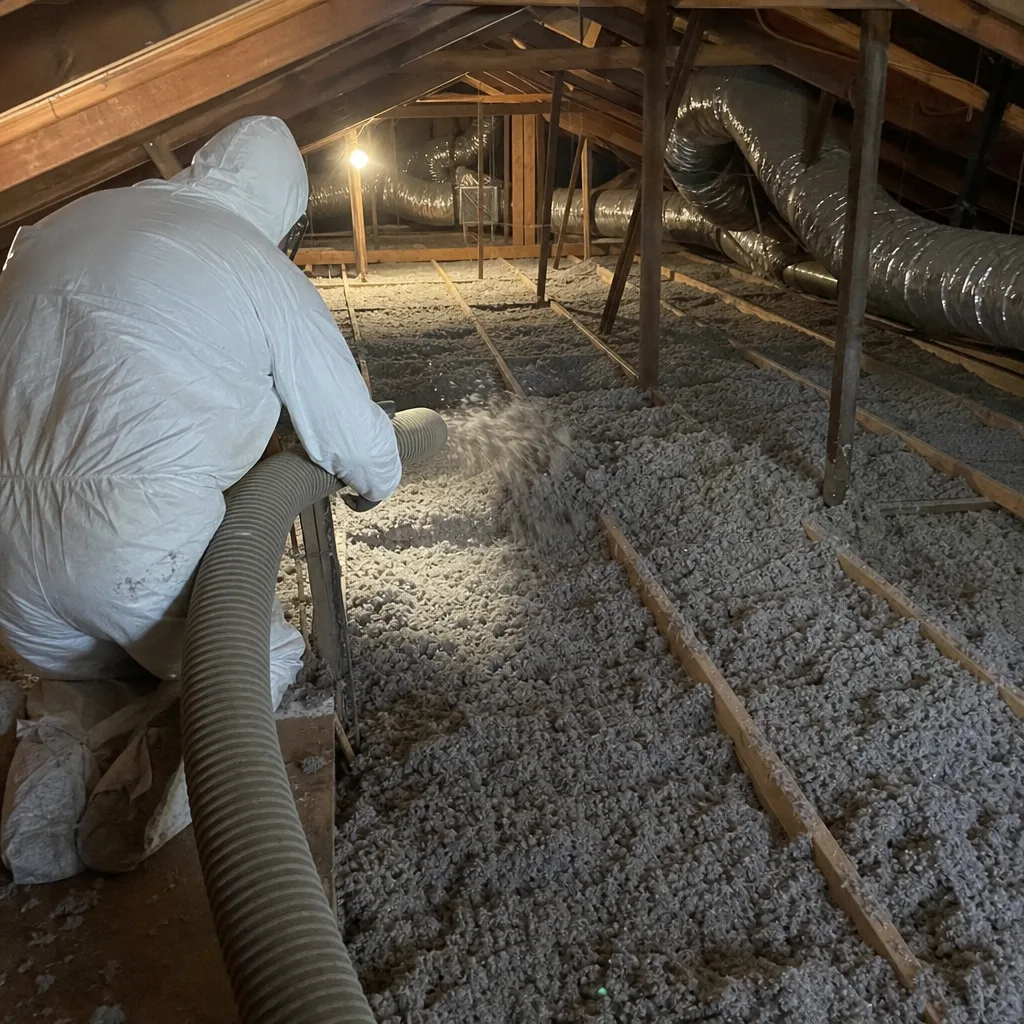
Menlo Park rarely sees sustained freezing, but during the cold snaps that arrive every few years - typically in January or February, when Pacific storms pull Arctic air behind them - ice dam formation becomes visible on poorly insulated homes. See our Seasonal Insulation Care for Menlo Park: Year-Round Homeowner’s Guide for proactive steps. More telling, however, is the absence of frost or ice on roof edges when neighboring homes show light accumulation.
Ice dams form when heat escapes through the roof plane, melting snow from below; the water runs to the cold eave and refreezes. But a roof that stays entirely ice-free during a freeze, while neighbors show normal frost patterns, often indicates excessive heat loss through the attic. The roof surface is warm enough to prevent any ice formation at all. This is not a good sign. It means conditioned air is leaking directly into the attic space in volume large enough to maintain the roof above freezing even in cold ambient conditions.
The upstream cause is almost always a combination of bypass air leakage and compressed or displaced insulation. Common bypass pathways in Menlo Park include:
- Chimney chases without proper fire-blocking and air sealing
- Pull-down attic stairs with unsealed perimeters
- HVAC ductwork running through unconditioned attic space with disconnected or poorly sealed connections
- Open soffit vents that allow wind-washing of insulation near eaves
We document these conditions with infrared imaging during our diagnostic process, then verify repairs with before-and-after blower-door numbers. One recent job in the Linfield Oaks area showed a pre-sealing reading of 4,200 CFM50 and a post-sealing reading of 2,400 CFM50 - a 43 percent reduction in envelope leakage that eliminated the warm-roof pattern entirely.
Visible Daylight Around the Attic Hatch Frame
This is the simplest diagnostic signal and the most frequently ignored. If you can see daylight around the perimeter of your attic access hatch, you have a direct, unfiltered pathway between conditioned space and attic. During summer afternoons in Menlo Park, when attic temperatures exceed 130 degrees, that gap functions as a thermal chimney. In winter, it is an open window.
The gap also indicates that whoever last worked in your attic - whether an insulation contractor, an electrician, or a homeowner - did not restore the hatch to a sealed condition. This matters because attic hatches are rarely insulated to the same R-value as the surrounding ceiling, and the perimeter gap compounds the thermal bridge. We often find that the weatherstripping has been removed or never installed, the hatch panel itself is uninsulated drywall or thin plywood, and the latch mechanism does not pull the hatch tight against its frame.
The repair is straightforward but specific: rigid foam insulation applied to the hatch panel, compression weatherstripping at the perimeter, and positive latching that maintains seal pressure. Under Haven Standard: Arrive on schedule, you get a named technician and a text when they are on the way. When we complete this repair, it is documented in your photo record with before-and-after images of the gap and the sealed assembly.
In Menlo Park’s older stock, particularly in the downtown and Suburban Park areas, attic hatches are sometimes located in closets with sloped ceilings, making visual inspection awkward. Use a flashlight and look for light transmission at the perimeter. If you see any, the gap is large enough to matter.
Condensation on Interior Window Frames
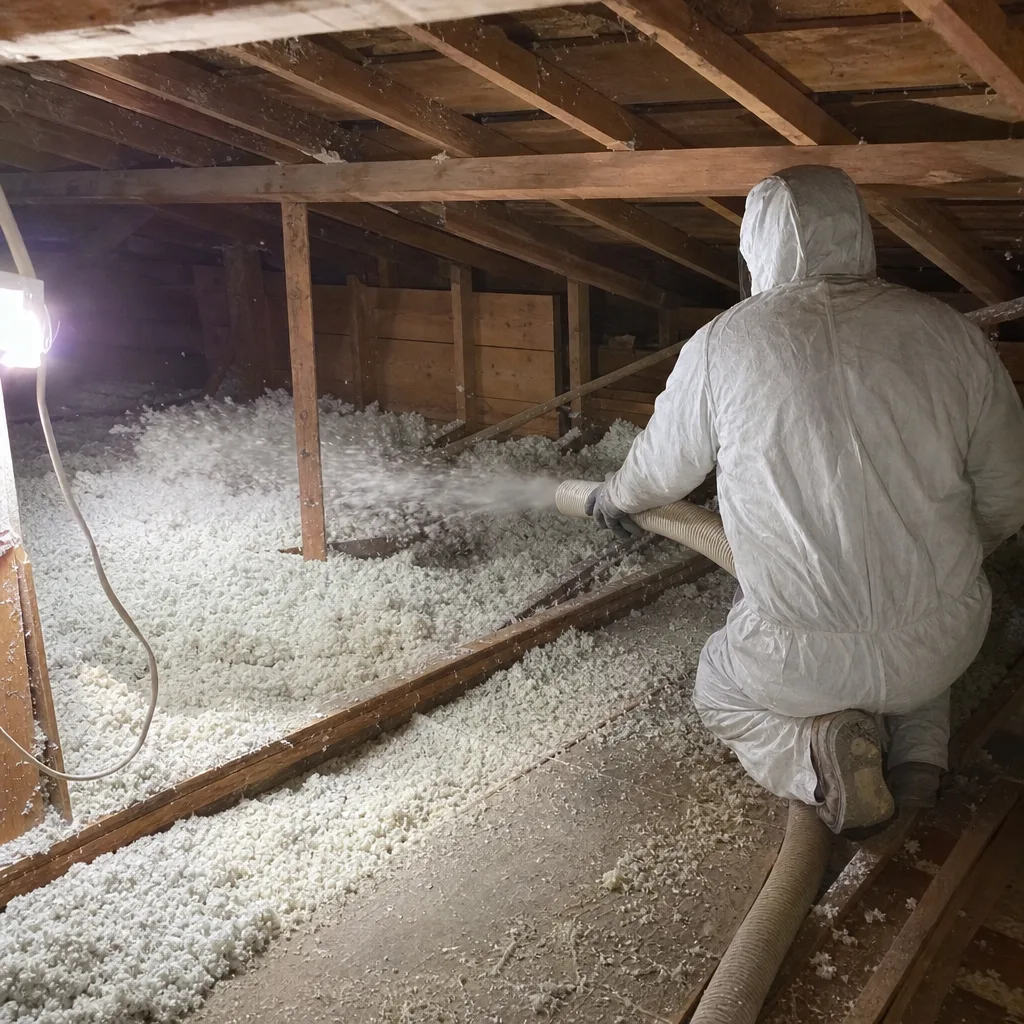
Condensation forming on the interior surfaces of window frames during December through February is often attributed to “poor windows.” In Menlo Park’s climate, the actual cause is more frequently elevated indoor humidity combined with cold surface temperatures at the window perimeter - and both trace to envelope performance.
When warm, moist interior air contacts a surface below the dew point, moisture condenses. Windows are the most visible cold surface, but the condensation is a symptom of two upstream conditions: excessive humidity generation or inadequate ventilation, and thermal bridging at the window frame that keeps interior surfaces colder than the room air. The insulation system plays a direct role in the second condition. Poorly insulated wall cavities adjacent to windows create cold zones that extend to the frame. Air leakage around the window rough opening, common in homes with fiberglass batt insulation that has settled or been improperly installed, allows exterior air to cool the frame from behind.
Menlo Park’s winter humidity pattern matters here. Pacific storms maintain outdoor relative humidity above 70 percent for weeks at a time. Without adequate envelope sealing and controlled mechanical ventilation, indoor humidity rises through normal occupancy - cooking, showering, breathing - and finds cold surfaces at the weakest thermal points. The condensation you see on windows is also occurring inside wall cavities, where it promotes mold growth and degrades wood framing over time.
The diagnostic question is whether the window itself is the failure point or whether the surrounding wall assembly is underperforming. We use infrared imaging to distinguish these conditions. If the window frame shows as a cold line but the surrounding wall is uniform, the window may need replacement or supplemental weatherstripping. If the wall adjacent to the window shows significant temperature variation, the insulation and air sealing system needs attention. Topside Attic Insulation Menlo Park home assessments include this thermal imaging as standard, with images included in your documented photo record.
Dust Rings Around Ceiling Light Fixtures
Dust rings on ceiling drywall around recessed can lights, vent grilles, or smoke detectors are not a cleaning problem. They are a filtration problem caused by air moving through the fixture into the attic, and they indicate both air sealing failure and ongoing insulation degradation.
The mechanism is simple. When the house operates under negative pressure - common in winter when exhaust fans and heating systems draw air out - makeup air enters through any available pathway. If a can light or other ceiling penetration is not sealed to the drywall and the attic above it, room air flows through the gap, carrying fine dust particles that deposit on the ceiling surface as the air slows and changes direction. The dark ring you see is accumulated filtration debris.
The upstream cause is more significant than the cosmetic issue. Air moving through the fixture into the attic is conditioned air you have paid to heat or cool. In summer, that air is replaced by hot attic air infiltrating downward. In winter, the airflow carries moisture that condenses on cold attic surfaces. The insulation surrounding the penetration is often disturbed, compressed, or missing entirely, creating a thermal bypass that undermines the performance of surrounding material.
In Menlo Park, where many homes have original IC-rated can lights installed during the 1970s and 1980s, we find that the housing-to-drywall seal has failed completely. The insulation that was originally pushed loosely around the housing has fallen away or been displaced by repeated maintenance access. Repair requires removing the fixture, sealing the drywall penetration with fire-rated caulk or foam, reinstalling with an airtight trim kit, and restoring insulation continuity around the assembly.
This is not a DIY repair for most homeowners. The electrical connection must be maintained, the fire-rating of the ceiling assembly must be preserved, and the insulation replacement must match the surrounding material density. Our crews complete this work with documented before-and-after blower-door verification on applicable jobs.
Utility Bill Spikes Without Explanation
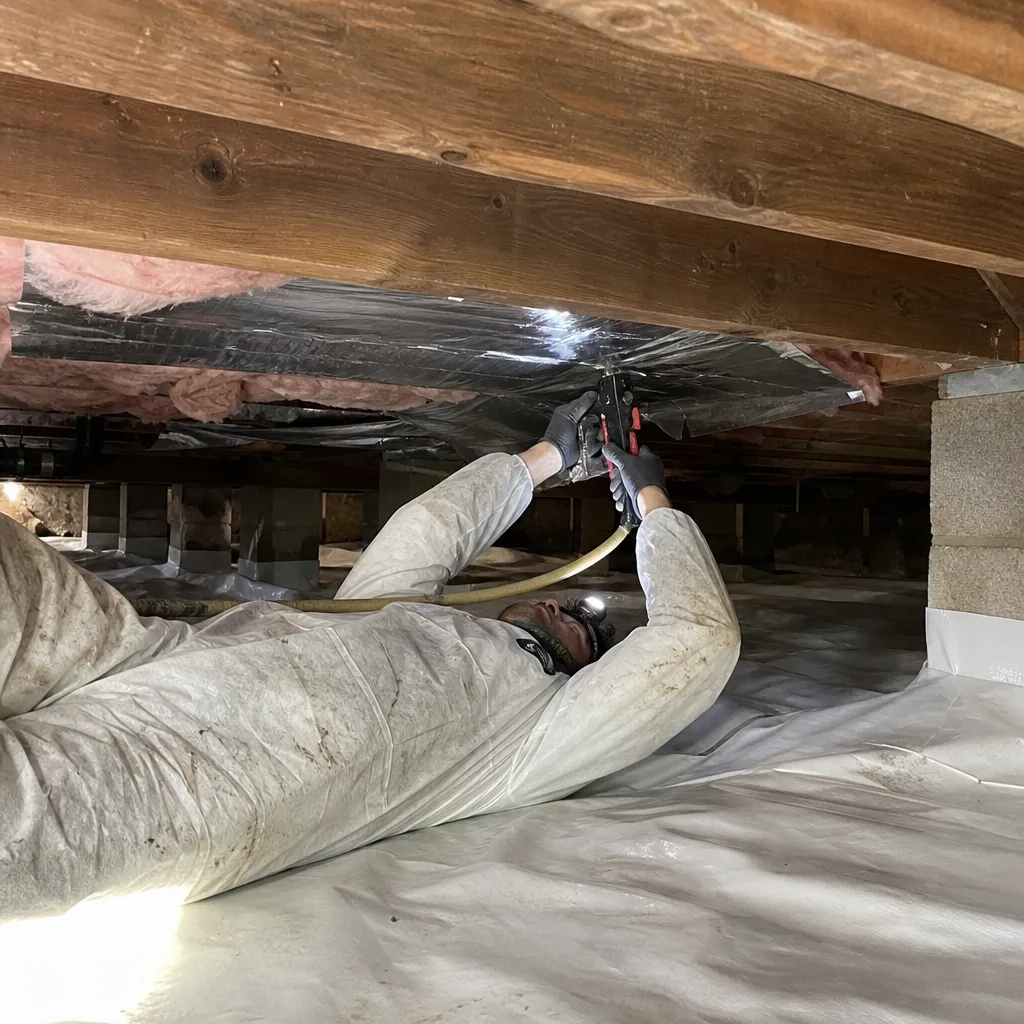
An unexplained increase in heating or cooling costs, particularly when compared year-over-year for the same months, is a lagging indicator of envelope degradation. By the time the bill shows the problem, the failure has typically been active for one to two billing cycles.
The diagnostic value of utility bills is often overlooked. We ask Menlo Park homeowners to bring 24 months of PG&E statements to their appointment because the pattern of increase reveals the failure type:
- Winter heating spike only: Suggests attic air sealing failure or insulation displacement, since heat rises and escapes through the ceiling plane most readily.
- Summer cooling spike only: Often indicates radiant heat gain through poorly insulated attic or roof assembly, or ductwork in unconditioned attic space losing cooled air before it reaches registers.
- Year-round increase proportional to degree-days: Points to generalized envelope degradation - settled wall insulation, failed weatherstripping, or multiple small air leakage pathways accumulating.
- Sudden step-change in a single month: Suggests a specific event: rodent intrusion displacing insulation, duct disconnection, or equipment failure rather than gradual degradation.
The bill pattern also helps distinguish insulation failure from equipment failure. A furnace or heat pump losing efficiency typically shows as increased runtime without proportional temperature maintenance - rooms feel cooler even with longer heating cycles. An envelope failure shows as normal equipment operation with higher energy consumption to maintain setpoint.
When we analyze bills with homeowners, we compare their usage against PG&E’s similar home benchmark for Menlo Park, which accounts for home size and vintage. Homes in the 94025 and 94027 zip codes consistently run 15 to 30 percent above benchmark when attic air sealing has been neglected, even when insulation depth appears adequate. The gap closes to under 10 percent after proper air sealing and insulation restoration.
Two Crawlspace Warning Signs Visible From Inside
You do not need to enter your crawlspace to know it has problems. Two symptoms travel upward into the living space with reliable specificity.
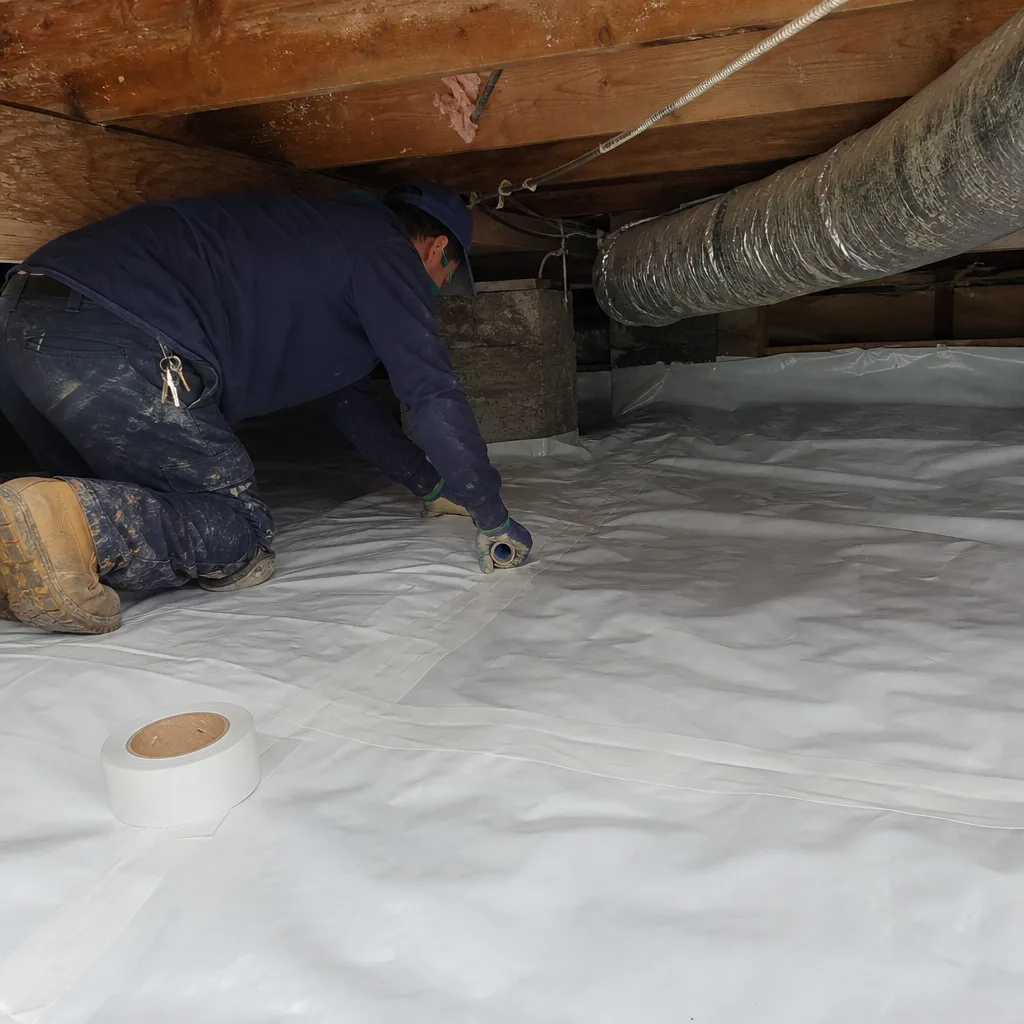
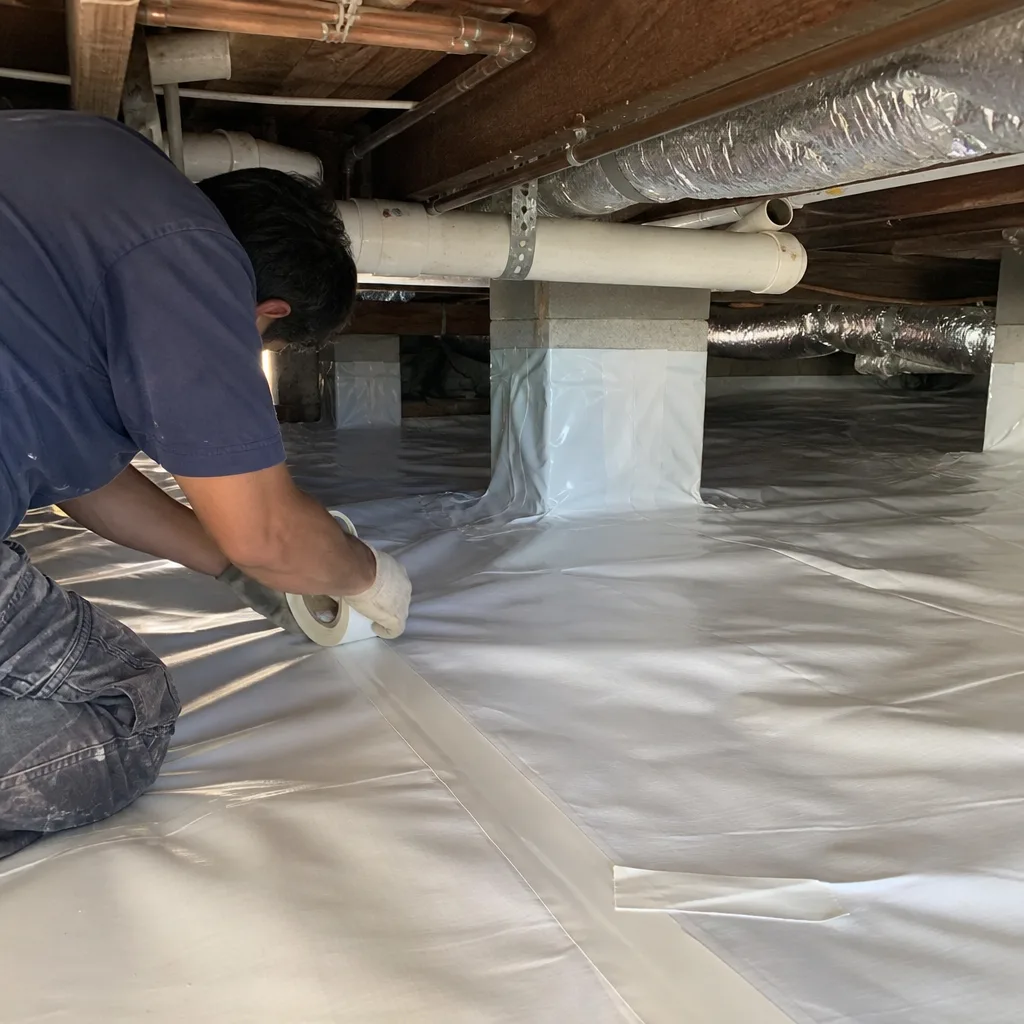
Musty odor that intensifies during rain. This indicates vapor barrier failure. In Menlo Park, where clay-heavy soils in areas like Belle Haven and the Willows hold moisture for weeks after rainfall, an intact 6-mil polyethylene vapor barrier on the crawlspace floor is essential. When the barrier tears, separates at seams, or was never installed to wall height, soil moisture evaporates into the crawlspace air. That moisture migrates upward through the subfloor and into the living space, carrying the musty signature of mold and bacterial growth on organic surfaces. The batt insulation between floor joists absorbs this moisture, compresses as it wets, and eventually falls from the bays entirely. By the time the odor is noticeable inside, the insulation has often been degraded for months.
Soft subfloor areas near exterior walls. This indicates that batt insulation has fallen from joist bays into standing moisture or direct soil contact, creating a thermal bridge at the perimeter that keeps the subfloor cold and damp. The wood fiber saturates, fungal decay begins, and the structural integrity degrades. Walking on these areas may feel spongy or yield slightly. In Menlo Park’s flat-grade neighborhoods, where winter groundwater can rise to within inches of the surface, this pattern appears first at exterior walls where the foundation footing creates a moisture trap.
Both symptoms require Crawl Space Encapsulation & Vapor Barrier in Menlo Park assessment, not simply insulation replacement. Adding new batts over a failed vapor barrier repeats the failure cycle. Our encapsulation process includes full floor coverage with cross-lapped seams, perimeter sealing to foundation walls, and mechanical dehumidification where soil moisture warrants it. Every job closes with a Documented Photo Record showing barrier installation and any subfloor repairs completed.
Rodent Intrusion in Menlo Park’s Tree-Dense Neighborhoods
Menlo Park’s mature oak and redwood canopy creates habitat connectivity that few inland suburbs match. Squirrels and roof rats travel tree-to-tree-to-roof with ease, and they enter homes at predictable failure points: the roof-soffit intersection, vent screens with mesh larger than quarter-inch, and gaps at chimney and plumbing penetrations.
The insulation damage they cause extends far beyond the visible compression or displacement. Rodents nest in insulation, compressing it to one-third or less of its original thickness and eliminating R-value locally. More critically, they leave behind urine, feces, and nesting material that retains moisture. This organic load continues to degrade insulation performance after the animals are removed, because the moisture-retaining material holds humidity against the insulation fibers and the surrounding structure.
In neighborhoods like Sharon Heights and the Stanford Hills area, where lot sizes are larger and tree canopy is continuous, we see repeated intrusion patterns. Squirrels enter at the roof-soffit gap, travel along the top plate, and establish nests in the insulation above master bedrooms where roof geometry creates sheltered cavities. Roof rats favor the cooler, darker spaces above garages and at the junction between one-story and two-story sections.
The repair sequence is specific: exclusion first, then removal of contaminated material, then sanitization, then air sealing of entry pathways, then replacement with new insulation. We use Owens Corning and Johns Manville products for replacement, selected for the specific application rather than proprietary preference. Skipping any step - particularly exclusion before replacement - invites re-infestation that destroys the new work within a season.
Our attic cleaning and rodent proofing service includes a written scope specifying entry point locations, exclusion materials, contaminated square footage to be removed, and replacement product type and depth. Under Haven Standard Clause 1: flat price, written scope, written warranty before anyone lifts a tool. The 365-Day Done Right Promise applies to exclusion workmanship; if rodents re-enter through our sealed points, we return at no charge.
What to Bring to Your Diagnostic Appointment
The quality of a diagnostic assessment depends on the evidence available. We ask Menlo Park homeowners to gather three items before our visit, and we explain how each changes what we can determine.
Utility bills for the prior 24 months. The usage pattern reveals failure timing and type, as described above. Without bills, we rely on homeowner recall, which is typically accurate to the season but not the magnitude of increase.
Any existing insulation installation records. If a previous contractor installed insulation, the invoice or scope often states product type, depth, and coverage area. This lets us verify whether current conditions match the original installation - whether settling, displacement, or degradation has occurred - rather than treating the attic as an unknown. We have found installations where cellulose was specified at R-38 depth but delivered at R-19 equivalent due to inadequate fluffing during blowing.
Photos of visible staining or damage. Water stains on ceiling drywall, particularly those that appear, fade, and reappear with rainfall cycles, indicate roof leaks that have degraded insulation at the leak point. Photos taken over time help us distinguish active leaks from historical damage. Rodent droppings or nesting debris visible at attic hatches or vents document infestation extent before we enter the space.
With this documentation, our diagnostic process typically requires 60 to 90 minutes on site. Without it, we may need a return visit after gathering comparable information, extending the timeline and delaying repair scheduling.
Common Mistakes to Avoid
- Adding insulation over wet or degraded material. In Menlo Park’s humid winter conditions, wet batts compressed against the subfloor will not dry when covered with new material. The moisture migrates sideways, promoting mold growth on adjacent framing.
- Sealing attic ventilation to “fix” heat loss. Some homeowners or inexperienced contractors respond to cold drafts by blocking soffit or ridge vents. This traps moisture, violates California Title 24 ventilation requirements, and often accelerates roof deck deterioration.
- Replacing windows before diagnosing wall insulation. Window condensation and frame coldness often trace to adjacent wall cavity performance. Window replacement without wall assessment may leave the root cause unaddressed and the new windows underperforming.
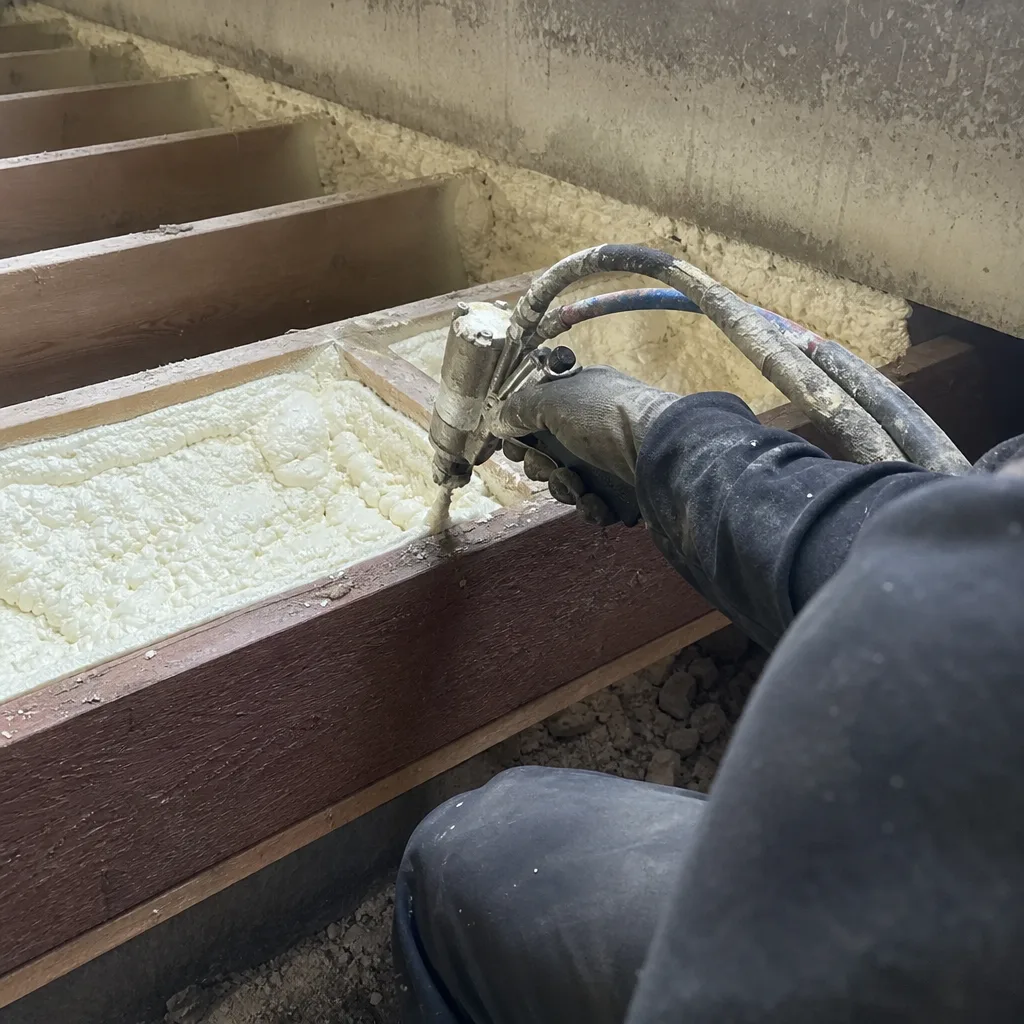
- DIY spray foam application in occupied spaces. Two-component polyurethane foams require respiratory protection, controlled temperature and humidity, and precise mixing ratios. Improper application produces off-gassing, adhesion failure, and fire hazard. Spray Foam Insulation in Menlo Park should be installed by technicians trained in the specific product chemistry and building code requirements.
- Ignoring dust rings as cosmetic issues. The filtration pattern indicates active air leakage that is degrading insulation performance and indoor air quality simultaneously. Cleaning the ceiling without sealing the penetration wastes effort and allows continued energy loss.
- Accepting “more insulation” as the default recommendation. Without blower-door verification, added insulation may simply follow existing air pathways, creating uneven density and leaving thermal bypasses intact. Air sealing first, insulation second - in that order.
- Failing to document pre-existing conditions. Without photos and written scope, disputes about whether damage existed before or after contractor work are difficult to resolve. Our Documented Photo Record on Every Visit protects both parties.
When to Call a Professional
Call for diagnostic assessment when you observe two or more of the warning signs described in this guide, when any symptom worsens over a single season, or when you are considering insulation investment and want verification of the underlying failure before specifying work. Explore our more guides & resources to learn about related topics. Specific scenarios that warrant immediate professional evaluation include: soft subfloor areas that yield underfoot, indicating structural moisture damage; visible mold on ceiling drywall or attic framing; and utility bill increases exceeding 25 percent year-over-year without equipment changes. Topside Attic Insulation Menlo Park offers free estimates in Menlo Park - call (510) 876-4113. Every estimate includes a written scope and written price before any work starts, with no obligation to proceed.
Frequently Asked Questions
Most attic air sealing and insulation restoration jobs in Menlo Park homes between 1,800 and 3,200 square feet run between $3,800 and $7,500, depending on accessibility, contamination extent, and whether rodent damage requires material removal and sanitization. Crawlspace encapsulation with vapor barrier replacement typically adds $4,500 to $9,000 for the same size range. We provide a flat written price before any work starts - Haven Standard Clause 1 - and offer a Free Second Opinion on any written estimate from another contractor. Call (510) 876-4113 for an exact quote; estimates are free.
Minor air sealing repairs and attic hatch restoration can often be completed same-day if the crew has materials in stock and the scope is limited to accessible areas. Full attic restoration, crawlspace encapsulation, or spray foam applications require scheduled production with material delivery and crew assignment. We do not start work without a written scope and written price, which may require same-day or next-day preparation depending on complexity. Call (510) 876-4113 to discuss timeline for your specific situation.
Repair is cheaper only when the failure is localized and the surrounding insulation is in serviceable condition - typically, less than 10 percent of total attic area affected by rodent damage or isolated water staining. When insulation shows generalized settling below 50 percent of original depth, widespread moisture degradation, or contamination across multiple attic areas, replacement is more cost-effective because repeated spot repairs accumulate labor cost without achieving uniform performance. We assess this tradeoff explicitly in our written scope. Call (510) 876-4113 for evaluation.
Fiberglass batts and blown cellulose in a properly sealed, dry attic maintain rated R-value for 20 to 30 years. In Menlo Park’s specific conditions - winter humidity sustained above 70 percent, summer attic temperatures exceeding 130 degrees, and tree-dense neighborhoods with elevated rodent pressure - we see functional degradation in 10 to 15 years when air sealing and vapor management are neglected. Spray foam insulation, properly applied, maintains performance for 30-plus years but requires professional installation and periodic inspection for mechanical damage. The 365-Day Done Right Promise applies to all our completed work.
Heat stratification in second-floor spaces typically traces to air leakage at the top plates and ceiling penetrations rather than insufficient insulation depth. Conditioned air escapes upward, hot attic air infiltrates downward through the same pathways, and the insulation cannot resist heat flow when air moves through or around it. A blower-door test quantifies this leakage. In our Menlo Park experience, sealing top plates, can lights, and penetrations before adding insulation reduces summer upstairs temperature complaints by 80 percent - more than doubling insulation depth without air sealing achieves.
Attic insulation replacement in existing homes typically does not require a building permit in Menlo Park if the work does not alter structural members, electrical systems, or ventilation configuration. Spray foam applications, crawlspace encapsulation that modifies foundation ventilation, and any work involving insulation removal in contaminated conditions may trigger permit or environmental health notification requirements. We identify permit needs in our written scope before work starts and handle submission when required. Our crews are familiar with San Mateo County environmental health requirements for rodent contamination remediation.
The Bottom Line
Insulation warning signs visible from inside your Menlo Park home are not isolated problems to treat individually. Each symptom traces to an upstream cause in the building envelope - air sealing, vapor management, or insulation integrity - and the causal chain determines whether repair will last or fail again. The six diagnostic signals, the two crawlspace indicators, and the rodent pattern specific to our tree-dense neighborhoods give you a framework for observation. The documentation you bring to assessment, and the sequence of repair we specify in our written scope, determine whether the fix performs as intended. Air sealing first, then insulation, with before-and-after blower-door verification: that is the standard that produces measurable, documented results.
Written by Wes Okafor, Owner at Topside Attic Insulation Menlo Park, serving Menlo Park since 2016.