
Last updated September 24, 2026
Insulation Cost Breakdown: The Menlo Park Homeowner’s Reference for 2026
The lowest insulation bid you receive in Menlo Park is almost never the lowest total cost. It is the bid that has moved the most cost off the page and onto your future energy bills, your next contractor’s remediation scope, or your HVAC system’s shortened service life. We’ve audited attics in the Willows and Belle Haven where homeowners paid $1,800 for blown-in insulation that performed like $400 worth because the contractor skipped air sealing, skipped blower-door testing, and skipped the documentation that would have proven it. This guide shows every line item that belongs in a 2026 Menlo Park insulation bid, what each should cost, and how to read contract language that hides what you’re actually buying. For Insulation Warning Signs: A Menlo Park Homeowner’s Reference Guide, see our companion resource.
Quick Answer
Insulating a typical Menlo Park attic to R-38 in 2026 costs $2,800-$5,400 for a complete job including air sealing, blown-in cellulose or fiberglass, and blower-door verification. The same square footage quoted without air sealing runs $1,200-$2,200 but loses 20-40% of its effective performance to unsealed bypasses. Two bids for identical attic dimensions can differ by 40% and both be honest - the difference is whether the contractor is quoting installed depth to achieve R-38 or settled depth that degrades to R-30 within two years.
Table of Contents
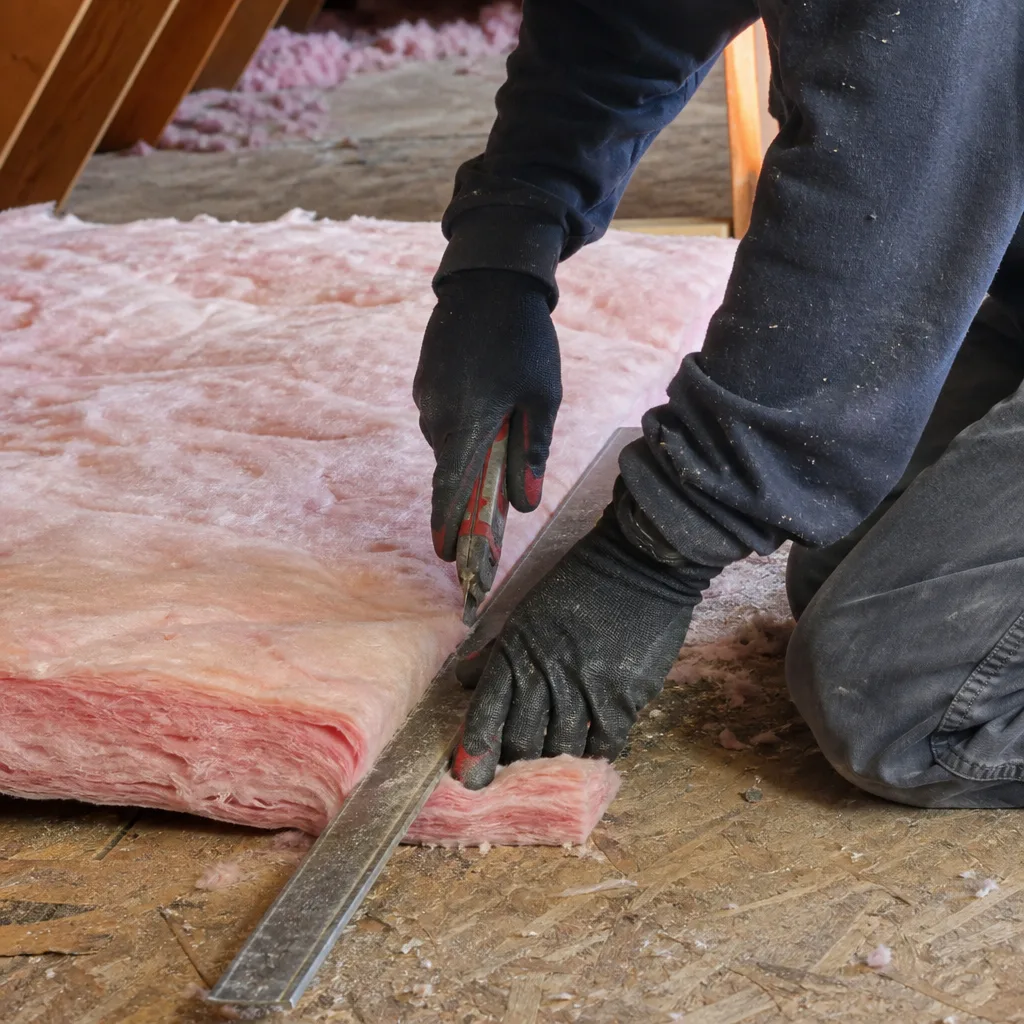
- Why Two Honest Menlo Park Bids Can Differ by 40%
- 2026 Menlo Park Line-Item Cost Breakdown
- The ROI Math on Air Sealing Alone
- 2026 Federal Tax Credits and What Documentation You Need
- The Cost of Insulating Without Air Sealing First
- How to Compare Apples-to-Apples Bids
- Menlo Park Permits, Codes, and HERS Requirements
- Neighborhood-Specific Cost Factors in Menlo Park
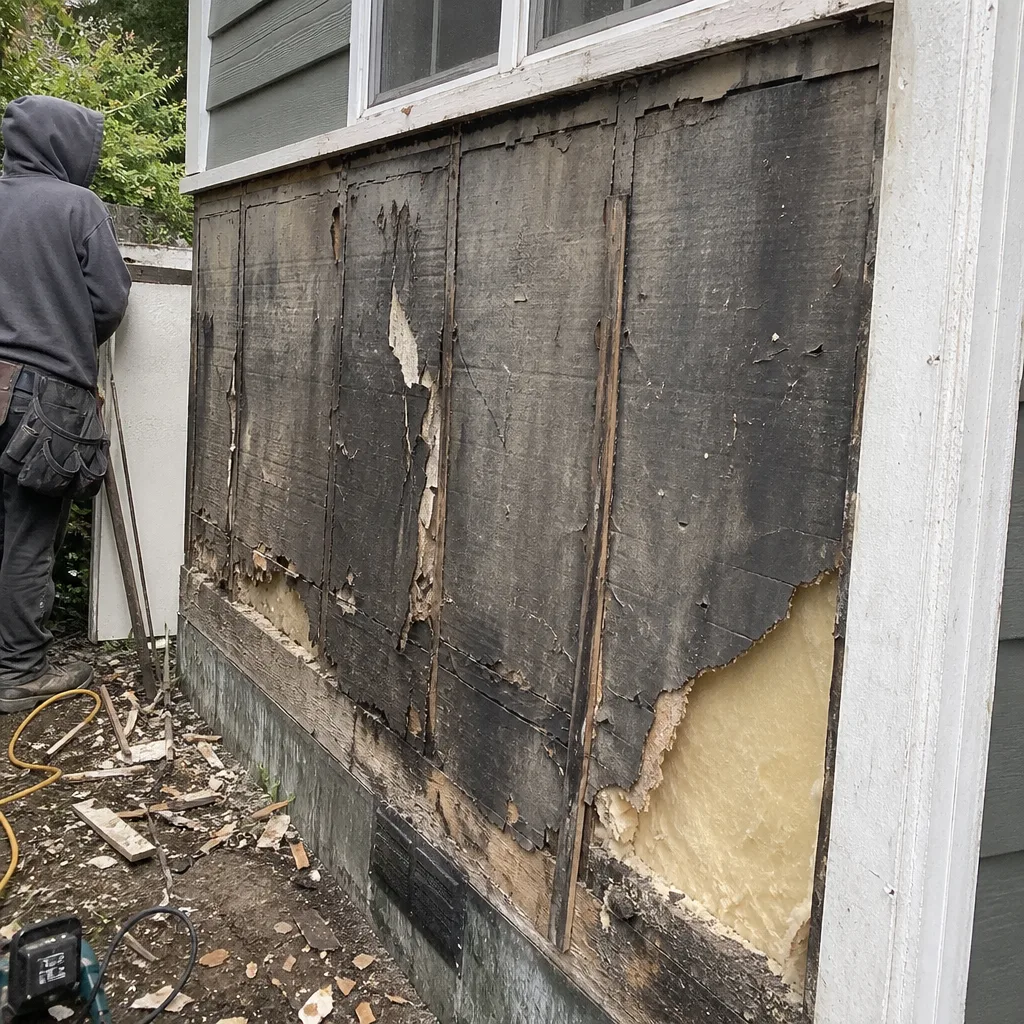 Before
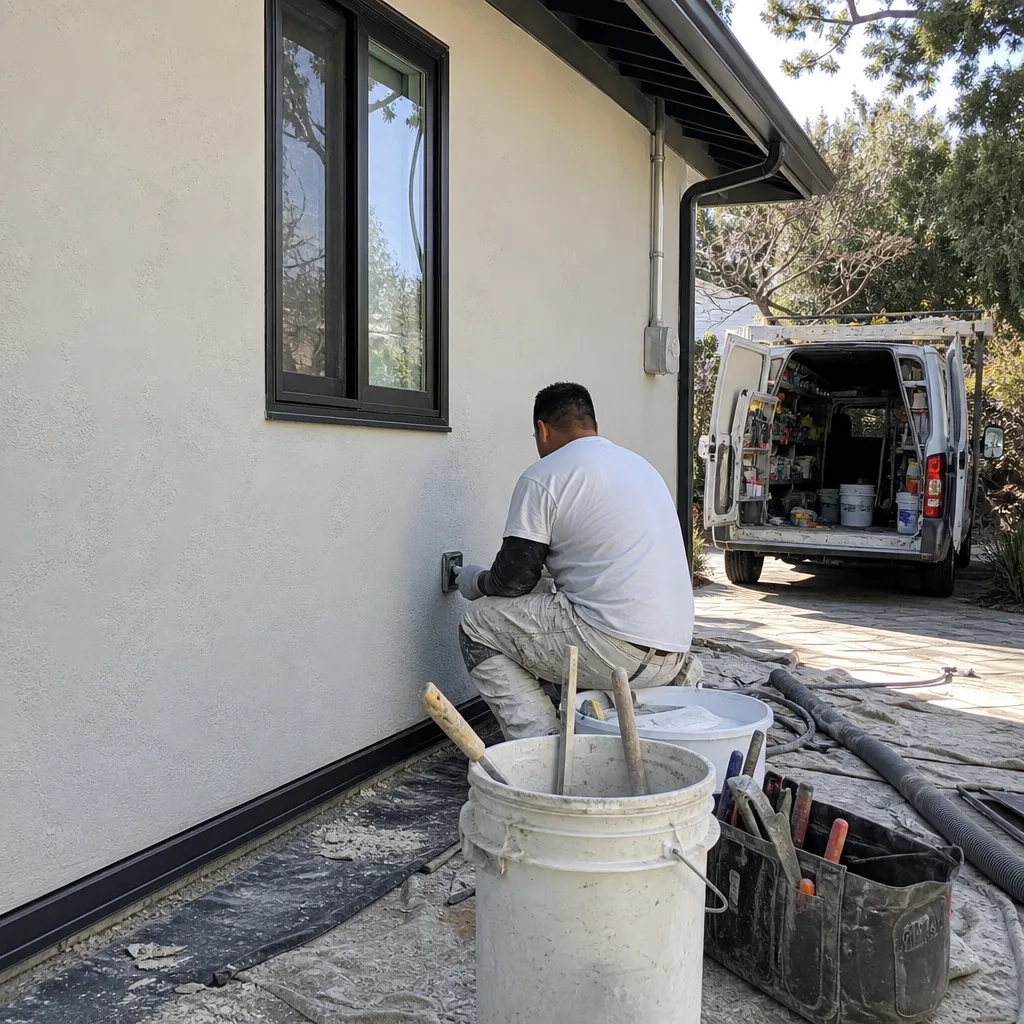 After
AfterWhy Two Honest Menlo Park Bids Can Differ by 40%
We see this every February after the first cold snap drives homeowners to request attic insulation quotes. Three bids arrive. One is $2,400. One is $3,800. One is $4,200. All three contractors have been in business for years. All three have decent reviews. And all three, in our experience, may be pricing honestly - but they’re pricing different scopes.
The 40% spread comes down to five variables that rarely appear in the same format across bids:
- Installed depth versus settled depth. Blown-in cellulose settles 10-20% in the first two years. A contractor quoting 10 inches of installed depth at R-3.7 per inch is promising R-37 initially, R-30 after settling. Another contractor quoting 12 inches to account for settlement is promising R-38 that stays R-38. The material cost difference is roughly 20%, but the bids rarely label which depth they’re quoting.
- Air sealing inclusion. One bid includes 8-12 hours of sealing top plates, can lights, plumbing and electrical penetrations, and the attic access hatch. Another bid notes “air sealing available upon request” or omits it entirely. Labor for proper attic air sealing in Menlo Park runs $85-$140 per hour, and a thorough job on a 1,600-square-foot attic takes 6-14 hours depending on access and complexity.
- Insulation removal and disposal. Older Menlo Park homes, particularly in the Suburban Park and Felton Gables areas built 1940-1970, often have original insulation that is compressed, contaminated, or containing vermiculite that requires testing. Removal and disposal adds $1.00-$2.50 per square foot. Bids that assume existing insulation stays in place avoid this cost - and this disclosure.
- Blower-door testing. A blower-door test - a pressurization reading that shows, in one number, how much air your building envelope is losing - costs $350-$600 as a standalone service. Some contractors include pre- and post-test readings. Others never mention it. Without this measurement, neither you nor the contractor can verify that air sealing actually worked.
- Material specification. “Blown-in insulation” is not a material specification. Owens Corning ProPink, Johns Manville Climate Pro, Knauf Jet Stream, CertainTeed InsulSafe - each has different density, settling characteristics, and installed R-value per inch. A bid that says “blown-in cellulose, R-38” without naming the product is missing information that affects long-term performance.
We’ve reviewed competitor bids for Menlo Park homeowners who called us for a free second opinion. In roughly half the cases, the lowest bid was not the cheapest scope - it was the most incomplete description. Haven Standard Clause 1 requires a written price, written scope, and written warranty before anyone lifts a tool. If your bid lacks any of these three, you don’t have a contract. You have an estimate that can shift.
2026 Menlo Park Line-Item Cost Breakdown
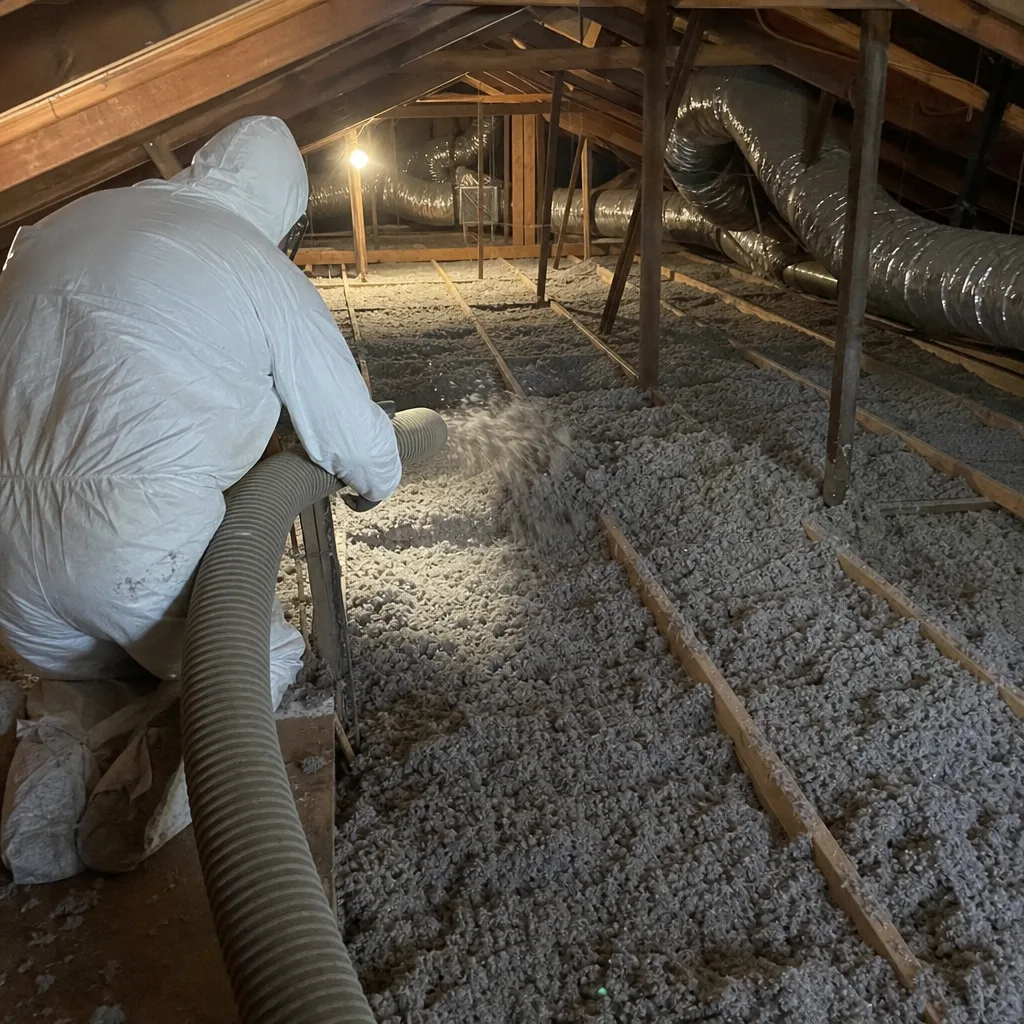
These ranges reflect our direct experience pricing jobs in Menlo Park, Atherton, and Redwood City through early 2026. Material costs have stabilized after 2022-2023 volatility, but labor rates in San Mateo County remain elevated due to housing costs and contractor demand.
Blown-In Insulation (Material + Labor, Installed to R-38)
| Material | Price per Square Foot | Typical Total (1,600 sq ft attic) |
|---|---|---|
| Cellulose (GreenFiber or equivalent) | $1.40 - $2.00 | $2,240 - $3,200 |
| Fiberglass (Johns Manville Climate Pro, Knauf Jet Stream) | $1.60 - $2.20 | $2,560 - $3,520 |
| Mineral wool (Rockwool) | $2.20 - $3.00 | $3,520 - $4,800 |
These prices assume open attic floor, reasonable access, and no removal of existing material. They include baffles at eaves and proper damming around heat-producing fixtures.
Air Sealing Labor
| Scope | Price Basis | Typical Range |
|---|---|---|
| Basic attic air sealing (top plates, penetrations, access hatch) | Per hour or flat rate | $680 - $1,960 (8-14 hours) |
| Extensive sealing with dense-pack prep | Per hour | $1,200 - $2,800 |
| Can light enclosure and sealing (per fixture) | Per fixture | $45 - $85 |
Air sealing in Menlo Park attics often reveals surprises: original knob-and-tube wiring still active, bathroom fans venting into insulation rather than through the roof, and chimney chases that were never properly blocked. We photograph everything and include it in the Documented Photo Record delivered with every job.
Insulation Removal and Disposal
| Condition | Price per Square Foot | Notes |
|---|---|---|
| Standard removal (fiberglass batts, loose fill) | $1.00 - $1.50 | Bagged and hauled; disposal fees included |
| Contaminated removal (rodent activity, mold) | $1.80 - $2.50 | Requires PPE, HEPA containment |
| Vermiculite testing and abatement | $3.50 - $6.00+ | Lab test required before disturbance; EPA protocol |
Blower-Door Testing
| Service | Price |
|---|---|
| Pre-test only (diagnostic) | $350 - $450 |
| Pre- and post-test pair | $500 - $600 |
| Included in insulation package | $0 - $250 (often discounted) |
We publish before-and-after blower-door numbers on every applicable job. A typical Menlo Park home built 1960-1990 tests at 7-12 ACH50 (air changes per hour at 50 Pascals pressure) before sealing. After thorough air sealing and insulation, we regularly see 3-5 ACH50. The number is what you paid for. We put it in writing.
HERS Verification
Required for new construction and significant additions in Menlo Park under Title 24. For retrofit insulation, HERS verification is typically not required unless you’re participating in a specific utility rebate program. If needed: $300-$500 for field verification and registry submission.
Permit Fees - San Mateo County / Menlo Park
| Permit Type | Fee Range |
|---|---|
| Insulation-only permit (no structural) | $180 - $350 |
| Insulation + air sealing (combined mechanical) | $250 - $450 |
| Expedited review (if available) | Base fee + 50-100% |
Menlo Park Building Division requires permits for insulation removal and replacement when the work exceeds 100 square feet or involves spray foam application. Many contractors skip this step. We don’t - the permit record protects your resale disclosure and your insurance coverage. See Insulation Permits, Codes & Inspections in CA: What You Need to Know for full requirements.
The ROI Math on Air Sealing Alone
Homeowners often ask us whether air sealing is worth it if they’re not ready to add insulation. The answer, in Menlo Park’s climate and rate structure, is yes - and the payback is faster than most expect.
Here’s the math we’ve tracked across 9,000+ homes sealed and insulated since 2016:
- A Menlo Park home at 8 ACH50 (common for 1960s-1980s construction) loses conditioned air rapidly enough that the HVAC system runs 20-30% longer than necessary to maintain setpoint.
- Reducing that to 4 ACH50 through targeted attic air sealing - top plates, can lights, plumbing and electrical penetrations, chimney chases, and the attic access hatch - typically reduces heating and cooling load by 15-25%.
- At PG&E’s 2026 residential rates ($0.32-$0.42 per kWh for Tier 2-3 usage, typical for Menlo Park homes with electric heat pumps or AC), that translates to $180-$320 in annual savings for a 1,800-2,400 square foot home.
- Air sealing scope for that same home runs $900-$1,600 when done as a standalone job, or $680-$1,200 when bundled with insulation.
Payback: 3-5 years for standalone air sealing, 2-4 years when bundled. After payback, the savings continue for the life of the home. And unlike insulation, which can be compromised by moisture or disturbance, properly sealed air barriers last decades.
We document this with before-and-after blower-door readings so the homeowner can verify the result. In a 2024 job on a 1972 ranch in the Linfield Oaks neighborhood, the pre-test read 9,200 CFM50. After 11 hours of air sealing, the post-test read 4,100 CFM50 - a 55% reduction. The homeowner’s PG&E bill dropped $247 in the first full year. The blower-door numbers are in their file, with photos of every sealed location.
2026 Federal Tax Credits and What Documentation You Need
The federal 25C tax credit - extended and modified under the Inflation Reduction Act - provides a 30% credit on qualifying insulation and air sealing materials and labor, up to $1,200 annually for the combined category. This is not a deduction; it’s a direct credit against tax owed.
What qualifies in 2026:
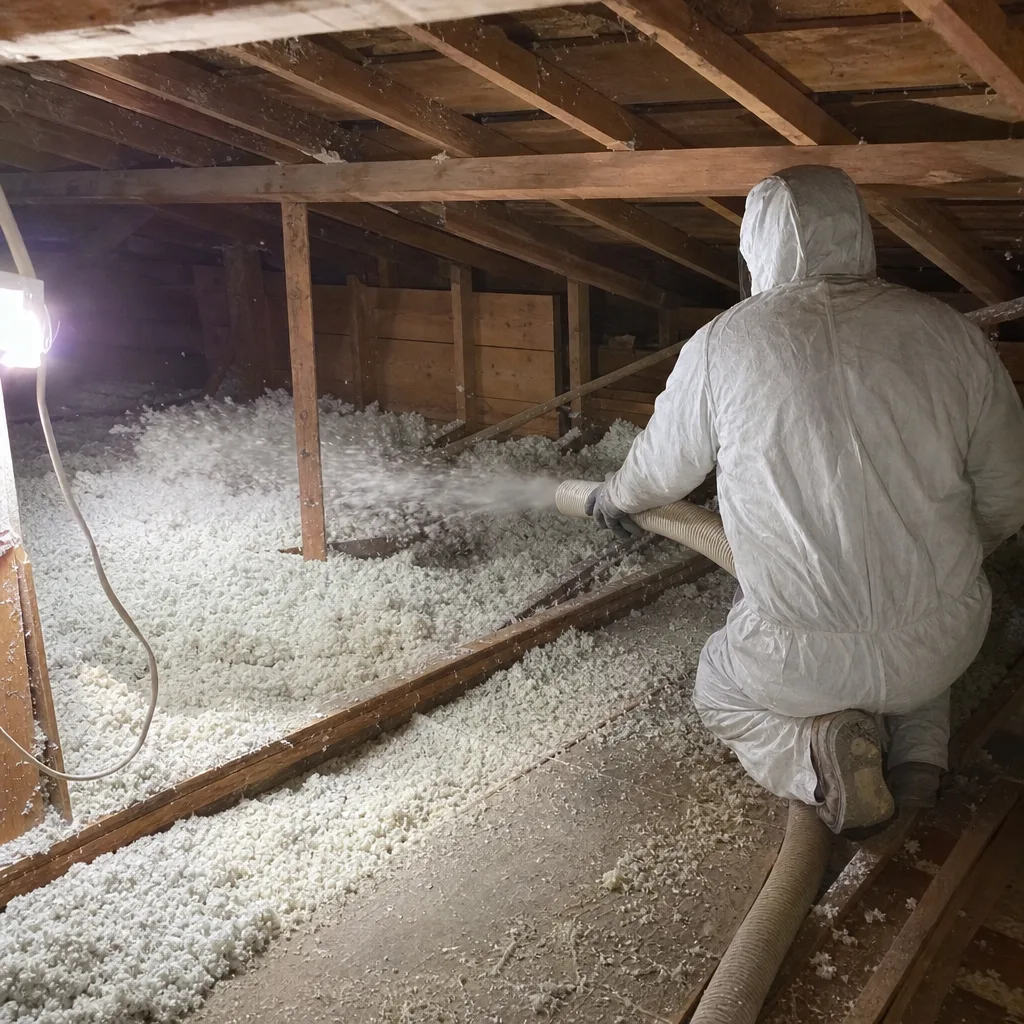
- Blown-in cellulose, fiberglass, or mineral wool installed to meet or exceed IECC requirements for your climate zone
- Spray foam insulation (open-cell or closed-cell) with proper thickness documentation
- Air sealing materials: caulk, foam, weatherstripping, and the labor to install them
- Energy audits that include a written recommendation for the insulation or air sealing work performed
What does NOT qualify:
- Insulation removal and disposal (unless part of a larger qualifying scope with itemized labor)
- Blower-door testing as a standalone service
- Work performed without a manufacturer’s certification statement for the materials used
- DIY-installed materials (labor must be performed by a qualified contractor)
The documentation your contractor must provide for you to claim the credit:
- Itemized invoice showing material costs separate from labor, with product names and installed quantities
- Manufacturer’s certification statement - a signed document from the material manufacturer confirming the product meets 25C efficiency criteria (we provide this automatically; many contractors do not)
- IRS Form 5695 for your tax preparer, supported by the above
Under Haven Standard, we deliver all three with every qualifying job. If your contractor cannot produce a manufacturer’s certification statement, you cannot claim the credit. This is worth asking about before work starts, not after.
The $1,200 cap is per household per year, not per property. If you’re also claiming heat pump or window credits, the combined 25C limit is $3,200 annually. We recommend consulting your tax preparer on stacking strategy.
The Cost of Insulating Without Air Sealing First
This is the most expensive mistake we correct in Menlo Park attics. A homeowner receives a low bid, the contractor blows 12 inches of cellulose over an unsealed attic floor, and two years later the energy bills haven’t moved. We’ve been called to investigate more than 200 of these since 2016.
What happens: unsealed bypasses - the gaps around chimneys, the open top plates where walls meet the attic, the recessed can lights, the plumbing vent stacks - create a chimney effect. Warm air rises through these gaps, carrying moisture and conditioned air directly through the new insulation. The insulation doesn’t stop air movement; it filters it. The R-value exists on paper but not in performance.
Research from the Building Science Corporation and our own field data suggests the performance degradation ranges from 20% to 40% depending on the leakage rate. A home at 10 ACH50 with new R-38 insulation over unsealed bypasses performs like R-23-R-30. You’ve paid for R-38 and received R-23.
Expressed in dollars: if you paid $3,200 for insulation that performs at 70% effectiveness due to unsealed bypasses, $960 of that installation cost is wasted. Add the ongoing energy cost of conditioning air that escapes through those same bypasses, and the total cost of skipping air sealing typically exceeds $2,000 over the first five years.
The fix, when we encounter it, is more expensive than doing it right the first time. We must remove or carefully work around the new insulation, seal the bypasses, verify with a blower-door test, then reinstall or add insulation to achieve the design R-value. The homeowner pays for insulation twice and air sealing once, instead of air sealing once and insulation once.
We will never blow insulation over an unsealed attic floor. It’s not an upsell; it’s a prerequisite. Sealed first, then insulated - in that order.
How to Compare Apples-to-Apples Bids
When we deliver a written price under Haven Standard, it includes five sections that let any homeowner compare directly against competing bids. Request these same sections from any contractor you’re considering:
- Scope narrative. What exactly will be done, in what order, with what materials. “Install blown-in cellulose to R-38” is insufficient. “Install GreenFiber blown-in cellulose to 12 inches installed depth, achieving R-38 after settlement, including baffles at all eave vents and cardboard dams around heat-producing fixtures” is comparable.
- Material specification. Product name, manufacturer, and installed density or depth. If the bid says “or equivalent,” ask for the equivalent product name in writing.
- Air sealing detail. Specific locations to be sealed, method (caulk, foam, rigid board), and verification method. “Air sealing included” is not a scope. “Seal all top plates, electrical and plumbing penetrations, can lights with pre-formed enclosures, chimney chase with fire-rated barrier, and attic access hatch with weatherstripped cover; verify with pre- and post-blower-door test” is a scope.
- Preparation and protection. How the living space will be isolated during work, how existing insulation will be handled, and cleanup standard. We include a Documented Photo Record on every visit so the homeowner sees before, during, and after.
- Warranty and follow-up. What is warranted, for how long, and what triggers a return visit. Our 365-Day Done Right Promise - if it’s not done right, we make it right - is in writing before anyone starts.
Red flags in bid language:
- “Insulation to R-38” without specifying installed or settled depth
- “Air sealing as needed” - this means whatever the contractor decides at the moment
- No mention of blower-door testing or any quantitative verification
- “Permit if required” - in Menlo Park, permits are required for most insulation work; “if” suggests the contractor may not pull one
- Material listed only as “blown-in” or “fiberglass” with no brand or product name
We offer a free second opinion on any written estimate. Bring us a competing quote and we will read it with you, line by line, and show you what’s included, what’s omitted, and what questions to ask. No obligation. Haven Standard Clause 1 applies to our own bids, and we believe informed homeowners make better decisions even when they choose another contractor.
Menlo Park Permits, Codes, and HERS Requirements
Menlo Park follows the 2022 California Energy Code (Title 24, Part 6) with local amendments. For insulation retrofits, the key requirements are:
- Permit required for insulation removal/replacement exceeding 100 square feet, spray foam application of any size, or work involving alteration of ceiling or roof assemblies.
- R-value minimums: Attic insulation in Menlo Park’s climate zone (CEC Climate Zone 3, marine) must achieve R-38 for new construction and significant renovations. Retrofits are encouraged to meet this standard but may comply with R-30 if structural constraints prevent R-38.
- Air sealing verification: New construction requires blower-door testing at 3.0 ACH50 or better. Retrofits do not require HERS verification unless participating in a utility rebate program, but we include it on every job because the number proves the work.
- Fire safety: Insulation must maintain clearances from recessed lighting, chimneys, and flue pipes per manufacturer specification and Chapter 7 of the California Building Code. We use Rockwool or pre-formed fire-rated enclosures where required - never compressed fiberglass against hot surfaces.
San Mateo County permit fees for insulation-only work run $180-$350 depending on project valuation. Menlo Park Building Division typically issues permits within 5-10 business days for standard insulation scopes; we handle submittal and scheduling as part of our project management.
One local quirk: Menlo Park’s tree protection ordinances can affect attic access for homes with mature oak canopy. If roof access requires crane or specialized equipment due to protected trees, we note this in the written scope with a line-item cost. We’ve encountered this on properties near the Stanford Hills and in the Sharon Heights area.
Neighborhood-Specific Cost Factors in Menlo Park
Attic conditions vary significantly across Menlo Park’s neighborhoods, and these variations affect pricing in ways that don’t appear in generic square-footage estimates.
Suburban Park and Felton Gables (1940s-1950s): Original knob-and-tube wiring often remains active or was abandoned in place. Attic floors are typically 2×4 or 2×6 joists with minimal existing insulation. Air sealing labor is extensive due to balloon framing and numerous penetrations. Expect removal and disposal of old material, possible electrical coordination, and 10-16 hours of air sealing.
Linfield Oaks and Belle Haven (1950s-1970s): Tract construction with predictable framing but frequent attic access issues - small scuttle holes, no permanent ladder. We’ve replaced pull-down stairs in more than 40 homes in these neighborhoods to achieve safe working access. Insulation is often original fiberglass batts, compressed and dirty. Rodent activity is common; we encounter contaminated insulation requiring full removal roughly 30% of the time.
Stanford Hills and Sharon Heights (1960s-1990s, larger homes): Complex rooflines with multiple attic spaces, some conditioned and some vented. Cathedral ceilings and skylight chases create thermal bypasses that are invisible from the main attic. These jobs require more diagnostic time, often including thermal imaging, and the air sealing scope extends to multiple attic zones. Material quantities are higher per conditioned square foot due to the fragmented attic geometry.
Willows and Downtown Menlo Park (mixed vintage): Older homes with multiple renovation layers. We’ve found three generations of insulation in a single attic: original rock wool, 1980s fiberglass batts, and 2000s blown-in cellulose added over the top. Removal is labor-intensive. Permits may trigger historical review for visible exterior changes, though attic work typically does not.
Climate consideration: Menlo Park’s marine climate - mild summers, cool winters, high humidity from fog intrusion - means attics rarely reach the extreme temperatures of inland valleys. This reduces the absolute savings from insulation compared to Sacramento or San Jose, but it also means air sealing delivers a higher proportion of the total benefit. In our data, Menlo Park homes see roughly 45% of their envelope improvement from air sealing and 55% from insulation R-value gains. Our Seasonal Insulation Care for Menlo Park: Year-Round Homeowner’s Guide breaks down when each matters most. In hotter climates, that ratio shifts toward insulation.
Common Mistakes to Avoid
- Accepting a bid that quotes “R-38” without specifying installed depth, settled depth, or material density. This is the most common way contractors deliver less than promised. Ask for the specific depth that will exist after settlement, in writing.
- Assuming all blown-in cellulose is the same. Cellulose varies in borate treatment level (fire and pest resistance), fiber fineness, and installed density. We source from GreenFiber and other established manufacturers with published specification sheets. Generic “cellulose” bids may use unspecified product.
- Skipping the pre-work blower-door test. Without a baseline, you cannot verify that air sealing worked. Post-test alone proves nothing about improvement. We include both on every applicable job.
- Allowing insulation over unsealed can lights. This is a fire hazard and a thermal bypass. Proper IC-rated enclosures or replacement with airtight LED fixtures is required. We’ve found smoldering insulation around old can lights in three Menlo Park attics since 2019.
- Ignoring the attic access hatch. A 1/2-inch plywood hatch with no weatherstripping can leak as much air as a 6-inch diameter hole in the ceiling. We build insulated, weatherstripped access covers as standard; many contractors omit this.
- Not requesting the manufacturer’s certification statement for 25C tax credits. We’ve had homeowners call us two years after a job with another contractor, unable to claim the credit because no documentation exists. We deliver this automatically with every qualifying invoice.
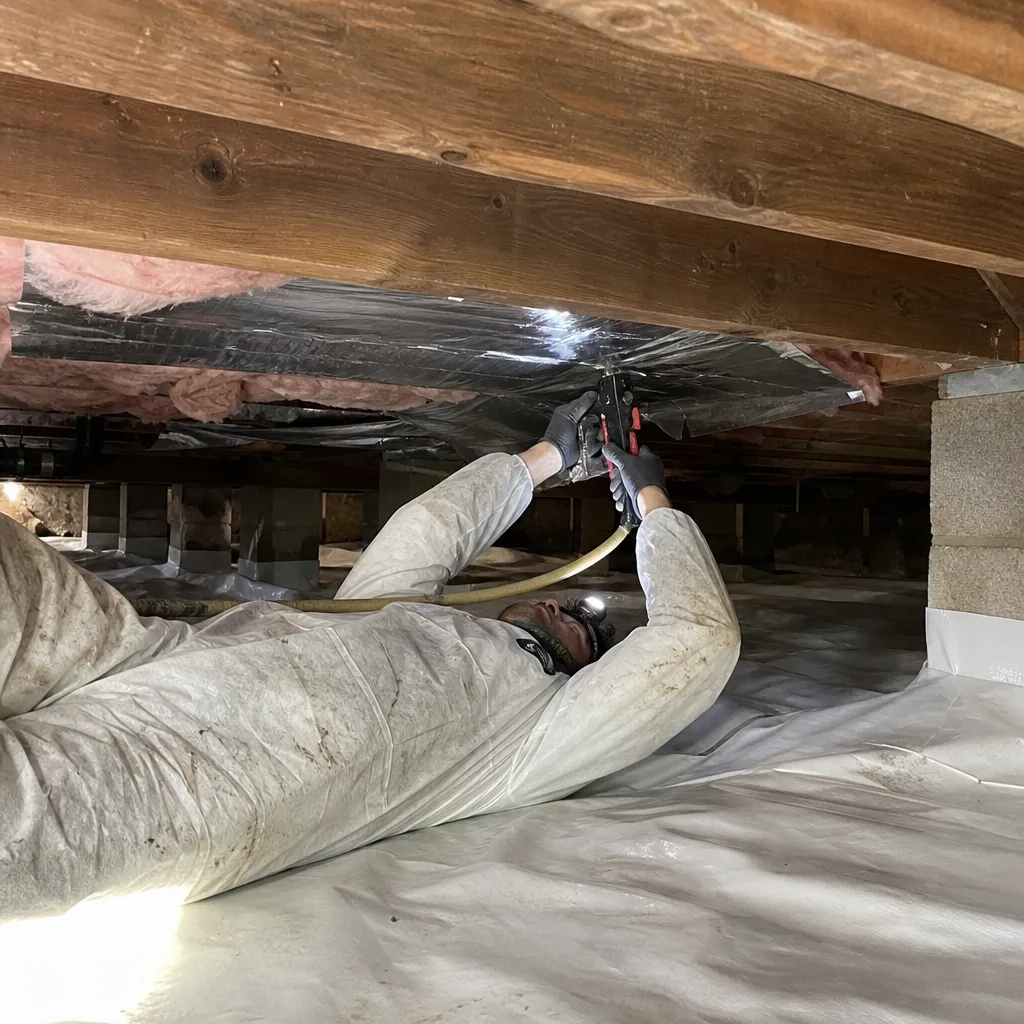
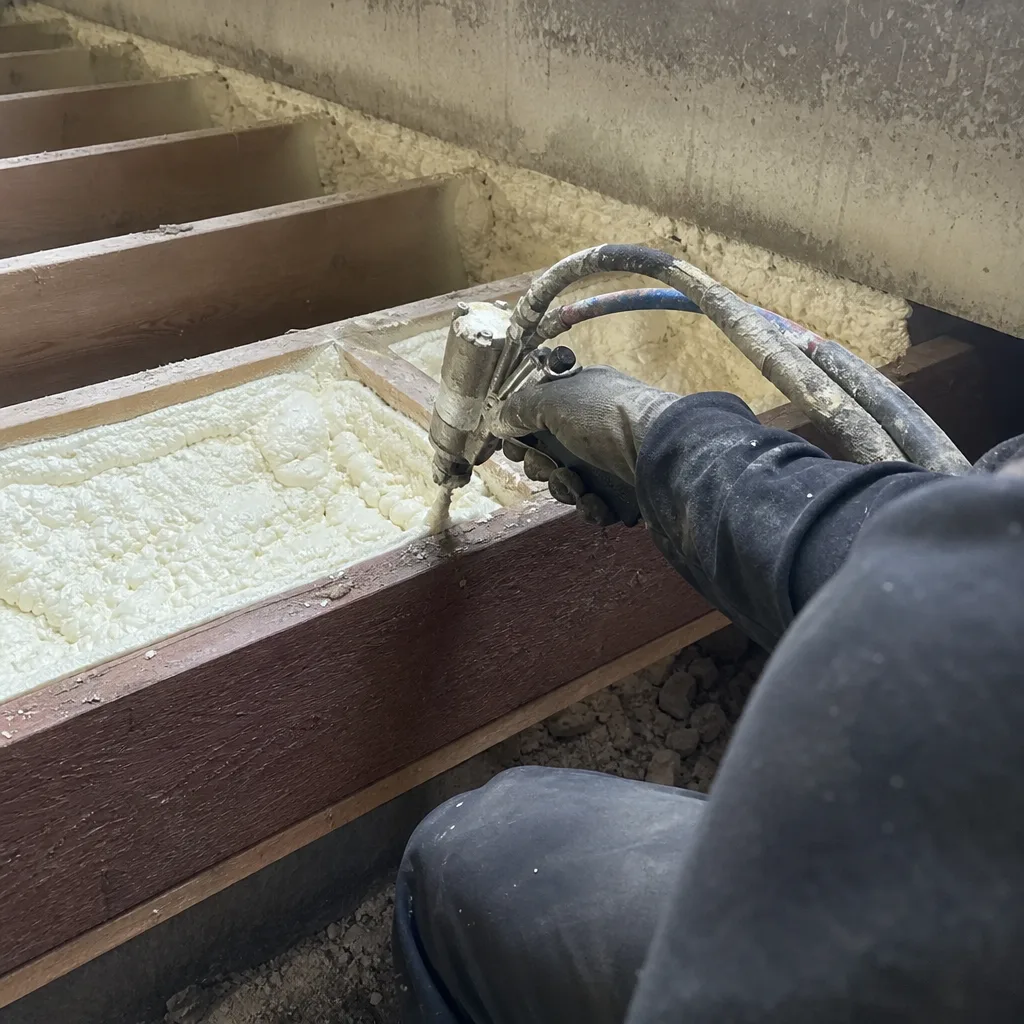
- Choosing spray foam based on R-value alone. Closed-cell spray foam at R-6.5 per inch seems superior to cellulose at R-3.7, but in Menlo Park’s climate the air-sealing benefit of spray foam often exceeds the R-value benefit. We provide spray foam insulation in Menlo Park where appropriate - typically for conditioned attics, crawl spaces, and complex geometries - but we specify it for air sealing performance and moisture management, not R-value alone.
When to Call a Professional
Call a professional when your energy bills have risen without rate increases, when rooms are persistently cold in winter or warm in summer despite thermostat settings, when you see insulation settling below joist tops, or when you’re considering any attic work before selling your home. In Menlo Park’s competitive real estate market, a documented insulation and air sealing upgrade with blower-door numbers is a transferable asset that appears in disclosure packages.
Topside Attic Insulation Menlo Park offers free estimates in Menlo Park - call (510) 876-4113. Every estimate includes a written price, written scope, and written warranty before any work starts. Browse our more guides & resources on attic insulation and home performance. We also provide free second opinions on any written estimate from another contractor.
Frequently Asked Questions
A complete attic insulation job in Menlo Park in 2026 typically costs $2,800-$5,400 for a 1,600-square-foot attic, including air sealing, blown-in cellulose or fiberglass to R-38, and blower-door verification. Bids below $2,000 for the same scope usually omit air sealing, use settled depth rather than installed depth, or exclude permit fees. Call (510) 876-4113 for a written price specific to your home - estimates are free.
Adding new insulation over old is cheaper upfront but rarely the better investment. Compressed, contaminated, or uneven existing insulation reduces the effective R-value of new material added on top. In our Menlo Park experience, removal and replacement with proper air sealing delivers 15-25% better performance than overlay, with payback in 4-7 years through energy savings. We assess existing conditions during every estimate and recommend removal when the old material compromises the new.
No - and any contractor who can start immediately without a written scope should concern you. Our process requires attic inspection, blower-door baseline testing, written scope development, and permit application where required. This typically takes 3-7 business days from estimate acceptance. Same-day work skips the diagnostic phase that determines whether you’re solving the right problem. Call (510) 876-4113 to schedule an inspection.
A blower-door test is a pressurization reading that shows, in one number, how much air your building envelope is losing. A powerful fan depressurizes the house while sensors measure airflow required to maintain that pressure. The result - expressed in CFM50 or ACH50 - quantifies leakage. Without it, air sealing is guesswork. With it, you know exactly what you paid for. We include pre- and post-test readings on every applicable job and publish the numbers in your project file.
Yes, for removal and replacement exceeding 100 square feet or any spray foam application. Permits run $180-$450 through San Mateo County / Menlo Park Building Division. Unpermitted work can complicate resale disclosures and insurance claims. We pull permits as standard practice and include the fee in our written price. Ask any contractor whether their bid includes permit costs - if they “handle it later” or suggest permits aren’t needed, get clarification in writing.
Read the scope narrative, not just the price. Air sealing should specify locations: top plates, electrical and plumbing penetrations, can lights, chimney chase, attic access hatch. It should specify materials and method. “Air sealing included” without detail means the contractor hasn’t defined the scope and can reduce effort without reducing price. Under Haven Standard, our written scope lists every location, every material, and every verification step. Bring us any competing quote and we’ll show you what’s actually included - free second opinion, no obligation.
The Bottom Line
Insulation cost in Menlo Park is not a single number - it’s a stack of line items that honest contractors disclose and others omit. The 2026 market ranges from $1,200 for material-only blown-in coverage to $5,400+ for a complete scope with air sealing, removal, permits, and verified performance. The difference between low and high bids is rarely markup; it’s scope completeness. Air sealing delivers independent ROI in 3-5 years. The 25C tax credit returns 30% of qualifying costs up to $1,200 with proper documentation. And insulating without sealing first wastes 20-40% of your investment. Get every line item in writing before anyone starts. That’s Haven Standard Clause 1, and it’s how we’ve operated since 2016.
Written by Wes Okafor, Owner at Topside Attic Insulation Menlo Park, serving Menlo Park since 2016.