
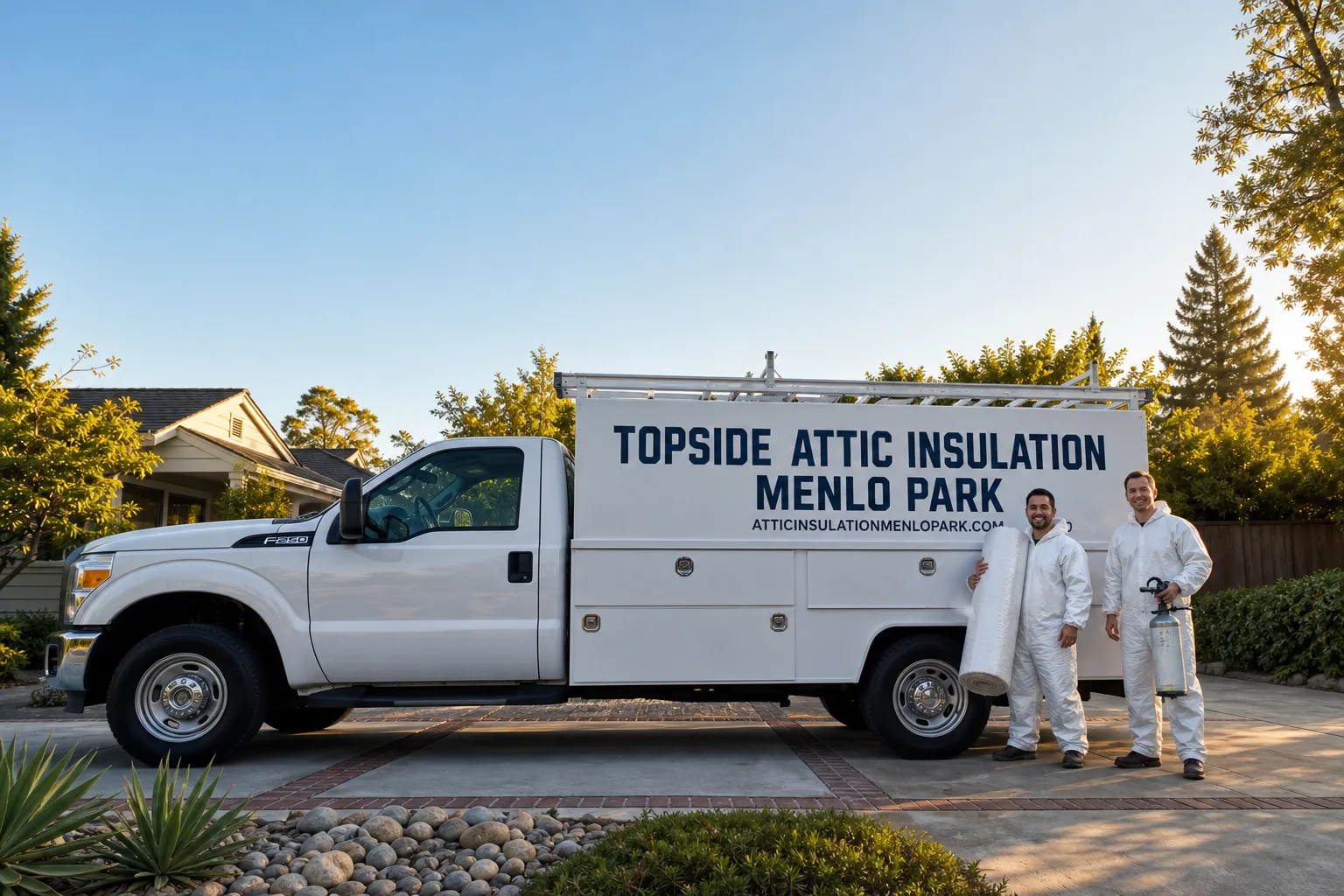
Trusted Radiant Barrier Installation for Menlo Park Homeowners
Radiant barrier installation in Menlo Park typically runs $2,800-$5,400 for a single-story attic and $4,200-$7,800 for two-story homes, with most jobs completed in one day. We’re Topside Attic Insulation Menlo Park, independently owned and operated under The Haven Standard since 2016, and we’ve sealed and insulated more than 9,000 homes across the Bay Area. Our crews are background-checked, uniformed, and available same-day for our Radiant Barrier Installation in Menlo Park, Atherton, Palo Alto, and surrounding communities. Call (510) 876-4113 and a live person answers 24/7, no voicemail loops.
Menlo Park’s combination of hot, dry summers and mild winters creates a specific attic problem: solar heat gain. Roof deck temperatures on a July afternoon in the Willows neighborhood can hit 160°F, and that heat radiates downward through standard insulation into living spaces below. A radiant barrier, typically a reflective foil or metallized film installed to the underside of roof rafters or directly to the roof deck, blocks 95% or more of this radiant heat transfer. The result is lower cooling loads, more consistent room temperatures, and reduced strain on HVAC equipment. We’ve measured attic temperature drops of 20-35°F after Radiant Barrier Installation - Stanford area homes and along Alameda de las Pulgas.
We don’t install radiant barriers over unsealed attics. Under Haven Standard Clause 1, every job begins with air sealing of top plates, can lights, and penetrations, completed before any reflective material goes up. We then run a blower-door test, a pressurization reading that shows, in one number, how much conditioned air your building envelope was losing before and after the work. You get the written price before anyone lifts a tool, the before-and-after numbers in writing, and a Documented Photo Record of every step. That’s the Haven Standard, and it’s how we’ve operated since 2016.
What Our Radiant Barrier Installation Service Includes
Attic Radiant Barrier
An attic radiant barrier is a reflective surface, usually aluminum foil laminated to a substrate, installed across the underside of roof rafters or laid over existing insulation to reduce downward heat radiation. In Menlo Park’s climate, where cooling degree days exceed heating degree days by a significant margin, this is often the highest-ROI envelope upgrade a homeowner can make. We see the clearest need in homes built between 1950 and 1990 in neighborhoods like Belle Haven and the Suburban Park area, where attics were insulated to standards that didn’t account for radiant heat transfer. Radiant Barrier Installation - Atherton properties show similar patterns. Our crews install perforated radiant barriers that allow moisture vapor to pass through, preventing condensation issues in cooler months, and we always verify that existing soffit and ridge ventilation remains unobstructed. Every attic radiant barrier job includes air sealing of accessible penetrations, blower-door verification, and a written summary of attic conditions with photos.
Radiant Barrier Foil
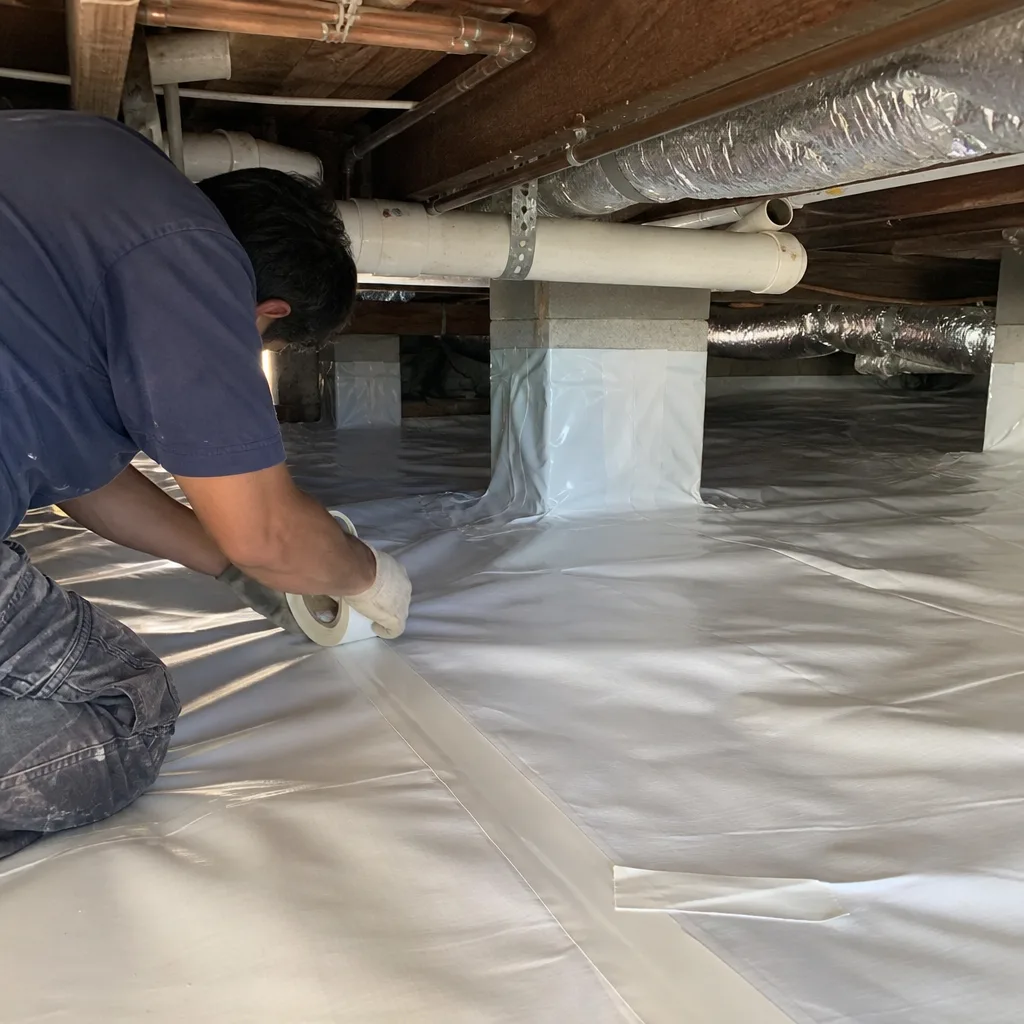
Radiant barrier foil is the most common material type, a thin, flexible sheet with a highly reflective aluminum side that faces the attic air space. The physics are straightforward: radiant heat travels in straight lines and reflects off shiny surfaces, so foil with an emissivity below 0.05 stops almost all downward heat transfer from a hot roof deck. We source radiant barrier foil from established manufacturers and install it with proper standoffs or draping methods that maintain the critical air gap, without which the barrier loses effectiveness. In Menlo Park’s older ranch-style homes near Downtown and along Middlefield Road, we often combine foil installation with upgraded attic insulation to address both radiant and conductive heat flow. Your written scope specifies the exact product, the installation method, and the expected performance change, all before work begins.
Radiant Barrier Roof Deck
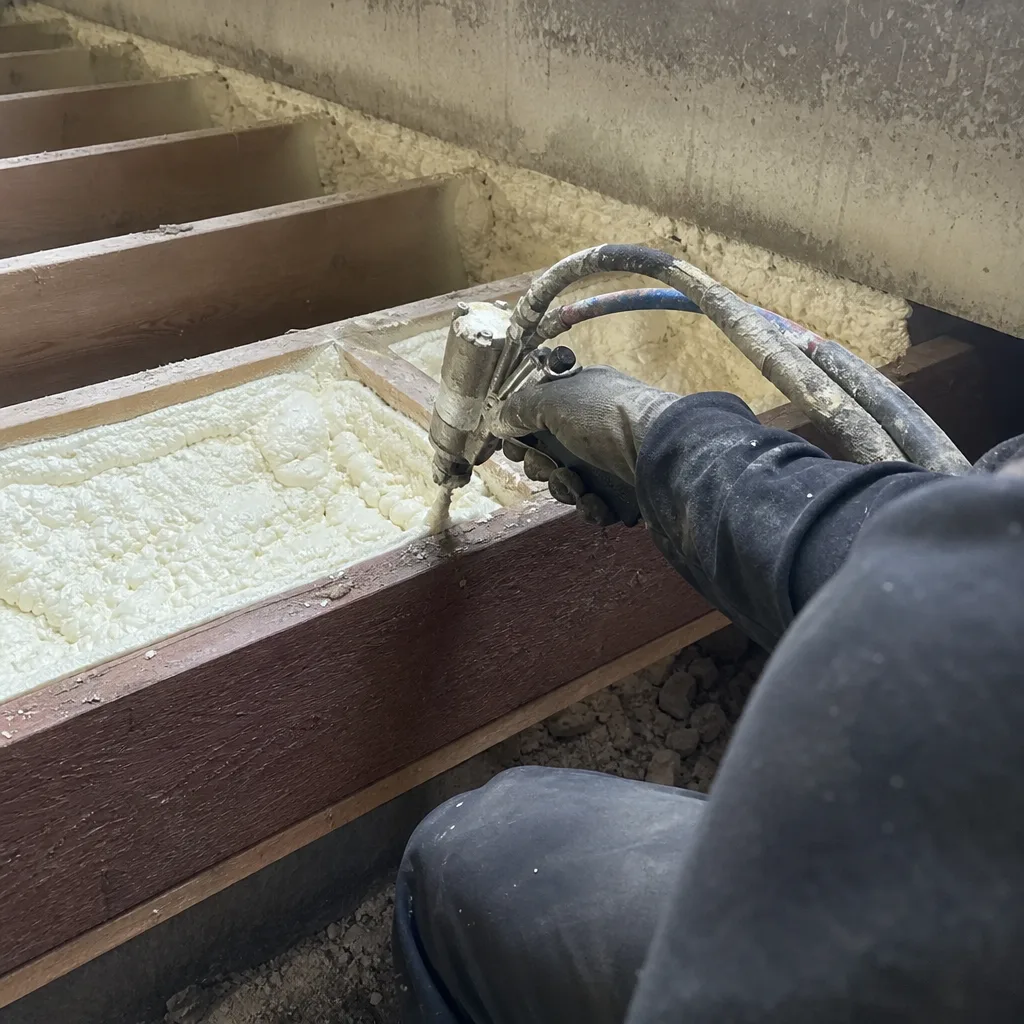
A radiant barrier roof deck application involves installing reflective material directly to the roof sheathing, either during new construction or re-roofing, or retrofitting from the attic side. This is the most thermally effective location because it intercepts radiant heat at its source, before it enters the attic space at all. We’ve completed radiant barrier roof deck installations in Menlo Park’s newer construction near Sharon Heights and in complete envelope retrofits in the Linfield Oaks area, where homeowners wanted maximum cooling load reduction without visible interior changes. The method requires careful attention to fastener patterns and ventilation pathways; our crews document every square foot with photos that you receive in your job record. If you’re planning a re-roof, we coordinate with your roofing contractor to integrate the barrier during sheathing replacement, which reduces labor cost compared to retrofit installation.
Radiant Barrier & Ventilation
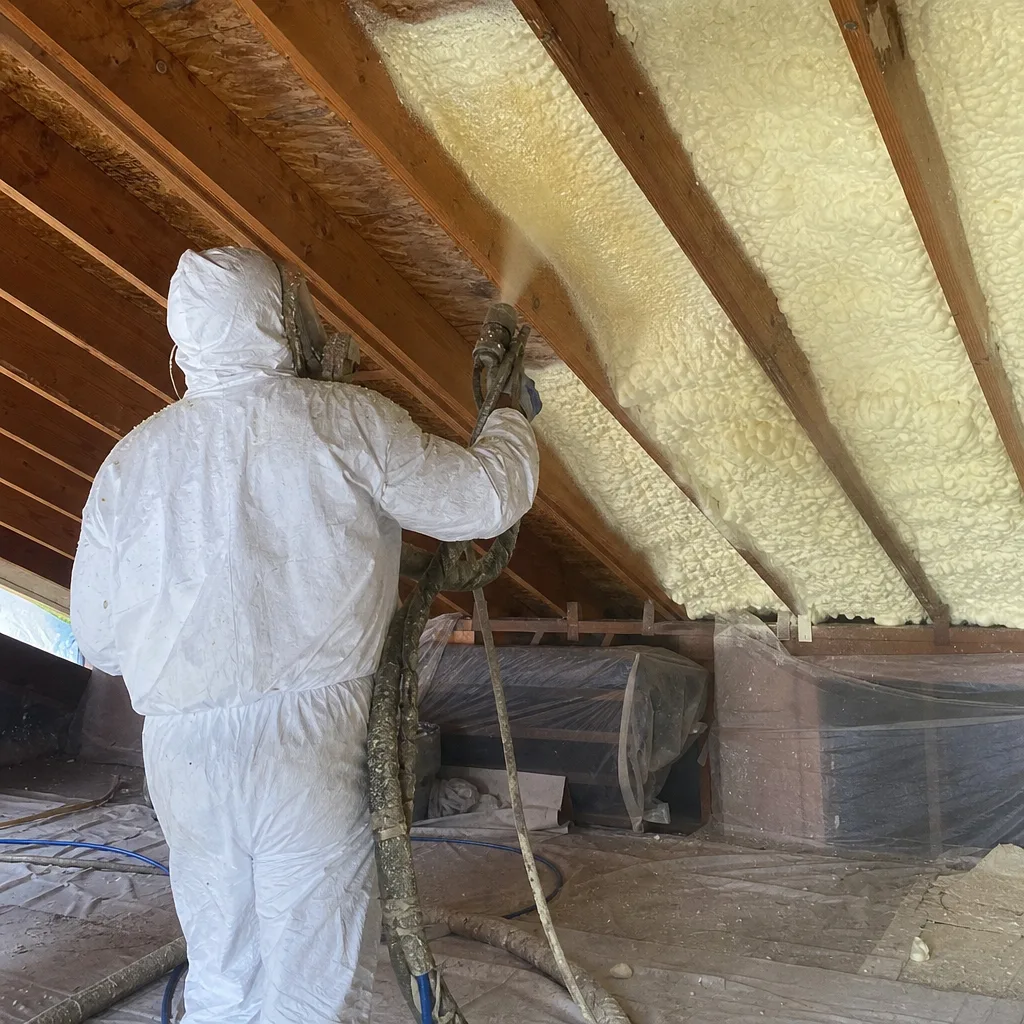
Radiant barriers and attic ventilation work together, not in isolation. A radiant barrier reduces radiant heat gain, but without adequate airflow to remove the heat that does enter, attic temperatures can still rise to problematic levels. We evaluate existing ventilation, measuring net free area of soffit vents, ridge vents, and any gable or powered vents, against the requirements of California Title 24 and the specific thermal load of your roof color and orientation. In Menlo Park, south- and west-facing roof planes see the most solar exposure, and homes in the hills near Woodside Road often have complex roof geometries that create dead air zones. Our integrated approach specifies both the radiant barrier product and any ventilation modifications needed to achieve the target attic temperature reduction. You get a single written price for the complete system, not a low bid that omits critical ventilation work.
What happens when you call
- 1
A real person answersNo phone trees - you reach a local pro.
- 2
You get an upfront price rangeHonest numbers before anyone is dispatched.
- 3
A background-checked tech heads outLicensed & insured, dispatched right away.
- 4
You approve before work beginsNothing starts until you say go.
Brands We Service for Radiant Barrier Installation
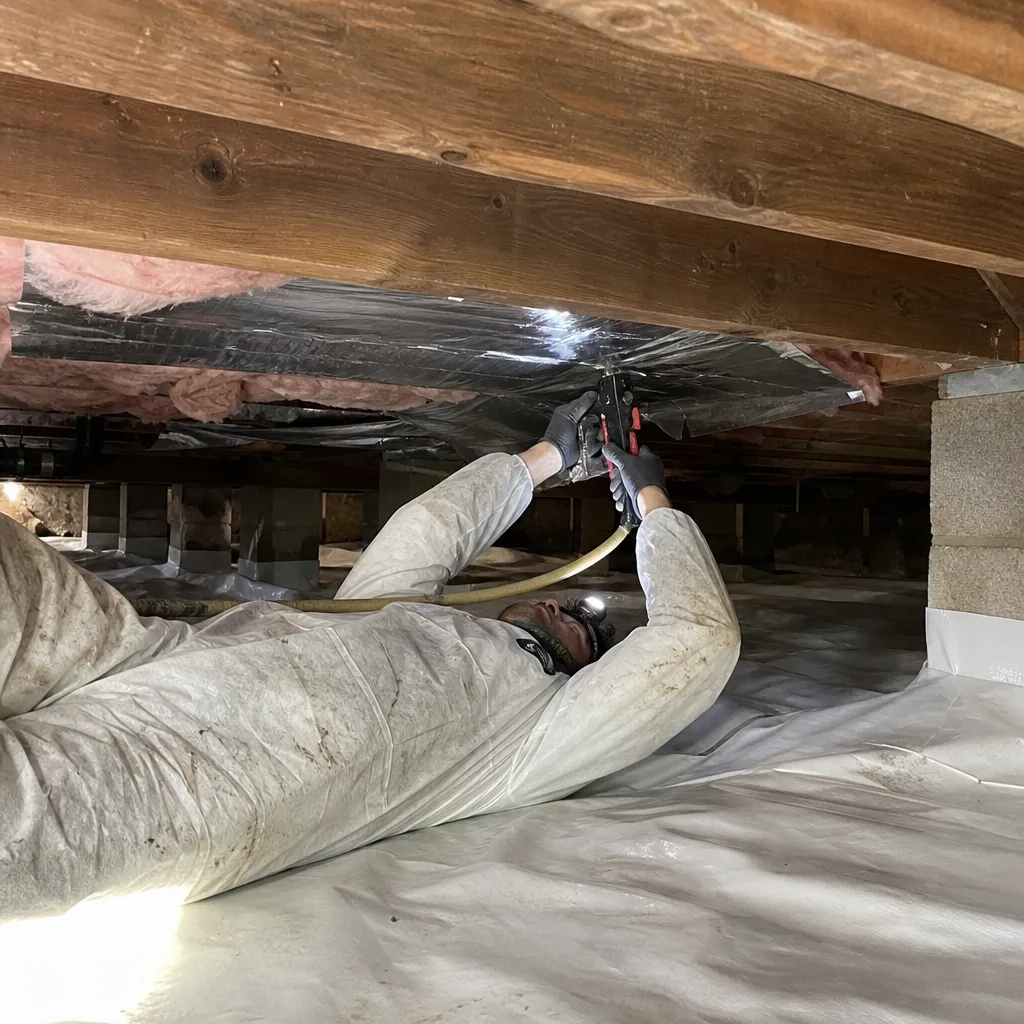
We’ve worked extensively with Rockwool and CertainTeed products in Menlo Park attics, particularly where radiant barrier installation is combined with insulation upgrades. Rockwool’s stone wool batts, which we often install beneath or adjacent to radiant barriers in hybrid systems, maintain dimensional stability at temperatures well above typical attic peaks, and we’ve documented their performance in more than 200 local jobs since 2018. CertainTeed’s reflective insulation products integrate cleanly with their conventional insulation lines, which matters when we’re specifying a complete envelope system for homeowners who want single-source material documentation for resale or LEED considerations.
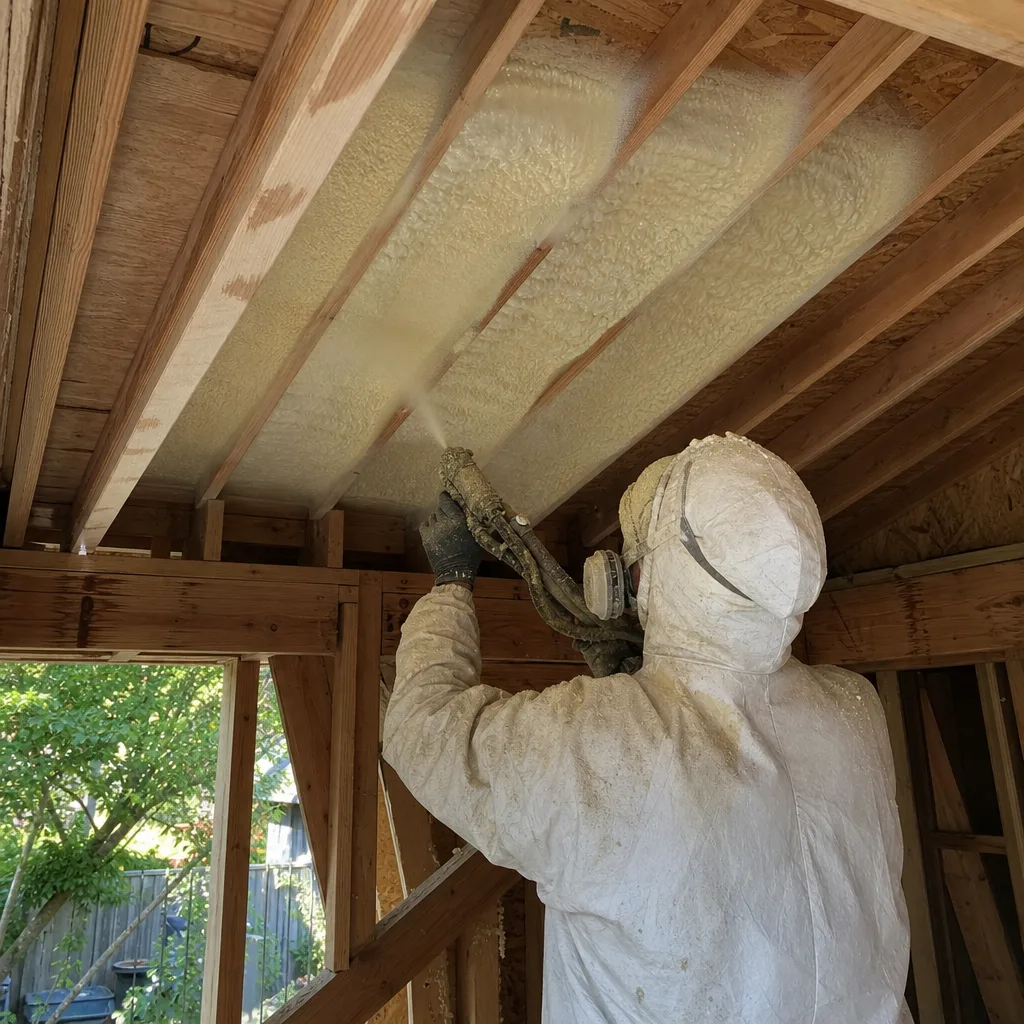
We’ve also installed Icynene and Demilec spray foam systems in conjunction with radiant barriers, typically in conditioned attic assemblies where the barrier faces a vented roof deck and foam seals the floor plane. These combinations require careful sequencing, foam first or barrier first depending on the assembly type, and our crews are trained on the manufacturer-specified installation details for each. Whether you have an existing system from one of these manufacturers or are starting fresh, we read the product data sheets and install to spec, not to habit. And we publish the blower-door numbers to prove the assembly performs as designed.
 Before
 After
AfterSigns You Need Radiant Barrier Installation Right Now
- Your upstairs rooms are 8-15°F warmer than downstairs on summer afternoons. This temperature stratification is the signature of radiant heat gain overwhelming your insulation’s conductive resistance. In Menlo Park, we see it most often in homes with dark composite shingles and inadequate attic ventilation, particularly in the Suburban Park and Felton Gables areas where 1960s-1970s construction predates modern radiant barrier standards.
- Your air conditioner runs continuously from 2 PM to 7 PM but never reaches the thermostat setpoint. This pattern indicates your cooling system is sized adequately for the load but is fighting excessive heat gain from above. A radiant barrier reduces that peak load so your existing equipment can cycle normally, extending compressor life and avoiding premature replacement.
- Your attic insulation is compressed, discolored, or has visible heat damage on the paper facing. These symptoms show that attic temperatures have been high enough to degrade conventional insulation performance over time. In Menlo Park’s climate, attic temperatures above 140°F accelerate fiberglass settling and can cause paper-faced batts to delaminate. A radiant barrier protects your insulation investment by keeping attic temperatures closer to ambient.
- You’re planning to replace your HVAC system and the contractor recommends upsizing. Upsizing masks an envelope problem with excess capacity. We’ve reviewed dozens of Menlo Park load calculations that assumed standard attic performance without accounting for radiant barrier retrofit, and the corrected loads often permit smaller, more efficient equipment. Get a second opinion on that sizing, bring us the written estimate, and we’ll read it with you.
- Your energy bills spike every July and August despite consistent thermostat settings. Seasonal cooling cost increases that outpace utility rate changes indicate growing heat gain, often from aging roofing materials that have become more absorptive or insulation that has settled below its original R-value. A radiant barrier addresses the dominant heat transfer mechanism in summer, and we can model the expected savings from your specific roof type and orientation.
Our Radiant Barrier Installation Process - Step by Step
- 1
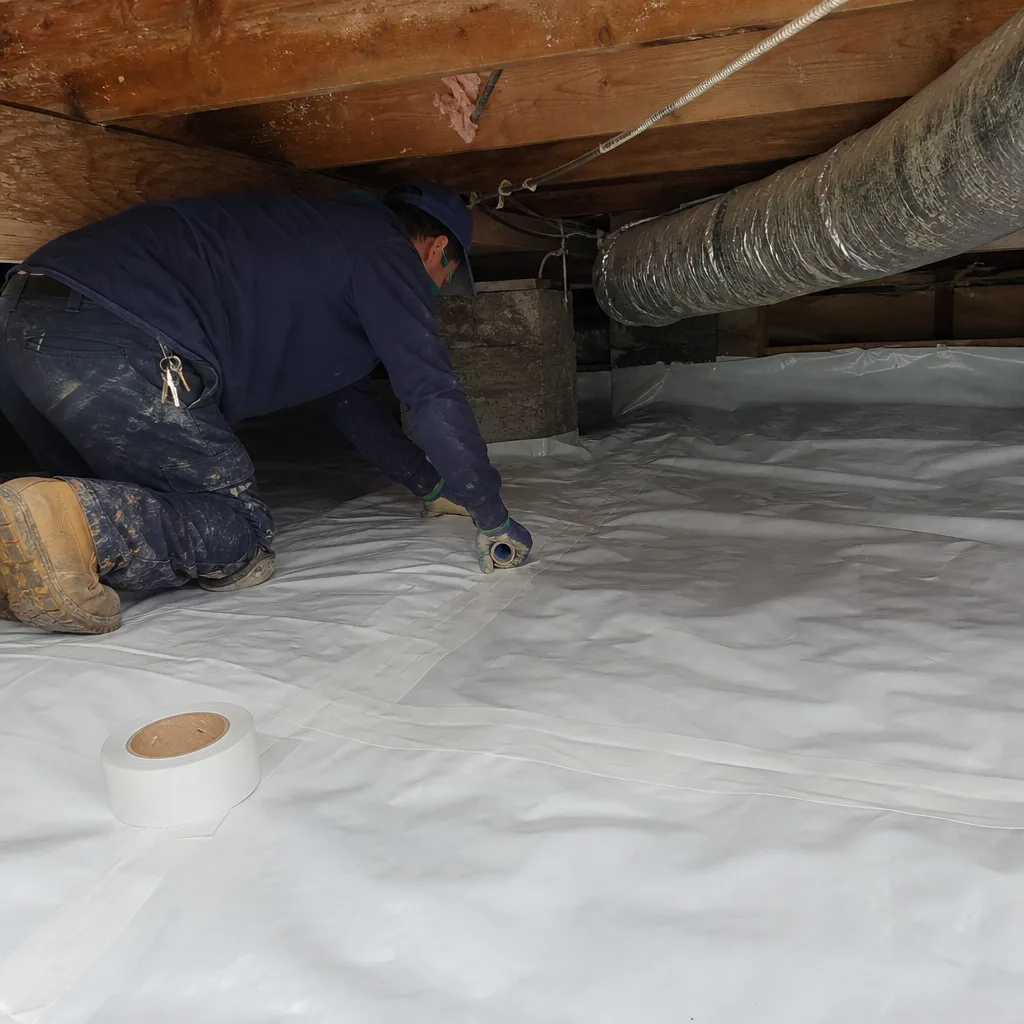
Initial assessment and blower-door baseline. We arrive on schedule, you get a named technician and a text when they are on the way. Under Haven Standard: Arrive on schedule, you get a named technician and a text when they are on the way. The technician inspects your attic access, existing insulation condition, roof deck type, and ventilation configuration, then runs a blower-door test to establish your home’s current air leakage rate in CFM50. This number becomes our benchmark for improvement.
- 2
Written scope and price, no exceptions. Within 24 hours, you receive a written proposal specifying the radiant barrier product, installation method, air sealing details, ventilation assessment findings, and any recommended insulation upgrades. The price is flat, not time-and-materials, and includes the Documented Photo Record and before-and-after blower-door verification. No work starts without your written approval of this scope.
- 3
Air sealing before barrier installation. Our crew seals all accessible top plates, electrical and plumbing penetrations, can light housings, and chimney chases with appropriate fire-rated materials. This step is non-negotiable, even if your primary concern is heat gain rather than heat loss. An unsealed attic with a radiant barrier still loses conditioned air in winter and allows moisture migration year-round.
- 4
Radiant barrier installation to manufacturer specification. We install your specified product with proper air gap maintenance, fastener spacing, and penetration detailing. Every square foot is photographed, and critical details like electrical clearances and ventilation baffle placement are documented. If we’re working with Rockwool or CertainTeed hybrid systems, the sequencing follows their published installation guides.
- 5
Post-installation verification and documentation. We rerun the blower-door test and provide you with the before-and-after comparison, the complete photo record, and a written warranty under our 365-Day Done Right Promise. If the numbers don’t show improvement, we find out why before we leave. You keep all documentation for your records, your insurer, or your home’s next buyer.
How Much Does Radiant Barrier Installation Cost in Menlo Park?
A typical attic radiant barrier retrofit in a Menlo Park single-story home of 1,200-1,800 square feet runs $2,800-$4,200, including air sealing, blower-door verification, and documentation; see how much Radiant Barrier Installation costs for full pricing details. Two-story homes with complex rooflines in areas like Sharon Heights or the hills near Sand Hill Road typically range $4,200-$6,800 due to increased surface area and access difficulty. Radiant barrier roof deck applications during re-roofing add $1.20-$2.10 per square foot of roof area to the roofing contract when coordinated through us, or $3,500-$5,500 as a standalone retrofit with interior attic access.
Several factors move these numbers. Roof pitch above 8/12 increases labor time and safety equipment requirements. Existing insulation that must be removed or relocated before barrier installation adds $0.80-$1.50 per square foot. Electrical service upgrades needed for powered ventilation additions are quoted separately by our electrical partners. And homes with active rodent issues require cleaning and proofing before we install materials that would be damaged or contaminated.
To avoid overpaying, get any competing estimate in writing and bring it to us for a Free Second Opinion. We’ll read it with you, line by line, and identify what’s included, what’s omitted, and where the scope differs from what we’d specify. Our price includes everything: materials, labor, air sealing, testing, documentation, and the 365-Day Done Right Promise. No separate “trip charges,” “disposal fees,” or “permit handling” add-ons appear after you approve the scope.
Every estimate we provide is free and carries no obligation. Call (510) 876-4113 to schedule an assessment, or text us if you prefer. Most Menlo Park homeowners receive their written proposal within one business day of our site visit.
Radiant Barrier Installation Near Menlo Park - Our Service Area
We complete radiant barrier installations throughout the Peninsula and South Bay with typical response times of same-day to 48 hours. Our primary service corridor includes Radiant Barrier Installation in Menlo Park proper, Radiant Barrier Installation in East Palo Alto, and Radiant Barrier Installation in North Fair Oaks, with regular work also in Atherton, Stanford, Redwood City, Palo Alto, Newark, Mountain View, Woodside, Los Altos Hills, and Los Altos. Crews dispatched from our Peninsula base reach the Willows neighborhood in under 30 minutes and Sharon Heights in 20. For projects in the hills near Woodside or Los Altos Hills, we schedule morning starts to complete access-intensive work before afternoon temperature peaks complicate attic conditions.
Serving Menlo Park, CA - Our Local Coverage Area
We’re based in the Menlo Park area and know this community well. Use the map below to see our service coverage - if you’re nearby, we can almost certainly help.
Frequently Asked Questions - Radiant Barrier Installation in Menlo Park
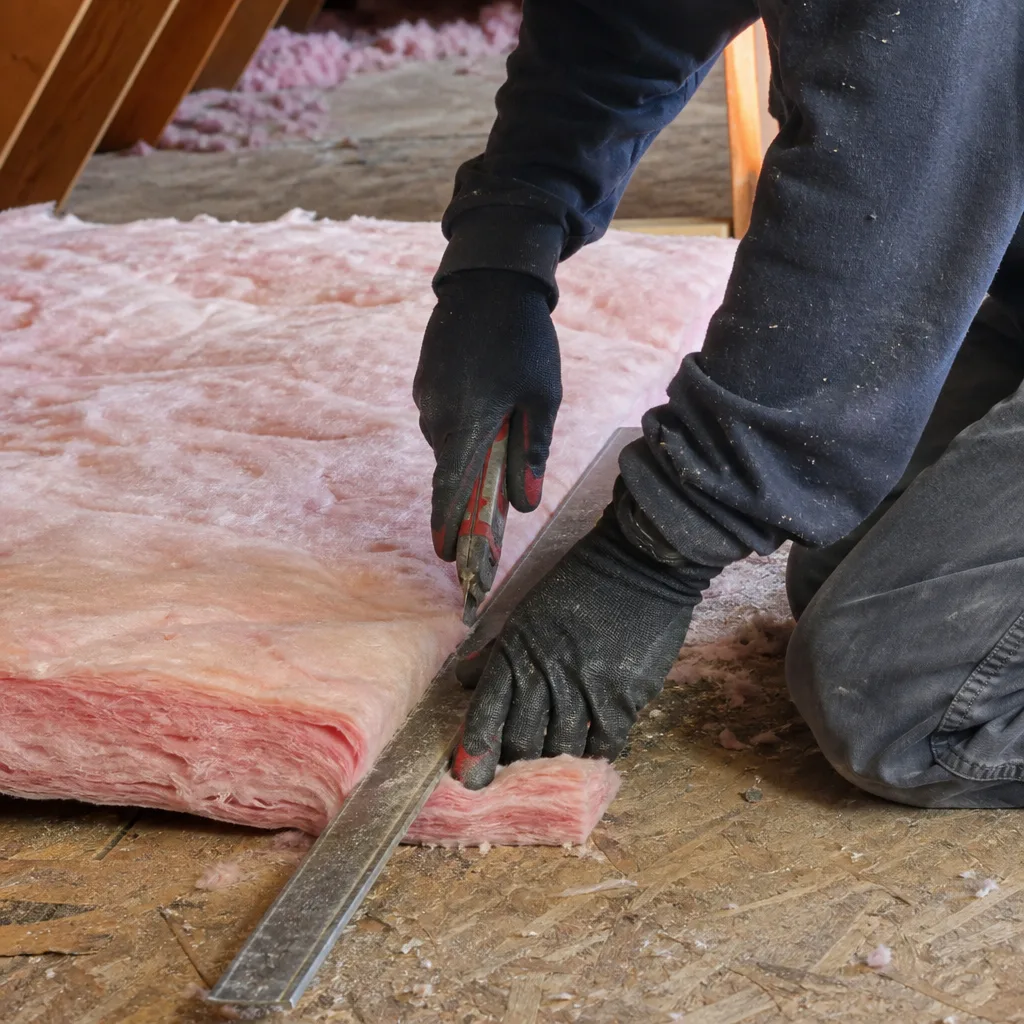
Radiant barrier installation is the placement of a highly reflective material, typically aluminum foil on a substrate, to the underside of roof rafters or roof deck to block radiant heat transfer from a hot roof into the attic space below. In Menlo Park’s climate, this reduces attic temperatures by 20-35°F on peak summer days, which directly lowers cooling loads and improves comfort in upper-floor rooms. The barrier does not replace insulation; it works with it by addressing a different heat transfer mechanism that standard insulation alone cannot stop effectively.
Most residential radiant barrier installations in Menlo Park are completed in one day, with larger or more complex homes requiring up to two days. The actual barrier installation moves quickly; the time-consuming portion is the prerequisite air sealing and the post-installation blower-door verification that we perform on every job. We schedule a full day for standard single-story homes and communicate any expected extension before work begins, so you’re not left with an open project. Call (510) 876-4113 to check current scheduling availability.
Most Menlo Park radiant barrier installations run $2,800-$5,400 for single-story homes and $4,200-$7,800 for two-story homes, with the final price depending on attic square footage, roof complexity, existing insulation condition, and whether air sealing or ventilation upgrades are needed. Every estimate we provide is free, written, and includes all labor, materials, testing, and documentation under a flat price with no hidden add-ons. Call (510) 876-4113 for an exact quote on your home, estimates are free.
Yes, we install and service radiant barrier systems from all four manufacturers, as well as hybrid assemblies that combine their insulation products with reflective barriers. Our crews carry manufacturer installation guides on every job and have completed training on the specific detailing requirements for each product line. If your home has an existing system from any of these brands, we can assess its condition, repair or extend it, or integrate it with new work while maintaining warranty compliance where applicable.
We answer calls 24/7 through a live person, not voicemail, and can dispatch for urgent situations such as heat-related equipment failure or homeowner safety concerns from extreme attic temperatures. True emergencies in radiant barrier work are rare, most scheduling needs are addressed within 24-48 hours, but we don’t leave you waiting through a callback window if your situation is urgent. Call (510) 876-4113 any time, and we’ll tell you honestly whether same-day dispatch is warranted or whether a standard appointment meets your need.
Every radiant barrier installation is covered by our 365-Day Done Right Promise, if it’s not done right, we make it right, backed by a written scope and written warranty delivered before anyone starts. The Haven Standard requires this documentation on every job, and we don’t consider a project complete until you have it in hand. Material warranties from manufacturers like Rockwool or CertainTeed run separately and are transferred to you at completion; we register these on your behalf when required by the manufacturer.
Clear a path to your attic access and remove any stored items from the attic floor that you want to keep clean or undisturbed; our crew will cover remaining items but cannot guarantee protection for fragile or valuable stored goods. Ensure we have access to electrical outlets for our blower-door fan and lighting equipment, and inform us of any known hazards such as active leaks, exposed wiring, or wasp nests. We’ll text you the name of your arriving technician and any specific preparation needs identified during your initial assessment. Call (510) 876-4113 with any questions before your scheduled date.
Schedule Your Radiant Barrier Installation Service in Menlo Park Today
Call (510) 876-4113 now and a live person will answer, 24/7, to schedule your free assessment. You’ll get a named technician, a written price before any work starts, and a complete Documented Photo Record with before-and-after blower-door numbers when the job is done. That’s the Haven Standard, and it’s how we’ve operated since 2016.
Written by Wes Okafor, Owner at Topside Attic Insulation Menlo Park, serving Menlo Park and the Peninsula since 2016.